
What is Horeca Sales? Exploring the Intersection of Hospitality and Retail
Have you ever wondered how the worlds of hospitality and retail blend together? The answer lies in Horeca sales. This dynamic sector bridges the gap between restaurants, hotels, cafés, and their suppliers. Understanding this niche can unlock new opportunities for businesses looking to thrive in a competitive landscape. Whether you're a seasoned professional or just curious about the industry, exploring Horeca sales reveals fascinating insights into consumer behavior and market trends. Join us as we dive deeper into what makes this area so vital for both sectors!
What is Horeca Sales?
HoReCa sales refers to selling products and services to businesses in the hotel, restaurant, café, and catering sectors. It connects suppliers, manufacturers, distributors, and hospitality businesses through B2B sales and distribution networks.
Unlike traditional retail, HoReCa businesses purchase products in bulk for their operations and customers. This creates valuable opportunities for suppliers and brands to expand their market reach.
Key aspects of HoReCa sales include:
-
B2B Sales: Suppliers sell products directly to hotels, restaurants, cafés, and catering businesses.
-
Product Distribution: Businesses supply food, beverages, packaged goods, cleaning products, equipment, and other essentials.
-
Customer Relationships: Sales teams build long-term relationships with hospitality businesses and understand their specific requirements.
-
Regular Orders: Hotels, restaurants, and cafés often require consistent product replenishment, creating opportunities for repeat sales.
-
Hospitality and Retail Connection: HoReCa acts as an important channel connecting suppliers and distributors with businesses that serve end customers.
-
Sales Team Management: Field sales teams visit HoReCa outlets, manage customer relationships, capture orders, and monitor market activities.
With an effective HoReCa sales strategy, businesses can improve customer coverage, strengthen supplier relationships, streamline order management, and identify new growth opportunities. Technology can also help sales teams track customer visits, plan routes, capture orders, and monitor field activities more efficiently.
Effective HoReCa Sales Strategies for Business Growth
Effective HoReCa marketing strategies focus on building relationships. Engaging content, targeted promotions, and personalized experiences resonate with customers. Utilize social media platforms to showcase your offerings and connect directly with patrons. Collaborating with local businesses can enhance visibility. Tailoring campaigns to seasonal trends keeps your brand relevant in the competitive hospitality landscape.
The Importance of Data
Data is vital in the HoReCa industry. It drives informed decisions, enhances customer experiences, and identifies market trends. By analyzing sales figures and consumer behavior, businesses can tailor their offerings effectively. This insight fosters growth and helps brands stay competitive in a rapidly evolving landscape where understanding preferences is key to success.
HoReCa Influencer Marketing
HoReCa influencer marketing leverages social media personalities to promote brands within the hospitality sector. These influencers can engage target audiences effectively through authentic storytelling and visually appealing content. By partnering with them, businesses enhance visibility, attract new customers, and build trust in their products or services among food enthusiasts and industry professionals alike.
Organize and Host HoReCa Tastings and Workshops
Hosting tastings and workshops can elevate your HoReCa marketing strategy. These events allow customers to experience products firsthand, creating memorable interactions. Collaborating with chefs or industry experts adds credibility and excitement. Engage participants through hands-on activities, fostering a sense of community while showcasing the unique qualities of your offerings in an immersive environment.
HoReCa Marketing on Social Networks
Social networks are vital for HoReCa marketing. They offer a platform to showcase products, engage with customers, and build brand loyalty. Eye-catching visuals of dishes or events attract attention. Consistent interaction fosters community while targeted ads reach specific demographics. Collaborating with influencers can amplify your message and expand your audience effectively in this space.
Building Your HoReCa Marketing Brand
Creating a strong HoReCa marketing brand involves understanding your target audience and their needs. Utilize storytelling to connect emotionally, showcase quality through visuals, and maintain consistency across all platforms. Engage with customers authentically on social media, while highlighting unique offerings. Building relationships fosters loyalty and enhances the overall perception of your brand in the market.
HoReCa Trade Shows for Customer Engagement
HoReCa trade shows offer unique opportunities for businesses to connect with customers. These events showcase products and services while allowing for face-to-face interactions. Engaging demonstrations, tastings, and networking sessions create memorable experiences. Participants can gain valuable insights into market trends and customer needs, strengthening brand loyalty in a competitive landscape.
Train Your HoReCa Customers for Stronger Bonds
Training your HoReCa customers enhances relationships and builds trust. Provide product knowledge, operational techniques, and service excellence through workshops or online courses. Encourage feedback to tailor training sessions to their needs. By investing in their success, you foster loyalty and create lasting partnerships that benefit both parties in the competitive hospitality landscape.
Sustainability in HoReCa
Sustainability in HoReCa is gaining momentum. Many businesses are adopting eco-friendly practices, from sourcing locally to reducing waste. This not only appeals to conscious consumers but also improves brand reputation. Implementing sustainable operations can lead to cost savings and a positive impact on the environment, making it a win-win for both business and planet.
Localizing HoReCa Marketing Efforts
Localizing HoReCa marketing efforts means tailoring strategies to specific regions and cultures. Understanding local tastes, traditions, and consumer behavior can enhance connection with customers. Utilize regional influencers and community events to build brand loyalty. Effective localization fosters stronger relationships, making your offerings more relevant in diverse markets while driving customer engagement and satisfaction.
Effective HoReCa Advertising
Effective HoReCa advertising requires a tailored approach. Utilize eye-catching visuals and clear messaging to capture attention. Engage with your audience through targeted campaigns that resonate with their interests. Leverage both traditional media and digital platforms for maximum reach. Consistent branding across channels builds recognition, fostering trust among potential customers in the competitive hospitality landscape.
Cost-Effective Advertising Strategies
Cost-effective advertising strategies in the HoReCa sector can include leveraging social media platforms, utilizing local influencers, and creating engaging content. Collaborating with nearby businesses for joint promotions also helps reduce costs while expanding reach. Email marketing campaigns targeting loyal customers can yield high returns with minimal investment, driving interest without draining budgets.
Understanding HoReCa Products
HoReCa products are essential supplies tailored for the hospitality and retail sectors. They include food, beverages, kitchen equipment, and cleaning materials. Understanding these products helps businesses meet customer expectations effectively while ensuring quality service. The right selection can enhance menu offerings and improve the overall dining experience for patrons in various settings.
Importance and Use of HoReCa Products
HoReCa products are essential for businesses across the hospitality and retail sectors. They include food ingredients, beverages, kitchen equipment, tableware, cleaning supplies, and other products required for daily operations. These products help hotels, restaurants, cafés, and catering businesses maintain service quality and deliver consistent customer experiences.
By using the right HoReCa products, businesses can improve operational efficiency, maintain quality standards, strengthen their brand image, and build customer loyalty through better dining and hospitality experiences.
Essential HoReCa Products
HoReCa businesses rely on a wide range of products to support their daily operations. Some of the most important categories include:
-
Food Ingredients: Fresh produce, dairy products, packaged foods, sauces, spices, and other cooking ingredients.
-
Beverages: Coffee, tea, juices, soft drinks, wine, and other beverages.
-
Kitchen Equipment: Commercial ovens, refrigerators, cooking equipment, and food preparation tools.
-
Tableware: Plates, glasses, cutlery, serving equipment, and dining accessories.
-
Cleaning and Hygiene Supplies: Cleaning products, sanitizers, and hygiene equipment.
-
Operational Supplies: Packaging materials, disposable products, and other essential supplies.
The demand for these products creates significant opportunities for manufacturers, suppliers, wholesalers, distributors, and brands operating in the HoReCa sales channel.
Understanding the HoReCa Sales Channel
The HoReCa channel encompasses businesses operating across the hospitality and foodservice sectors, including hotels, restaurants, cafés, and catering businesses. It acts as an important link between manufacturers, brands, suppliers, distributors, and hospitality establishments.
Unlike traditional retail, HoReCa sales often involve bulk purchases, recurring orders, and long-term B2B relationships. Understanding this channel allows businesses to develop products and sales strategies that meet the specific requirements of hospitality customers.
Identifying Key Challenges in HoReCa
The HoReCa industry faces several challenges that can affect sales, customer satisfaction, and business growth. Some of the key challenges include:
-
Changing Customer Preferences: Shifting consumer tastes and expectations make it difficult for businesses to maintain consistent demand.
-
Supply Chain Disruptions: Delays, shortages, and rising supply costs can affect product availability and service quality.
-
Intense Competition: Hotels, restaurants, and cafés need to continuously improve their offerings and customer experience to stay competitive.
-
Staffing Challenges: Finding and retaining skilled employees can be difficult, affecting service quality and daily operations.
-
Managing Customer Relationships: Maintaining strong relationships with multiple suppliers and customers requires consistent communication and follow-up.
-
Limited Sales Visibility: Businesses with field sales teams may struggle to track customer visits, market coverage, and sales activities effectively.
Strategic Solutions for HoReCa Success
Businesses can overcome these challenges by adopting practical strategies that improve operational efficiency and customer relationships. Key approaches include:
-
Build Strong Relationships: Maintain consistent communication with suppliers, distributors, and hospitality customers to encourage long-term partnerships.
-
Use Technology: Adopt digital tools to streamline sales activities, monitor customer visits, manage orders, and improve operational visibility.
-
Train Employees: Provide regular training to improve product knowledge, customer service, and sales skills.
-
Understand Market Trends: Monitor changing consumer preferences and industry trends to adapt products and sales strategies accordingly.
-
Improve Sales Team Visibility: Use field sales technology to track market visits, plan routes, monitor outlet coverage, and capture orders efficiently.
-
Focus on Customer Experience: Deliver reliable service and personalized solutions to improve customer satisfaction and encourage repeat business.
By combining strong relationships, technology, skilled employees, and customer-focused strategies, HoReCa businesses can improve efficiency, adapt to market changes, and create sustainable growth opportunities.
Advantages of Horeca Sales:
-
Direct Connection with Target Customers: Horeca sales create a direct link between suppliers and hospitality businesses, ensuring products meet the specific needs of hotels, restaurants, and cafés. This relationship allows businesses to cater to the demands of end customers more effectively.
-
Increased Business Opportunities: By tapping into the Horeca sector, businesses can expand their reach, gaining access to a broader market. Establishments in hospitality often require consistent and large quantities of supplies, providing a continuous demand for products and services.
-
Enhanced Brand Visibility: Horeca sales can boost brand awareness by supplying products to well-known restaurants, hotels, or cafés. As these establishments serve large groups of customers, your products are exposed to many potential consumers, enhancing visibility and reputation.
-
Customization and Tailored Offerings: Suppliers can customize products or services to cater to the specific needs of hospitality businesses. This flexibility allows for more personalized offerings that align with customer preferences, creating stronger bonds with clients.
-
Fostering Strong Relationships: Horeca sales professionals build lasting relationships with clients by providing tailored solutions, support, and quality products. Strong relationships lead to repeat business, customer loyalty, and better communication, ensuring a steady revenue stream.
-
Market Insight and Trend Adaptation: Being involved in Horeca sales helps businesses stay attuned to market trends and consumer preferences. By observing changing demands within the hospitality industry, suppliers can adjust their offerings to stay competitive and relevant.
-
Potential for Innovation: The Horeca industry is a hub for innovation, driven by ever-evolving customer expectations. Suppliers have the opportunity to innovate and introduce new products or services, enhancing the overall customer experience and differentiating themselves in the market.
-
Opportunities for Collaborative Marketing: Horeca sales often involve collaborative efforts between suppliers and hospitality establishments. Joint promotions, influencer partnerships, and co-branded events can enhance customer engagement and attract a wider audience.
-
Sustainability and Eco-Friendly Practices: The growing trend toward sustainability in the Horeca industry offers businesses the opportunity to showcase their commitment to environmental responsibility. By offering eco-friendly products or services, companies can align with the values of today’s environmentally-conscious consumers.
-
Boosts Economic Growth: Horeca sales contribute to local economies by stimulating demand for products, creating jobs, and fostering tourism. The sector plays an essential role in driving economic activity and promoting the growth of small and large businesses alike.
By understanding the advantages of Horeca sales, businesses can leverage this dynamic sector to foster growth, innovate, and build strong, long-lasting customer relationships.
Best Practices for Managing HoReCa Sales and Operations
Effective HoReCa management requires a combination of strong customer relationships, efficient operations, and data-driven decision-making. Businesses can improve their performance by following these best practices:
-
Build Strong Supplier and Customer Relationships: Maintain consistent communication with suppliers, distributors, hotels, restaurants, and cafés to ensure reliable service and long-term partnerships.
-
Improve Inventory Management: Monitor stock levels and demand to prevent shortages, reduce waste, and ensure products are available when customers need them.
-
Train Sales and Service Teams: Regular training helps employees improve product knowledge, customer service, and sales skills.
-
Use Technology: Digital tools can simplify order management, track customer visits, monitor field sales activities, and provide better visibility into sales performance.
-
Monitor Customer Feedback: Regularly collect and analyze customer feedback to identify service gaps and improve the overall customer experience.
-
Adopt Sustainable Practices: Reduce waste, optimize resources, and offer sustainable products to meet the growing expectations of environmentally conscious customers.
Following these practices can help HoReCa businesses improve efficiency, strengthen customer relationships, and create a more consistent experience across hospitality and retail channels.

Why HoReCa Matters for Hospitality and Retail
The HoReCa sector plays an important role in connecting the hospitality and retail ecosystems. Hotels, restaurants, cafés, and catering businesses create significant demand for products supplied by manufacturers, wholesalers, distributors, and brands.
For businesses operating in this space, understanding HoReCa sales and customer behavior can reveal valuable opportunities to:
-
Expand distribution and market reach
-
Build long-term B2B customer relationships
-
Identify changing consumer preferences
-
Improve product availability and order fulfillment
-
Develop targeted sales and marketing strategies
-
Strengthen collaboration between suppliers and hospitality businesses
As the hospitality and retail sectors continue to evolve, businesses that understand the HoReCa channel can adapt more effectively to emerging customer needs and market opportunities.
How Businesses Can Benefit from the HoReCa Channel
The HoReCa channel provides businesses with a valuable opportunity to connect their products and services with hospitality establishments and their customers. Suppliers and brands can work directly with hotels, restaurants, cafés, and catering businesses to understand their requirements and offer customized solutions.
A strong HoReCa sales strategy can help businesses:
-
Reach a wider network of hospitality customers
-
Generate repeat and bulk orders
-
Build stronger relationships with business buyers
-
Improve brand visibility through hospitality establishments
-
Gather insights into customer and market trends
-
Identify new opportunities for product innovation
By combining strong distribution networks with effective sales management, businesses can create sustainable growth opportunities across the hospitality and retail market.
The Future of HoReCa Sales and Retail Distribution
The future of HoReCa sales will be shaped by technology, changing customer expectations, and the growing need for efficient distribution. Businesses are increasingly adopting digital solutions to improve order management, customer engagement, field sales visibility, and operational efficiency.
Key developments likely to influence the sector include:
-
Digital Sales and Ordering: Online ordering and mobile solutions will make it easier for businesses to place and manage orders.
-
Data-Driven Decision-Making: Sales data and analytics will help businesses understand customer behavior and identify growth opportunities.
-
Better Field Sales Visibility: Technology will enable managers to monitor customer visits, market coverage, and sales team activities more effectively.
-
Personalized Customer Experiences: Businesses will increasingly use customer insights to provide more relevant products and services.
-
Sustainable Distribution: Eco-friendly packaging, efficient logistics, and waste reduction will become increasingly important.
-
Stronger Hospitality-Retail Integration: Suppliers and brands will focus on creating seamless connections between distribution networks, hospitality businesses, and end customers.
As these trends continue, businesses that combine strong HoReCa sales strategies with technology and customer-focused operations will be better positioned to adapt to market changes and achieve sustainable growth.
Conclusion
The HoReCa industry continues to evolve as hospitality and retail businesses adopt new technologies, changing customer expectations, and more sustainable business practices. For brands operating in this space, understanding what HoReCa sales are and how the channel connects hotels, restaurants, cafés, suppliers, and customers is essential for long-term growth.
By focusing on customer relationships, efficient sales strategies, digital tools, and better field visibility, businesses can improve sales performance and respond more effectively to changing market demands. Technology also plays an important role in helping sales teams manage market visits, capture orders, monitor outlet coverage, and improve team productivity.
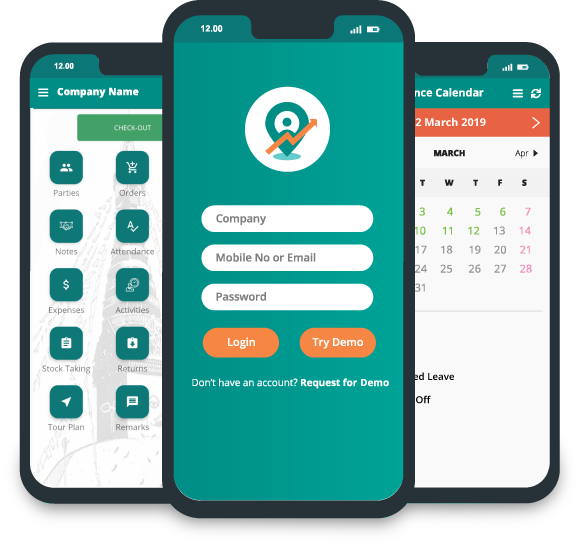
If you want to strengthen your field sales operations and gain better visibility into your sales team's activities, Delta Sales App can help. With features such as GPS tracking, outlet coverage, order capture, route planning, and real-time sales activity reports, you can simplify field sales management and make more informed decisions.
Ready to improve your HoReCa sales operations?
Book a demo with Delta Sales App today and discover how smarter field sales management can help your team improve productivity, strengthen customer relationships, and drive sustainable growth.
FAQs:
1. What is Horeca sales? Horeca sales refer to the distribution of products and services within the hospitality sector, which includes hotels, restaurants, and cafés. This market connects suppliers with hospitality businesses to ensure high-quality offerings.
2. How does influencer marketing work in Horeca? Influencer marketing in Horeca leverages social media personalities to engage audiences and promote products or services. By partnering with influencers, businesses enhance visibility, build trust, and attract new customers.
3. Why is sustainability important in Horeca? Sustainability is gaining traction in the Horeca industry as more businesses adopt eco-friendly practices like sourcing locally and reducing waste. This resonates with conscious consumers and helps improve brand reputation while benefiting the environment.
4. What role do HoReCa trade shows play? HoReCa trade shows provide businesses with opportunities to showcase products, engage with customers, and network with industry professionals. These events offer valuable insights into market trends and help build lasting connections.
5. How can businesses succeed in the Horeca industry? Success in the Horeca sector requires building strong relationships with suppliers and customers, staying adaptable to market trends, and focusing on excellent customer service. Implementing innovative technology and sustainability practices also contributes to growth.