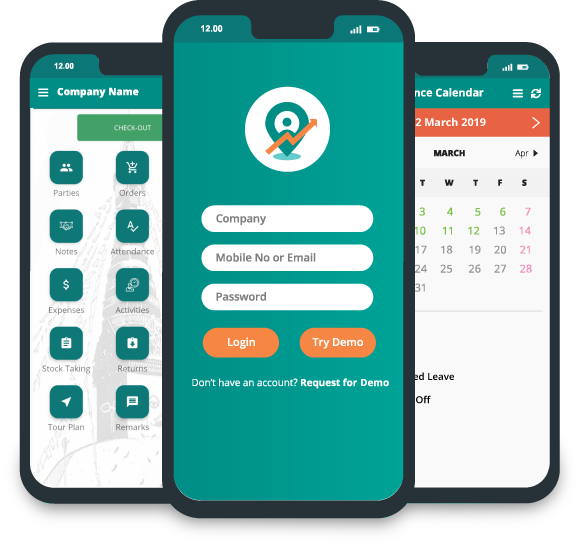

Field Sales Management
Field Sales Management is the process of planning, organizing, monitoring, and optimizing the activities of sales representatives who work outside the office and directly engage with customers, distributors, and retail outlets. It includes managing field visits, territory allocation, order collection, lead tracking, and performance monitoring to ensure structured and efficient on-ground sales execution.
Modern organizations rely heavily on field sales management software to digitize operations, improve visibility, and eliminate manual reporting errors.
Why Field Sales Management is Important
Field sales management is essential because most sales execution happens outside office control. Without structured management, field activities become inconsistent and difficult to measure.
-1782152342.png)
Key benefits include:
-
Better control over field team activities
-
Increased sales productivity and efficiency
-
Improved territory utilization and coverage
-
Real-time visibility into field operations
-
Faster execution of sales cycles and order processing
-
Stronger coordination between field teams, distributors, and managers
A strong field sales management system ensures that sales strategies are properly executed at the ground level.
Key Components of Field Sales Management
Field sales management is built on several operational pillars:
Territory Management:
Structuring markets into defined regions to balance workload and maximize coverage.
Beat Planning & Route Optimization:
Creating structured visit schedules and optimizing travel routes for efficiency.
Lead & Opportunity Management:
Tracking prospects from initial contact to final conversion.
Order Collection & Processing:
Capturing customer orders in real time through mobile or CRM systems.
Performance Monitoring:
Tracking KPIs like visits, conversions, revenue, and productivity.
GPS-Based Tracking:
Monitoring real-time movement of field executives for transparency and accountability.
How Field Sales Management Works
Field sales management operates through a structured cycle:
-
Sales managers assign territories and targets
-
Field executives receive daily or weekly visit plans
-
Customer and outlet visits are executed in the field
-
Orders, updates, and activities are recorded via mobile apps
-
Managers monitor performance using dashboards
-
Data insights are used to improve future planning
Advanced platforms like the Delta Sales App help automate field tracking, streamline reporting, and improve execution efficiency across large sales teams.
How to Improve Field Sales Management
Organizations can significantly improve field performance by adopting structured processes and technology:
-
Implementing mobile-based field reporting systems
-
Automating beat planning and route optimization
-
Using GPS tracking for real-time monitoring
-
Analyzing KPIs through centralized dashboards
-
Improving territory design based on sales data
-
Conducting regular training for field teams
Modern field sales management tools for FMCG companies help reduce inefficiencies and improve execution accuracy at scale.
Business Impact of Field Sales Management
Strong field sales management directly influences revenue growth and operational efficiency. It ensures that field execution aligns with business strategy and market demand.
Key impacts include:
-
Higher sales conversion and revenue growth
-
Improved market penetration and outlet coverage
-
Reduced operational and travel costs
-
Faster and more accurate decision-making
-
Better customer engagement and retention
-
Scalable and predictable sales operations
In competitive markets, effective field sales management systems play a critical role in maintaining consistent execution and long-term business growth.
Field sales management is not just operational tracking, it is a structured approach to improving execution discipline, enhancing productivity, and building a scalable sales ecosystem driven by data and real-time insights.
Want to improve your field sales operations and team productivity? Explore these in-depth resources to learn how field sales management software helps businesses streamline sales execution, optimize territories, and improve field team performance.