
Retail Visibility
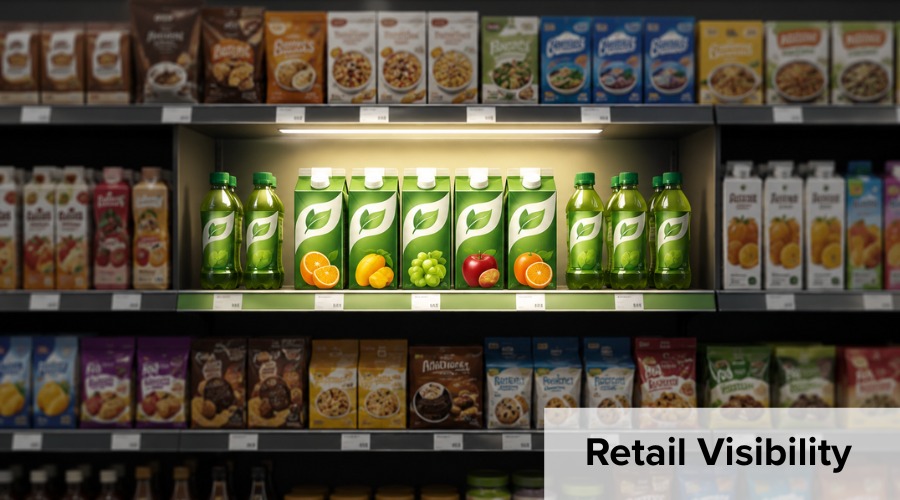
Retail visibility encompasses two core concepts: supply chain visibility (tracking products from factory to shelf) and in-store/brand visibility (how well products stand out to consumers at the point of purchase). Mastering both is essential for preventing stockouts, improving product availability, accelerating sales, and building long-term brand loyalty.
Strong retail visibility ensures that products are consistently available, properly displayed, and easily noticed by customers. It plays a key role in improving retail execution and in-store brand visibility strategy, helping businesses increase conversions, strengthen brand recall, and enhance shelf performance across retail outlets.
Why Retail Visibility is Important
Retail visibility directly impacts buying behavior because most purchase decisions happen inside the store. Better visibility increases product recognition, improves customer engagement, and drives impulse purchases.
Key benefits include:
-
Improved product awareness at the point of purchase
-
Increased sales and conversion rates
-
Stronger brand recall and recognition
-
Better execution of in-store promotions
-
Enhanced competitive advantage on retail shelves
-
Improved in-store marketing and retail execution performance
A strong retail visibility strategy ensures that products are not only available in stores but also prominently displayed and preferred over competitors.
Key Elements of Retail Visibility
Retail visibility is built through multiple supply chain and in-store components:
Shelf Placement:
Strategic placement of products at eye level or high-traffic zones to maximize customer attention.
Point-of-Sale (POS) Materials:
Banners, posters, danglers, and signage used to highlight products and promotional offers.
Planogram Compliance:
Ensuring products are displayed according to defined shelf layouts and brand merchandising guidelines.
Stock Availability:
Maintaining adequate inventory levels to avoid stockouts and missed sales opportunities.
Promotional Displays:
End caps, display racks, and seasonal setups that enhance product visibility and influence purchase decisions.
How to Improve Retail Visibility
Businesses can enhance retail visibility by focusing on an effective retail visibility optimization strategy for FMCG and consumer brands:
-
Ensuring proper shelf placement and product facing
-
Increasing in-store branding and POS material usage
-
Monitoring outlet-level execution on a regular basis
-
Training field sales teams for better merchandising standards
-
Using retail audit and tracking tools for compliance checks
-
Maintaining consistent stock availability across retail outlets
Technology-driven field sales and retail execution tools also help brands track store-level visibility in real time and identify gaps in execution.
Retail visibility is a critical driver of in-store sales performance that determines how effectively a product attracts customer attention at the point of purchase. Strong visibility across both supply chain and retail shelves improves product availability, enhances brand presence, boosts conversions, and strengthens overall retail execution and market performance optimization in distribution networks.