

Understanding Merchandising Philosophy: Key Principles and Best Practices

Merchandising is an essential component of every successful retail business strategy. It involves the planning, selection, presentation, and promotion of products to drive sales, improve customer experience, and enhance overall customer satisfaction. However, merchandising philosophy goes beyond simply displaying products on shelves or designing attractive store layouts. It is a strategic approach that reflects a company's values, business objectives, brand identity, and deep understanding of consumer behavior.
A well-defined merchandising philosophy helps retailers make informed decisions about product assortment, pricing strategy, visual merchandising, and inventory planning while creating a consistent and engaging shopping experience. By aligning merchandising efforts with customer expectations and market trends, businesses can build stronger customer relationships, increase sales, strengthen brand loyalty, and achieve long-term growth.
In this blog, we'll explore what merchandising philosophy is, its key principles, why it matters in modern retail, and how businesses can implement effective merchandising strategies to improve retail performance and stay competitive in today's dynamic marketplace.
What is Merchandising Philosophy?
Merchandising philosophy refers to the principles and strategies that guide how a retailer selects, presents, and promotes its products. This philosophy aligns with the retailer’s goals, values, and customer expectations. It includes decisions about product selection, pricing, store layout, customer service, and promotional activities, all with the aim of enhancing the customer’s shopping experience.
A strong merchandising philosophy also helps retailers create a consistent brand experience across all sales channels. By focusing on customer preferences, product assortment, visual merchandising, and inventory management, businesses can improve product visibility, optimize sales performance, and build long-term customer loyalty.
When your merchandising philosophy is clear and aligns with your business objectives, it can significantly influence your customer's journey and drive them toward a purchase. But how does it affect each step of the buying process?
Awareness: Introducing Your Brand to Potential Customers
The first step in any customer’s journey is awareness. This is when they first learn about your brand and products, whether through advertising, social media, word of mouth, or in-store displays.
Merchandising philosophy plays a pivotal role here. Your product selection, brand messaging, and store layout should create a memorable impression. Visual merchandising, such as window displays, signs, and even how products are displayed on shelves, is crucial in grabbing a customer's attention and making them aware of your offerings.
For example, companies like Apple use sleek and minimalist displays that catch the eye and reflect their brand’s values of elegance and simplicity. This makes customers aware of the brand in a way that speaks directly to their desire for premium, cutting-edge technology.
Interest: Engaging Your Audience with Appealing Displays and Offers
Once awareness is established, the next step in the customer journey is interest. This is where your merchandising philosophy truly shines, as it determines how you engage customers and make them want to explore your products further.
Effective merchandising grabs attention and sparks curiosity. You should aim to present products in a way that intrigues potential buyers, encouraging them to learn more. Factors such as store layout, product placement, and pricing influence customer interest.
For instance, retailers like Zara keep their stores organized with clear sections, making it easy for customers to navigate and find what interests them. Zara’s merchandising approach is heavily based on presenting new, trendy clothing in ways that encourage customers to browse longer and explore different sections of the store.
Consideration: Influencing Customers’ Decision-Making Process
Consideration is when customers start evaluating your products and weighing their options. During this stage, they begin comparing your offerings to those of your competitors. Merchandising philosophy plays a key role in keeping your brand in the customer's consideration set.
At this stage, it's crucial to showcase your products’ unique value propositions. Pricing strategies, product bundles, and in-store signage become important tools to differentiate your products. Creating an environment where the customer can interact with your products or visualize how they might fit into their life enhances this stage.
An example of effective consideration-focused merchandising is IKEA. The company designs showroom spaces to mimic real-life scenarios, such as a living room or kitchen, so that customers can imagine how the furniture will look in their homes. This helps customers in their decision-making process by providing context and building trust in the product.
Intention: Converting Interest into a Purchase Plan
When customers have developed interest and considered their options, they enter the intention phase. In this phase, your merchandising philosophy should aim to create an environment that nudges customers closer to making a decision to buy.
Effective pricing strategies, special promotions, and persuasive product placement can encourage customers to take the next step. Limited-time offers or “sale” signs near checkout areas, for instance, can trigger a sense of urgency. Special promotions like “buy one, get one free” or loyalty programs can turn an interested customer into a potential buyer.
For example, Amazon uses its merchandising philosophy effectively by showing customers similar or complementary products right on the product page. This encourages them to add more to their shopping cart, increasing their intention to purchase.
Action: Driving the Final Purchase Decision
Finally, we reach action, the stage where customers make their purchase. A well-executed merchandising philosophy should make this decision easy and seamless. Whether the transaction happens in-store or online, the buying process should be smooth and free from obstacles.
In a brick-and-mortar store, a clean layout, clear signage, and organized checkout areas contribute to a hassle-free purchasing experience. In an online store, easy navigation, a simple checkout process, and clear product descriptions are key to converting shoppers into buyers.
Loyalty programs or post-purchase follow-up (such as thank-you emails or personalized recommendations) can also influence action and encourage repeat purchases. This adds a layer of retention to your merchandising strategy.
Why Merchandising Philosophy Matters in Modern Retail
In today's competitive retail industry, a well-defined merchandising philosophy is essential for creating a consistent and engaging shopping experience. It helps retailers make informed decisions about product assortment, pricing strategy, visual merchandising, and store layout, ensuring every aspect of the business aligns with customer expectations and brand goals.
Modern retailers also rely on customer insights, retail analytics, and inventory management to optimize product placement and respond quickly to changing market trends. By combining a strong merchandising strategy with data-driven decision-making, businesses can improve customer satisfaction, increase sales, and strengthen brand loyalty.
As retail continues to evolve through omnichannel retail and digital transformation, a clear merchandising philosophy enables businesses to deliver seamless experiences across every sales channel while maintaining operational efficiency and long-term growth.
Key Elements of Merchandising Philosophy
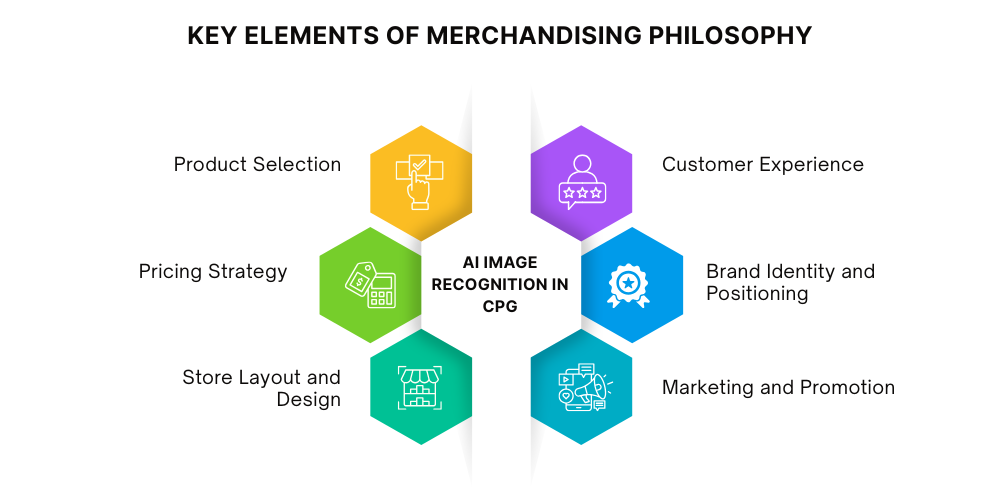
There are several core elements that comprise a merchandising philosophy. These elements help businesses define their brand identity and create a consistent experience for customers.
-
Product Selection
A crucial component of any merchandising philosophy is the selection of products that resonate with the target audience. The right product mix ensures that a retailer meets customer needs, preferences, and desires. This may involve choosing products based on quality, trendiness, value, or exclusivity. -
Pricing Strategy
Pricing plays a significant role in merchandising philosophy. A well-thought-out pricing strategy can make or break a business. Retailers need to strike a balance between competitive pricing and ensuring profitability. Price points should align with the perceived value of the products and the expectations of the target market. -
Store Layout and Design
The physical layout and design of a retail space directly influence the shopping experience. A clear and inviting store layout that guides customers through the store can increase foot traffic and sales. Store design also involves visual merchandising, product display techniques, and creating an atmosphere that complements the brand’s image. -
Customer Experience
An integral part of merchandising philosophy is the focus on customer experience. This includes the level of service provided, the in-store ambiance, and the ease of shopping. Businesses with a customer-centric merchandising philosophy prioritize creating an enjoyable and efficient shopping experience that builds customer loyalty. -
Brand Identity and Positioning
Your merchandising philosophy should align with your brand’s identity and positioning in the market. For example, a high-end luxury brand may have a different merchandising philosophy than a fast-fashion retailer. Both companies will have distinct approaches to product selection, store layout, and customer interaction based on their target market. -
Marketing and Promotion
Merchandising philosophy also encompasses the marketing and promotional strategies that drive product sales. This includes seasonal promotions, loyalty programs, influencer collaborations, and in-store displays designed to attract attention and drive impulse purchases.
Why is Merchandising Philosophy Important?
A strong merchandising philosophy provides several benefits to retailers. Below are some of the reasons why developing and adhering to a merchandising philosophy is crucial for success:
1. Creates a Strong Brand Identity
A well-defined merchandising philosophy helps retailers build a cohesive brand identity. When customers experience consistency in the products offered, the store environment, and the overall shopping experience, they can develop a stronger connection with the brand. This consistency fosters customer trust and loyalty, which ultimately leads to repeat business.
2. Enhances Customer Experience
Retailers who implement an effective merchandising philosophy prioritize customer experience. A positive shopping experience encourages customers to return to the store or website, increasing sales and boosting customer lifetime value. A customer-focused merchandising philosophy also leads to better customer satisfaction, which translates into positive word-of-mouth and referrals.
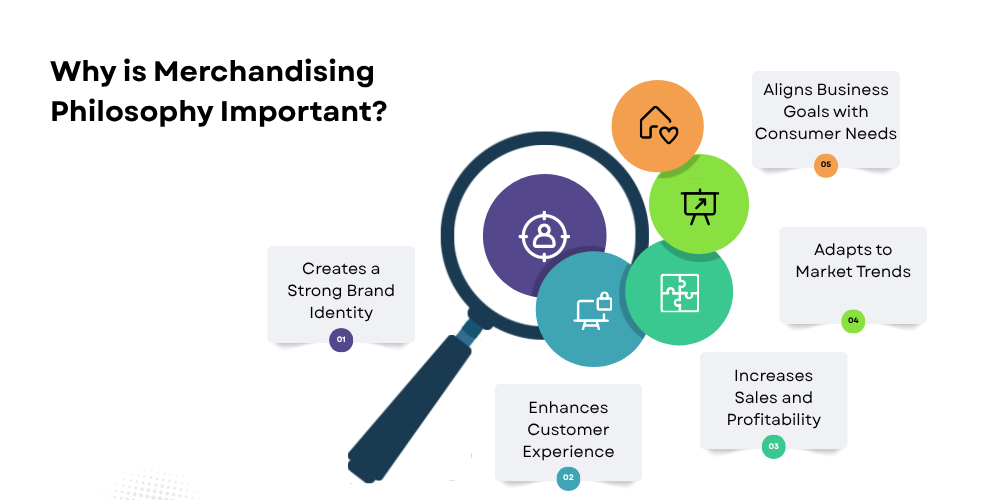
3. Increases Sales and Profitability
The right merchandising philosophy can drive sales and profitability by ensuring that the right products are offered to the right customers at the right price. Merchandising strategies that focus on customer preferences and optimize product placement are more likely to boost conversions and sales.
4. Adapts to Market Trends
Merchandising philosophy is flexible enough to evolve with changing market trends. Retailers that embrace market research and consumer insights can adapt their merchandising strategies to stay relevant. Whether it’s incorporating sustainable practices, embracing e-commerce, or adopting new product categories, a dynamic merchandising philosophy enables businesses to remain competitive.
5. Aligns Business Goals with Consumer Needs
A merchandising philosophy should be aligned with a retailer’s business goals. Whether the objective is to attract more customers, increase sales per square foot, or build brand awareness, a merchandising philosophy ensures that all aspects of the retail operation are working towards achieving these goals. When a company successfully aligns its merchandising efforts with consumer needs, it can see a significant boost in overall performance.
How Merchandising Philosophy Influences the Customer Journey
A strong merchandising philosophy shapes every stage of the customer journey, from attracting shoppers to encouraging repeat purchases. It ensures that the right products are displayed at the right place, priced competitively, and presented in a way that enhances the overall shopping experience.
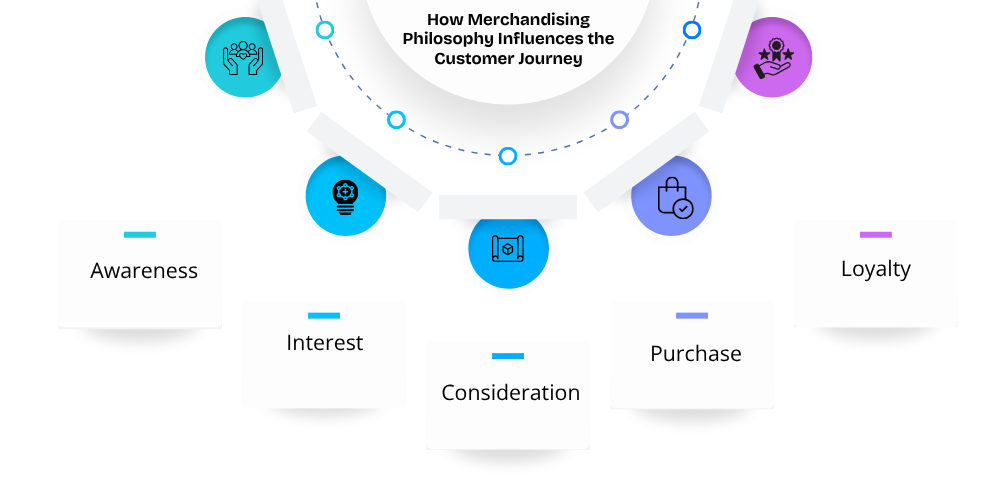
- Awareness: Attractive visual merchandising, store displays, and brand messaging capture customers' attention.
- Interest: Well-organized product assortment and strategic product placement encourage customers to explore more.
- Consideration: Clear pricing, product information, and promotions help shoppers compare options and make informed decisions.
- Purchase: An optimized store layout and smooth checkout process improve the buying experience and increase conversions.
- Loyalty: Consistent merchandising, quality products, and personalized experiences build customer satisfaction and encourage repeat business.
By aligning merchandising decisions with customer needs and consumer behavior, retailers can create memorable shopping experiences that drive higher sales, stronger brand loyalty, and long-term business growth.
How to Develop a Strong Merchandising Philosophy?
Developing a merchandising philosophy requires careful planning and a deep understanding of your target market, competitive landscape, and business objectives. Below are some steps to help guide you in developing your own merchandising philosophy:
1. Understand Your Target Market
To develop a merchandising philosophy that resonates with customers, you must first understand who they are. Conduct market research to identify customer preferences, buying behaviors, and lifestyle trends. This information will help you make informed decisions about product selection, pricing, store design, and promotional strategies.
2. Align with Brand Values and Vision
Your merchandising philosophy should reflect the values and vision of your brand. Whether your brand stands for sustainability, luxury, or convenience, your merchandising approach should communicate these values clearly to your customers. Every element of your merchandising strategy should reinforce your brand identity, from the products you choose to the way you present them.
3. Focus on Product Quality and Value
Customers are more likely to return to a store that offers high-quality products at a fair price. Focus on curating a product selection that delivers both value and quality to your target audience. Avoid sacrificing quality for cost-cutting purposes, as this can harm your brand reputation in the long term.
4. Create an Engaging Shopping Experience
The shopping experience is an essential aspect of your merchandising philosophy. Design store layouts that encourage customers to explore different areas of the store, create attractive product displays, and use in-store signage and lighting effectively. In the digital world, ensure your website is easy to navigate and offers a seamless online shopping experience.
5. Optimize Product Placement
Strategic product placement is key to maximizing sales. In brick-and-mortar stores, place popular or high-margin items at eye level to encourage impulse purchases. Use endcaps, aisles, and checkout areas strategically to highlight special promotions or new arrivals. In online stores, product recommendations and filters can help guide customers to their desired products.
6. Implement Effective Pricing Strategies
Pricing is one of the most important elements of merchandising philosophy. Research competitor prices, consider market demand, and assess the perceived value of your products to determine your pricing strategy. Offering a variety of price points for different customer segments can also help you cater to a broader audience.
7. Use Technology to Your Advantage
Technology plays an increasingly important role in merchandising. Use data analytics to track customer behavior, product performance, and sales trends. Digital merchandising tools can help streamline inventory management, optimize pricing, and improve overall operational efficiency.
Best Practices for Implementing a Successful Merchandising Philosophy
A successful merchandising philosophy goes beyond product displays, it creates a consistent shopping experience that aligns with customer expectations and business goals. By following proven merchandising strategies, retailers can improve product visibility, increase customer engagement, and maximize sales.
Best Practices to Follow
- Understand Your Target Audience: Analyze consumer behavior, buying patterns, and preferences to curate the right product assortment.
- Maintain Consistent Brand Positioning: Ensure your pricing, store layout, product displays, and messaging reflect your brand identity across all channels.
- Optimize Product Placement: Position high-demand and high-margin products in prominent locations to encourage impulse purchases and improve conversions.
- Use Visual Merchandising Effectively: Create attractive displays, signage, and promotional zones that capture attention and enhance the shopping experience.
- Leverage Customer Insights: Use retail analytics and sales data to understand product performance and refine your merchandising decisions.
- Monitor Inventory Regularly: Maintain optimal stock levels to prevent stockouts and excess inventory while improving inventory management.
- Adapt to Market Trends: Continuously update your merchandising strategy based on seasonal demand, customer preferences, and emerging retail trends.
Following these best practices helps retailers create memorable shopping experiences, strengthen brand loyalty, and drive long-term business growth.
Common Merchandising Mistakes to Avoid
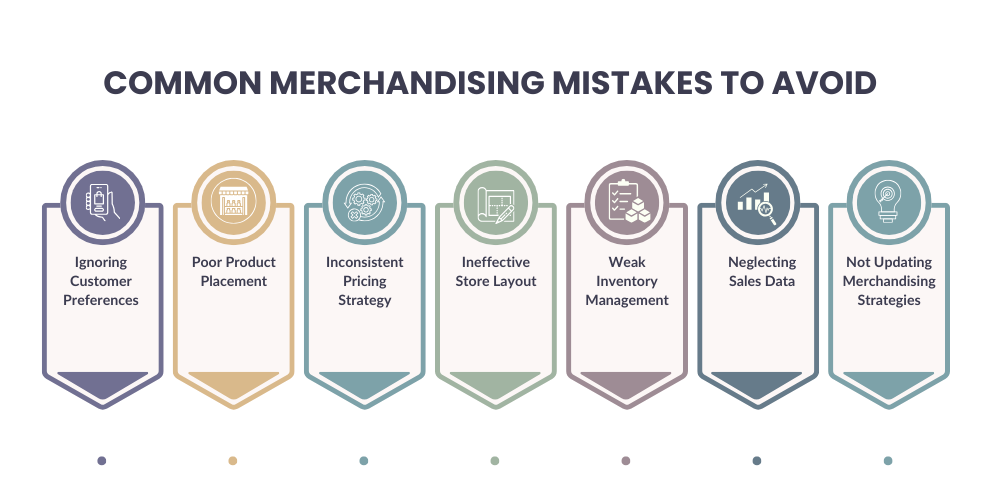
Even a strong merchandising philosophy can fail if common mistakes are overlooked. Identifying and correcting these issues helps retailers improve operational efficiency, customer satisfaction, and sales performance.
Common Mistakes
- Ignoring Customer Preferences: Failing to understand consumer behavior often leads to poor product selection and lower sales.
- Poor Product Placement: Displaying products in ineffective locations reduces visibility and limits purchase opportunities.
- Inconsistent Pricing Strategy: Frequent pricing inconsistencies can confuse customers and weaken brand trust.
- Ineffective Store Layout: A cluttered or poorly organized store makes navigation difficult and negatively impacts the shopping experience.
- Weak Inventory Management: Overstocking or stock shortages increase operational costs and affect customer satisfaction.
- Neglecting Sales Data: Making merchandising decisions without retail analytics or performance insights often results in missed opportunities.
- Not Updating Merchandising Strategies: Retail trends and customer expectations evolve continuously, making regular strategy updates essential.
Avoiding these mistakes enables businesses to improve product visibility, optimize inventory management, and build stronger customer relationships.
Role of Technology in Modern Merchandising
Technology has transformed modern retail merchandising by enabling businesses to make faster, data-driven decisions. Instead of relying on manual processes, retailers now use digital tools to improve inventory management, monitor product performance, and optimize the overall customer experience.
How Technology Supports Merchandising
- Retail Execution Software: Ensures merchandising standards are consistently followed across multiple stores and field teams.
- Inventory Management Systems: Provide real-time stock visibility, reducing stockouts and excess inventory.
- Sales Analytics: Help retailers identify top-performing products, customer buying patterns, and sales trends.
- Customer Insights: Analyze shopping behavior to personalize promotions and improve product assortment decisions.
- Planogram & Product Placement Tools: Optimize shelf space and improve product visibility to increase sales.
- Mobile Merchandising Apps: Enable field teams to update store information, capture shelf images, and report merchandising activities instantly.
- Automation & AI: Simplify repetitive tasks, improve demand forecasting, and support smarter merchandising decisions.
By integrating modern retail technology with a strong merchandising strategy, businesses can enhance visual merchandising, improve operational efficiency, increase customer satisfaction, and drive sustainable retail growth.
Examples of Successful Merchandising Philosophies
To better understand how merchandising philosophies can be implemented successfully, let’s look at a few examples from leading retailers:
1. Apple: Simplified and Premium
Apple’s merchandising philosophy is centered around creating a premium customer experience. The minimalist store design, with its sleek white walls and carefully arranged product displays, aligns with the company’s luxury branding. The store layout allows customers to interact with the products, and staff are trained to provide exceptional customer service. Apple focuses on high-quality, innovative products and an exclusive shopping experience that reinforces its brand values of simplicity and elegance.
2. IKEA: Affordable and Functional
IKEA’s merchandising philosophy is built around offering functional, stylish, and affordable home furnishings. The company’s stores are designed with a specific flow in mind, guiding customers through various showrooms to encourage purchases. Product displays are designed to highlight how items can be used in real-life settings, and IKEA’s pricing strategy focuses on value without sacrificing quality. The company also embraces sustainability, offering eco-friendly products in line with customer preferences.
3. Zara: Trend-Focused and Fast Fashion
Zara’s merchandising philosophy revolves around offering the latest fashion trends at affordable prices. The company has a fast inventory turnover, constantly introducing new styles to attract fashion-forward customers. Zara’s store layouts are designed to create an exciting and ever-changing shopping experience. The company’s pricing strategy ensures its products are accessible to a broad audience while maintaining a premium feel.

What Is a Merchandise Strategy?
A merchandise strategy is a structured plan that guides how retailers select, price, present, and promote products to meet customer needs and achieve business goals. It involves making informed decisions about product assortment, pricing, inventory levels, product placement, and promotional activities based on consumer preferences, market demand, and sales trends.
An effective merchandise strategy helps retailers ensure they offer the right products to the right customers at the right time and price. By understanding customer behavior and analyzing market trends, retailers can create a product mix that meets demand, improve inventory efficiency, and maximize sales opportunities.
An effective merchandise strategy typically includes:
-
Product Assortment: Selecting the right products, categories, and variations based on customer demand, market trends, and business objectives.
-
Pricing: Setting competitive prices that balance customer expectations, market conditions, and profitability.
-
Inventory Planning: Maintaining optimal stock levels to reduce stockouts, prevent excess inventory, and meet customer demand efficiently.
-
Product Placement: Positioning products strategically to improve visibility, attract customer attention, and encourage purchases.
-
Promotions: Using discounts, seasonal campaigns, product bundles, and other promotional activities to increase product visibility and drive sales.
-
Performance Analysis: Monitoring sales performance, inventory turnover, sell-through rates, and customer insights to evaluate results and improve merchandising decisions.
By implementing a well-planned merchandise strategy, retailers can improve product performance, enhance the customer shopping experience, increase sales, optimize inventory, and achieve sustainable business growth.
How to Measure the Success of Your Merchandising Strategy
Implementing a strong merchandising strategy is only the first step. To ensure it delivers the desired results, retailers should regularly measure its performance using key metrics and customer insights. Tracking the right retail KPIs helps identify what's working, uncover areas for improvement, and make data-driven merchandising decisions.
Key Metrics to Track
- Sales Performance: Monitor total sales, revenue growth, and sales per square foot to evaluate the effectiveness of your merchandising efforts.
- Product Sell-Through Rate: Measure how quickly products are sold within a specific period to assess the performance of your product assortment.
- Inventory Turnover: Track how efficiently inventory is sold and replenished to optimize inventory management and reduce carrying costs.
- Conversion Rate: Analyze the percentage of store visitors who make a purchase to understand how well your store layout and product placement influence buying decisions.
- Average Order Value (AOV): Measure how much customers spend per transaction to evaluate the impact of cross-selling, upselling, and promotional displays.
- Customer Satisfaction: Collect customer feedback, reviews, and survey responses to understand the overall shopping experience and identify improvement opportunities.
- Repeat Purchase Rate: Monitor returning customers to determine whether your merchandising strategy is building long-term brand loyalty.
Conclusion
Merchandising philosophy is a critical aspect of a retailer’s success. By developing a clear strategy that aligns with business goals, understands customer needs, and optimizes the shopping experience, businesses can create a powerful merchandising strategy that drives growth, enhances customer satisfaction, and builds long-term brand loyalty. Whether you’re a brick-and-mortar store or an online retailer, implementing a strong merchandising philosophy will help your business stand out in an increasingly competitive marketplace.
Ready to Elevate Your Merchandising Strategy?
Boost your retail performance with Delta Sales App. Streamline retail execution, optimize inventory management, improve product visibility, and empower your field sales team with real-time insights.
Book a free demo today and see how Delta Sales App can help you drive sales and deliver exceptional retail experiences.
Frequently Asked Questions (FAQs)
1. What is merchandising philosophy?
Merchandising philosophy is a strategic approach to selecting, presenting, and promoting products in a way that aligns with a brand's goals, enhances customer experience, and drives sales.
2. Why is merchandising philosophy important?
A strong merchandising philosophy helps retailers improve customer satisfaction, strengthen brand loyalty, optimize product placement, and increase sales.
3. What are the key elements of merchandising philosophy?
The key elements include product assortment, pricing strategy, visual merchandising, store layout, customer experience, and promotional activities.
4. How does merchandising philosophy influence the customer journey?
It improves every stage of the customer journey by enhancing product visibility, simplifying purchase decisions, and creating a consistent shopping experience.
5. How can I develop a successful merchandising philosophy?
Understand your target audience, align merchandising with your brand values, optimize product placement, use customer data, and regularly adapt to market trends.
6. What role does technology play in modern merchandising?
Technology such as retail execution software, inventory management systems, and sales analytics helps retailers improve merchandising execution, optimize inventory, and make data-driven decisions.
7. What are the common merchandising mistakes to avoid?
Common mistakes include poor product placement, inconsistent pricing, ineffective store layouts, ignoring customer behavior, and failing to analyze sales data.
8. How do you measure the success of a merchandising strategy?
Measure success using KPIs such as sales performance, inventory turnover, conversion rate, average order value, customer satisfaction, and repeat purchase rate.
9. Can e-commerce businesses apply a merchandising philosophy?
Yes. Online retailers can apply merchandising principles through product categorization, personalized recommendations, pricing strategies, and user-friendly website design.
10. How can Delta Sales App improve merchandising execution?
Delta Sales App helps businesses streamline retail execution, monitor product availability, track field sales activities, optimize inventory, and gain real-time sales insights to improve merchandising performance.
-1792906895-resized320.png)