
Consumer Management Checklist: Are You Missing These Essentials?
Did you know that retaining an existing customer costs significantly less than acquiring a new one? Yet many businesses lose repeat customers not because of their products or pricing, but because of poor consumer management. Missed follow-ups, scattered customer records, and manual processes often lead to lost sales opportunities and weaker customer relationships.
As your business grows, managing customer information, orders, payments, and interactions manually becomes increasingly challenging. Without a structured consumer management system, it is difficult to deliver consistent service, track customer history, or make informed sales decisions.
This is why effective consumer management is essential for every growing business. It helps you organize customer data, streamline communication, improve customer retention, and empower your sales team to work more efficiently.
In this blog, we'll cover the essential checklist of consumer management and how a modern sales automation solution can help you build stronger customer relationships and drive sustainable business growth.
What is Consumer Management?
Consumer management is the process of organizing, tracking, and managing every interaction a business has with its customers throughout their journey. This includes:
- Customer data management
- Order history tracking
- Communication records
- Payment tracking
- Feedback and issue resolution
In industries like FMCG, distribution, and field sales, effective consumer management directly impacts revenue, retention, and operational efficiency.
The goal of consumer management is not only to keep customer records organized but also to deliver a better customer experience while improving sales performance and customer retention. When businesses have complete visibility into their consumers, they can provide personalized service, identify new sales opportunities, and make faster, data-driven decisions.
For businesses with field sales teams, distributors, or multiple sales representatives, consumer management becomes even more important. A centralized system ensures that every customer interaction is recorded, every follow-up is completed on time, and every team member has access to up-to-date customer information, helping businesses improve efficiency and drive sustainable growth.
Why Consumer Management is Critical for Business Growth
Consumer management is more than maintaining a customer database. It helps businesses create a consistent and organized approach to managing customer relationships, sales activities, and after-sales service. When customer information is easily accessible and regularly updated, sales teams can respond faster, provide better service, and build stronger relationships. Without a structured consumer management process, businesses often face operational inefficiencies that slow growth and reduce customer satisfaction.
-
Missed Follow-Ups and Lost Leads
Following up at the right time is essential for converting prospects into customers and retaining existing ones. Without a proper consumer management system, follow-up reminders can be missed, causing businesses to lose potential sales and valuable customer relationships.
-
Duplicate or Outdated Customer Records
Maintaining customer information across multiple spreadsheets or manual records often leads to duplicate entries and outdated data. This creates confusion for sales teams, affects communication, and makes it difficult to understand each customer's complete purchase history.
-
Poor Sales Forecasting
Accurate sales forecasting depends on reliable customer and sales data. When consumer information is incomplete or scattered across different sources, businesses struggle to predict demand, plan inventory, and set realistic sales targets.
-
Inefficient Field Team Coordination
Without centralized customer information, field sales representatives may visit the same customer multiple times, miss scheduled visits, or lack important customer details before meetings. This reduces productivity and impacts the overall customer experience.
-
Low Customer Retention Rates
Customers are more likely to stay loyal when they receive timely follow-ups, personalized service, and quick issue resolution. Poor consumer management often results in inconsistent communication and delayed responses, making it easier for customers to switch to competitors.
A well-structured consumer management system addresses these challenges by providing complete visibility into customer interactions, improving team collaboration, and enabling faster, data-driven decision-making throughout the sales cycle.
Consumer Management Checklist: Essentials You Should Not Miss
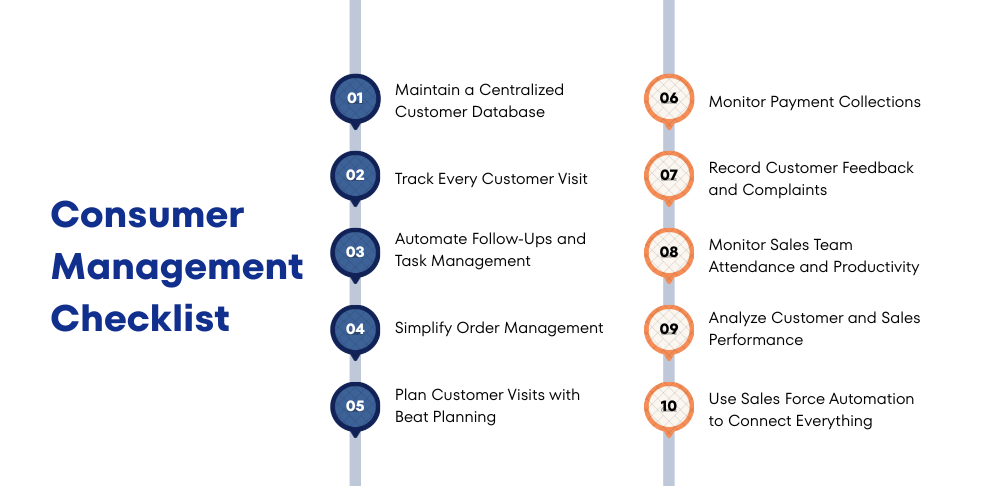
An effective consumer management strategy goes beyond simply maintaining customer records. It involves creating a streamlined process that helps your sales team manage customer interactions, track field activities, monitor orders, and build lasting relationships. If your business is looking to improve customer satisfaction and increase sales productivity, make sure these essential elements are part of your consumer management process.
-
Maintain a Centralized Customer Database
Customer information should be stored in a centralized CRM instead of scattered across spreadsheets, notebooks, or messaging apps. A single database gives your sales team instant access to customer profiles, contact details, purchase history, and previous interactions, ensuring everyone works with accurate and up-to-date information.
-
Track Every Customer Visit
Knowing when sales representatives visit customers is essential for accountability and better relationship management. A field employee tracking system combined with customer visit tracking helps managers monitor field activities, verify completed visits, and ensure no customer is overlooked.
-
Automate Follow-Ups and Task Management
Following up consistently is one of the biggest factors in customer retention. Instead of relying on manual reminders, businesses should automate follow-ups and assign customer-related tasks to sales representatives, ensuring every lead, inquiry, or service request receives timely attention.
-
Simplify Order Management
An efficient order management process allows sales teams to capture customer orders instantly while visiting the field. Digital order management minimizes manual errors, speeds up order processing, and provides customers with a smoother buying experience.
-
Plan Customer Visits with Beat Planning
An organized beat plan helps sales representatives visit the right customers at the right time while reducing unnecessary travel. Proper route planning improves daily productivity, increases customer coverage, and ensures regular engagement with existing consumers.

-
Monitor Payment Collections
Keeping track of pending payments is an important part of consumer management. Recording collections in real time helps businesses maintain healthy cash flow, reduce outstanding dues, and provide customers with accurate payment records.
-
Record Customer Feedback and Complaints
Customer feedback provides valuable insights into service quality and product performance. Maintaining a structured record of complaints and feedback helps businesses resolve issues quickly, improve customer satisfaction, and identify recurring problems before they affect customer loyalty.
-
Monitor Sales Team Attendance and Productivity
Consumer management also depends on an efficient field sales team. Attendance management, employee location tracking, and daily activity monitoring help managers understand team productivity while ensuring customer visits are completed as planned.
-
Analyze Customer and Sales Performance
Data-driven decisions lead to better business outcomes. Sales reports and analytics help managers identify purchasing trends, monitor customer performance, evaluate sales representative productivity, and make informed decisions to improve overall business growth.
-
Use Sales Force Automation to Connect Everything
The most effective consumer management systems combine CRM, customer management, order management, beat planning, employee tracking, attendance management, payment collection, reporting, and analytics into a single Salesforce Automation (SFA) platform. This eliminates manual work, improves team collaboration, and gives businesses complete visibility into their customer relationships.
Key Benefits of Strong Consumer Management with Automation
An effective consumer management strategy becomes even more powerful when supported by a sales force automation solution. By automating routine tasks and centralizing customer information, businesses can improve operational efficiency, strengthen customer relationships, and empower their sales teams to perform better. Here are some of the biggest benefits of automating consumer management.
-
Improved Customer Retention
When customer information, purchase history, and follow-up schedules are managed in one place, businesses can provide timely support and personalized service. Consistent communication and faster issue resolution help build trust, increase customer satisfaction, and encourage repeat business.
-
Faster Order Processing
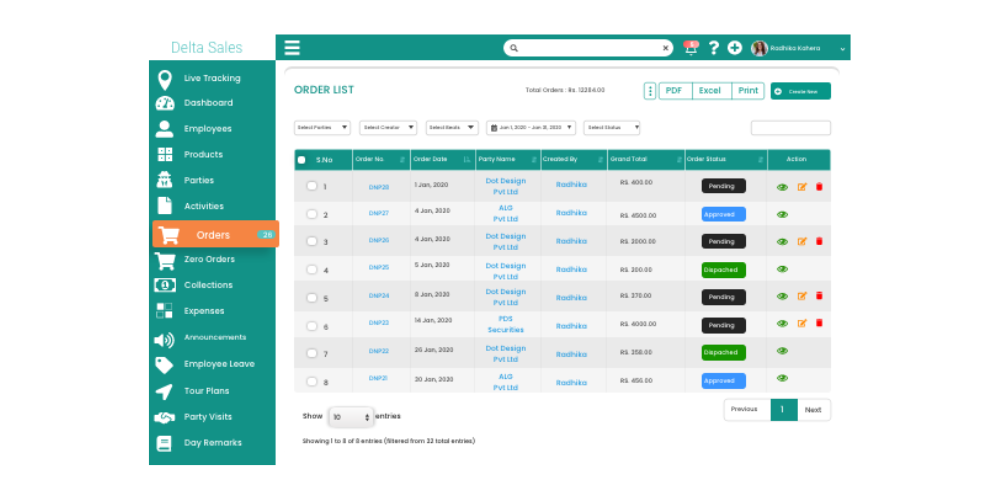
Digital order management enables sales representatives to capture customer orders instantly during field visits. Orders are processed more quickly, manual errors are reduced, and customers receive a smoother purchasing experience, leading to improved operational efficiency.
-
Reduced Operational Costs
Replacing manual processes with digital workflows reduces paperwork, minimizes duplicate work, and lowers administrative expenses. Better route planning, automated reporting, and optimized field operations also help reduce travel costs and improve overall resource utilization.
-
Higher Revenue Predictability
With access to real-time customer data, sales reports, and analytics, businesses can forecast demand more accurately and identify sales opportunities earlier. Reliable insights enable managers to make informed decisions that contribute to consistent revenue growth.
-
Stronger Customer Relationships
A centralized CRM allows businesses to maintain complete records of every customer interaction, including orders, payments, feedback, and service requests. This enables sales teams to deliver a more personalized experience, respond quickly to customer needs, and build long-term relationships that drive sustainable business growth.
-
Better Sales Team Productivity
Automation eliminates time-consuming administrative tasks such as manual reporting, data entry, and paperwork. Features like beat planning, employee tracking, task management, and automated reporting allow sales representatives to spend more time engaging with customers and generating sales.
How a Sales App Transforms Consumer Management
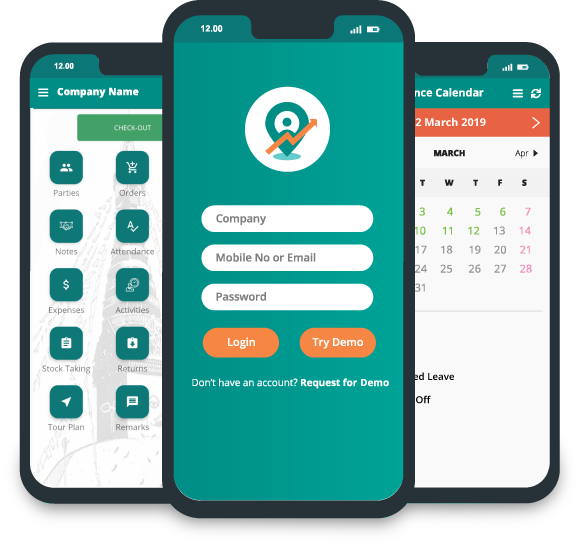
Managing consumers manually becomes increasingly difficult as your customer base grows. Sales teams often struggle with scattered customer information, delayed follow-ups, manual reporting, and limited visibility into field activities. A modern Sales Force Automation (SFA) solution like Delta Sales App brings all customer-related operations into a single platform, helping businesses streamline consumer management, improve sales efficiency, and build stronger customer relationships.
Here's how a sales app transforms the entire consumer management process.
-
Centralized CRM and Customer Management
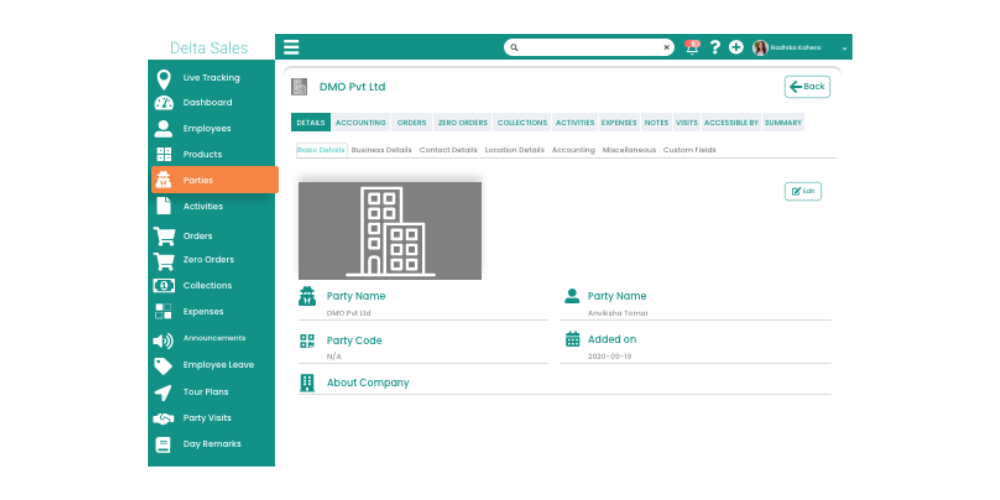
A sales app stores all customer information in one centralized CRM, including contact details, purchase history, previous orders, payment records, and interaction history. With complete customer data readily available, sales representatives can provide personalized service, while managers gain better visibility into customer relationships and sales opportunities.
-
Real-Time Field Employee Tracking
Knowing where your field sales team is and which customers they have visited is essential for effective consumer management. With GPS-based employee location tracking and customer visit monitoring, managers can verify field activities, optimize sales routes, improve accountability, and ensure every planned customer visit is completed.
-
Faster and Error-Free Order Management
Instead of collecting orders manually and entering them later, sales representatives can create orders directly through the mobile app while meeting customers. Real-time order management reduces paperwork, minimizes human errors, speeds up order processing, and improves the overall customer buying experience.
-
Automated Follow-Ups and Task Management
Timely follow-ups are key to building long-term customer relationships. A sales app automatically schedules reminders, assigns tasks, and helps sales representatives track pending customer activities. This ensures that no lead, inquiry, service request, or repeat order opportunity is missed.
-
Digital Payment and Collection Tracking
Managing outstanding payments manually can lead to delays and inaccurate records. A sales app allows field teams to update payment collections instantly, giving managers real-time visibility into outstanding invoices, payment status, and customer balances while improving overall cash flow management.
-
Smart Reporting and Sales Analytics
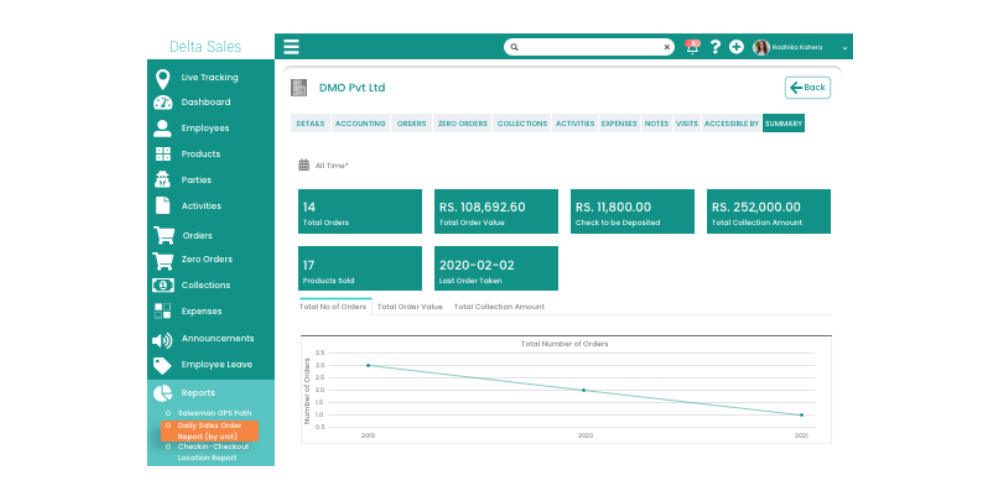
Manual reports consume valuable selling time and often contain incomplete information. A sales app automatically generates daily sales reports, customer visit reports, attendance reports, and sales analytics dashboards. These real-time insights help managers evaluate team performance, monitor customer activity, and make informed business decisions.
-
Offline Access for Uninterrupted Field Operations
Field sales representatives often work in locations with limited internet connectivity. Offline access allows them to record customer visits, capture orders, update collections, and manage customer information without an internet connection. Once connectivity is restored, all data is automatically synchronized, ensuring uninterrupted field operations.
-
Complete Sales Force Automation
Instead of managing multiple tools for CRM, customer management, order management, beat planning, attendance, expense reporting, payment collection, and reporting, a sales app brings everything together on one platform. This integrated approach improves collaboration between sales teams and managers, eliminates manual processes, and creates a seamless consumer management system that supports long-term business growth.
Conclusion
Effective consumer management is no longer just about maintaining customer records. It is about creating a connected, data-driven process that helps your business understand customers, strengthen relationships, improve field sales performance, and drive consistent growth. As your customer base expands, relying on manual methods becomes inefficient and increases the risk of missed opportunities.
By implementing a modern Sales Force Automation (SFA) solution, businesses can centralize customer data, automate follow-ups, streamline order management, track field activities, and gain real-time insights that lead to smarter decisions and better customer experiences.
If you're ready to simplify consumer management and empower your sales team with powerful automation tools, Delta Sales App can help. From CRM and customer management to order management, employee tracking, payment collection, reporting, and sales analytics, it provides everything you need to manage your customers more efficiently from a single platform.
Book a free demo today and discover how DeltaSalesApp can help you improve customer relationships, boost sales productivity, and accelerate your business growth.