
Field Sales Automation: A Game Changer for Distribution Businesses
-1786883356.png)
The distribution industry plays a crucial role in the supply chain, bridging the gap between manufacturers and end consumers. Distributors manage the logistics of getting products from producers to retailers or directly to customers, ensuring that goods are available when and where they are needed. However, this industry faces numerous challenges that can hinder efficiency and customer satisfaction. Field sales automation, particularly through tools like Delta Sales App, has emerged as a transformative solution for distributors looking to streamline operations and improve service delivery.
What is Field Sales Automation?
Field Sales Automation is the process of using digital tools and software to automate, manage, and optimize the daily activities of field sales representatives. It replaces manual processes such as order collection, visit reporting, attendance tracking, and sales reporting with a centralized digital platform, enabling businesses to improve productivity, accuracy, and operational efficiency.
A modern Sales Force Automation (SFA) solution allows businesses to automate sales workflows, monitor field activities in real time, optimize customer visits, and provide managers with complete visibility into sales operations. By integrating features such as GPS tracking, route optimization, order management, customer visit tracking, sales reporting, and inventory management, businesses can streamline their distribution processes and make faster, data-driven decisions.
Key Functions of Field Sales Automation
-1786944800.png)
-
Automates Daily Sales Activities: Simplifies routine tasks such as order management, attendance, visit reporting, and expense tracking, allowing sales representatives to focus on selling.
-
Improves Field Team Visibility: Enables managers to monitor salesperson locations through GPS tracking, verify customer visits, and evaluate field performance in real time.
-
Optimizes Sales Routes: Uses intelligent route optimization and beat planning to reduce travel time, increase productive visits, and lower operational costs.
-
Strengthens Customer Relationships: Maintains complete customer information and customer visit tracking history to deliver personalized service and improve customer satisfaction.
-
Provides Real-Time Reporting: Generates automated sales reporting and dashboards, helping businesses analyze sales trends, monitor KPIs, and make informed decisions.
By implementing Field Sales Automation, distribution businesses can improve operational efficiency, reduce manual errors, enhance collaboration between field teams and managers, and create a more agile and scalable sales process.
Why Field Sales Automation Matters for Distribution Businesses
The distribution industry operates in a fast-paced environment where timely deliveries, accurate order processing, and efficient field sales operations directly impact business growth. As distribution networks expand, managing sales representatives, distributors, retailers, and inventory through manual processes becomes increasingly complex. Field Sales Automation helps distribution businesses digitize their sales operations, improve team productivity, and gain complete visibility into field activities.
Modern distributors need more than just order collection—they require real-time access to sales data, customer information, inventory status, and salesperson performance. A reliable Field Sales Automation Software enables businesses to automate routine tasks, eliminate paperwork, and ensure that sales teams spend more time selling rather than handling administrative work.
With features such as GPS tracking, customer visit tracking, order management, route optimization, and automated sales reporting, businesses can monitor every stage of the sales process from a single platform. Managers gain real-time insights into field operations, while sales representatives can efficiently manage customer visits, capture orders, and access important customer information directly from their mobile devices.
Why Distribution Businesses Need Field Sales Automation
-
Increases Field Sales Productivity: Automates repetitive administrative tasks, allowing sales representatives to spend more time meeting customers and generating sales.
-
Streamlines Order Management: Enables digital order collection from retailers, reducing manual errors and accelerating the order fulfillment process.
-
Improves Customer Visit Tracking: Records every customer visit, ensuring better outlet coverage, timely follow-ups, and stronger retailer relationships.
-
Provides Real-Time Sales Visibility: Offers live sales reporting and performance dashboards, helping managers monitor field activities and make informed decisions.
-
Optimizes Routes and Territories: Uses intelligent route optimization to reduce travel time, improve territory coverage, and maximize productive sales visits.
-
Enhances Inventory Management: Provides real-time stock visibility, helping distributors prevent stock shortages, excess inventory, and missed sales opportunities.
-
Strengthens Distribution Management: Improves coordination between distributors, managers, and field sales teams through centralized data and seamless communication.
-
Supports Data-Driven Growth: Leverages sales analytics and performance insights to identify opportunities, improve forecasting, and drive sustainable business growth.
As customer expectations continue to rise, Field Sales Automation has become a necessity rather than a luxury. By adopting the right field sales management solution, distribution businesses can improve operational efficiency, increase sales performance, strengthen customer relationships, and stay ahead in an increasingly competitive market.
Understanding the Distribution Business
Distribution businesses encompass a wide range of activities, including procurement, inventory management, order fulfillment, and logistics. They serve various sectors, from food and beverage to electronics and pharmaceuticals. The primary functions of a distributor include:
-
Sourcing Products: Distributors purchase goods from manufacturers in bulk, often negotiating favorable terms.
-
Warehousing: They store products in warehouses until they are needed by retailers or customers.
-
Order Fulfillment: Distributors process orders from retailers or direct consumers, preparing products for shipment.
-
Logistics Management: They coordinate the transportation of goods to ensure timely delivery.
Despite their critical role, distributors face several challenges that can impact their effectiveness:
Challenges Faced by Distributors
-
Inefficient Order Management
Distributors often struggle with managing orders efficiently due to inconsistent supplier communication and manual tracking processes. This can lead to delays, errors, and customer dissatisfaction. -
Inventory Management Issues
Maintaining optimal inventory levels is challenging. Excess inventory ties up capital and incurs storage costs, while stockouts can result in lost sales and damaged customer relationships. -
Supply Chain Disruptions
Global events, like geopolitical tensions or pandemics, can disrupt supply chains, making it difficult for distributors to maintain consistent product availability. -
E-commerce Competition
The rise of e-commerce has intensified competition. Distributors must adapt to meet the expectations of customers who demand fast delivery and seamless online purchasing experiences. -
Manual Processes
Many distributors still rely on manual processes for order processing and inventory management, which can lead to human errors and slow response times.
Benefits of Using Field Sales Automation in Distribution Industry
The distribution industry depends on speed, accuracy, and efficient coordination between manufacturers, distributors, retailers, and field sales representatives. Implementing Field Sales Automation helps businesses digitize their sales processes, eliminate manual tasks, and improve overall operational efficiency. With a robust Field Sales Automation Software, distribution businesses can enhance sales productivity, improve customer service, and make data-driven decisions that support long-term growth.
Increased Sales Productivity
Field Sales Automation reduces repetitive administrative work by automating tasks such as order management, attendance tracking, and sales reporting. This allows sales representatives to spend more time meeting customers, building relationships, and generating new sales opportunities.
Faster and Accurate Order Processing
Digital order management enables field sales representatives to capture customer orders directly from their mobile devices. This minimizes manual errors, speeds up order fulfillment, and improves the overall customer experience.
Better Customer Relationship Management
With integrated customer visit tracking and customer purchase history, sales representatives can provide personalized service, conduct timely follow-ups, and strengthen long-term relationships with retailers and distributors.
Improved Sales Visibility
Real-time sales reporting and dashboards provide managers with complete visibility into field activities, sales performance, and customer interactions, enabling faster and more informed business decisions.
Optimized Route Planning
Using intelligent route optimization, businesses can reduce travel time, lower transportation costs, and increase the number of productive customer visits completed each day.
Enhanced Inventory Management
Real-time inventory management helps distributors monitor stock availability, prevent stockouts, reduce excess inventory, and ensure products remain available across all sales channels.
Better Decision-Making with Analytics
Advanced sales analytics provide valuable insights into sales trends, customer demand, and team performance, helping businesses optimize sales strategies and improve forecasting accuracy.
Essential Features of Field Sales Automation Software
Choosing the right Field Sales Automation Software is essential for improving sales efficiency, increasing field team productivity, and managing distribution operations effectively. Modern automation solutions combine multiple tools into a single platform, enabling businesses to streamline daily sales activities and improve overall business performance.
GPS Tracking
Real-time GPS tracking enables managers to monitor salesperson locations, verify customer visits, improve accountability, and ensure efficient territory coverage.
Digital Order Management
A centralized order management system allows sales representatives to capture orders instantly, reducing paperwork, minimizing errors, and accelerating order processing.
Customer Visit Tracking
Built-in customer visit tracking records retailer visits, meeting outcomes, and follow-up schedules, helping businesses improve outlet coverage and customer engagement.
Route Optimization
Intelligent route optimization suggests the most efficient travel routes, reducing travel expenses while increasing the number of productive customer visits.
Retailer and Distributor Management
Maintain complete records of retailers and distributors, including contact details, purchase history, outstanding payments, and sales performance from a centralized dashboard.
Inventory Management
Integrated inventory management provides real-time stock visibility, helping businesses monitor product availability and prevent stock shortages or overstock situations.
Sales Reporting and Dashboards
Automated reports and analytics generates detailed reports and interactive dashboards that help managers monitor sales performance, field activities, and business KPIs in real time.
Sales Analytics
Advanced sales analytics transform business data into actionable insights, enabling companies to identify sales opportunities, forecast demand, and optimize distribution strategies.
How Automation Software Works in Distribution Businesses
Field Sales Automation Software connects field sales representatives, distributors, retailers, and managers through a single digital platform, ensuring seamless communication and real-time information sharing. Instead of relying on manual reporting and paper-based processes, every sales activity is recorded instantly, allowing businesses to improve operational efficiency and make faster decisions.
Every customer order is automatically synchronized with the central system through order management, allowing distributors or warehouses to begin processing orders immediately. At the same time, inventory management updates stock levels, helping businesses maintain product availability and avoid stockouts.
Managers can monitor sales activities through GPS tracking, verify customer visits, analyze sales reporting, and review sales analytics from real-time dashboards. These insights help optimize sales territories, improve field productivity, identify high-performing representatives, and make data-driven business decisions.
-1786944804.png)
Typical Field Sales Automation Workflow
-
Managers assign territories, routes, and customer lists to field sales representatives.
-
Sales representatives visit retailers using optimized routes and complete customer visit tracking.
-
Customer orders are captured digitally through the order management system.
-
Order details are instantly shared with distributors or warehouses for processing.
-
Inventory management updates product availability in real time.
-
Managers monitor activities through GPS tracking, automated sales reporting, and performance dashboards.
-
Sales analytics provide valuable insights that help improve sales strategies, distributor performance, and overall distribution efficiency.
By automating every stage of the sales cycle, Field Sales Automation enables distribution businesses to improve productivity, reduce operational costs, increase sales visibility, and deliver faster, more reliable customer service.
How Delta Sales App Transforms Distribution Operations?
Delta Sales App addresses these challenges head-on by automating key aspects of field sales and distribution management:
-
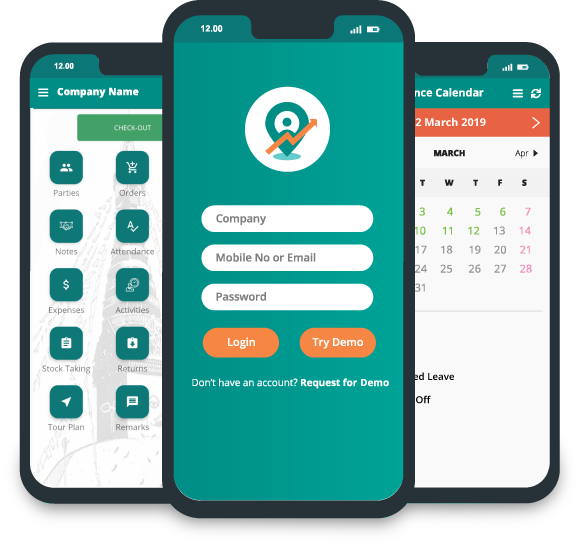
Streamlined Order Processing: The app allows sales representatives to enter orders directly from the field using mobile devices. This reduces processing time and minimizes errors associated with manual data entry.
-
Real-Time Inventory Tracking: Delta Sales App provides real-time visibility into inventory levels, enabling distributors to manage stock more effectively and avoid both overstocking and stockouts.
-
Enhanced Communication: The app facilitates better communication between field teams and management, ensuring everyone has access to up-to-date information regarding orders and inventory.
-
Data-Driven Insights: With advanced reporting features, distributors can analyze sales performance metrics to identify trends, optimize routes for deliveries, and make informed decisions about inventory purchases.
-
Improved Customer Experience: By providing sales reps with instant access to customer data and order history, Delta Sales App enables personalized service that enhances customer satisfaction.
Best Practices for Implementing Field Sales Automation
Successfully implementing Field Sales Automation requires the right strategy, technology, and team adoption. Following best practices helps businesses maximize the benefits of Field Sales Automation Software, improve sales efficiency, and ensure a smooth digital transformation.
Set Clear Business Goals
Define measurable objectives such as improving field sales productivity, increasing outlet coverage, reducing order processing time, or enhancing customer satisfaction before implementation.
Choose the Right Field Sales Automation Software
Select a solution that offers essential features like GPS tracking, order management, customer visit tracking, sales reporting, inventory management, and sales analytics to support your distribution operations.
Train Your Sales Team
Provide proper training so field sales representatives can confidently use the software, adopt digital workflows, and maximize productivity from day one.
Automate Routine Sales Processes
Digitize repetitive tasks such as order collection, attendance, expense reporting, and visit tracking to reduce manual work and improve operational efficiency.
Monitor Performance with Real-Time Reports
Use automated sales reporting and dashboards to track KPIs, monitor team performance, identify improvement areas, and make data-driven decisions.
Continuously Optimize Sales Operations
Regularly analyze sales analytics, customer feedback, and field performance to refine sales strategies, optimize territories, and improve overall distribution efficiency.
Future of Field Sales Automation in Distribution
As digital transformation accelerates, Field Sales Automation will continue to play a vital role in helping distribution businesses become more efficient, data-driven, and customer-focused. Emerging technologies will further enhance sales operations and improve decision-making across the distribution network.
Artificial Intelligence (AI)
AI-powered sales analytics will help businesses predict customer demand, identify sales opportunities, and improve forecasting accuracy.
Smarter Route Optimization
Advanced route optimization will use real-time traffic and location data to reduce travel time, improve outlet coverage, and increase daily sales visits.

Predictive Sales Reporting
Future sales reporting tools will provide predictive insights, enabling managers to make proactive business decisions based on market trends and historical sales data.
Mobile-First Sales Operations
Modern Field Sales Automation Software will continue to enhance mobile capabilities, allowing field sales teams to manage orders, customer visits, and reporting anytime and anywhere.
Greater Integration Across Business Systems
Future solutions will seamlessly integrate with ERP, accounting, inventory management, and CRM platforms, creating a connected ecosystem for faster workflows and better business visibility.
By adopting the latest Field Sales Automation technologies, distribution businesses can improve operational efficiency, enhance customer relationships, increase sales productivity, and stay competitive in an evolving marketplace.
Conclusion
As distribution businesses continue to evolve, adopting Field Sales Automation is no longer optional—it's a competitive necessity. The right Field Sales Automation Software empowers businesses to improve sales efficiency, gain real-time visibility into field operations, and deliver exceptional customer experiences while driving sustainable growth.
Take your distribution business to the next level with Delta Sales App.
Book a free demo today to explore how our field sales management solution can simplify order collection, automate sales reporting, optimize routes, and help your team achieve better results.
FAQs
1. What is Delta Sales App?
Delta Sales App is a field sales automation software designed specifically for distribution businesses to streamline their sales processes and enhance team productivity.
2. How does Delta Sales App help with inventory management?
The app provides real-time visibility into inventory levels, helping distributors manage stock more effectively and avoid issues like overstocking or stockouts.
3. Can Delta Sales App integrate with existing systems?
Yes, Delta Sales App can be integrated with various CRM systems and other business tools to create a seamless workflow for distributors.
4. What are the benefits of using Delta Sales App for order processing?
The app allows sales reps to process orders directly from the field, reducing errors associated with manual entry and speeding up order fulfillment times.
5. How does Delta Sales App enhance customer service?
By providing instant access to customer data and order history, the app enables sales representatives to offer personalized service that meets customer needs more effectively.
Incorporating field sales automation through tools like Delta Sales App is essential for distribution businesses aiming to thrive in today's competitive landscape. By modernizing operations and improving efficiency, distributors can better serve their customers while positioning themselves for future growth.