
The Complete Guide to In-Store Promoter Management: Tracking, Attendance and Retail Execution in 2026
Retail in 2026 is no longer just about product availability, it’s about execution excellence at the point of sale (POS). Despite the rapid growth of eCommerce, a significant percentage of purchase decisions still happen inside physical stores.
Industry Insight: Brands lose 10-25% of potential retail revenue due to poor in-store execution caused by fake attendance, missed store visits, poor shelf visibility, and untracked promoter activity.
At the center of this moment of truth is the in-store promoter (ISP), a frontline representative responsible for influencing customer decisions, ensuring product visibility, and driving conversions.
However, managing promoters across hundreds or thousands of outlets is complex. Without visibility, accountability, and structured systems, execution gaps emerge, and revenue suffers.
Who This Guide Is For
-
FMCG brand managers
-
Trade marketing heads
-
Modern trade teams
-
Beauty & cosmetics brands
- Consumer electronics and telecom brands
What Is In-Store Promoter Management?
In-store promoter management refers to the process of planning, tracking, monitoring, and optimizing the performance of promoters deployed inside retail outlets. It ensures that every promoter contributes effectively to customer engagement, product visibility, and sales conversion at the point of sale.
Who is an In-Store Promoter (ISP)?
An in-store promoter (ISP) is a brand representative positioned inside retail outlets to influence buying decisions at the shelf.
Unlike field sales representatives who operate across territories, promoters work within the store environment, directly interacting with customers during the final and most critical stage of the buying journey.
They play a crucial role in converting footfall into actual sales by guiding customers, answering questions, and reinforcing brand presence at the shelf.
Daily Responsibilities of Promoters
Promoters are responsible for a wide range of activities that directly impact retail performance. Their day-to-day tasks typically include:
-
Engaging with walk-in customers
-
Demonstrating products and explaining features
-
Recommending SKUs based on customer needs
-
Communicating ongoing offers, discounts, and schemes
-
Maintaining shelf visibility and ensuring stock availability
-
Tracking competitor activity within the store
-
Capturing store-level insights and reporting back to the brand
Because of this diverse role, promoters function as:
-
Sales drivers
-
Brand representatives
- Retail execution agents
Promoter vs Merchandiser vs Brand Ambassador
Understanding the distinction between these roles is critical for effective retail execution:
-
Promoter → Focus on sales and customer interaction
-
Merchandiser → Focus on stocking, shelf placement, and display
-
Brand Ambassador → Focus on brand awareness and customer experience
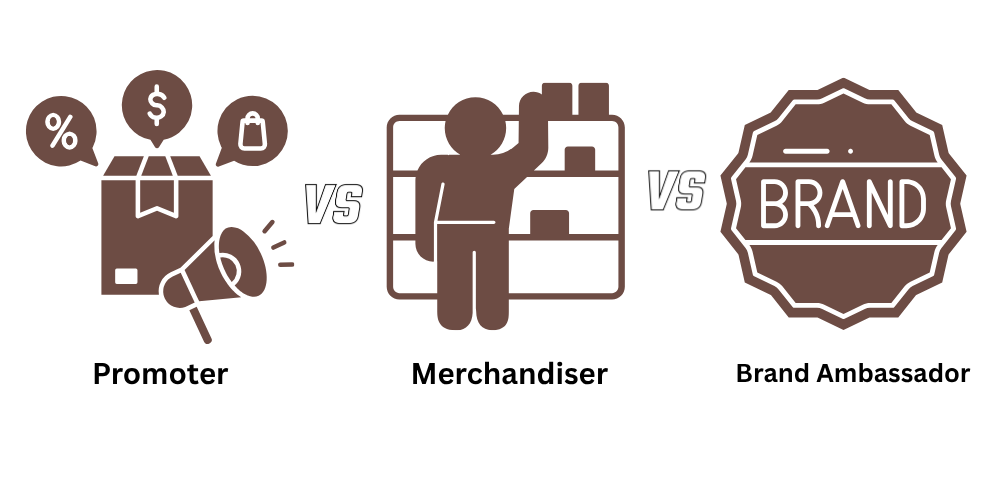
In reality, many organizations expect promoters to handle all three roles simultaneously. This overlap increases complexity and makes structured management systems essential to ensure consistency and accountability.
Why Managing Promoters Without Software Fails
Managing promoters manually using spreadsheets, phone calls, or messaging apps may work at a small scale, but it quickly breaks down as operations grow.
Common challenges include:
-
No reliable attendance tracking
-
No proof of store visits
-
Delayed or inaccurate reporting
-
No visibility into in-store execution
-
Lack of accountability across teams
As the number of promoters and outlets increases, these issues compound, leading to inefficiency, poor execution, and revenue leakage.
Who Uses Promoter Management Software?
In-store promoter management systems are widely used across industries that rely heavily on last-mile retail execution, including:
-
FMCG brands
-
Beauty and personal care companies
-
Consumer electronics brands
-
Telecom companies
For these industries, success at retail depends not just on distribution, but on how well products are presented, promoted, and sold inside the store.
The Real Cost of Poor In-Store Promoter Management
Poor in-store promoter management is not just an operational issue, it is a direct revenue and profitability risk. When brands lack visibility and control over promoter activities, small execution gaps at the store level quickly scale into significant financial losses.
Below are the key cost drivers that most brands underestimate:
Fake Attendance and Ghost Promoters Draining Payroll
One of the most common and costly issues is fake attendance.
-
Promoters marking attendance without being physically present
-
Buddy punching or proxy check-ins
-
Ghost promoters on payroll who are not actively working
Without proper verification systems, companies end up paying salaries for zero productivity.
Impact:
-
Direct payroll leakage
-
Inflated workforce costs
-
Reduced ROI per promoter
Many brands are now shifting toward geo-fenced and selfie-based attendance systems to solve this.
Untracked Store Visits and Missed Outlet Coverage
In the absence of structured tracking:
-
Promoters may skip assigned outlets
-
Visit frequency becomes inconsistent
-
High-priority stores may be ignored
This leads to uneven market coverage, where some outlets are over-served while others are completely missed.
Impact:
-
Lost sales opportunities
-
Weak retail presence in key locations
-
Poor territory utilization
No Visibility Into In-Store Execution
Without proper monitoring systems, managers have no real insight into what’s actually happening inside stores.
They cannot verify:
-
Whether promoters are following sales scripts
-
Whether uniforms and grooming standards are maintained
-
Whether displays are set up as per brand guidelines
This creates a gap between planned strategy and actual execution.
Impact:
-
Inconsistent brand experience
-
Poor retail compliance
-
Reduced customer trust
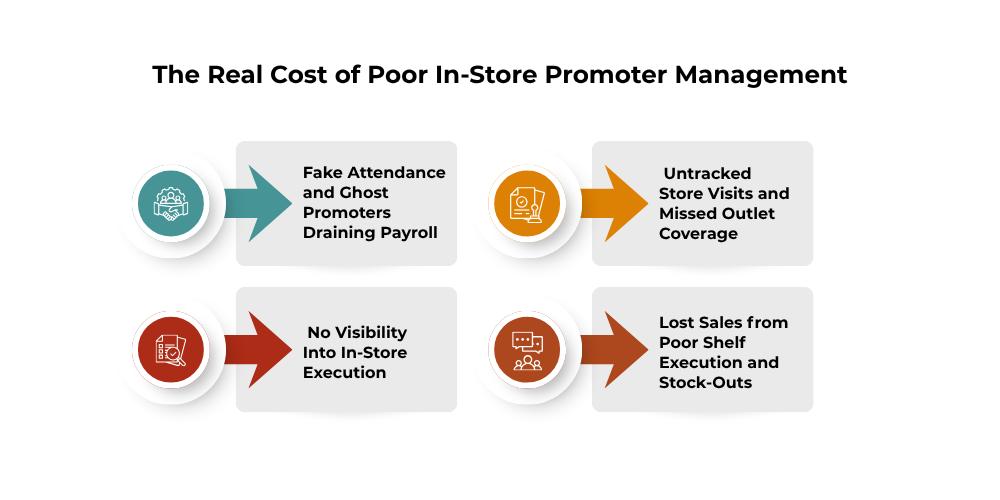
Lost Sales from Poor Shelf Execution and Stock-Outs
Retail success depends heavily on visibility and availability at the shelf. Poor promoter management often results in:
-
Empty shelves going unnoticed
-
Incorrect product placement
-
Missing promotional displays
Even when demand exists, poor execution prevents conversion.
Impact:
-
Immediate revenue loss
-
Lower product visibility
-
Reduced conversion rates
The Bigger Picture: Compounding Losses
Individually, these issues may seem manageable, but together they create a compounding effect:
-
Higher operational costs
-
Lower sales productivity
-
Weak retail execution
-
Slower decision-making
Over time, this results in significant revenue leakage and competitive disadvantage.
What Smart Brands Do Differently
High-performing brands eliminate these gaps by implementing:
-
Verified attendance systems
-
Execution monitoring with proof
-
Data-driven decision-making
By addressing even one of these problem areas, especially attendance fraud, brands can unlock immediate efficiency gains and prevent avoidable losses.
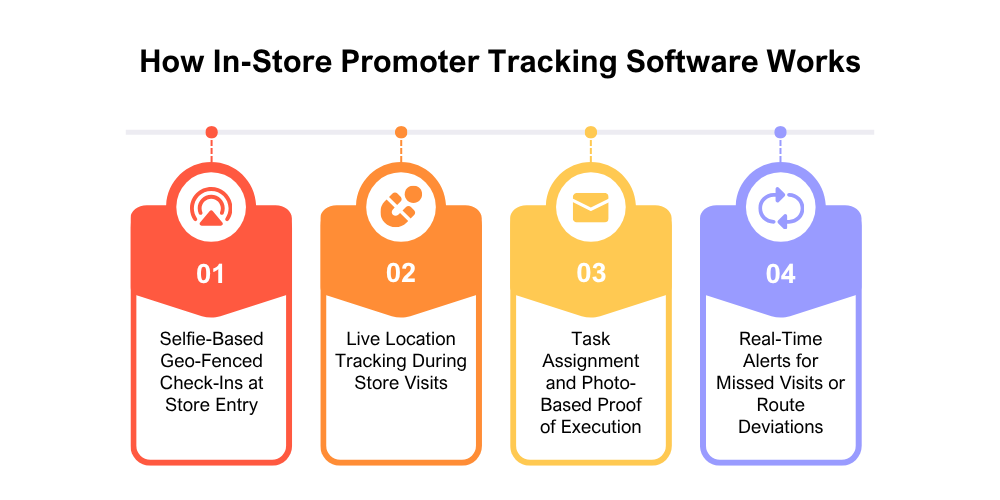
How In-Store Promoter Tracking Software Works
In-store promoter tracking software is designed to give brands complete visibility and control over promoter activities in real time. It replaces manual reporting and guesswork with data-driven execution tracking, ensuring that every store visit, task, and interaction is monitored and verified.
At a functional level, this software combines location intelligence, image-based validation, and task management to create a transparent and accountable system for managing promoters at scale.
Selfie-Based Geo-Fenced Check-Ins at Store Entry
The first layer of control begins with attendance validation.
Promoters can only check in when they are:
-
Physically present at the assigned store location
-
Within a predefined geo-fenced boundary
-
Verified through a real-time selfie
This ensures:
-
No fake attendance
-
No proxy check-ins
-
Accurate store-level presence tracking
Unlike traditional attendance systems, this method ties identity + location + time together, making manipulation extremely difficult.
Live Location Tracking During Store Visits
Once checked in, the system enables continuous location tracking throughout the working day.
Managers can:
-
Track promoter movement in real time
-
Verify whether assigned stores are actually visited
-
Ensure adherence to planned routes
This eliminates blind spots in field operations and ensures that planned coverage translates into actual execution.
Task Assignment and Photo-Based Proof of Execution
Promoter tracking software goes beyond attendance, it ensures that work is actually completed inside the store.
Managers can assign tasks such as:
-
Setting up displays
-
Promoting specific SKUs
-
Executing ongoing campaigns
-
Checking stock availability
Promoters must submit photo-based proof of execution (POE) for each task.
Real-Time Alerts for Missed Visits or Route Deviations
One of the most powerful capabilities is instant alerting.
The system automatically notifies managers when:
-
A promoter misses a scheduled store visit
-
Check-in is delayed
-
A route deviation occurs
-
Tasks are incomplete
These alerts enable immediate corrective action, rather than delayed intervention.
Bringing It All Together
When combined, these features create a closed-loop execution system:
-
Attendance is verified
-
Movement is tracked
-
Tasks are assigned and monitored
-
Execution is validated with proof
-
Issues are flagged in real time
This transforms promoter management from a reactive, manual process into a proactive, data-driven system.
Retail Execution and Shelf Compliance Tracking
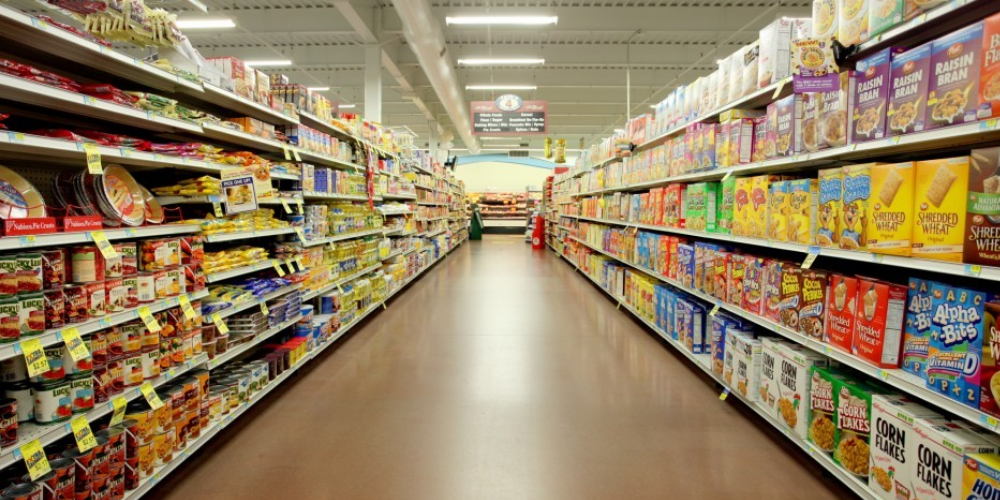
In modern trade retail, execution at the shelf is where revenue is won or lost. No matter how strong your distribution or marketing strategy is, poor on-ground execution, like missing SKUs, incorrect displays, or non-compliant planograms, directly impacts sales.
This is where retail execution software, shelf execution apps, and visual merchandising tracking software become mission-critical. These tools provide brands with real-time visibility into what’s actually happening inside stores, enabling faster decisions, tighter control, and consistent brand presentation across outlets.
On-Shelf Product Availability Monitoring at SKU Level
One of the biggest challenges in retail execution is ensuring that every SKU is available on the shelf at all times.
With a shelf execution app, brands can track:
-
SKU-wise availability across stores
-
Fast-moving vs slow-moving product gaps
-
Outlet-level stock visibility
Field representatives or promoters can log availability during store visits, capturing SKU-level data instead of generic stock updates. This granular visibility helps brands:
-
Identify lost sales opportunities due to missing SKUs
-
Improve replenishment cycles
-
Prioritize high-value outlets
Over time, this data feeds into demand forecasting and inventory planning, making execution more predictive rather than reactive.
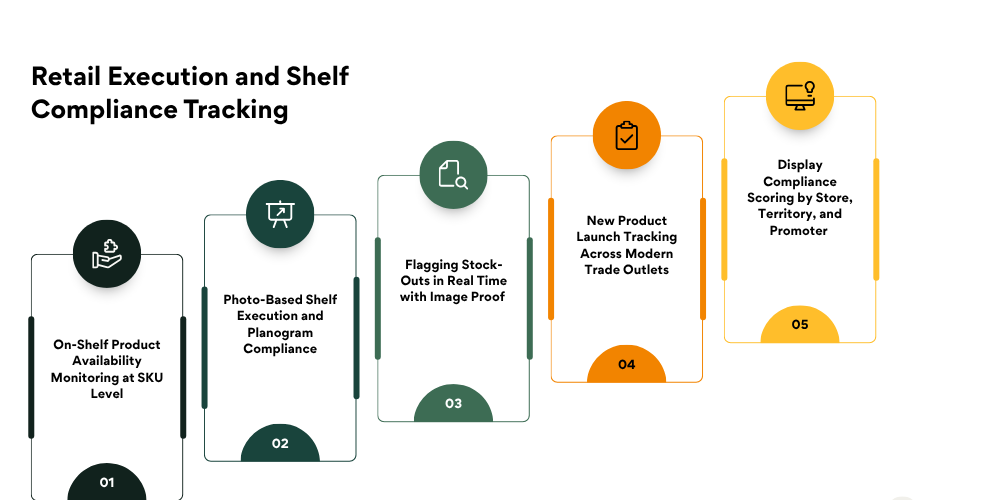
Photo-Based Shelf Execution and Planogram Compliance
Traditional reporting methods often fail to capture the real condition of shelves. That’s why visual merchandising tracking software relies heavily on photo-based validation.
Promoters upload real-time shelf images, which are then used to:
-
Verify planogram compliance
-
Ensure correct product placement and visibility
-
Track branding elements like POSM, standees, and displays
This eliminates guesswork and replaces manual reporting with visual proof. Managers can remotely audit execution without physically visiting stores.
Flagging Stock-Outs in Real Time with Image Proof
Stock-outs are silent revenue killers. A product not available on the shelf means an immediate lost sale, and possibly a lost customer.
With modern retail execution software:
-
Promoters can instantly flag stock-outs during store visits
-
Upload images as proof of empty shelves
-
Trigger real-time alerts to managers or distributors
This ensures:
-
Faster replenishment actions
-
Reduced dependency on delayed manual reports
-
Increased accountability across the supply chain
Some advanced systems even integrate with inventory and distributor management tools, closing the loop between demand visibility and supply action.
New Product Launch Tracking Across Modern Trade Outlets
Launching a new product is not just about distribution, it’s about visibility and execution at the shelf.
A shelf execution app helps brands track:
-
Whether new SKUs have reached the outlet
-
If they are displayed as per launch guidelines
-
Availability across different store formats (supermarkets, hypermarkets, etc.)
Field teams can capture:
-
Shelf placement images
-
Competitor comparisons
-
Initial consumer visibility indicators
This ensures that new launches don’t just reach stores, they stand out and convert. Brands can also identify underperforming outlets early and take corrective action.
Display Compliance Scoring by Store, Territory, and Promoter
Execution quality varies widely across locations and teams. Without measurement, there’s no way to improve it.
Visual merchandising tracking software introduces compliance scoring systems, where:
-
Each store is scored based on display quality and adherence
-
Territories are ranked based on execution performance
-
Promoters are evaluated on consistency and accuracy
Typical scoring parameters include:
-
Planogram adherence
-
SKU availability
-
Visibility standards
-
Branding compliance
These scores help in:
-
Identifying top-performing promoters and regions
-
Pinpointing execution gaps
-
Driving performance through incentives and accountability
Over time, this creates a culture of data-driven retail execution, where decisions are backed by measurable insights rather than assumptions.
Why Retail Execution Tracking Is No Longer Optional
In a highly competitive retail environment, brands can no longer rely on delayed reports or incomplete data. Shelf-level execution visibility is now a strategic advantage.
By implementing retail execution software or a shelf execution app, brands can:
-
Eliminate blind spots in store-level execution
-
Improve on-shelf availability and visibility
-
Reduce revenue leakage due to stock-outs and poor compliance
-
Scale operations across hundreds of outlets with consistency
Ultimately, success in retail comes down to one question:
Is your product visible, available, and correctly displayed when the customer is ready to buy?
If the answer isn’t always “yes,” then investing in robust shelf compliance tracking is not just beneficial, it’s essential.
In-Store Promoter Performance Management
In-store promoters are the last-mile influencers of purchase decisions. They directly interact with customers, demonstrate products, and drive conversions at the shelf. However, without structured tracking, most brands operate in a blind spot, unable to measure real impact or optimize promoter efficiency.
This is where promoter performance management software and promoter productivity tracking tools play a critical role. They transform promoter activities into measurable data, helping brand managers monitor, evaluate, and improve performance across stores and territories.
KPIs Every Brand Manager Should Track
To manage promoter performance effectively, brands must move beyond attendance tracking and focus on outcome-driven KPIs.
Key metrics include:
-
Effective Calls
Number of meaningful customer interactions initiated by the promoter. This reflects proactive engagement rather than passive presence. -
Demo Conversion Rate
Percentage of product demonstrations that result in actual purchases. This KPI directly measures the promoter’s selling ability. -
SKU Push Rate
Ability to promote and sell high-priority or new SKUs, ensuring strategic products get visibility and traction. -
Customer Engagement Levels
Time spent per customer, quality of interaction, and overall engagement depth. Higher engagement often correlates with better brand recall and conversions.
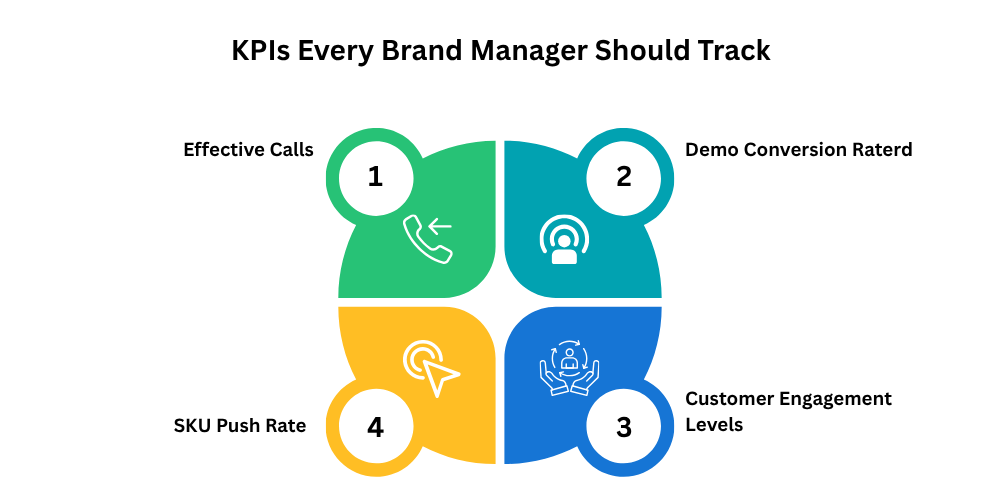
Tracking these KPIs through promoter productivity tracking systems allows brands to quantify what was previously intangible, human interaction at the point of sale.
Promoter Scorecards and Territory-Level Benchmarking
Effective in-store promoter management goes beyond collecting raw data, it requires structured evaluation and continuous performance tracking. Promoter scorecards bring multiple KPIs into a unified view, allowing brands to assess performance consistently while maintaining transparency and comparability across teams. When combined with territory-level benchmarking, managers gain deeper insights into regional performance differences, execution challenges, and variations in customer behavior.
A robust system also ensures consistent monitoring through automated daily, weekly, and monthly reports. These reports provide visibility into attendance, store visits, customer interactions, KPI trends, and overall ROI, enabling both immediate corrective actions and long-term strategic planning without manual effort.
Most importantly, such platforms help identify underperforming promoters early by highlighting gaps in conversion rates, engagement levels, and SKU performance. Managers can then implement targeted, data-driven coaching and replicate best practices from top performers, creating a continuous cycle of improvement and accountability across the field force.
Why Promoter Performance Management Matters More Than Ever
Retail execution is no longer just about presence, it’s about performance, productivity, and measurable outcomes.
Without structured tracking:
-
High-potential promoters go unrecognized
-
Underperformers remain undetected
-
Sales opportunities are lost at the store level
By adopting promoter productivity tracking tools, brands can:
-
Align promoter efforts with business goals
-
Increase conversion rates at the shelf
-
Drive accountability across teams
-
Maximize ROI from in-store manpower
In a competitive retail landscape, the brands that win are not the ones with the most promoters, but the ones with the most productive and performance-driven promoters.
Modern Trade vs General Trade: How Promoter Management Differs
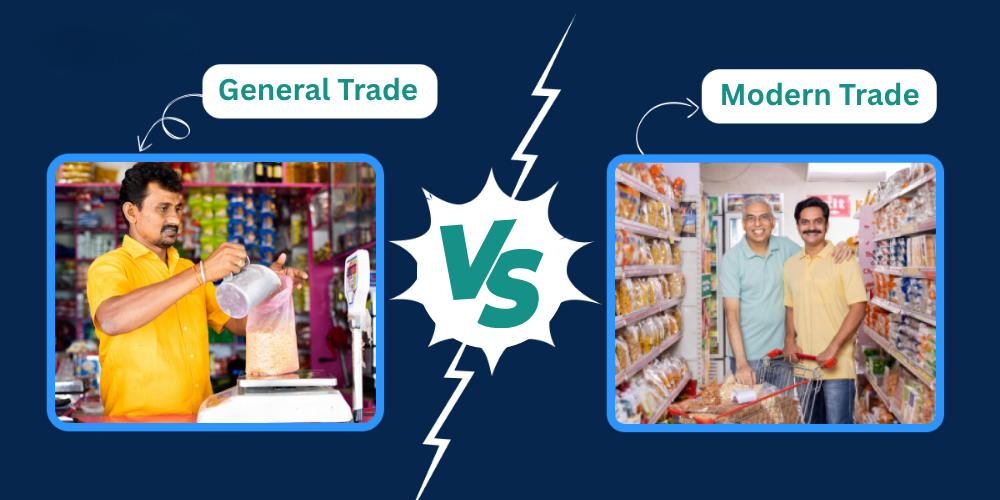
Promoter management strategies are not one-size-fits-all. The way brands manage promoters in modern trade (supermarkets, hypermarkets, chain stores) is fundamentally different from general trade (kirana stores, standalone outlets, small retailers).
Each channel has unique operational dynamics, compliance requirements, and execution challenges.
Managing Promoters in Supermarkets, Hypermarkets, and Chain Stores
In modern trade environments, promoter management is highly structured and visibility-driven.
These outlets include:
-
Large-format supermarkets
-
Hypermarkets
-
Organized retail chains
Here, promoters are expected to:
-
Stay within assigned store locations for fixed shifts
-
Engage with high footfall customers continuously
-
Demonstrate products and influence purchase decisions at scale
Using in-store execution software, brands can:
-
Track promoter attendance with geo-fencing tied to specific stores
-
Monitor in-store activities like demos, interactions, and sales conversions
-
Capture real-time data on customer engagement and product movement
Modern trade demands precision and consistency, as even small execution gaps can lead to significant revenue loss due to high customer volume.
Compliance Requirements Specific to Modern Trade Partners
One of the defining characteristics of modern trade is strict compliance standards set by retail chains.
Promoters must adhere to:
-
Fixed working hours and attendance policies
-
Store-specific guidelines for product displays and demos
-
Grooming and uniform standards
-
Restrictions on competitor engagement or cross-selling
Failure to comply can result in:
-
Penalties from retail partners
-
Loss of shelf space or visibility
-
Restricted promoter access to stores
This is where modern trade promoter management tools become essential. They help ensure:
-
Attendance is verified with geo-tagging and selfie validation
-
Tasks are completed as per store guidelines
-
Compliance is documented with photo and activity logs
How General Trade Promoter Management Differs
In contrast, general trade promoter management is far less structured but more geographically spread.
Key differences include:
1. Visit Frequency
-
Modern Trade: Promoters are usually stationed full-time at a single store
-
General Trade: Promoters often cover multiple outlets in a day
2. Reporting Style
-
Modern Trade: Detailed, real-time reporting with photos, KPIs, and compliance checks
-
General Trade: More flexible reporting, often focused on visit completion and basic sales updates
3. Territory Size
-
Modern Trade: Limited to specific high-value outlets
-
General Trade: Large territories with dozens of small retailers
4. Execution Focus
-
Modern Trade: Customer engagement, demos, visual merchandising, and conversions
-
General Trade: Relationship building, order collection, and retailer influence
Because of this variability, brands need flexible promoter productivity tracking systems that can:
-
Handle both fixed-location and route-based promoters
-
Adapt reporting formats based on channel needs
-
Provide unified visibility across trade types
Why a Channel-Specific Approach to Promoter Management Matters
Treating modern trade and general trade the same leads to:
-
Inefficient resource allocation
-
Poor visibility into execution quality
-
Missed sales opportunities
A channel-specific approach powered by in-store execution software enables brands to:
-
Customize workflows for each trade channel
-
Track performance using relevant KPIs
-
Ensure compliance where required
-
Optimize promoter productivity across diverse retail environments
In-Store Promoter Management for FMCG Brands
For FMCG brands, retail execution is not just about placing products on shelves, it’s about ensuring continuous visibility, availability, and conversion at the point of sale. This makes in-store promoter management (ISP) one of the most critical operational functions.
However, managing promoters in FMCG is significantly more complex than in other industries. With thousands of SKUs, rapid inventory movement, and intense competition, brands require robust FMCG promoter management software or an ISP management app to maintain control and consistency across retail environments.
Why FMCG Brands Have the Highest Promoter Management Complexity
FMCG operates at a scale and speed that few industries can match. This creates multiple layers of complexity in promoter management:
-
Massive Outlet Coverage
FMCG brands operate across modern trade, general trade, and rural markets simultaneously. -
High Promoter Volume
Hundreds or even thousands of promoters may be deployed across cities and regions. -
Dynamic Store Environments
Shelf space, product placement, and competitor activity change frequently. -
Real-Time Execution Pressure
Sales depend heavily on daily execution, not just long-term strategy.
Because of these factors, manual tracking or basic reporting systems fail to provide the required visibility. An ISP management app becomes essential to standardize and scale operations efficiently.
High SKU Counts, Daily Replenishment, Scheme Activation, and Competitor Monitoring
FMCG promoters deal with a wide range of responsibilities that go far beyond customer interaction.
1. High SKU Counts
Promoters must manage and promote dozens or even hundreds of SKUs within a single category. This requires:
-
Deep product knowledge
-
Ability to prioritize high-margin or high-demand SKUs
-
Continuous shelf monitoring
2. Daily Replenishment
Unlike durable goods, FMCG products move fast. Promoters play a key role in:
-
Identifying low stock or empty shelves
-
Coordinating with store staff or distributors for replenishment
-
Ensuring zero stock-out situations during peak hours
3. Scheme Activation
FMCG sales are heavily driven by offers, discounts, and schemes. Promoters must:
-
Communicate active schemes to customers
-
Ensure correct display of promotional materials
-
Push scheme-linked products for higher conversions
4. Competitor Monitoring
Retail shelves are highly competitive spaces. Promoters are often the first to notice:
-
Competitor pricing changes
-
New product launches
-
Better shelf placements by rivals
Capturing this intelligence through FMCG promoter management software enables brands to respond quickly and maintain a competitive edge.

How ISP Management Software Integrates with Field Sales and Distributor Workflows
One of the most powerful aspects of modern ISP management apps is their ability to integrate seamlessly with broader sales ecosystems.
Integration with Field Sales Teams
-
Promoter data feeds into field sales dashboards
-
Sales reps can align store visits with promoter insights
-
Joint visibility improves execution planning and coordination
Integration with Distributor Networks
-
Real-time stock-out alerts can be shared with distributors
-
Faster replenishment cycles reduce lost sales opportunities
-
Order visibility improves supply chain responsiveness
Unified Execution View
With integration, brands get a single source of truth for:
-
Shelf availability
-
Promoter performance
-
Sales movement
-
Inventory status
This eliminates data silos and ensures that every stakeholder from promoters to distributors works with aligned information.
Why FMCG Brands Must Invest in ISP Management Technology
Without a structured system:
-
Promoter activities remain untracked
-
Stock-outs go unnoticed
-
Schemes fail to reach customers effectively
-
Competitor actions go unreported
By implementing FMCG promoter management software, brands can:
-
Ensure consistent execution across thousands of outlets
-
Improve on-shelf availability and visibility
-
Increase conversion rates through better promoter engagement
-
Align field sales, promoters, and distributors in one ecosystem
Replacing WhatsApp Reporting With Real-Time Data
For years, many brands have relied on WhatsApp groups, phone calls, and spreadsheets to manage in-store promoters. While this approach may seem convenient, it creates data chaos, delays, and zero accountability, especially when operations scale across multiple stores and cities.
To overcome this, brands are now shifting to real-time promoter tracking apps and in-store promoter reporting software that bring structure, visibility, and instant insights into field operations.
The Problem with Managing Promoters Over WhatsApp Groups and Phone Calls
At a small scale, WhatsApp updates might work. But as promoter networks grow, this informal system starts breaking down.
1. Unstructured and Scattered Data
Promoters share updates in different formats:
-
Text messages
-
Images without context
-
Voice notes
There’s no standardization, making it difficult to compare or analyze data.
2. No Real-Time Visibility
Managers must scroll through multiple chats to understand:
-
Which stores were visited
-
What activities were completed
-
Where issues exist
By the time insights are extracted, the opportunity to act is often lost.
3. Manual Data Consolidation
Teams often copy-paste WhatsApp updates into Excel sheets, leading to:
-
Time-consuming processes
-
Human errors
-
Delayed reporting cycles
4. Lack of Accountability
Without geo-tagging or validation:
-
Fake check-ins go unnoticed
-
Old or irrelevant images may be shared
-
Actual on-ground execution remains unclear
This results in low trust in field data, making decision-making unreliable.
How Structured Mobile Reporting Replaces Manual Data Consolidation
A real-time promoter tracking app eliminates these inefficiencies by introducing standardized, automated reporting workflows.
1. Structured Data Capture
Promoters submit reports through predefined formats:
-
Attendance with geo-tagging and timestamps
-
Task completion checklists
-
SKU availability and sales inputs
-
Image uploads linked to specific activities
This ensures consistent and comparable data across all promoters.
2. Automated Data Aggregation
Instead of manual consolidation:
-
Data is automatically compiled into dashboards
-
Reports are generated instantly
-
No dependency on Excel or manual intervention
3. Real-Time Alerts and Notifications
Managers receive instant alerts for:
-
Stock-outs
-
Missed visits
-
Low performance metrics
This allows for immediate corrective action, rather than delayed responses.
4. Verified Reporting with Proof
Every activity is backed by:
-
Geo-location validation
-
Time stamps
-
Photo evidence
This creates a system of complete transparency and accountability.
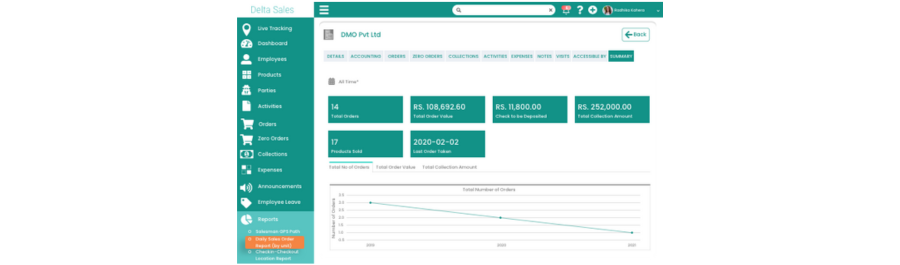
What Real-Time Promoter Dashboards Look Like for Managers
The biggest advantage of in-store promoter reporting software is the ability to convert raw field data into actionable insights through dashboards.
1. Live Promoter Activity View
Managers can see:
-
Who is currently active in-store
-
Which outlets are covered
-
Ongoing tasks and interactions
2. KPI Tracking in Real Time
Dashboards display:
-
Customer interactions
-
Demo conversions
-
SKU push performance
-
Sales contributions
This enables performance monitoring without delays.
3. Store-Level Execution Insights
-
Shelf availability status
-
Display compliance
-
Stock-out alerts
Managers can quickly identify problem stores and prioritize action.
4. Territory and Team Performance
-
Region-wise comparisons
-
Promoter rankings
-
Trend analysis over time
This helps in strategic decision-making and resource allocation.
Why Real-Time Data Is the Future of Promoter Management
Continuing with WhatsApp-based reporting limits a brand’s ability to scale and compete effectively.
By adopting real-time promoter tracking apps, brands can:
-
Eliminate data silos and manual processes
-
Gain instant visibility into field operations
-
Improve promoter accountability and productivity
-
Make faster, data-driven decisions
In-Store Promoter Management Software vs Generic Apps
As brands scale their retail presence, managing in-store promoters with basic tools becomes increasingly inefficient. Many companies initially rely on generic attendance apps, CRM tools, or task managers, only to realize that these solutions lack the depth required for on-ground retail execution.
This is where promoter management software or a dedicated brand promoter app stands apart, offering features specifically designed for in-store performance, compliance, and sales impact.
Why Generic Attendance Apps Fail for In-Store Promoter Teams
Generic tools are built for broad use cases like employee attendance or task tracking,, not for retail execution at the shelf level.
Here’s where they fall short:
1. No Retail Context
Generic apps can track:
-
Login/logout times
-
Basic task completion
But they cannot capture:
-
Customer interactions
-
Product demos
-
SKU-level sales activity
This creates a gap between attendance tracking and actual performance measurement.
2. Lack of Visual Proof
Retail execution depends heavily on:
-
Shelf displays
-
Product placement
-
Branding visibility
Generic tools rarely support photo-based validation with context, making it impossible to verify execution quality.
3. No SKU or Sales-Level Tracking
In-store promoters influence:
-
Specific product sales
-
New SKU adoption
-
Scheme-based conversions
Generic apps do not track SKU-level insights, limiting their usefulness for FMCG or retail brands.
4. No Integration with Retail Workflows
Generic systems operate in isolation and do not connect with:
-
Field sales teams
-
Distributor networks
-
Inventory systems
As a result, data remains siloed and cannot drive end-to-end execution improvements.
What Promoter-Specific Features a Dedicated App Must Have
A purpose-built promoter management software is designed around the realities of in-store execution.
Key features include:
1. Geo-Fenced Attendance with Selfie Verification
-
Ensures promoters are present at the correct store
-
Prevents fake check-ins or proxy attendance
2. Activity and KPI Tracking
-
Customer interactions and demos
-
Conversion rates
-
SKU push performance
This enables true productivity tracking, not just attendance monitoring.
3. Photo-Based Reporting and Compliance
-
Shelf images with timestamps and geo-tags
-
Planogram and display validation
-
Proof of execution for audits
4. Real-Time Reporting and Dashboards
-
Live visibility into promoter activities
-
Instant alerts for stock-outs or missed tasks
-
Performance insights across stores and regions
5. Integration with Sales and Distribution
-
Syncs with field sales operations
-
Enables faster replenishment through distributor coordination
-
Provides a unified execution view
These features transform a simple app into a complete retail execution system.
Side-by-Side Comparison: Generic App vs Purpose-Built ISP Management App
Generic attendance apps are designed for basic workforce tracking, offering simple login/logout features with limited visibility into actual field activities. They lack structure, do not capture SKU-level insights, and provide minimal support for photo reporting, real-time monitoring, or performance evaluation. As a result, they fall short in managing the complexities of in-store promoter operations.
In contrast, purpose-built ISP management apps are specifically designed for retail execution. They enable geo-verified attendance, structured KPI-driven activity tracking, detailed SKU-level reporting, and contextual photo proof. With real-time dashboards, system integrations, and comprehensive promoter scorecards, these tools provide complete visibility and control over in-store performance.
In essence, generic apps track presence, while purpose-built solutions drive performance and sales outcomes.
Why Choosing the Right Tool Matters
Using the wrong system leads to:
-
Incomplete visibility into promoter performance
-
Poor execution at the shelf level
-
Missed sales opportunities
-
Inefficient decision-making
A dedicated brand promoter app ensures that every promoter activity is:
-
Tracked
-
Verified
-
Measured
-
Optimized

Case Study Snippets: FMCG and Beauty Brands Using Delta Sales App
Real-world implementation highlights the true impact of a retail promoter management app.
FMCG Brand: Nationwide Distributor Network
Challenge:
-
Over 500 promoters across multiple states
-
No visibility into daily activities
-
Frequent stock-outs despite strong distribution
Solution:
-
Deployed an in-store promoter management app integrated with field sales
-
Enabled real-time reporting and SKU-level tracking
Outcome:
-
25% reduction in stock-out incidents
-
30% improvement in promoter productivity
-
Faster coordination between promoters and distributors
Beauty & Cosmetics Brand: Modern Trade Focus
Challenge:
-
Inconsistent promoter performance across malls and retail chains
-
Poor tracking of demo conversions and customer engagement
Solution:
-
Implemented retail promoter management software with KPI tracking
-
Introduced promoter scorecards and real-time dashboards
Outcome:
-
40% increase in demo-to-sale conversion rates
-
Improved customer engagement quality
- Clear visibility into top-performing promoters
Personal Care Brand: Campaign Execution Issues
Challenge:
-
Frequent gaps in promotional campaign execution
-
Lack of proof for display and offer visibility
Solution:
-
Used an in-store promoter management app for campaign tracking
-
Enabled photo-based validation and compliance scoring
Outcome:
-
90%+ campaign execution accuracy
-
Consistent display standards across outlets
-
Higher ROI from promotional spends
The right in-store promoter management app does more than just track attendance, it transforms how brands execute at the retail level.
It enables:
-
Verified and accountable promoter operations
-
Consistent store coverage and execution
-
Data-driven decision-making
-
Measurable improvements in sales and visibility
In a competitive retail landscape, success depends on execution excellence at scale. Brands that leverage retail promoter management apps are not just managing promoters, they are maximizing every in-store opportunity to drive growth.
How to Choose the Right In-Store Promoter Management App
Selecting the right in-store promoter management app is a strategic decision that directly impacts retail execution, promoter productivity, and sales outcomes. With multiple tools available in the market, brands must go beyond basic features and evaluate solutions based on real-world field requirements.
A well-chosen field promoter management software should not just track activities, it should optimize execution, ensure accountability, and integrate seamlessly with your sales ecosystem.
Key Buying Criteria: What Actually Matters
When evaluating an in-store promoter management app, focus on capabilities that align with on-ground realities:
1. Mobile-First Design
Promoters operate entirely in the field, so the app must be:
-
Easy to use on smartphones
-
Fast and responsive
-
Designed for low training dependency
A complex interface leads to poor adoption, incomplete reporting, and unreliable data.
2. Offline Mode Functionality
The app should operate reliably even in low or no network conditions, ensuring field teams can continue their work without disruption.
The app should:
-
Work seamlessly without internet
-
Store data locally and sync automatically when online
-
Prevent data loss during field operations
Offline capability is not optional, it’s critical for nationwide scalability.
3. Geo-Fencing Accuracy
Accurate attendance and location tracking are foundational.
Look for:
-
Precise geo-fencing tied to store locations
-
Real-time location capture
-
Alerts for out-of-location check-ins
This ensures:
-
Promoters are physically present at assigned outlets
-
Fake attendance is eliminated
4. Photo Proof with Context
Retail execution requires visual validation.
The app must support:
-
Time-stamped and geo-tagged images
-
Activity-linked photo uploads (e.g., shelf display, demo activity)
-
Easy image review for managers
This provides proof of execution, not just reported activity.
5. Integration with Field Sales Software
Promoter data should not exist in isolation.
A robust field promoter management software integrates with:
-
Inventory and order management tools
This creates a unified execution ecosystem, enabling:
-
Faster stock replenishment
-
Better coordination between teams
-
End-to-end visibility from shelf to supply
Questions to Ask Vendors Before You Decide
Choosing the right vendor requires asking the right questions. Here are critical ones to evaluate:
-
How does your app handle offline reporting and data sync?
-
Can attendance be verified with geo-fencing and selfie validation?
-
Does the system support SKU-level tracking and KPI measurement?
-
What kind of dashboards and reports are available for managers?
-
How easily can it integrate with our existing field sales or CRM systems?
-
Is the app customizable based on our workflows and industry needs?
-
What level of support and training do you provide post-implementation?
These questions help you assess whether the solution is scalable, flexible, and aligned with your business goals.
Why Purpose-Built ISP Apps Outperform Generic Field Force Tools
Many brands initially consider using generic field force or CRM tools for promoter management. However, these solutions are not designed for in-store execution complexities.
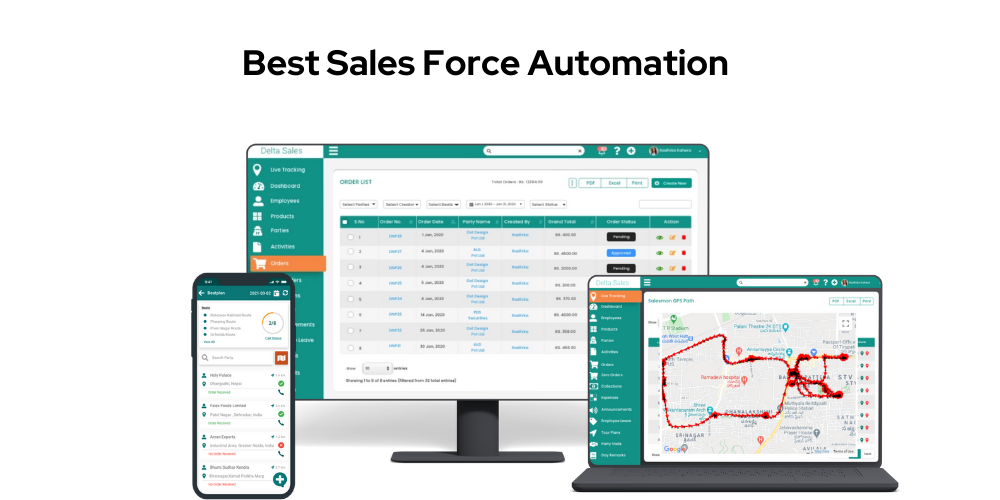
A purpose-built in-store promoter management app offers:
-
Retail-Specific Workflows
Designed for shelf audits, demos, and customer interactions, not just task tracking -
KPI-Driven Performance Tracking
Measures conversions, engagement, and SKU push, not just attendance -
Visual Merchandising Validation
Built-in photo proof and compliance tracking -
Real-Time Execution Visibility
Instant insights into store-level activities
Generic tools, on the other hand:
-
Lack retail-specific features
-
Provide limited visibility into execution quality
-
Require heavy customization (often still insufficient)
In short, generic tools track activity, purpose-built ISP apps drive performance.
Final Thoughts
In-store promoter management has evolved from a basic operational task into a strategic lever for retail growth. Brands that still rely on fragmented systems struggle with visibility, accountability, and consistency, leading to missed opportunities at the shelf.
On the other hand, companies that adopt a structured in-store promoter management app gain:
-
Real-time control over field execution
-
Measurable improvements in promoter productivity
-
Stronger alignment between sales, marketing, and distribution
Book a free demo of Delta Sales App to experience how real-time promoter tracking, KPI dashboards, and execution monitoring can transform your retail performance.