
The Hidden Reason Top FMCG Brands Outsell Their Competitors at the Retail Shelf
Picture this: two FMCG brands. Same category. Similar pricing. Both have decent marketing budgets and years in the market. One dominates every kirana counter, every modern trade shelf, and every wholesale outlet in the territory. The other is present but barely. Half-empty facings, irregular supply, and retailers who can barely remember the last time a rep came by.
What explains the difference?
It’s not the product formula. It's not the packaging, and it’s almost certainly not the ad spend. The real gap is the one that most FMCG owners never take a good look at; it is in the daily execution of field sales operations. The brands that have cracked this in 2025 are leveraging intelligent field sales management software to establish a structural advantage that competitors relying on spreadsheets and WhatsApp groups simply cannot match.
The Real Battle Is at the Shelf, Not the Factory
Most FMCG owners obsess over the upstream: product quality, pricing strategy, distributor margins, and trade schemes. These matter, of course. But here's the uncomfortable truth that industry veterans will quietly admit: winning at the retail shelf is a distribution and execution game, not a product game.
-1780033873.png)
Nielsen retail audit data has consistently shown that a product available in 80% of relevant outlets will outsell a "superior" product available in only 40% of outlets every single time. Availability drives trial. Trial drives loyalty. And availability is entirely a function of how well your field sales team executes on the ground. A product can lose sales if:
- It is placed on the bottom shelf
- It is hidden behind competitor products
- It is out of stock
- The promotional display is missing
- Retailers are pushing another brand more actively
In modern retail, shelf presence directly impacts consumer behavior. Studies consistently show that shoppers are highly influenced by product positioning and visibility inside stores. Products placed at eye level or in high-traffic shelf zones naturally receive more attention and higher conversions.
The companies dominating your category right now aren't necessarily making better products. They have better retail outlet coverage, better secondary sales tracking, better field rep accountability, and faster response to market signals. In short, they have better systems.
The Invisible Execution Gap Costing FMCG Brands Millions
Let's talk about something no one puts in a board deck: the execution gap. It's the chasm between what your sales strategy says should happen and what actually happens when your field rep walks into outlet #47 on a Tuesday morning.
The execution gap is not visible by design. Your reps are moving. Your distributors are dealing with hundreds of SKUs. Your retail partners are busy. Nobody’s lying. It’s just that the system is losing information. And that lost information costs you shelf space, stockouts, and competitor wins.
Here's what the execution gap looks like in practice for FMCG brands operating without a proper field sales management app:
- Ghost visits and phantom reports.
A sales rep "visits" 25 outlets in a day but only actually covers 14. The rest are marked visited from the car outside. Without GPS-verified attendance and time-stamped check-ins, you're flying blind.
- Delayed intelligence, stale decisions.
A competitor launches a promotional scheme in your territory on Monday. Your sales manager finds out on Friday when the weekly report lands. By then, 200 retailers have already committed to the competitor's display.
- SKU-level blindness.
Your hero product is out of stock at 30% of outlets in a region, but your distributor's primary sales report looks healthy. Secondary sales data tells a completely different and far more urgent story.
- Order management chaos.
Orders taken by hand or WhatsApp get lost, duplicated, or entered with errors. Your team spends hours reconciling what should take minutes, and sales opportunities evaporate in the confusion.
A 2024 EY India study found that FMCG companies using real-time field sales data platforms reduced their out-of-stock rate by 27% and improved territory coverage by 34% within 12 months of implementation. The execution gap is real, measurable, and closeable, but only if you can see it.
Why FMCG Brands Lose Sales Despite Strong Distribution
Many FMCG companies invest heavily in distributor networks, supply chains, and market expansion strategies. But even after achieving wide market coverage, many brands still struggle with low retail sales and weak shelf performance.
The reason is simple distribution alone does not guarantee retail execution.
A product may successfully reach stores, but if it is not properly tracked, monitored, displayed, or replenished, competitors can easily capture customer attention at the shelf. This is why modern FMCG companies are increasingly focusing on retail execution software, field sales tracking, and sales force automation tools to improve in-store performance.
Here are the major reasons FMCG brands lose sales despite strong distribution:
-
Poor Shelf Visibility
Products that are not clearly visible rarely perform well in retail stores. Many FMCG brands lose sales because their products are placed on lower shelves, hidden behind competitor products, or displayed inconsistently across outlets. Customers usually make quick purchase decisions, and visible products naturally gain more attention. This is why companies now rely on retail merchandising tracking and field sales management systems to monitor shelf visibility across stores. Better shelf placement improves product discoverability, increases impulse purchases, and strengthens retail sales performance.
-
Stock-Outs at Retail Stores
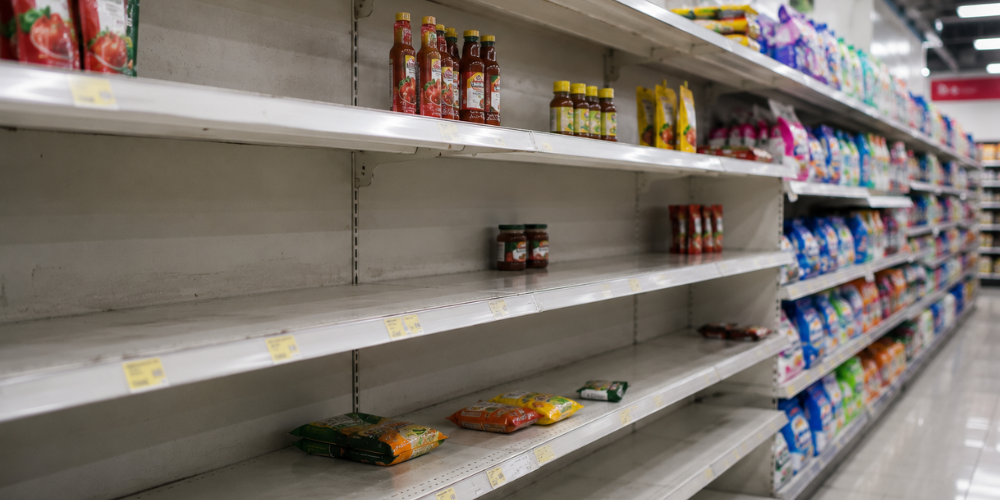
One of the biggest reasons for lost FMCG sales is product unavailability at the shelf. Even if distributors have inventory, delays in retail replenishment can leave shelves empty. Customers rarely wait for restocking; they simply purchase competitor products that are immediately available. Using inventory tracking software and real-time order management systems helps FMCG brands monitor stock movement more efficiently. Field sales apps also help sales reps report low-stock situations instantly, reducing stock-out risks in retail outlets.
-
Weak Retail Merchandising
Distribution without proper merchandising creates poor shelf impact. In many stores, products are not arranged properly, promotional displays are missing, and SKU placements are inconsistent. Poor retail merchandising reduces customer attention and weakens brand visibility. Top FMCG companies use retail execution tools and sales force automation software to ensure merchandising standards are followed consistently across all outlets. This helps maintain organized displays, stronger branding, and better in-store execution.
-
Lack of Real-Time Field Reporting
Many FMCG brands still depend on delayed reports from distributors or manual communication methods. As a result, issues like missing stock, competitor dominance, incorrect pricing, or poor display execution remain unresolved for days or weeks. By the time brands react, sales opportunities are already lost. Modern field sales tracking apps allow sales teams to submit real-time retail updates directly from the market. Managers can monitor outlet performance, track field activity, and make faster business decisions using live sales data.
-
Retailers Promoting Competitor Products
Retailers often recommend brands that provide stronger support and better engagement. If competitors offer faster service, consistent supply, or attractive trade schemes, retailers may prioritize those products at the shelf. This directly impacts product visibility and customer buying behavior. Using distributor management systems and retailer engagement tools helps FMCG brands improve communication, strengthen retailer relationships, and maintain better retail presence.
-
Inefficient Order Management
Manual order-taking processes often create delays and operational errors. Field reps may miss orders, record incorrect quantities, or face communication gaps with distributors. These inefficiencies affect replenishment speed and retail product availability.
Digital order management software simplifies the ordering process by enabling field reps to place orders instantly through mobile sales apps. Faster order processing improves stock availability and supports stronger retail execution.
-
Inconsistent Promotional Execution
Many FMCG promotions fail because they are not executed properly at the store level.
Brands may launch campaigns nationally, but retailers may forget to display promotional materials or apply offers correctly. This reduces campaign visibility and weakens promotional impact. Retail execution software helps companies monitor promotional compliance across outlets. Field teams can upload store images, track display execution, and ensure promotions are implemented correctly in the market.
-
No Visibility Into Field Sales Performance
Without proper field sales monitoring, companies struggle to measure execution quality.
Managers often do not know:
- Which outlets were visited
- Which products are underperforming
- Where shelf visibility is weak
- Which regions are losing market share
Using GPS-enabled field sales tracking systems and sales analytics dashboards gives FMCG companies better visibility into team performance and retail execution activities. This improves accountability, productivity, and decision-making speed.
Why Top Brands Always Outsell their Competitors
In the FMCG industry, information is one of the biggest competitive advantages. The brands that consistently outperform competitors are usually the ones that understand the market faster, track retail activities more closely, and react to changes more efficiently.
Top FMCG companies do not depend on assumptions or delayed reports. They use real-time retail data, field sales tracking systems, and sales force automation software to stay informed about what is happening across stores, distributors, and sales teams every day.
-
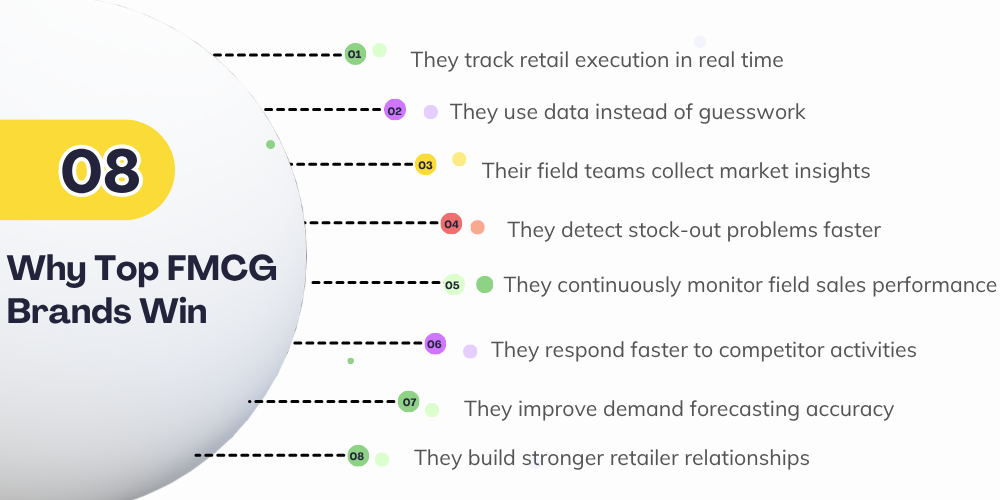
They Track Retail Execution in Real Time
Leading FMCG brands continuously monitor retail activities across their market coverage areas. They track product availability, shelf visibility, merchandising quality, and promotional execution through field sales apps and retail execution software. This helps managers identify issues immediately instead of waiting for weekly or monthly reports. Real-time field reporting improves decision-making speed and allows companies to solve retail problems before they affect sales performance.
-
They Use Data Instead of Guesswork
Top brands make decisions based on accurate sales data rather than assumptions. They analyze outlet performance, SKU movement, order frequency, and regional sales trends to understand what is driving business growth. Using sales analytics dashboards and reporting tools helps companies identify underperforming products, high-demand regions, and retail execution gaps more effectively. Data-driven decisions improve sales strategies and reduce operational inefficiencies.
-
Their Field Teams Collect Valuable Market Insights
Field sales representatives play a major role in helping FMCG brands stay informed about market conditions. During outlet visits, sales reps collect information about competitor pricing, new product launches, retailer feedback, and customer buying behavior. Mobile sales apps and field force automation systems help companies capture these insights instantly, allowing managers to respond quickly to changing market conditions and competitive activities.
-
They Detect Stock-Out Problems Faster
Top FMCG brands closely monitor stock availability across retail outlets to reduce lost sales opportunities. Using inventory tracking software and order management systems helps companies identify stock shortages before shelves become empty. Faster stock monitoring improves replenishment efficiency and ensures products remain consistently available for customers. This directly supports better retail sales performance and customer retention.
-
They Monitor Field Sales Performance Continuously
Successful FMCG companies track field sales activities regularly to improve productivity and market coverage. Managers monitor outlet visits, attendance records, route completion, and order collection through GPS-enabled sales force automation software. This creates better accountability within field teams and ensures that sales representatives are covering the right outlets consistently. Better field visibility also improves execution quality across retail markets.
-
They Respond Faster to Competitor Activities
In highly competitive FMCG markets, quick response time can protect market share. Leading brands track competitor discounts, product placements, promotional campaigns, and shelf visibility in real time. Retail execution software and field reporting systems help companies react faster to competitor movements and adjust strategies immediately. Faster decision-making helps brands maintain stronger retail visibility and customer attention.
-
They Improve Demand Forecasting Accuracy
Brands that collect better retail data can forecast market demand more accurately. Sales analytics tools help companies identify seasonal demand patterns, fast-moving SKUs, and outlet-level buying trends. Accurate forecasting improves inventory planning, reduces stock shortages, and prevents excess inventory buildup. Better forecasting also improves supply chain efficiency and retail execution consistency.
-
They Build Stronger Retailer Relationships
Top FMCG brands maintain regular communication with retailers and distributors to strengthen market presence. Using retailer management software and distributor tracking systems helps companies provide faster support, improve coordination, and solve retailer issues quickly. Strong retailer relationships often result in better shelf placement, stronger product recommendations, and improved in-store visibility for the brand.
Shelf Visibility and Placement: The Silent Revenue Driver
In the FMCG industry, customers make buying decisions within seconds. No matter how strong a brand’s advertising or distribution network is, sales can still suffer if products are not properly visible at the retail shelf.
This is why shelf visibility and product placement have become one of the most powerful drivers of FMCG sales growth.
Brands that secure better shelf positions usually gain higher customer attention, stronger recall, and increased purchase rates. Modern FMCG companies now use retail execution software, merchandising tracking tools, and field sales apps to monitor shelf visibility and improve in-store placement strategies.
Here’s how shelf visibility silently drives FMCG revenue growth:
-
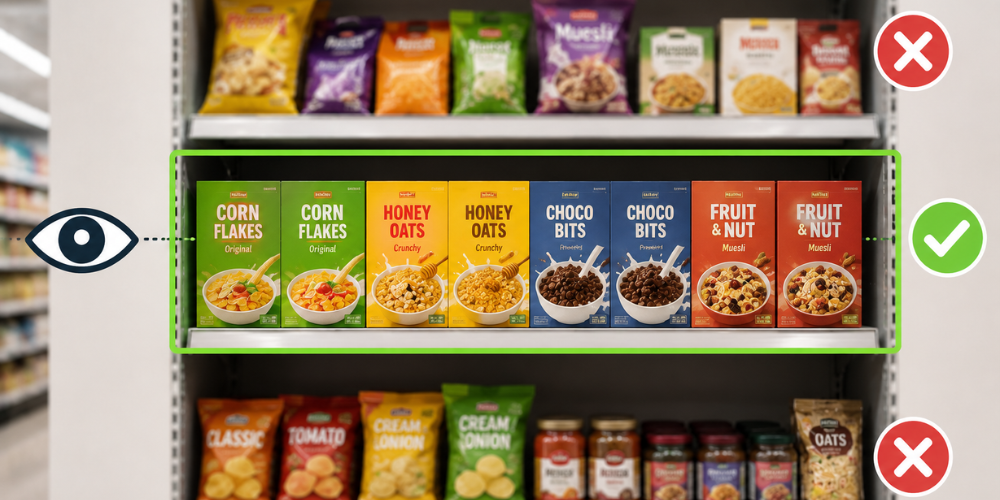
Eye-Level Placement Increases Product Sales
Products placed at eye level naturally attract more customer attention. Shoppers often scan shelves quickly and choose products that are easiest to notice. If a product is positioned at the center or eye-level zone, it gains higher visibility and stronger purchase probability compared to products placed on lower or corner shelves. This is why top FMCG brands continuously monitor shelf placement through field sales management systems and retail merchandising audits.
-
More Shelf Facings Improve Brand Visibility
Product facings have a direct impact on how customers perceive the product. Product facings have a direct impact on how customers perceive the product. When customers see multiple units of the same product displayed together, the brand appears more popular, trusted, and readily available. Larger shelf space also increases the chances of attracting customer attention in crowded retail environments. Using retail execution software helps field teams track shelf share and ensure products receive adequate display space across stores.
-
Proper Shelf Placement Boosts Impulse Purchases
Many FMCG purchases happen impulsively inside retail stores. Products placed near checkout counters, high-traffic aisles, or complementary product categories often generate unplanned purchases. Strategic shelf placement encourages customers to add products to their baskets even if they did not originally plan to buy them. Field sales tracking apps help companies monitor in-store product placement and improve retail visibility strategies across different outlet types.
-
Poor Shelf Visibility Helps Competitors Win
Even high-quality products lose sales when customers cannot see them. If competitor products dominate eye-level shelves or occupy larger display areas, shoppers are more likely to choose those brands first. Poor placement reduces brand visibility and weakens customer engagement at the point of purchase. This is why FMCG companies conduct regular retail audits and shelf monitoring activities using sales force automation software.
-
Organized Displays Improve Customer Trust
Well-arranged shelves create a stronger brand impression. Products displayed neatly with proper SKU alignment, clean branding, and visible packaging appear more professional and trustworthy to customers. Disorganized or cluttered shelves reduce product attractiveness and negatively affect buying behavior. Retail merchandising tools help field teams maintain consistent display standards across retail outlets.

-
Shelf Visibility Impacts Brand Recall
Customers are more likely to remember brands they frequently notice. Consistent shelf visibility across multiple retail stores strengthens brand recognition and increases repeat purchases over time. When products remain highly visible, customers become more familiar with the brand and develop stronger buying confidence. Using retail analytics dashboards and field reporting systems helps FMCG companies measure visibility performance across regions and outlets.
-
Retailers Influence Product Placement Decisions
Retailers control shelf placement for the most part. Brands with good retailer relationships tend to get more shelf space, prime display locations, and additional support in the store. Of course, retailers want to sell faster and sell for better profits. Distributor management software and retailer engagement tools can help FMCG brands better coordinate and have a stronger shelf presence.
-
Real-Time Shelf Monitoring Improves Retail Execution
Manual shelf tracking results in slow responses and execution gaps. Without real-time field reporting, companies may not know when products lose visibility, displays are taken down or competitors win more shelf share. Delayed action can directly impact retail sales performance.
With modern field sales apps, sales reps can upload shelf images, monitor merchandising activities, and report visibility problems in real time. This allows FMCG companies to ensure consistent retail execution and to continuously improve shelf performance.
How Delta Sales App Helps FMCG Brands Win at the Shelf
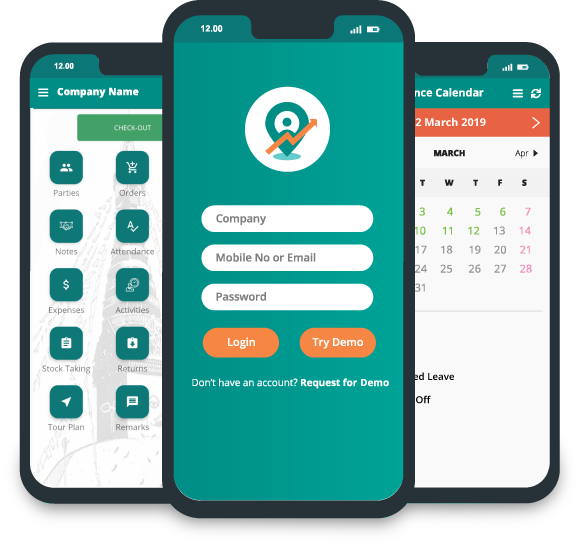
Delta Sales App is a field sales and retail execution platform designed to help FMCG companies improve how their products perform inside retail stores. Instead of relying on manual reporting and delayed updates, it connects field teams, managers, distributors, and retailers through real-time data.
The biggest impact of the platform is in retail execution ensuring that what is planned at the company level is actually implemented correctly at the retail shelf. It improves visibility, tracking, compliance, and decision-making so that FMCG brands can consistently win in-store battles where purchase decisions actually happen.
Here’s how it helps FMCG brands improve retail execution and shelf performance:
-
Improves Field Force Tracking and Outlet Coverage
The success of FMCG largely depends on the uniformity of field teams covering retail outlets. The system allows GPS-based tracking and structured beat planning to ensure sales representatives visit the assigned stores regularly and follow the planned routes. This reduces missed outlets, improves coverage efficiency, and ensures that no key retail point is missed. Improved visibility into the field enables managers to recognize execution gaps early and take corrective action before the sales are impacted.
-
Enhances Shelf Visibility Monitoring
Shelf visibility is a key factor for FMCG brands losing sales, even when the products are available in stores. Field teams can take images and report on store conditions in real-time when visiting. This helps brands to know whether their products are correctly positioned, visible and competing well with other brands on shelf. Better visibility tracking means shelf presence isn’t just left to chance but actively managed and corrected.
-
Strengthens Retail Execution Compliance
Many FMCG strategies fail because execution in the field does not match the plan. Structured workflows help ensure that merchandising standards, promotional setups, and SKU placements are followed correctly at each outlet. Field teams can report compliance instantly, allowing managers to verify execution quality across different regions. This reduces inconsistencies and helps maintain a uniform retail presence across thousands of stores.
-
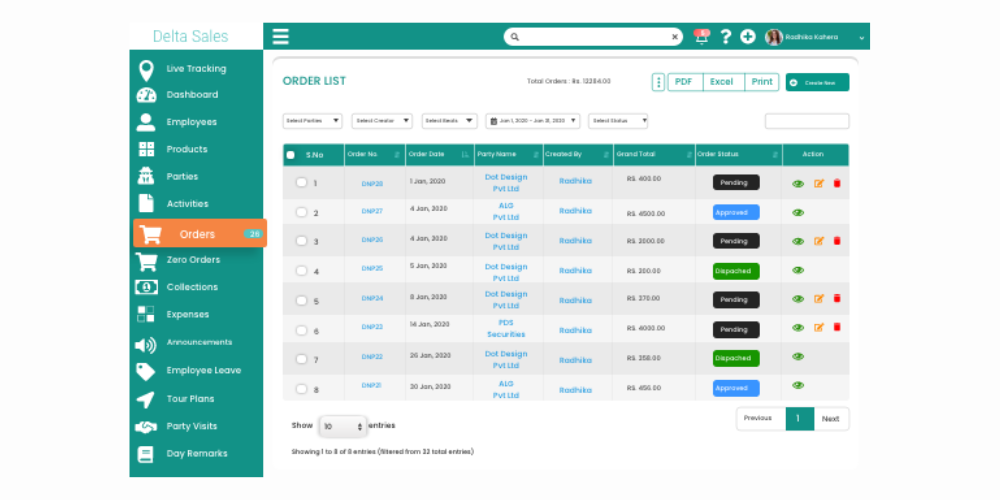
Improves Stock Availability and Order Accuracy
Stock-outs at the retail level are one of the biggest causes of lost FMCG sales. Digital order-taking and real-time stock reporting help field reps capture accurate orders during store visits. This improves replenishment speed and reduces errors caused by manual order entry. Better order accuracy ensures faster product availability at shelves, which directly increases sales opportunities.
-
Enables Real-Time Sales and Field Insights
FMCG companies often struggle with delayed market information, which slows down decision-making. Live dashboards and field reports help managers track sales performance, outlet activity, and market trends in real time. This allows companies to quickly identify underperforming areas, adjust strategies, and respond to market changes faster than competitors. Stronger visibility into field operations leads to smarter and faster business decisions.
-
Improves Retailer Coordination and Relationships
Retailer cooperation is as critical to retail execution as field teams. Better communication between field reps and retailers improves order flow, helps solve issues faster and maintain better in-store relationships. The more consistently a retailer can service and support on time the higher the likelihood that the brand will be placed on the shelf. This leads to a better product placement and a stronger long-term retail partnership.
-
Supports Data-Driven FMCG Decision-Making
Modern FMCG competition is driven by data, not assumptions. By collecting structured field data, brands can analyze SKU performance, outlet productivity, and regional demand patterns. This helps in better forecasting, improved inventory planning, and more effective sales strategies. Data-driven insights ensure that decisions are based on real retail conditions rather than guesswork.
Conclusion
The hidden reason top FMCG brands outsell their competitors at the retail shelf is not so hidden once you know where to look. "It’s in the quality of their systems of execution.” It’s in their ability to see what’s happening out there across thousands of outlets in real time. It’s in their reps’ confidence, their day-to-day productivity. It’s their managers’ job to have fresh, accurate data to act on, not stale reports.
If your brand is losing shelf space, missing distribution goals or seeing a competitor grow faster than you in markets you’ve been serving for years, the answer is almost never a bigger marketing spend or a better product. This is more appropriate. And better execution begins with better tools.
Delta Sales App is specifically built for FMCG and consumer goods companies that want to close the execution gap. This includes beat planning, retail visit tracking, real-time order management, secondary sales tracking, distributor management, and field force performance analytics. Everything your sales team needs to win at the shelf. All in one mobile-first platform.
Ready to see the difference? Book a free demo and discover how FMCG brands like yours are winning more shelf space, one outlet at a time.