
How Cloud Technology Is Transforming FMCG Distribution Software for Faster, Smarter Growth
The Fast-Moving Consumer Goods (FMCG) industry runs on speed, accuracy, and scale. Products move quickly, margins are tight, and distributors must manage thousands of retailers, frequent replenishment cycles, and complex supply chains. In such a high-pressure environment, traditional on-premise systems and manual processes often struggle to keep up.
This is where cloud technology is creating a powerful shift. Cloud-based FMCG distribution software is redefining how brands, distributors, and sales teams operate making processes faster, smarter, and far more adaptable. From real-time data access to smarter decision-making, the cloud is no longer just a technology upgrade; it’s a growth enabler.
Let’s explore how cloud technology is transforming FMCG distribution and why it has become essential for sustainable growth.
Understanding Cloud-Based FMCG Distribution Software
Cloud-based distribution software runs on remote servers instead of local systems. This means users can access data, applications, and reports from anywhere, at any time, using internet-connected devices.
For FMCG businesses, this shift eliminates dependency on physical servers, reduces IT maintenance costs, and ensures that everyone from field sales reps to warehouse managers works with the same up-to-date information. Instead of fragmented systems, cloud platforms create a single, connected ecosystem that supports faster operations and better collaboration.
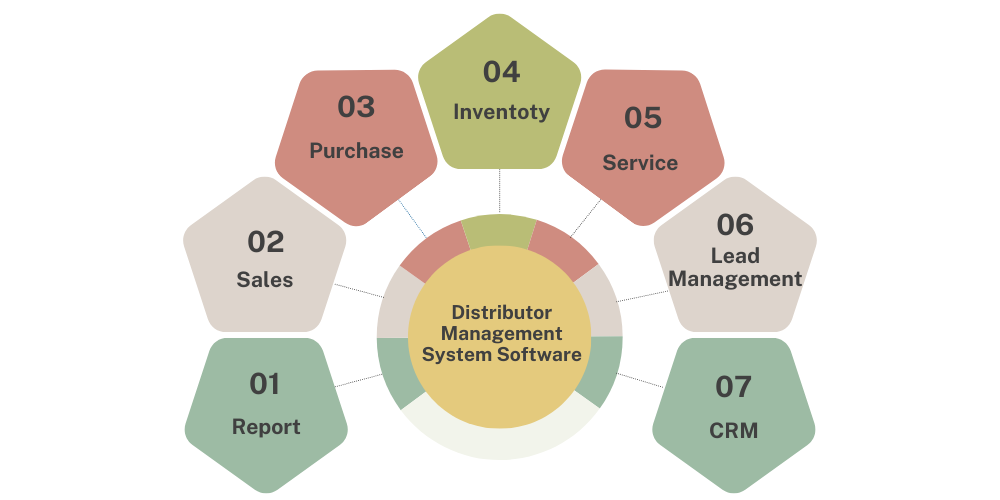
Cloud Technology Transforming FMCG Distribution Software for Faster, Smarter Growth
-
Real-Time Data Access for Faster Decision-Making
In FMCG distribution, timing is everything. A delayed decision can mean empty shelves, lost sales, or excess inventory. Cloud technology enables real-time data synchronization across sales, inventory, and distribution channels.
Sales teams can instantly see stock availability, managers can track order movement live, and distributors can monitor demand patterns without waiting for end-of-day reports. This immediate visibility allows businesses to respond quickly to market changes, seasonal spikes, or sudden drops in demand.
Real-time insights also strengthen sales automation for FMCG, helping teams prioritize high-impact actions instead of reacting too late.
-
Improved Field Sales Productivity Through Mobility
Field sales teams are the backbone of FMCG distribution. However, manual order-taking, delayed reporting, and disconnected systems often slow them down. Cloud-powered software changes this by enabling mobile-first operations.
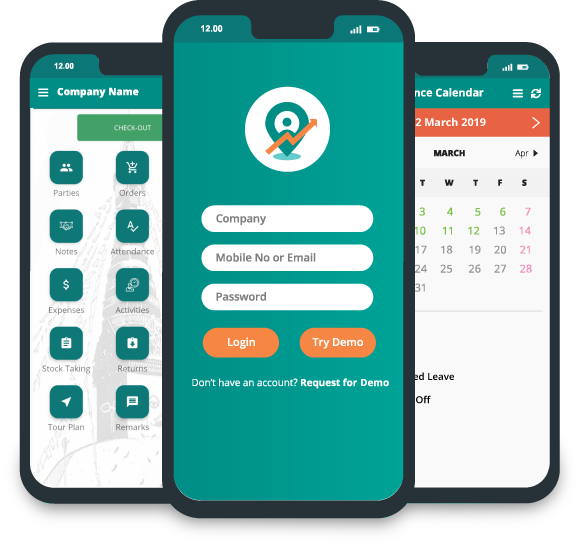
Sales representatives can place orders on-site, check real-time pricing, view retailer history, and update visit details instantly. All this data syncs automatically with the central system, eliminating paperwork and reducing errors.
This mobility directly enhances field sales management app capabilities, allowing businesses to scale sales operations without increasing administrative overhead.
-
Smarter Inventory Management and Reduced Stockouts
Inventory mismanagement is one of the biggest challenges in FMCG distribution. Overstocking increases holding costs, while stockouts result in lost sales and unhappy retailers. Cloud technology brings accuracy and intelligence into inventory planning.
By integrating sales data, historical trends, and real-time stock movement, cloud-based systems help distributors maintain optimal inventory levels. Automated alerts notify teams when stock reaches reorder thresholds, ensuring timely replenishment.
This level of control supports more reliable FMCG distribution management, helping brands meet demand consistently while minimizing waste.
-
Seamless Collaboration Across the Distribution Network
FMCG distribution involves multiple stakeholders manufacturers, distributors, sales teams, warehouses, and retailers. Cloud platforms act as a shared workspace where everyone operates on the same data set.
When updates happen in one area, they reflect instantly across the system. This transparency improves coordination, reduces miscommunication, and speeds up execution. Sales teams know what’s available, warehouses know what’s moving, and managers gain a holistic view of operations.
Such connectivity strengthens CPG sales software ecosystems, making them more responsive and resilient.
-
Scalability Without Infrastructure Complexity
As FMCG businesses grow, expanding into new territories or adding more distributors becomes inevitable. Traditional systems require costly infrastructure upgrades to support expansion. Cloud technology removes this barrier.
Cloud-based distribution software scales effortlessly. Businesses can add users, territories, or functionalities without investing in new servers or complex installations. This flexibility makes cloud solutions ideal for both fast-growing regional distributors and large national brands.
Scalable systems also complement cloud-based field sales, enabling companies to grow without disrupting ongoing operations.
-
Data-Driven Insights for Smarter Growth Strategies
Growth in FMCG is no longer driven by intuition alone. Cloud platforms collect and analyze vast amounts of data from sales performance to retailer behavior and route efficiency.
Advanced dashboards and analytics help managers identify top-performing products, underperforming regions, and emerging market opportunities. These insights enable smarter pricing strategies, optimized routes, and targeted promotions.
With access to actionable intelligence, businesses can align operations more closely with market demand, reinforcing strong distribution management system strategies.
-
Enhanced Security and Business Continuity
One common misconception about cloud technology is data insecurity. In reality, cloud platforms often offer higher security standards than traditional systems. Data encryption, automated backups, and controlled access protect sensitive business information.
Additionally, cloud systems ensure business continuity. Even if a local device fails or a location faces disruptions, data remains safe and accessible. This reliability is crucial for FMCG businesses that operate continuously across regions.
Secure access also supports modern sales force automation, ensuring sensitive sales and customer data stays protected.
-
Faster Implementation and Lower Total Cost of Ownership
Implementing traditional distribution software can take months and require heavy upfront investment. Cloud-based solutions, on the other hand, are faster to deploy and easier to maintain.
Updates happen automatically, IT costs are reduced, and businesses pay only for what they use. This lower total cost of ownership allows FMCG companies to invest more in growth initiatives rather than infrastructure maintenance.
These efficiencies make cloud adoption a practical step toward modern retail execution app models.

-
Preparing FMCG Businesses for the Future
Consumer expectations are evolving rapidly. Retailers demand faster service, accurate deliveries, and consistent availability. Cloud technology equips FMCG distributors to meet these expectations with agility and confidence.
As digital adoption increases across the supply chain, cloud-based FMCG distribution software becomes a foundation for future innovations such as AI-driven forecasting, predictive analytics, and deeper market insights.
Conclusion
Cloud technology now drives FMCG distribution by enabling real-time visibility, smarter inventory control, mobile sales execution, and scalable growth helping brands and distributors operate faster, make better decisions, and stay competitive in evolving markets.
Delta Sales App supports this transformation by offering cloud-powered tools for field sales automation, real-time order management, distributor visibility, and actionable analytics. It helps FMCG businesses streamline daily operations, improve sales productivity, reduce stock gaps, and make data-driven decisions that fuel long-term, sustainable growth in a digital-first distribution ecosystem.
Power your FMCG distribution with Delta Sales App and know how it can help you to sell smarter, move faster, and grow stronger.