
Modern Trade: The Future of Retail and How Brands Can Thrive
-1786961334.png)
The retail landscape has undergone a massive transformation over the past few decades, and modern trade has emerged as a driving force behind this change. Unlike traditional trade, which relies on small, unorganized retail outlets, modern trade represents organized, large-scale retail formats such as supermarkets, hypermarkets, and chain stores. With its focus on efficiency, technology, and customer-centric strategies, modern trade is shaping the future of retail. For brands, understanding and leveraging modern trade is no longer optiona, it’s essential for survival and growth in a competitive market.
For FMCG brands, modern trade is no longer a "nice to have" channel. It's where category visibility gets built, where premium positioning happens, and where a growing share of urban consumer spending is concentrated. Winning here takes a different playbook than general trade and that playbook is what this guide covers.
In this blog, we’ll explore what modern trade is, why it’s the future of retail, and how brands can thrive in this evolving ecosystem.
What is modern trade?
Modern trade refers to organized retail formats that operate on a large scale, often with multiple outlets or chains. In India and Nepal, well-known modern trade formats feature DMart, Reliance SMART/Fresh, Spencer's, Star Bazaar, Big Bazaar-style hypermarkets, and Metro Cash & Carry, in addition to international brands such as Walmart, Tesco, and Carrefour found in other regions. What sets modern trade apart from general trade:
-
Centralized purchasing: Buying decisions run through category teams at a head office, not store-by-store negotiation.
-
Planogram-driven shelf layouts: Product placement is contracted and standardized, not left to a shopkeeper's discretion.
-
Listing and slotting fees: Brands typically pay to get a new SKU listed and to secure a premium shelf position, which changes the ROI math versus general trade.
-
Advanced supply chain systems: centralized warehousing, automated replenishment, and POS-linked inventory data.
-
Wide assortment, including private labels: Modern trade retailers stock their own house brands, which directly compete with national brands for shelf space.
These structural differences aren't just operational details; they fundamentally change how brands need to plan, budget, and execute their retail strategy. A brand accustomed to negotiating shelf space with individual shopkeepers in general trade will find modern trade's centralized buying, contracted planograms, and listing fees to be a completely different game, one that demands more upfront investment but offers far greater scale and visibility in return. For a closer look at how these two retail models compare across store format, pricing, technology, and customer experience, check out our detailed guide on Modern Trade vs. General Trade.
Why Modern Trade is the Future of Retail
Retail is changing as consumer expectations, technology, and shopping behaviors evolve. Modern trade has many advantages, such as convenience, variety of products, competitive pricing and a smooth shopping experience that customers of today seek. The proliferation of supermarkets, hypermarkets, and retail chains in urban and emerging markets has opened up new avenues for FMCG brands to tap into bigger customer bases. With retailers becoming more data-driven, and more automated and efficient in their supply chains, brands need to change the way they sell and distribute to remain competitive. This shift is making modern trade not just another channel of retail but a critical growth engine for the future of retail.
1. Changing Consumer Behavior
Urban consumers are looking for a seamless shopping experience where they can find everything they need in one place. They appreciate a diverse selection of products, clear pricing, and rewards programs that enhance their shopping journey. This growing preference for convenience over the hassle of visiting multiple stores is a key factor driving the expansion of modern trade in urban areas.
2. Technology-Driven Efficiency
Modern trade leverages technology to streamline operations, from inventory management to customer engagement. For example, data analytics helps retailers understand consumer behavior, optimize stock levels, and personalize marketing efforts. This efficiency translates into better margins and improved customer satisfaction.
3. Expansion of E-commerce and Quick Commerce
Most large Modern trade retailers now run hybrid online-offline operations, and quick-commerce platforms have layered a new fulfillment model on top of the traditional supermarket format. For brands, this means modern trade strategy now has to account for both physical shelf presence .
4. Focus on Sustainability
Modern trade retailers are increasingly adopting sustainable practices, such as reducing plastic waste, sourcing ethically, and promoting eco-friendly products. This aligns with the growing consumer demand for environmentally responsible brands.
5. Globalization of Retail
Organized retail chains are expanding beyond metro markets into tier-2 and tier-3 cities across India, Nepal, and Southeast Asia. That opens new territory for brands that previously only had general trade reach in those regions.
How Brands Can Thrive in Modern Trade
Success in modern trade is more than simply getting products into retail stores. Brands need a well-thought-out strategy of efficient distribution, consistent retail execution, data-driven decision-making, and strong relationships with retail partners. Execution is the key to growth in all aspects, from ensuring products are always on shelves to analyzing sales performance and monitoring promotional campaigns. Companies that will embrace digital technologies, streamline field sales operations, and act on market insights will be more likely to increase visibility, improve consumer satisfaction, and achieve sustainable success in the competitive world of modern trade.
-1786959252.png)
1. Build Structured, Strong Retail Partnerships
Modern trade relationships run through centralized buying teams and formal contracts, not informal report. Brands need dedicated key account management, clear commercial terms, and a track record of fulfilling listing and promotional commitments.
2. Use Sell-Out Data, Not Just Sell-In Data
A lot of brands focus primarily on sell-in data, the quantity of inventory shipped to distributors or retail stores. This is important for tracking distribution, but it doesn’t tell us if products are actually being purchased by consumers. But sell-out data shows what customers are actually buying off the retail shelves, providing a clearer picture of real market demand. By combining sell-out and sell-in data, brands can identify their best sellers, spot slow-moving inventory before it becomes overstock, and see regional buying trends. Such insights help businesses make better decisions on replenishment, promotions, pricing, and product assortment.
3. Focus on Private Labels and Exclusivity
Many modern trade retailers offer private labels, which compete directly with established brands. Brands need a clear differentiation strategy: innovation, exclusive SKUs or pack sizes for specific retailers, or bundle promotions that private labels can't easily replicate.
4. Win the Planogram
In modern trade, the battle for shelf space is intense. Interactive displays and sampling campaigns can also drive impulse purchases. Investment in compliant, eye-catching secondary displays, end-caps, and in-store sampling matters more here than in general trade, where personal rapport with the shopkeeper does more of the work.
5. Embrace Digital Transformation
Brands must integrate digital tools into their modern trade strategies. For instance, QR codes on packaging can provide additional product information or discounts, while mobile apps can enhance customer engagement. Additionally, brands should explore e-commerce partnerships with modern trade retailers to reach online shoppers.
6. Adapt to Local and Regional Markets
Regional stores within the same modern trade chain often have unique assortments and varying sensitivities to pricing. As brands expand into tier-2 and tier-3 markets, it's essential to adapt pack sizes, pricing strategies, and promotional efforts to resonate with local consumers instead of applying a one-size-fits-all national approach.
7. Budget for Listing and Slotting Fees
Entering modern trade (MT) is not as straightforward as traditional retail; it often involves additional expenses like new SKU listing fees, promotional slotting charges, and category review cycles. Brands venturing into MT should be prepared for these costs as part of their launch strategy, rather than viewing them as unexpected hurdles.
The Road Ahead for Modern Trade
Modern trade is set to become increasingly vital in the future of FMCG retail, influenced by the rise of digital technology, evolving consumer preferences, and more intelligent retail practices. As organized retail grows, brands must adapt by stepping away from conventional selling techniques and integrating technology to remain relevant. Achieving success will hinge on having real-time insights, making quicker decisions, managing supply chains effectively, and fostering stronger partnerships among manufacturers, distributors, retailers, and sales teams in the field.
Investing in modern retail management, sales automation, retail execution, and data-driven sales strategies allows businesses to enhance product availability, optimize promotions, and create a seamless customer experience in every store.

Here are some key trends that are shaping the future of modern trade:
-
More businesses are embracing AI-driven sales analytics and business intelligence to make informed decisions.
-
Sales Force Automation (SFA) is increasingly being utilized for effective field sales management.
-
Companies are adopting real-time inventory and secondary sales tracking to stay agile.
-
Omnichannel retail strategies are becoming essential, blending offline and online sales for a unified approach.
-
Smarter demand forecasting is helping to minimize stockouts and prevent excess inventory.
-
Digital merchandising and retail audit solutions are improving shelf execution and product visibility.
-
There is a growing emphasis on collaboration among brands, distributors, and retail chains through connected digital platforms.
-
Mobile-first tools are empowering field sales representatives to gather store insights and respond swiftly.
As the retail landscape evolves into a more data-driven environment, brands that focus on agility, automation, and excellence in retail will be best positioned to expand their market share and achieve lasting success in modern trade.
How Delta Sales App Helps Brands Succeed in Modern Trade
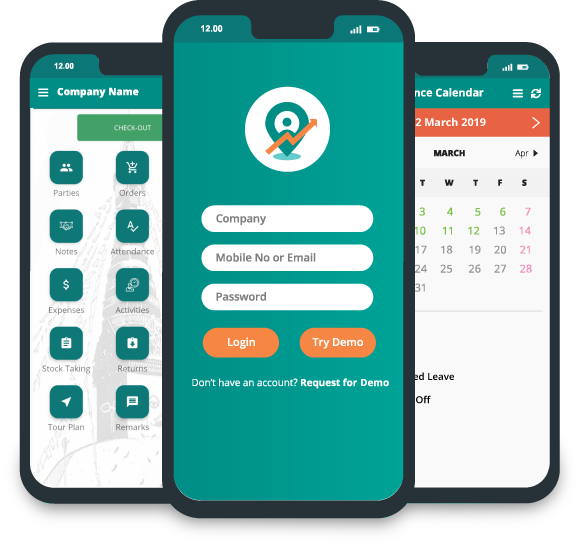
Managing modern trade is all about having a clear view of everything happening in the field: sales activities, how products are displayed in stores, inventory levels, distributor performance, and what’s going on in-store. With retail chains pushing for quicker restocking, better product availability, and precise reporting, relying on manual processes just doesn’t cut it anymore. The Delta Sales App steps in as a comprehensive Sales Force Automation (SFA) solution, designed to help FMCG brands, manufacturers, and distributors simplify their modern trade efforts. Whether it’s planning store visits, keeping track of secondary sales, or analyzing retail performance, this platform provides businesses with the essential tools to enhance execution, boost productivity, and make informed, data-driven choices.
-
Optimize Field Sales with Smart Beat Planning
Effective store coverage is crucial for thriving in modern trade. The Delta Sales App empowers sales managers to craft personalized beat plans and schedule store visits according to specific territories, making sure that every outlet receives timely attention. With the added benefit of GPS-based field sales tracking, businesses can keep an eye on their sales representatives in real time, enhancing route efficiency, minimizing travel time, and maximizing valuable store visits.
-1786959244.png)
-
Improve Retail Execution Across Every Store
Human-centric retail execution guarantees product availability, optimal display, and effective promotional support. The Delta Sales App empowers field teams to conduct store audits, capture shelf images, assess product availability, ensure merchandising compliance, and track promotional activities directly from their mobile devices. This approach enables brands to enhance their shelf presence, boost planogram adherence, and create a more engaging in-store experience for customers.
-
Track Secondary Sales in Real Time
Grasping how products move beyond just primary distribution is essential in today’s retail landscape. By utilizing a secondary sales tracking system, businesses can see real-time sales data at the retailer level. This visibility helps them spot which products are flying off the shelves, understand demand in different regions, and make smarter decisions about restocking. These valuable insights lead to more effective inventory management, helping to prevent both stock shortages and surplus inventory.
-
Simplify Order Management and Inventory Control
In today's fast-paced retail environment, ensuring that orders are fulfilled accurately and on time is crucial. The Delta Sales App brings a human touch to the order management process by enabling sales representatives to effortlessly capture orders in real-time while keeping an eye on inventory levels. This not only enhances the accuracy of orders but also accelerates the fulfillment process, reduces the chances of human error, and guarantees that retailers receive their products exactly when they need them.
-
Strengthen Distributor and Retailer Collaboration
Successful modern trade thrives on effective collaboration among brands, distributors, and retail partners. The Delta Sales App enhances communication by consolidating sales activities, order details, inventory updates, and retailer information into one user-friendly platform. This improved teamwork fosters quicker problem-solving, higher service standards, and enhanced distributor effectiveness.
-
Make Smarter Decisions with Business Intelligence
In today's retail landscape, modern trade produces an abundance of sales and retail data. The Delta Sales App takes this wealth of information and turns it into meaningful insights through user-friendly Business Intelligence (BI) dashboards and analytics. Sales managers can easily keep track of key performance indicators (KPIs), assess the performance of their field teams, explore sales trends, gauge retailer productivity, and spot opportunities for growth. This empowers them to make quicker and more informed decisions that can positively impact their business.
-
Increase Productivity with Mobile Sales Automation
Delta Sales App transforms the way field sales teams operate by moving away from cumbersome manual reporting and spreadsheets. With its mobile-first design, the app streamlines essential daily activities like tracking attendance, visiting customers, collecting orders, reporting expenses, and managing sales data. This shift enables field representatives to focus more on building relationships with retailers rather than getting bogged down by administrative duties. As a result, they can enhance their productivity and work more efficiently, ultimately leading to better sales outcomes and a more connected approach to customer engagement.
Conclusion
Modern trade is not just a trend, it’s the future of retail. By offering efficiency, convenience, and a superior shopping experience, modern trade has revolutionized the way consumers shop and brands operate. For brands, success in this space requires a combination of strategic partnerships, data-driven insights, and a customer-centric approach. By embracing modern trade and staying agile in the face of change, brands can unlock new opportunities and achieve sustainable growth in the retail industry.
If you're looking to streamline your modern trade operations, improve field sales productivity, and gain complete visibility across your distribution network, Delta Sales App can help. From Sales Force Automation and secondary sales tracking to retail execution, order management, and business intelligence, it provides everything your team needs to succeed in today's fast-changing retail market.
Ready to take your modern trade strategy to the next level? Book a free demo of Delta Sales App today and discover how our intelligent field sales automation platform can help your brand grow faster, execute better, and achieve long-term success.