Why Do Industrial Distributors Need Real-Time Sales Insights?
Industrial distributors manage multiple dealers, product categories, field reps, and customer accounts across different territories. To keep things running, managers need to know which orders are coming in, which customers need follow-up, how reps are actually performing, and whether collections are moving the way they should.
But when sales information only arrives through delayed DSRs, spreadsheets, or phone calls, managers end up deciding on data that's already stale. A pending quotation goes unnoticed. A regular dealer quietly stops ordering. An overdue payment sits unresolved because nobody flagged it in time.
Real-time sales insight gives industrial distributors timely visibility into field activity, orders, customer relationships, collections, and territory performance. That's what lets managers catch operational gaps early and decide based on what's actually happening now, not on an assumption built from last week's data.
What Goes Wrong When Industrial Distributors Work With Delayed Sales Data
Industrial distribution often involves repeat orders, negotiated pricing, product availability, and long-term dealer relationships. When sales information is delayed, managers have less time to respond to changing customer requirements and operational problems.
-
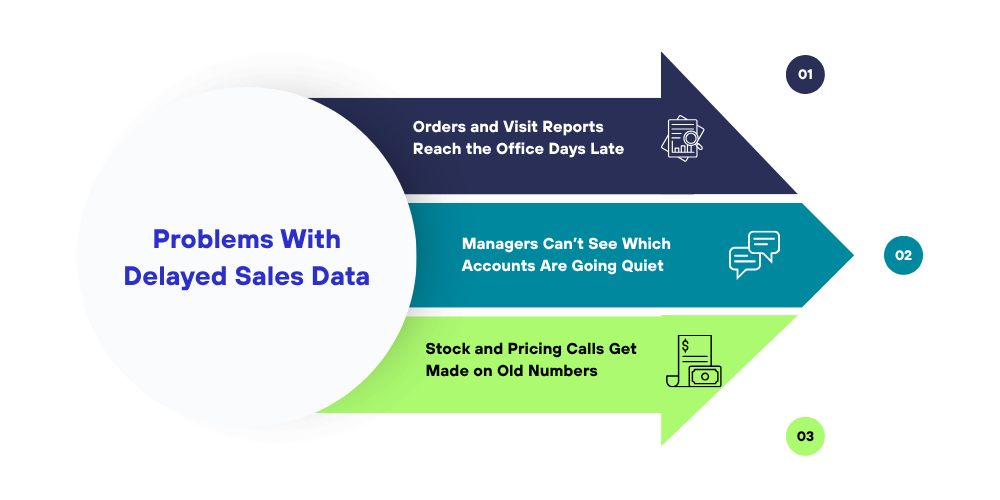
Orders and Visit Reports Reach the Office Days Late
A lot of distributors still depend on reps submitting visit reports and order details manually. When that information arrives late, managers can't verify which visits actually happened, can't process customer requirements promptly, and can't monitor daily sales performance in anything close to real time. A rep might visit six dealers in a single day, and if the order details don't reach the office until the next morning; the team's already lost the window to coordinate what happens next.
-
Managers Can’t See Which Accounts Are Going Quiet
A regular dealer can quietly cut order quantities, push back repeat purchases, or start buying from a competitor without anyone noticing right away. When managers only look at monthly totals, these shifts hide inside a number that still looks fine. Customer-wise sales history, recent visits, and reorder gaps are what surface the accounts that actually need attention before a declining pattern turns into a real problem.
-
Stock and Pricing Calls Get Made on Old Numbers
Outdated sales data leads to poor replenishment decisions, excess inventory sitting around, or missed sales that a competitor picks up instead. A manager working off stale numbers can miss rising demand for a fast-moving SKU or keep restocking something demand has already moved away from. Timely order information is what lets distributors review product movement and make stock and pricing decisions based on what's actually happening, not a snapshot from two weeks ago.
How Real-Time Sales Insights Help Industrial Distributors
Real-time sales insights connect field activities with daily management decisions. Instead of waiting for reports at the end of the week or month, managers can identify issues sooner and coordinate follow-ups while sales opportunities are still active.
-
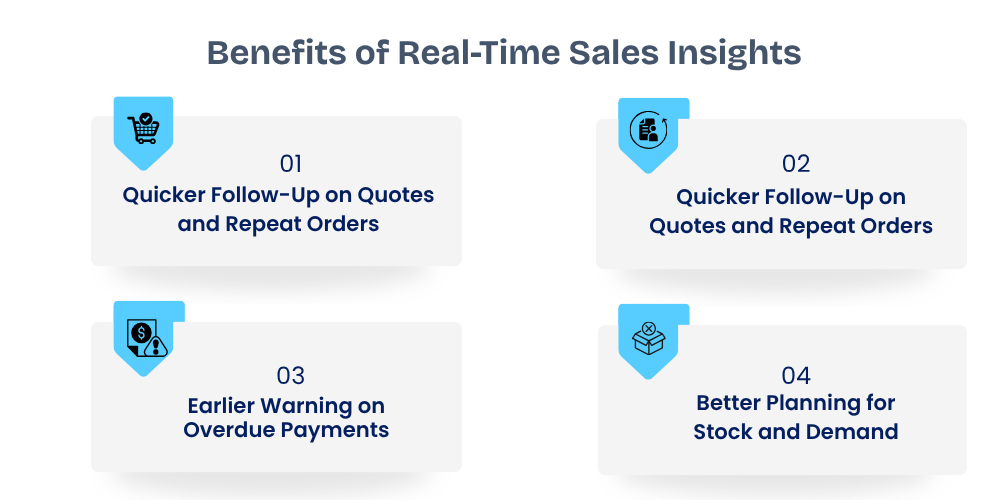
Quicker Follow-Up on Quotes and Repeat Orders
Industrial sales usually involve quotations, negotiated prices, and several rounds of discussion before an order gets confirmed. Tracking open quotations and their follow-up dates keeps reps focused on the opportunities actually worth chasing, instead of letting them go cold. Managers can also spot customers who haven't reordered within their usual purchasing cycle and look into whether that's a replenishment need or something else going on.
-
Clearer View of Rep Activity Across Territories
Field activity data helps managers compare what was planned with what happened during customer visits. They can see which visits were missed, which accounts did not get attention, and which routes might need changes. When visit data is combined with order results, it gives a view of how well representatives are doing. This is more helpful than counting how many visits took place. Using a sales tracking app helps industrial distributors monitor field activities, review order updates, track sales performance, and identify gaps across territories.
-
Earlier Warning on Overdue Payments
Delayed collection reporting makes it harder to prioritize outstanding accounts and coordinate payment follow-ups. Timely collection updates help managers identify customers requiring attention and work with the finance team to resolve delays. For accurate decisions, reported collections should be reconciled with invoice and payment records.
-
Better Planning for Stock and Demand
Sales trends help distributors identify growing demand, declining product movement, and changes in customer ordering patterns. This information supports better replenishment planning and helps purchasing teams review stock requirements. For reliable forecasting, sales insights should be considered alongside current inventory, supplier lead times, and pending orders.
Which Real-Time Insights Matter Most for Industrial Sales Teams
Industrial distributors do not need to monitor every available metric. They should focus on the information that helps them manage field execution, customer relationships, sales opportunities, and cash flow.
-
Visits and Calls by Rep
Managers should track planned versus completed visits, unique accounts covered, missed visits, and territory coverage. These are what reveal the gaps in beat plan execution and whether reps are actually reaching the priority customers they're supposed to.
-
Orders Booked and Quotes Still Open
Order value, order volume, pending quotations, and follow-up status help managers understand how field activity translates into sales. These metrics also reveal opportunities that may need pricing discussions or additional customer follow-up.

-
Customer-Wise Sales and Reorder Gaps
Customer-wise sales reports highlight changes in order frequency, average order size, and purchasing patterns. Monitoring reorder gaps helps representatives identify dealers who may need follow-up, based on their normal buying cycles.
-
Collections and Outstanding Balances
Collection reports help managers monitor payments reps have recorded, outstanding accounts, and how follow-up is actually progressing. Combined with verified finance records, this is what keeps sales and accounts actually coordinated instead of working off two different versions of the truth.
-
Sales by Territory and Product Line
Territory-wise and product-wise sales data helps managers identify growth opportunities, declining demand, and differences in market performance. These insights support decisions about customer coverage, sales targets, and inventory priorities.
How Delta Sales App Gives Industrial Distributors Real-Time Visibility
Managing field teams through separate spreadsheets, calls, and messaging applications can make sales reporting difficult as a distributor grows. Field sales automation helps organize daily activities and gives managers a more consistent view of field execution.
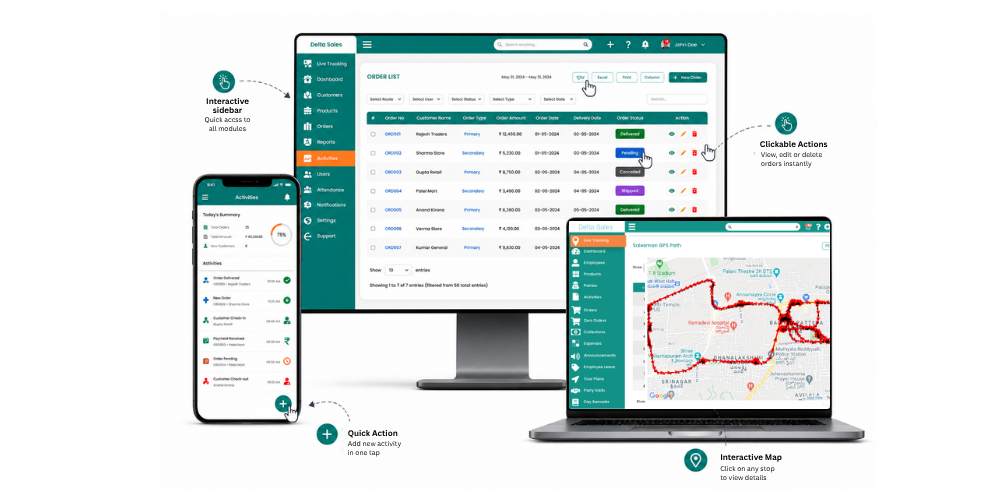
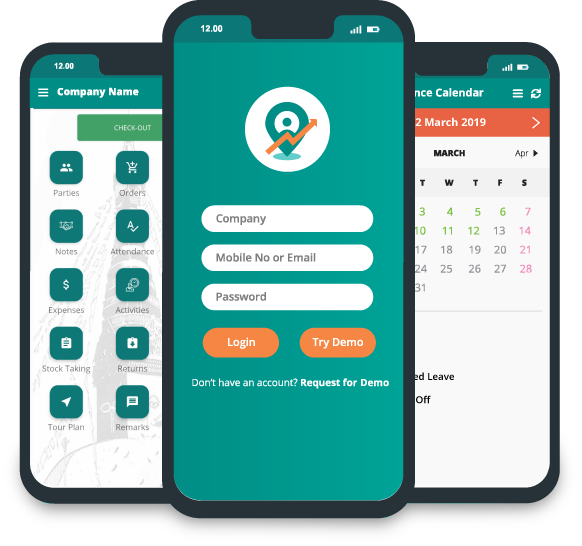
Delta Sales App supports field sales operations through employee location tracking, visit monitoring, mobile order management, beat planning, attendance management, and sales reporting.
-
Live Visit and Field Activity Tracking
Delta Sales App supports GPS-based employee location tracking and field activity monitoring, helping managers review representative movements and recorded customer visits. This visibility helps distributors monitor territory coverage, review beat plan execution, and identify visits that may require follow-up.
-
Orders Booked From the Field and Visible at Once
Mobile order management helps representatives record customer requirements during field visits. Once orders are submitted and synchronized, managers can review available order information without waiting for separate manual reports. This helps teams coordinate order processing, monitor sales across territories, and respond to customer requirements sooner. Stock availability and order fulfillment still need to be confirmed through the relevant operational systems.
-
Reports Managers Can Open Any Day, Without Chasing Reps
Delta Sales App provides sales reporting and dashboards that help managers review available field activity and sales information. Instead of repeatedly contacting representatives for updates, managers can use recorded visits, orders, and other configured metrics to identify performance gaps and prioritize follow-ups. Offline-first functionality also supports field operations in areas with limited connectivity. However, information recorded offline becomes visible to other users after the device reconnects and synchronizes.
Conclusion
Industrial distributors need real-time sales insights to monitor field activity, respond to customer requirements, manage collections, and make better stock and territory decisions. Delayed reporting makes it harder to identify problems before they affect sales and customer relationships.
By tracking visits, orders, customer-wise sales, collections, and product trends, managers can make more informed decisions and coordinate their teams more effectively. Delta Sales App helps distributors improve field visibility through location tracking, visit monitoring, mobile order management, beat planning, and sales reporting.
Want better visibility into your field sales operations?
Book a free demo of Delta Sales App to explore how field sales automation can help your team track activity, monitor orders, and make more informed sales decisions.