
Why Retailers Stop Buying Your Products (And How to Win Them Back)
A retailer who has been ordering from you for months suddenly stops. At first, it looks like a temporary pause. Then weeks pass without a reorder, your shelf space starts shrinking, and before long, a competitor's products have taken your place. If this sounds familiar, you're not alone.
Many businesses assume retailers stop buying because of price or product quality. While these factors can play a role, they are rarely the only reason. In most cases, retailers leave because of inconsistent service, stock availability issues, delayed deliveries, weak follow-ups, or better support from competing brands. These problems often build up over time, causing retailers to gradually lose confidence in your business.
For FMCG companies, manufacturers, distributors, and wholesalers, losing an existing retailer is more expensive than acquiring a new one. Every inactive outlet represents lost revenue, reduced market coverage, and an opportunity for competitors to strengthen their presence. That's why successful businesses focus not only on gaining new retail partners but also on retaining the ones they already have.
The good news is that retailers rarely stop buying without giving warning signs. Declining order frequency, smaller order values, reduced product variety, and fewer interactions with your sales team are all indicators that something needs attention. Businesses that identify these signals early and respond with the right strategy can often rebuild retailer relationships before they're lost.
In this blog, we'll explore the most common reasons retailers stop buying your products, the early warning signs of retailer churn, and practical strategies to win them back. You'll also learn how using the right field sales and distribution tools can help your team improve retailer engagement, prevent customer loss, and drive consistent repeat orders.
Why Retailers Stop Buying Your Products
Retailers make buying decisions based on profitability, convenience, and service. If your brand no longer delivers value in these areas, they'll quickly switch to alternatives.
-1784694914.png)
Inconsistent Sales Visits
Retailers value consistent communication with their sales representatives. When visits are infrequent, they can feel overlooked and unsupported. This can lead to stock shortages going unnoticed, missed promotional opportunities, or even a shift towards competitors who foster stronger connections. Implementing a thoughtful beat planning process guarantees that every retailer receives regular visits, helping to keep them engaged and active.
Frequent Stockouts
Retailers are deeply frustrated when they face demand without the necessary supply. When products are often out of stock, they tend to turn to brands they can trust and rely on. Implementing an inventory management system allows distributors to keep a close eye on stock levels and prevent any interruptions in supply.
Competitors Offer Better Support
Retailers look beyond just pricing when making decisions. They consider factors such as:
-
More appealing promotions
-
Quicker delivery times
-
Regular and personal visits
-
Eye-catching product displays
-
Simplified ordering processes
-
Swift resolution of issues
When competitors consistently create a more positive experience, retailers are likely to change their purchasing habits over time.
Poor Retail Execution
Even the best products can falter if they aren't showcased effectively. When promotional materials are absent, shelf placement is subpar, or merchandising lacks consistency, product visibility diminishes, leading to a drop in sales. A robust retail execution app empowers field teams to ensure displays are set up correctly, capture engaging store images, and uphold merchandising standards that resonate with customers.
Delayed Deliveries and Order Fulfillment
Retailers depend on prompt deliveries to keep their shelves filled and satisfy customer needs. When deliveries are delayed, it disrupts their daily operations and may lead them to seek products from alternative suppliers. Common culprits for these delays include manual order processing, communication breakdowns between distributors and sales teams, and inefficient logistics. Such challenges not only diminish retailer satisfaction but also heighten the risk of losing loyal customers.
Weak Retailer Relationships and Poor Communication
Strong retailer relationships are built through consistent communication and reliable support. Retailers appreciate suppliers who listen to their concerns, respond quickly, and maintain regular contact. When businesses fail to communicate effectively, retailers often feel undervalued. Small issues that could have been resolved early may escalate into reasons for switching suppliers.
Retailers Don't Feel Valued
Retailers seek meaningful partnerships rather than mere transactions. When their feedback is overlooked, issues are left unresolved, or their contributions go unrecognized, it erodes loyalty over time. Taking simple steps, such as checking in on their satisfaction during visits or providing tailored incentives, can greatly enhance their sense of value and improve retention.
Early Warning Signs That a Retailer May Stop Buying
Retailers typically don’t stop purchasing your products abruptly; they often give subtle hints beforehand. You might notice slight shifts in their buying habits that suggest they’re losing interest or exploring other options. Sadly, many companies only realize there’s an issue when orders have completely ceased, making it much tougher to mend the relationship.
By keeping a close eye on retailer activities, sales teams can catch these early signs, delve into the root causes, and take action before losing important customers. Regularly tracking sales trends, interactions with retailers, and order patterns is crucial for enhancing retailer loyalty and minimizing churn.
Here are some common warning signs to be aware of:
-
Orders Become Less Frequent
One of the first signs that a retailer might be losing interest is when you notice they are taking longer to place orders. If a retailer who used to order every week or every other week suddenly shifts to ordering just once a month or even skips orders, it can be a red flag. This change often points to a lack of confidence in your products, potential supply chain problems, or perhaps they are turning to competitors.
-
Order Quantities Start Decreasing
Even when retailers keep placing orders, if they’re consistently buying fewer units than they used to, it’s a signal that something might be off. This could mean that customer interest is waning, they have too much stock on hand, or they might be looking at other brands. By looking back at past order data, businesses can identify these decreasing purchase trends and dig into the underlying causes before the retailer decides to stop ordering altogether.
-
Fewer Product Variants Are Being Ordered
Retailers that once stocked your complete product range may begin ordering only a few fast-moving SKUs. This often means they are testing competitor products, reducing shelf space, or losing confidence in slower-selling items. Monitoring SKU-level sales helps businesses identify which products are underperforming and develop strategies to improve product movement.
-
Competitor Products Begin Replacing Yours
As competitors' products begin to take up more shelf space and yours fade into the background, it signals a shift in the retailer's buying habits. This change might stem from more attractive pricing, compelling promotions, enhanced customer service, or a steadier supply of products.

-
Retailers Become Less Engaged During Sales Visits
Retailers who are starting to lose interest may become less engaged with sales representatives. They might shy away from conversations, display minimal enthusiasm for new product launches, or turn down promotional offers they once embraced. These shifts in behavior can often indicate underlying dissatisfaction that hasn't been openly expressed.
-
Complaints Become More Frequent
An increase in complaints about product quality, delivery delays, billing errors, or service issues shouldn't be ignored. Even small unresolved problems can accumulate and damage the retailer relationship over time. Businesses that respond quickly to complaints demonstrate reliability and strengthen retailer trust, while delayed resolutions often push retailers toward competitors.
-
Payments Are Frequently Delayed
Late or inconsistent payments can sometimes indicate that products are moving slowly or that retailers are reducing their investment in your brand. While delayed payments don't always mean a retailer is about to leave, they should prompt further investigation. Reviewing payment trends alongside sales performance provides a clearer picture of the retailer's overall health and engagement.
-
Sales Representatives Miss Planned Visits
Sales representatives may sometimes overlook the importance of consistent follow-up, which can create challenges for retailers. When visits are missed, it can result in delays in collecting orders, unresolved issues, and strained relationships. This opens the door for competitors to take advantage of the situation
How to Win Retailers Back
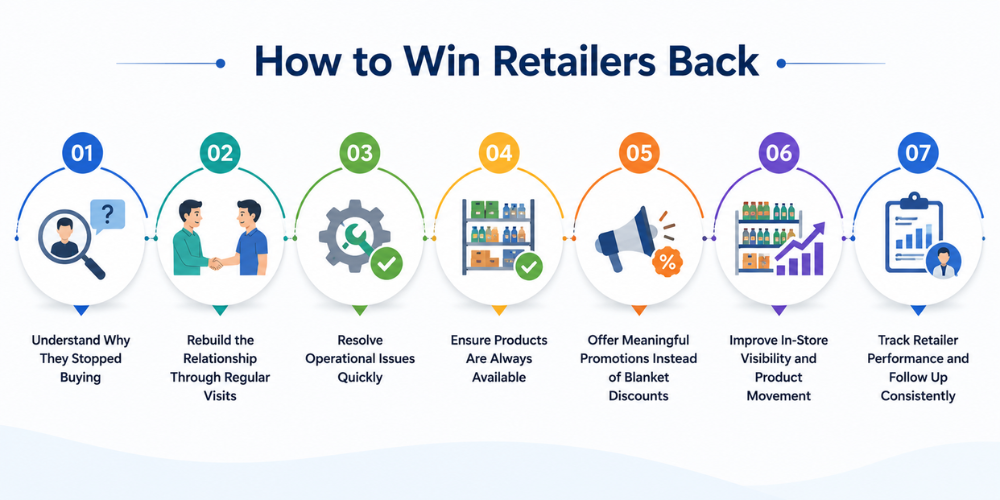
Reconnecting with a retailer doesn’t have to be a lost cause. Often, retailers are open to rekindling business relationships if their concerns are genuinely heard and addressed. It’s crucial to dig deep and understand the real reasons behind their dissatisfaction, rather than jumping to conclusions about pricing or product quality.
To win back retailers, a thoughtful approach is essential. This means enhancing communication, resolving issues swiftly, and maintaining regular follow-ups. Rather than just aiming for another sale, businesses should focus on rebuilding trust and showcasing their commitment to providing lasting value. Here are some effective strategies to bring inactive retailers back into the fold and strengthen those important relationships.
-
Understand Why They Stopped Buying
Before considering discounts or promotions, it's important to connect with the retailer and understand their reasons for halting orders. Each retailer has unique priorities, and their concerns might stem from issues like stock shortages, delivery delays, or even better deals from competitors. Take the time to visit them or engage in a meaningful conversation. Ask open-ended questions about their experiences and genuinely listen to their feedback. By grasping the underlying issues, your sales team can offer tailored solutions that truly address their needs, rather than relying on assumptions.
-
Rebuild the Relationship Through Regular Visits
Retailers are more inclined to come back when they feel genuinely supported by your sales team. While one visit can spark a conversation, it’s the ongoing follow-ups that truly help rebuild trust over time. During each visit, sales representatives should take the time to check on product availability, engage in discussions about customer demand, share exciting new offers, and listen to any concerns the retailer may have. Implementing beat planning ensures that every outlet receives regular attention, while tracking customer visits allows managers to stay informed about field activities and follow-ups, fostering a more personal connection.
-
Resolve Operational Issues Quickly
Retailers often halt purchases due to operational challenges rather than issues with the product itself. Problems like late deliveries, billing errors, damaged items, or slow responses to complaints can lead to significant frustration. When these challenges arise, businesses must act swiftly to address them. By improving order processing speed, ensuring accurate deliveries, and providing attentive customer support, companies can build trust and encourage retailers to reconsider their brand. Adopting order management software can simplify the order process and minimize delays, which are common sources of retailer dissatisfaction.
-
Ensure Products Are Always Available
Retailers genuinely want to keep your products on their shelves, but they can't do that if they're out of stock. When stockouts happen too often, they may feel pressured to turn to competing brands just to satisfy their customers' needs. By ensuring that inventory levels are steady across all distributors and warehouses, you can help avoid supply hiccups and build trust with retailers. Implementing an inventory management system allows for real-time visibility of stock, making it much simpler to restock items before they run low.
-
Offer Meaningful Promotions Instead of Blanket Discounts
Creating a simple discount may not be sufficient to bring retailers back into the fold. Instead, consider developing promotional strategies that truly enhance their profitability and foster loyalty. Think about offering quantity discounts, bundle deals, seasonal specials, loyalty rewards, or bonuses for reaching sales goals. Thoughtfully designed promotions can not only re-engage inactive retailers but also nurture lasting partnerships. By utilizing Scheme Management, businesses can easily create, oversee, and monitor promotional offers, ensuring that the right retailers receive the most relevant incentives tailored to their needs.
-
Improve In-Store Visibility and Product Movement
Retailers are more likely to reorder products that sell quickly. If your products have poor shelf placement or limited visibility, customer demand can decline even if the product itself is strong. Sales teams should regularly inspect product displays, ensure shelves are properly stocked, and verify that promotional materials are displayed correctly. A retail execution app helps monitor merchandising standards, capture store images, and improve in-store visibility across all retail outlets.
-
Track Retailer Performance and Follow Up Consistently
Rebuilding a relationship with a retailer takes ongoing effort. Once they start placing orders again, it's essential for businesses to keep an eye on their buying habits to nurture that connection. Pay attention to important indicators like how often they order, the value of their purchases, the variety of products they choose, and their shopping history. If you notice any of these signs starting to dip, your sales team can step in and offer support before the retailer goes quiet again. By combining secondary sales tracking with sales force automation tools, managers gain valuable insights into how retailers are performing. This allows them to spot those who might be at risk and take proactive steps to strengthen the partnership.
How Delta Sales App Helps You Retain Retailers
Retaining retailers requires more than a good product; it requires consistent execution at every stage of the sales process. From ensuring products are always in stock to making regular sales visits and resolving issues quickly, every interaction influences whether a retailer continues doing business with your brand. Managing these activities manually becomes increasingly difficult as your distributor network and retail outlets grow.
-1784524399.png)
Delta Sales App brings all these processes together on a single platform, giving sales teams, distributors, and managers complete visibility into field operations. By automating routine tasks and providing real-time insights, businesses can identify at-risk retailers early, strengthen retailer relationships, and improve retailer retention while reducing retailer churn.
Here's how Delta Sales App helps businesses keep retailers engaged and encourage repeat orders.
-
Simplify Order Collection and Delivery
Processing orders manually can often result in frustrating delays and mistakes for retailers. With Delta Sales App's Order Management Software, field sales teams can easily capture orders digitally, speeding up the process and enhancing collaboration between distributors and warehouses. This means that retailers can expect their products to arrive on time, making the entire ordering experience much more seamless and enjoyable.
-
Prevent Stockouts with Better Inventory Visibility
Retailers often change suppliers due to frequent stockouts, which can be frustrating. The Inventory Management System empowers businesses to keep an eye on inventory levels in real time, enhancing stock planning and ensuring that products are readily available when retailers need them. This proactive approach not only minimizes missed sales opportunities but also fosters trust and strengthens relationships with retail partners.
-
Identify At-Risk Retailers Before You Lose Them
Retailers typically don’t halt their purchases abruptly. The app's Secondary Sales Tracking feature offers essential insights into their ordering habits, sales trends, and overall outlet performance. This allows managers to easily spot retailers whose purchases are dwindling and take proactive steps to re-engage them before they become inactive.
-
Improve In-Store Visibility and Retail Execution
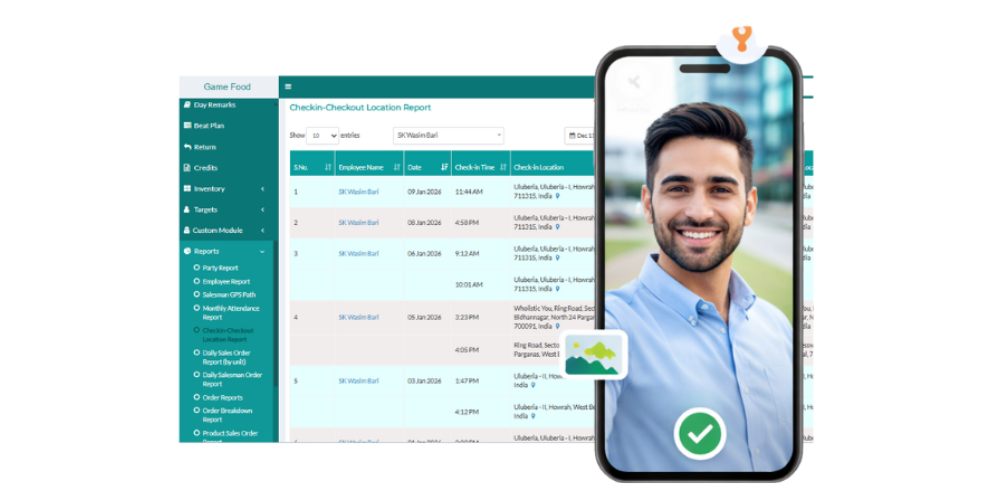
Ensuring that your products are available is just the beginning; customers need to easily locate them as well. With the Retail Execution App, sales representatives can take photos of the store, check how products are displayed on shelves, confirm that merchandising standards are met, and make sure promotional displays are set up properly. By enhancing retail execution, you not only boost product visibility but also create a more inviting shopping experience that encourages customers to return for more.
-
Plan and Track Every Sales Visit
Consistent retailer engagement starts with regular field visits. Delta Sales App's Beat Planning feature helps sales representatives follow optimized visit schedules, ensuring no outlet is overlooked. Managers can also use customer visit tracking to verify completed visits, monitor field activities, and ensure retailers receive timely support.
-
Increase Sales Team Accountability
Building strong relationships with retailers requires regular check-ins and effective on-the-ground support. By utilizing Sales Force Automation, managers can easily monitor their team's attendance, track outlet visits, manage order collection, and oversee daily tasks in real-time. This approach not only keeps sales teams responsible but also ensures that every retailer feels valued and receives the personalized attention they deserve.
-
Build Long-Term Retailer Relationships
Re-establishing connections with retailers is just the first step; nurturing those relationships takes continuous dedication. By integrating tools like Beat Planning, Customer Visit Tracking, Inventory Management, Order Management Software, Secondary Sales Tracking, and Retail Execution into one cohesive platform, the Delta Sales App empowers businesses to create a more personalized and engaging experience for retailers. This approach fosters deeper connections, encourages repeat orders, enhances retail sales performance, and supports long-term growth for both parties.
Conclusion
Retailers typically don’t halt their purchases abruptly. When visits are missed, supplies are inconsistent, communication falters, and follow-ups are weak, trust begins to fade. The companies that thrive aren’t always those offering the finest products; rather, they are the ones that cultivate genuine relationships with retailers through reliable service and informed decision-making. By combining proactive sales strategies with the right technology, you can identify at-risk retailers early, resolve issues faster, and turn inactive outlets into loyal, repeat customers.
If your goal is to improve retailer retention, increase repeat orders, and strengthen field sales performance, adopting a comprehensive sales force automation solution like Delta Sales App can make the entire process more efficient and measurable.
Book a free demo today and see how Delta Sales App can help you retain more retailers, increase repeat orders, and grow your business with confidence.