
Workforce Management for Field Sales: How to Track, Schedule, and Account for Your Market Team

Managing on-ground sales teams is no longer just about assigning territories and tracking visits. With increasing competition and expanding markets, businesses need smarter ways to monitor, manage, and optimize their field operations. This is where Workforce Management for Field Sales becomes essential. It helps organizations gain real-time visibility, streamline coordination, and improve decision-making across distributed teams.
Without a structured approach, companies often struggle with inefficiencies, poor communication, and lack of accountability. A modern system powered by a field sales management app enables businesses to overcome these challenges and build a high-performing field workforce.
What Is Workforce Management for Field Sales Teams?
Workforce Management for Field Sales refers to the process of planning, tracking, scheduling, and optimizing the activities of field sales representatives. It ensures that the right resources are deployed at the right locations, at the right time, with maximum efficiency.
Using tools like workforce management software, businesses can monitor employee movement, assign tasks, and analyze performance from a centralized platform. Combined with technologies such as GPS tracking for employees, it provides transparency and better control over daily field operations.
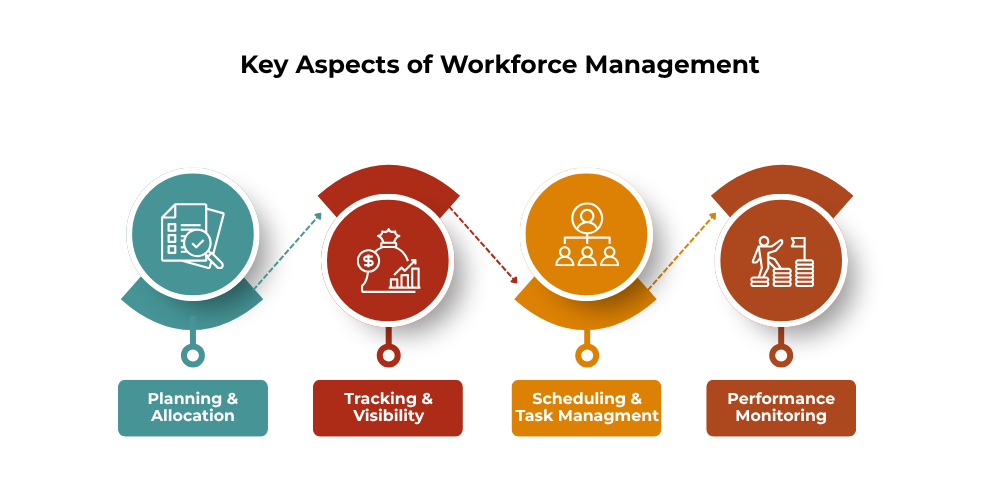
Key Aspects of Workforce Management
-
Planning & Allocation: Assign the right sales representatives to suitable territories based on skills, demand, and priorities, ensuring balanced workload distribution and improved market coverage efficiency.
-
Tracking & Visibility: Monitor real-time employee movement and activities using tracking tools, enabling managers to maintain visibility, verify field operations, and make quick, informed decisions.
-
Scheduling & Task Management: Plan daily schedules, assign tasks, and manage client visits efficiently, ensuring timely execution of activities while reducing delays and improving overall productivity.
-
Performance Monitoring: Analyze employee performance using reports and insights, identify productivity gaps, and implement data-driven strategies to continuously improve team efficiency and sales outcomes.
By combining structured processes with technology, Workforce Management for Field Sales helps businesses streamline operations, improve accountability, and drive consistent sales results.
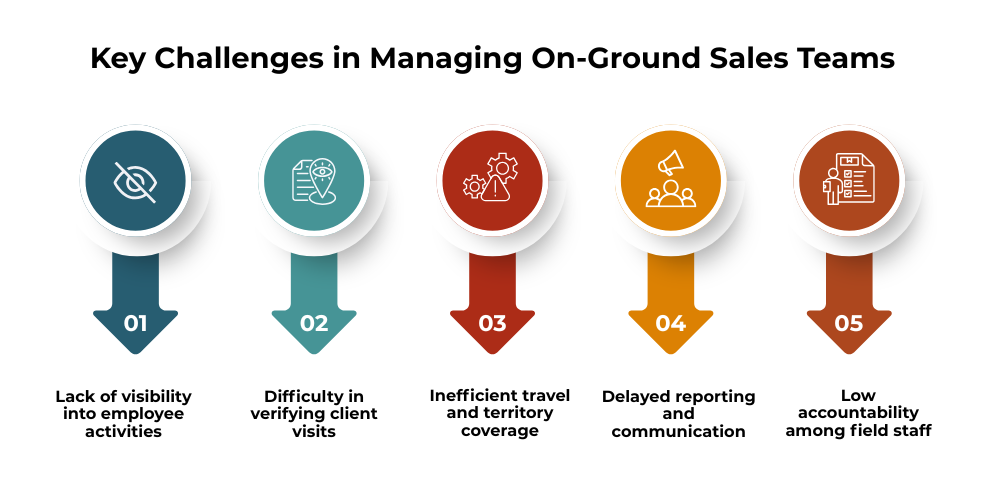
Key Challenges in Managing On-Ground Sales Teams
Managing field teams comes with unique operational challenges that directly impact performance and overall business efficiency:
-
Lack of visibility into employee activities: Managers struggle to track real-time movements and daily tasks of field representatives, leading to uncertainty in operations and reduced control.
-
Difficulty in verifying client visits: Without proper systems, businesses cannot confirm whether sales representatives actually completed assigned visits, resulting in unreliable reporting and missed opportunities.
-
Inefficient travel and territory coverage: Poor planning leads to unnecessary travel, increased costs, and incomplete market coverage, reducing the number of productive client interactions each day.
-
Delayed reporting and communication: Field updates often rely on manual processes, causing delays in information flow and limiting the ability to make timely business decisions.
-
Low accountability among field staff: Without proper monitoring, employees may not follow schedules or complete tasks effectively, leading to inconsistent performance and reduced overall productivity.
Without structured systems in place, these challenges can lead to missed opportunities and declining efficiency. Implementing field force management software helps bring visibility, control, and consistency to field sales operations.
How to Track Field Sales Teams Effectively (Tools & Methods)
Tracking is the foundation of effective field workforce management. Businesses can leverage modern tools like employee tracking apps to monitor real-time activities and ensure operational efficiency across distributed teams.
Tools Used for Tracking
-
GPS-based tracking tools: Use real-time location tracking to monitor employee movement, ensuring visibility, route accuracy, and better control over field operations.
-
Mobile attendance systems: Enable check-ins and check-outs through attendance management, ensuring accurate time records and eliminating manual attendance errors.
-
Field data collection tools: Capture visit details, client feedback, and task updates in real time, helping businesses maintain accurate and actionable field data.
-
Route planning and mapping tools: Optimize travel paths and territory coverage, reducing travel time and improving efficiency using smart route monitoring systems.
Methods to Track Field Sales Teams
-
Live monitoring of field activities: Managers track employee movements and task progress in real time to ensure alignment with daily plans and targets.
-
Automated reporting and updates: Field teams submit updates instantly through apps, reducing delays and improving communication between teams and managers.
-
Performance tracking through dashboards: Centralized dashboards provide insights into productivity, visits, and task completion for better decision-making.
-
Territory and visit verification: Ensure assigned areas are properly covered and client visits are completed as planned using tracking and validation tools.
These tools and methods work together to provide complete visibility, improve accountability, and ensure that field teams operate efficiently while staying aligned with business goals.
Scheduling Field Sales Teams for Maximum Productivity
Efficient scheduling ensures that field representatives cover maximum ground with minimal effort while maintaining consistency in client interactions. Poor planning often results in wasted travel time, missed opportunities, and uneven workload distribution across teams.
With the help of route planning software, businesses can design optimized travel paths, reduce downtime, and increase the number of productive visits completed each day. Smart scheduling not only minimizes travel fatigue but also ensures that high-priority locations are covered first.
Advanced solutions also support automated scheduling, where tasks and visits are assigned based on territory, availability, and priority. This helps maintain balanced workloads and prevents overburdening certain team members while others remain underutilized.
Using sales team tracking app capabilities, managers can dynamically adjust schedules in real time based on field conditions, urgent client needs, or last-minute changes. This flexibility ensures that teams remain responsive and aligned with business priorities.
Key Scheduling Practices
-
Territory-based scheduling: Assign specific regions to sales representatives to ensure structured coverage and avoid overlap or missed areas.
-
Priority-based visit planning: Focus on high-value clients and urgent tasks first to maximize impact and improve conversion rates.
-
Real-time schedule adjustments: Modify plans instantly based on field updates, cancellations, or new opportunities.
-
Balanced workload distribution: Ensure equal task allocation across team members to maintain efficiency and prevent burnout.
Ensuring Accountability and Performance Monitoring in the Field
Accountability is critical for maintaining consistent performance across field teams. Without proper monitoring, it becomes difficult to evaluate productivity, verify work completion, or enforce discipline across distributed operations.
Using field employee monitoring software, managers can track daily activities, measure output, and ensure adherence to schedules. This visibility helps eliminate guesswork and builds a culture of responsibility among field representatives.
A data-driven approach enables businesses to quickly identify performance gaps, missed visits, or inefficiencies in execution. Managers can then take timely corrective actions, provide targeted guidance, and improve overall team effectiveness.
Additionally, integrating sales productivity tools helps transform raw activity data into meaningful insights. These insights allow businesses to compare performance across regions, evaluate individual contributions, and continuously optimize field strategies.
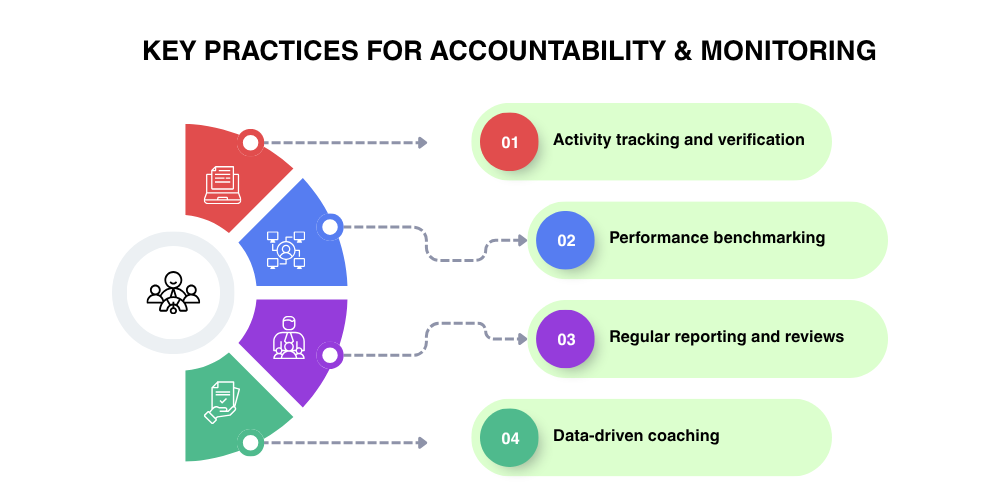
Key Practices for Accountability & Monitoring
-
Activity tracking and verification: Ensure that tasks, visits, and routes are completed as planned through real-time tracking and validation systems.
-
Performance benchmarking: Compare individual and team performance using data-driven metrics to identify top performers and areas needing improvement.
-
Regular reporting and reviews: Use structured reports to evaluate progress, maintain transparency, and align teams with business goals.
-
Data-driven coaching: Provide targeted feedback and training based on performance insights to improve productivity and consistency.
By combining monitoring tools with structured processes, businesses can strengthen accountability, improve performance visibility, and drive better results from their field sales teams.
Essential Features to Look for in Workforce Management Software
Choosing the right solution requires a clear focus on features that directly improve efficiency, visibility, and control over field operations. A well-designed system should not just track employees but also streamline workflows and support decision-making.
Key Features
-
Real-time tracking with GPS-based tracking system: Enables managers to monitor employee locations live, ensuring transparency, better supervision, and improved coordination across field operations without relying on manual updates.
-
Attendance management through employee attendance management system: Automates check-ins, check-outs, and working hours, ensuring accurate records while reducing manual errors and improving compliance with company policies.
-
Task assignment and monitoring tools: Allow managers to assign tasks, set priorities, and track progress in real time, ensuring that field teams stay aligned with daily goals and responsibilities.
-
Reporting and analytics dashboards: Provide detailed insights into performance, productivity, and field activities, helping managers make data-driven decisions and continuously improve operational efficiency.
-
Offline functionality for remote areas: Ensures uninterrupted work in low-network zones by storing data offline and syncing automatically once connectivity is restored, preventing data loss.
-
Integration with CRM integration tools: Enables seamless data flow between systems, eliminating duplication, improving collaboration, and ensuring better visibility across sales and operational processes.
A robust solution should also support automation and seamless workflows, ensuring alignment with existing sales force automation software. This integration helps businesses create a unified system that enhances productivity, reduces manual effort, and improves overall field performance.
How Workforce Management Improves Sales Performance and Efficiency
Implementing Workforce Management for Field Sales has a direct and measurable impact on business outcomes. It brings structure to daily operations, improves coordination, and enables smarter decision-making across distributed teams.
Key Benefits
-
Better visibility into field operations: Managers gain real-time insights into employee activities, locations, and task progress, ensuring complete control and improved coordination across field teams.
-
Improved route efficiency and reduced travel time: Optimized planning minimizes unnecessary travel, reduces costs, and allows field representatives to complete more productive client visits each day.
-
Faster decision-making through real-time data: Access to live data helps managers respond quickly to field situations, adjust plans, and make informed business decisions without delays.
-
Enhanced team accountability: Continuous tracking and monitoring encourage employees to follow schedules, complete tasks on time, and maintain consistent performance standards.
-
Accurate performance tracking: Detailed reports and analytics provide clear insights into productivity, helping businesses evaluate performance and identify areas for improvement effectively.
With the help of remote employee tracking software, businesses can ensure continuous monitoring, optimize field activities, and maintain consistent performance across all levels of their sales operations.

Common Mistakes to Avoid in Field Workforce Management
While implementing workforce solutions, businesses often make critical mistakes that limit effectiveness and reduce return on investment. Avoiding these pitfalls is essential for maximizing the impact of Workforce Management for Field Sales.
Key Mistakes
-
Choosing tools based only on cost: Selecting the cheapest option may save money initially, but often leads to limited features, poor performance, and higher long-term operational inefficiencies.
-
Ignoring user experience and adoption challenges: If the system is complex or difficult to use, field employees may resist adopting it, resulting in low engagement and inaccurate data collection.
-
Overlooking scalability for future growth: A solution that works for a small team may fail as your business expands, leading to performance issues and the need for costly replacements.
-
Failing to integrate with existing systems: Lack of integration creates data silos, disrupts workflows, and reduces overall efficiency across departments and processes.
-
Not considering real-world field conditions: Ignoring factors like poor network connectivity, travel challenges, and on-ground realities can make the tool impractical for daily field usage.
-
Lack of proper training and onboarding: Without adequate training, employees may not use the system effectively, limiting its benefits and reducing overall productivity improvements.
Avoiding these mistakes ensures that your investment in workforce management solutions delivers maximum value, improves adoption, and supports long-term business growth.
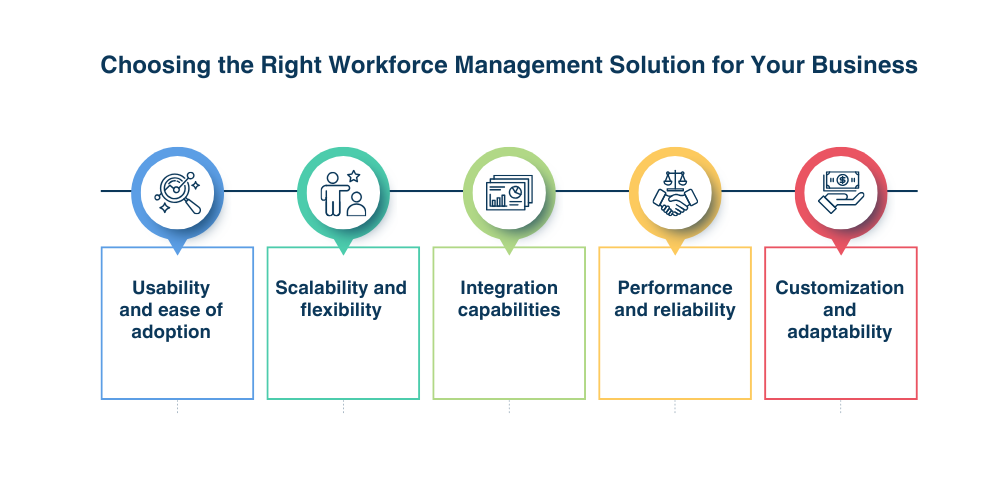
Choosing the Right Workforce Management Solution for Your Business
Selecting the right solution is not just a technical choice, it’s a strategic business decision. The right platform should align with your operational needs, support scalability, and enhance overall field performance.
Key Factors to Evaluate
-
Usability and ease of adoption: The system should be intuitive and easy for field teams to use, ensuring faster onboarding and higher adoption rates across the organization.
-
Scalability and flexibility: Choose a solution that can grow with your business, supporting larger teams, expanded territories, and increasing data requirements without performance issues.
-
Integration capabilities: Seamless integration with CRM and other systems ensures smooth data flow, eliminates duplication, and enhances overall operational efficiency.
-
Performance and reliability: The platform should deliver consistent performance, real-time updates, and accurate data to support effective decision-making.
-
Customization and adaptability: The ability to tailor workflows, reports, and features ensures the solution meets your specific business requirements.
A comprehensive platform that combines tracking, scheduling, and reporting capabilities can significantly enhance operational efficiency. Solutions like field sales management app platforms provide end-to-end visibility and control over field operations, helping businesses streamline processes, improve accountability, and drive better sales results.
Final Thoughts:
Adopting Workforce Management for Field Sales is no longer optional, it’s a necessity for businesses aiming to stay competitive. The right approach helps streamline operations, improve accountability, and drive consistent performance across teams.
By leveraging modern tools, avoiding common pitfalls, and focusing on continuous improvement, organizations can build a scalable and efficient field sales operation. In today’s dynamic market, investing in the right workforce management strategy is the key to sustainable growth.
Ready to take your field sales operations to the next level?
See how you can track, schedule, and manage your team more effectively with a powerful solution. Book a free demo of Delta Sales App today and experience smarter workforce management in action.