
Why Tomorrow’s FMCG Leaders Will Run on Automated Alerts, Not Reports
The fast-moving consumer goods (FMCG) sector has always been defined by speed, intense competition, and razor-thin margins. For decades, decision-making relied heavily on traditional tools such as sales reports, inventory updates, and market analyses. While these reports provided valuable insights, the modern FMCG landscape has evolved. Today, consumers demand faster delivery, personalized experiences, and uninterrupted product availability. Market dynamics shift rapidly, competitors react almost instantly, and retailers expect proactive solutions.
In this high-speed environment, relying solely on end-of-day, weekly, or monthly reports is no longer sufficient. Tomorrow’s FMCG leaders won’t make decisions based on yesterday’s numbers, they’ll act on real-time automated alerts that deliver actionable insights the moment they’re needed.
This blog explores why automated alerts are transforming FMCG operations, how they outperform traditional reports, and how companies can implement them effectively to gain a competitive edge.
The Limitations of Traditional Reports in FMCG
Reports have long been the backbone of FMCG management. They provide structured insights on sales, inventory, and market trends. Yet, despite their value, traditional reports come with significant limitations that can slow down decision-making:
1. Time Lag
Most reports are generated at the end of a day, week, or month. By the time they reach managers, the data may already be outdated. For example, a drop in sales at a particular retail outlet might only be noticed in the next day’s report, by which time competitors may have captured that opportunity.
2. Information Overload
Reports often contain extensive volumes of data, much of which is not immediately actionable. Managers may spend hours sifting through spreadsheets and dashboards, trying to extract meaningful insights. This process consumes valuable time and delays critical decisions.
3. Reactive Decision-Making
Traditional reports are backward-looking, they tell you what has happened, not what is happening. In a fast-moving industry like FMCG, relying on retrospective data can lead to missed opportunities and slow responses to market changes.
4. Fragmented Insights
FMCG data comes from multiple sources, field sales teams, distributors, warehouses, and retail outlets. Consolidating this information into a coherent, actionable report is complex and prone to errors, especially if manual input is involved.
Reports are useful for long-term analysis, but they cannot support the speed, agility, and real-time decision-making required in today’s FMCG operations.
The Rise of Automated Alerts in FMCG
FMCG automated alerts are notifications generated in real time when specific business conditions or thresholds are met. Unlike traditional reports, which require manual review, these real-time alerts in FMCG actively notify decision-makers about critical events, enabling immediate action.
Automated alerts are transforming FMCG operations in several key areas:
Real-Time Inventory Management
Imagine a retailer’s stock of a bestselling beverage is running low. Instead of discovering this issue in tomorrow’s report, inventory tracking alerts notify the distributor and field sales team instantly. This ensures timely restocking, prevents lost sales, and keeps customers satisfied. Implementing FMCG automated alerts allows companies to optimize inventory and reduce stock-outs across multiple outlets.
Sales Performance Monitoring
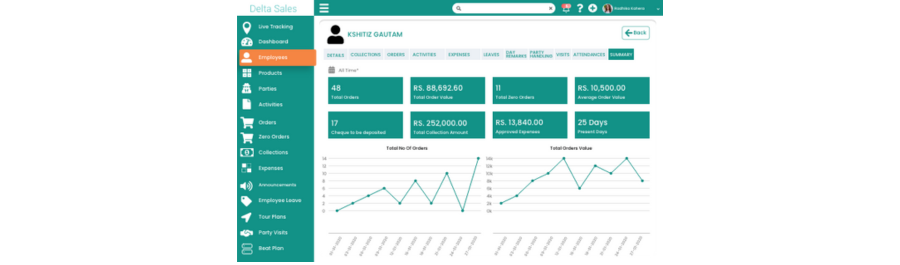
Field sales automation becomes more effective with alerts that flag sudden spikes or drops in sales. These real-time alerts FMCG help managers detect trends, uncover issues, and seize opportunities quickly:
-
A sudden surge in demand in one region could trigger immediate stock replenishment through automated alerts.
-
A sharp decline may indicate stock-outs, pricing errors, or competitor promotions, prompting swift corrective action.
Field Force Monitoring
FMCG companies rely on field sales teams visiting hundreds of outlets daily. With field sales automation alerts, managers are instantly notified if:
-
Scheduled visits are missed
-
Team members deviate from assigned routes
-
Customer complaints arise during visits
This ensures accountability, operational efficiency, and accurate reporting without constant manual oversight. Real-time alerts FMCG empower managers to act immediately and maintain high performance across their field teams.
Promotional Effectiveness
Sales promotions and product launches can make or break a brand. FMCG automated alerts provide instant feedback on campaigns, highlighting underperforming or overachieving areas. Managers can then adjust inventory, pricing, or marketing strategies immediately to optimize ROI, ensuring promotions are always effective.
Supplier and Distributor Coordination
FMCG operations involve multiple stakeholders, from manufacturers to distributors to retailers. Inventory tracking alerts and real-time FMCG alerts streamline communication by flagging shipment delays, stock shortages, or delivery changes. This reduces operational friction, prevents bottlenecks, and keeps the supply chain running smoothly.
Why Automated Alerts Outperform Reports
Shifting from reports to alerts isn’t just a technological upgrade, it fundamentally changes how FMCG companies operate. Here’s why alerts provide a decisive advantage:
1. Proactive Decision-Making
Automated alerts allow managers to respond proactively rather than reactively. Teams can intervene before small issues escalate into lost revenue, improving operational efficiency and customer satisfaction.
2. Enhanced Agility
In FMCG, a single day can make the difference between success and failure. Alerts enable instant strategy adjustments, whether reallocating stock, revising sales priorities, or tweaking promotions.
3. Reduced Human Error
Manual reporting is prone to errors: missed data, input mistakes, and miscalculations can compromise decisions. Alerts rely on accurate, real-time data, reducing errors and enhancing confidence.
4. Focused Action
Not all data is critical. Alerts highlight only essential events, helping teams act promptly and avoid distraction. This ensures urgent issues are addressed before they escalate.
5. Empowered Teams
When alerts reach field staff, sales reps, and warehouse managers, decision-making becomes distributed. Teams can act independently, improving efficiency and accountability.
Key Areas Where Automated Alerts Are Transforming FMCG
1. Inventory Optimization
Challenge: Overstocking increases storage costs, while understocking results in lost sales.
Solution: Alerts notify managers when stock crosses predefined thresholds, enabling timely restocking or redistribution to meet demand.
2. Field Sales Performance
Challenge: Field teams often operate independently, making it hard to monitor compliance.
Solution: Route adherence, store visits, and task completion are tracked with alerts, allowing managers to intervene when necessary.
3. Supply Chain Efficiency
Challenge: Delays in the supply chain impact product availability and customer satisfaction.
Solution: Alerts notify teams about delayed shipments or disrupted deliveries, enabling quick corrective action.
4. Promotional Campaign Tracking
Challenge: Measuring promotions in real time is difficult with traditional reports.
Solution: Alerts provide instant feedback on campaign performance, allowing adjustments before underperformance affects ROI.
5. Customer Experience
Challenge: FMCG brands must respond quickly to complaints and feedback.
Solution: Alerts ensure any issues raised by retailers or consumers are addressed immediately, protecting brand reputation and loyalty.
Implementing Automated Alerts in FMCG Organizations
Transitioning from reports to alerts requires strategy, technology, and process alignment. Here’s how organizations can implement an effective alert system:
Step 1: Define Key Metrics
Identify the most critical KPIs, such as inventory thresholds, daily sales targets, route completion, and promotional success. Alerts should focus on actionable and meaningful business insights.
Step 2: Choose the Right Technology
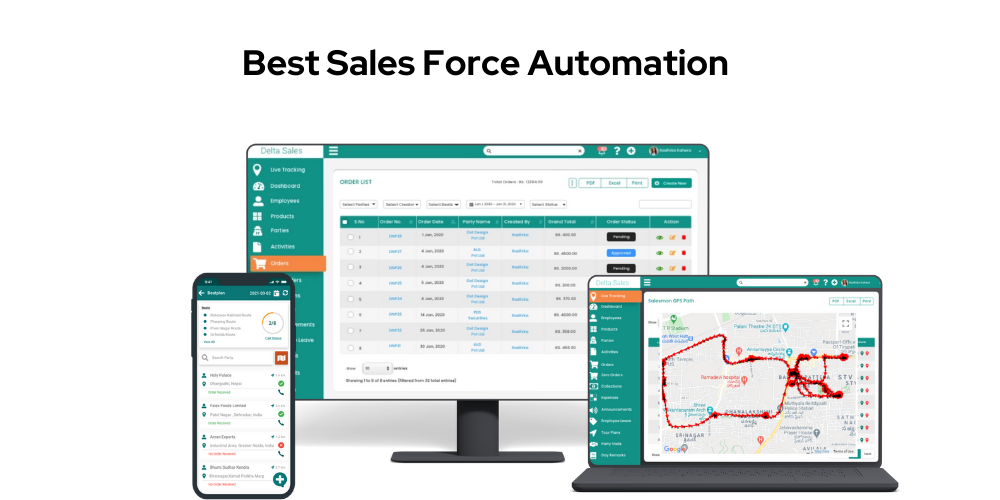
Invest in a reliable platform like Delta Sales App that supports real-time data collection, field sales management, inventory tracking, and customizable alerts for seamless operations.
Step 3: Customize Alerts
Tailor alerts to be relevant and actionable. Prioritize critical events, avoid unnecessary notifications, and ensure alerts reach the right teams at the right time.
Step 4: Train Teams
Provide comprehensive training to staff on interpreting alerts and taking prompt action. Empower field teams to act independently while maintaining consistency across operations.
Step 5: Monitor and Optimize
Continuously review alert performance, adjust thresholds, refine metrics, and introduce new alerts as business needs evolve. This ensures continuous improvement and operational efficiency.
Real-Life Examples of Alert-Driven FMCG Success
Inventory Replenishment in Beverages:
A top beverage brand uses alerts to monitor stock at small retail outlets. When inventory drops below set levels, distributors are notified immediately, preventing stock-outs during peak hours.
Field Sales Compliance:
A snack manufacturer implemented route-based alerts for field teams. Managers quickly identified missed visits and reassigned tasks, improving store coverage by 20%.
Promotion Adjustments:
A personal care company ran a multi-region promotional campaign. Real-time alerts flagged underperforming areas within hours, enabling the team to optimize offers and maximize ROI.
Temperature-Sensitive Product Monitoring:
A dairy brand used alerts to track refrigeration units in retail stores. When temperatures exceeded safe limits, staff were notified instantly, preventing spoilage.
Customer Feedback & Complaint Resolution:
A beauty and skincare brand integrated alerts to monitor customer complaints across channels. Immediate notifications allowed support teams to resolve issues promptly, improving satisfaction and loyalty.

The Future of FMCG Leadership
The leaders of tomorrow won’t be chained to static reports. Instead, they will:
Rely on real-time insights for daily decisions:
Live data will enable faster, smarter decisions, keeping teams ahead of market trends and customer expectations.
Empower field teams and distributors with actionable alerts:
Field staff and distributors can act independently using precise alerts, improving efficiency and accountability across the supply chain.
Monitor operations proactively, intervening before issues escalate:
By tracking performance in real time, managers can detect potential problems early and prevent losses.
Respond quickly to market shifts, consumer behavior, and competitor activity:
Leaders can adapt instantly to changing demand, competitor moves, and consumer preferences, ensuring market relevance and maximizing revenue opportunities.
In essence, FMCG leadership is shifting from reactive analytics to proactive intelligence, driving faster decisions, stronger operational efficiency, and enhanced customer satisfaction.
Conclusion
In an industry where speed, precision, and responsiveness determine success, automated alerts are not just a technological upgrade, they are a strategic necessity. FMCG organizations that rely solely on reports risk falling behind more agile, alert-driven competitors.
By implementing real-time alerts across inventory, sales, supply chain, and promotions, organizations can transform decision-making, empower teams, and create a competitive edge.
Tomorrow’s FMCG leaders will not wait for reports, they will run on alerts, act on insights, and win in real time.
Book your free demo with Delta Sales App today and start turning real-time insights into instant action.