
Beat Plan Meaning in Sales: Why It’s Essential for Sales Success

In the fast-paced world of sales, one crucial factor that separates successful sales teams from the average ones is effective planning. A beat plan in sales is a structured schedule that defines which customers or outlets a sales representative should visit, when they should visit them, and in what sequence. In this article, we’ll dive deep into the meaning of a beat plan, why it matters, how to develop a good beat plan, and how Beat Planning Software and tools like Delta Sales App can empower your sales force to achieve their goals more efficiently.
What Is a Beat Plan in Sales?
Beat plan meaning refers to a structured schedule that helps sales representatives organize customer visits, plan routes, and manage their field activities efficiently. These visits are strategically planned based on geographical location, priority customers, or business goals. In field sales, a beat generally refers to a defined territory, route, or group of customers that a sales representative is responsible for covering regularly.
The objective of a beat plan is to optimize the time and resources of the sales team, allowing them to visit the right customers, in the right sequence, with the right products and services. This not only ensures that sales reps are effective but also maximizes the chances of meeting targets and closing deals.
Why is a Beat Plan Essential for Sales Teams?
A beat plan is essential for improving sales team efficiency, customer coverage, and overall sales performance. By providing sales representatives with a structured schedule of customer visits and optimized routes, a beat plan helps teams spend more time selling and less time managing their daily activities. Here are some key reasons why a well-planned sales beat is important:
1. Maximizes Sales Representative Productivity
Without a clear beat plan, sales reps may spend too much time deciding which customers to visit, which routes to take, or which sales activities to prioritize. A well-structured beat plan helps eliminate this uncertainty by providing them with a clear schedule of visits, allowing them to focus solely on the task at hand: selling.
2. Ensures Consistent Customer Engagement
A well-crafted beat plan ensures that sales reps visit customers regularly, keeping them engaged and fostering relationships. This frequent interaction increases the chances of maintaining customer loyalty and closing more deals.
3. Helps Identify High-Value Customers
By categorizing customers and prioritizing visits based on their potential, sales teams can focus their time on high-value prospects, ensuring they don’t miss out on lucrative opportunities.
4. Reduces Time Wasted on Non-Essential Activities
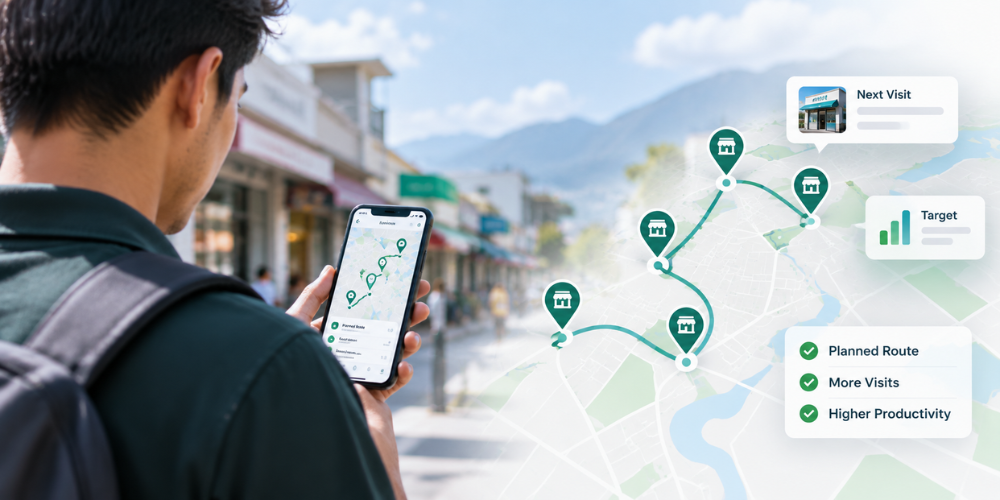
A beat plan eliminates inefficiencies like excessive travel time, unnecessary detours, or missed appointments. With a strategic route and schedule in place, sales reps can optimize their day, giving them more time to interact with clients and close sales.
5. Aids Performance Monitoring and Reporting
With a structured beat plan, it’s easier to track the performance of sales activities. Managers can monitor the effectiveness of customer visits, identify underperforming regions or reps, and make necessary adjustments to improve performance.
6. Improves Territory Coverage
A well-designed beat plan helps sales teams cover their assigned territories systematically, ensuring that important customers and outlets are not overlooked. By organizing customer visits according to location, priority, and frequency, managers can identify coverage gaps and adjust sales routes to improve overall territory performance.
What Are the Key Elements of a Beat Plan?
To fully benefit from a beat plan, it’s important to understand its key components. Here are some critical elements that should be included in any effective beat plan:
Customer Segmentation and Prioritization
Segment customers based on value, location, purchase behavior, and potential to help sales representatives prioritize important accounts and maximize productive customer visits.
Territory and Route Planning
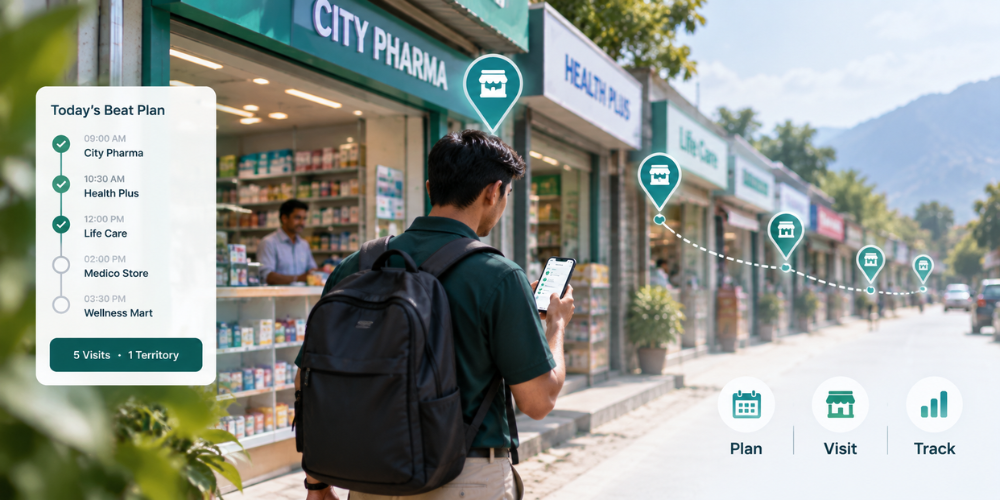
Define territories and optimize travel routes to reduce unnecessary travel time, improve outlet coverage, and help sales representatives complete more productive visits each day.
Visit Frequency
Set appropriate visit frequencies for different customer segments based on their business potential, purchase cycles, and requirements to maintain consistent customer engagement.
Daily Sales Objectives
Set clear daily objectives for customer visits, orders, revenue, product promotion, and new customer acquisition, giving sales representatives measurable goals to achieve.
Reporting and Performance Tracking
Track planned visits, completed activities, orders, sales, and field performance through regular reporting to help managers identify gaps and make informed decisions.
How Beat Planning Software Can Help Sales Teams
Beat planning software helps sales managers create, assign, monitor, and optimize customer visit plans digitally. Instead of relying on spreadsheets or manual schedules, teams can use centralized sales data, customer locations, visit history, and route information to improve field execution.
1. Smart Pre-Journey Planner (PJP)
Beat planning software like Smart Pre-Journey Planner (PJP) helps sales teams plan their day effectively by optimizing routes and schedules. By analyzing various factors such as customer locations, traffic patterns, and sales goals, the PJP ensures that sales reps are always taking the most efficient route, minimizing downtime and maximizing their chances to meet more customers.
2. Track and Monitor Visit Frequency
One of the main challenges of sales management is ensuring that sales reps engage with customers frequently enough to maintain strong relationships. Beat planning software enables managers to monitor visit frequency and ensures that reps are not neglecting customers who may require regular engagement. This helps identify areas where visits are being missed, allowing teams to take corrective actions before it affects sales performance.
3. Detailed Reporting of Party Visits
Sales performance is not just about making visits; it’s about making effective visits. Beat planning software allows sales teams to generate reports that track party visits and provide detailed insights into each interaction. These reports give a clear picture of how each visit impacts sales, and can highlight whether the rep was able to close a sale or whether further follow-up is necessary.
4. Effective Tracking of Orders
By integrating sales data, beat planning software allows managers to track orders placed during customer visits. Sales reps can log the orders directly into the system, and management can review these details in real-time. This allows managers to see which customers are placing orders, which products are being sold, and how sales are progressing.
5. Identify Non-Effective Visits
One of the critical aspects of beat planning software is its ability to flag non-effective visits — that is, visits where no orders were placed or where customers were unresponsive. Sales managers can then drill down into these visits and determine the reasons for non-conversion, helping to refine the sales strategy and improve the overall success rate of sales visits.
What Makes the Best Planner for Sales Reps?
The best planner for sales reps should do more than create a daily schedule. It should help representatives organize customer visits, plan efficient routes, prioritize important accounts, and track field activities from a single platform. A good sales planner should also give managers visibility into field execution and help teams adjust their plans when priorities change.
Key features to look for in a sales planning tool include:
-
Beat and visit planning: Create structured daily, weekly, or monthly schedules based on customers, territories, and visit frequency.
-
Route planning: Help sales representatives organize customer visits efficiently and reduce unnecessary travel time.
-
Customer information: Provide quick access to customer details, previous interactions, orders, and other relevant sales information.
-
Sales activity tracking: Allow representatives to record visits, orders, feedback, and other field activities in real time.
-
GPS and location tracking: Provide visibility into field movements and help managers monitor planned versus actual visits.
-
Performance reporting: Give managers actionable insights into visit completion, sales activity, and team performance.
-
Mobile accessibility: Enable sales representatives to access and update their plans directly from their smartphones while working in the field.
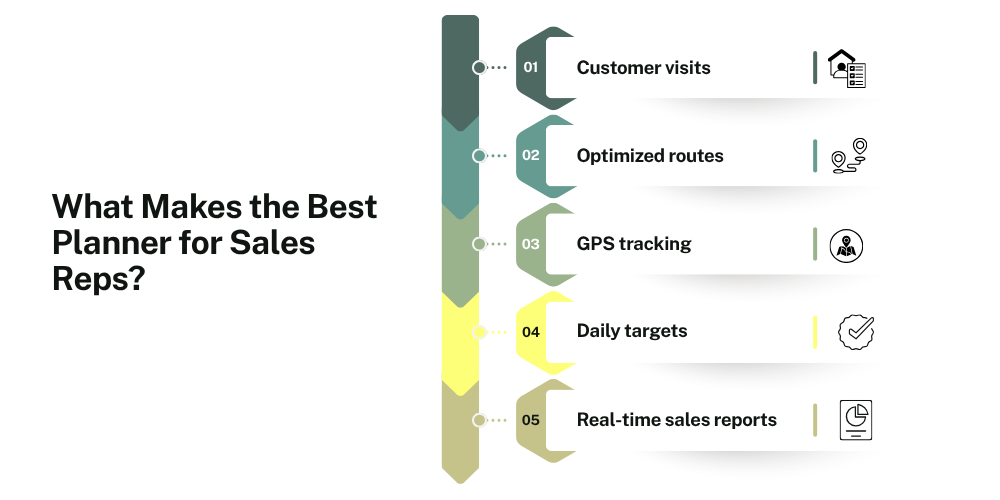
By combining these capabilities, beat planning software can turn a basic sales schedule into a more structured field execution strategy. This helps sales representatives spend less time managing administrative tasks and more time building customer relationships and generating sales.
How Delta Sales App Helps Sales Teams Maximize Efficiency
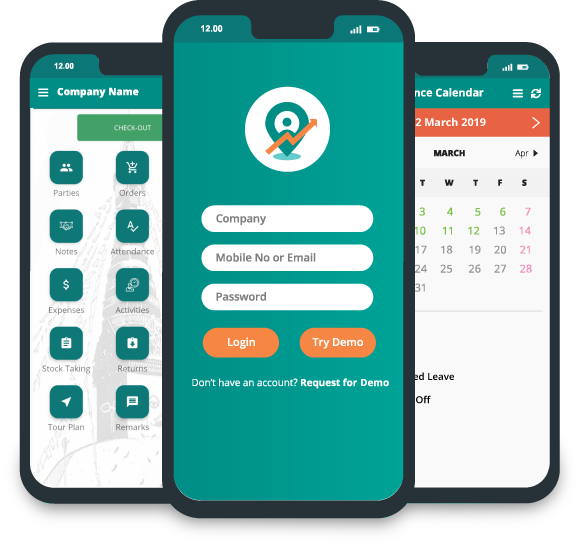
One powerful tool for modern sales teams is Delta Sales App, an intuitive field assist mobile application that works seamlessly with your beat plan. It enhances sales team productivity by saving administrative time and providing valuable insights into sales activities. Here’s how the Delta Sales App helps:
1. Streamlined Scheduling and Route Planning
The Delta Sales App allows sales reps to view their beat plan on their mobile devices, complete with optimized routes, customer data, and sales targets. It helps sales reps stay on track and navigate to their next customer seamlessly.
2. Real-Time Data and Reporting
Sales reps can log visit details, orders, and feedback directly into the app in real time. This provides managers with up-to-the-minute information on team performance and customer interactions, enabling better decision-making and timely adjustments to sales strategies.

3. Increased Sales Productivity
By reducing the time spent on administrative tasks and travel coordination, the Delta Sales App ensures that sales reps can focus on what really matters: meeting customers, making sales, and closing deals. The app provides easy-to-use features, improving sales force efficiency and ultimately driving better results.
4. Improve Visit Effectiveness
The app’s features allow managers to monitor visit effectiveness, helping to track whether visits were successful or not, and allowing them to provide coaching or adjust plans for future interactions.
Conclusion:
A well-structured beat plan is essential for sales teams that want to improve field productivity, optimize customer visits, and achieve their sales targets. By segmenting customers, planning efficient routes, setting visit frequencies, and monitoring performance, sales representatives can spend more time selling and less time managing daily activities.
With the right beat planning software, businesses can simplify territory and route planning, improve customer coverage, and gain better visibility into field sales activities. Tools like Delta Sales App help sales teams manage beat plans, track customer visits, monitor field performance, and make data-driven decisions through real-time insights.
If you want to streamline your field sales management and help your sales representatives work more efficiently, Delta Sales App provides the tools you need to manage your sales operations effectively.
Ready to improve your sales team's productivity?
Book a Demo of Delta Sales App and discover how smarter beat planning and real-time field sales insights can help your team achieve better results.