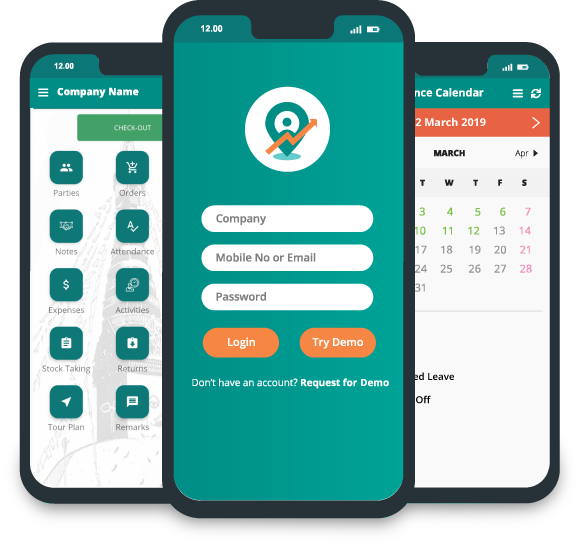

What is a Beat Plan? A Complete Guide for Field Sales Teams

In today’s highly competitive and fast-evolving market, managing on-ground sales teams without a structured system often leads to inefficiencies, poor coordination, and missed revenue opportunities. Sales representatives may struggle with unorganized schedules, inconsistent customer visits, and excessive travel time, all of which directly impact overall performance. To overcome these challenges, businesses are increasingly adopting field sales management app that bring structure, visibility, and control to daily operations.
A well-defined beat plan plays a crucial role in organizing field activities by providing a clear roadmap for sales representatives, ensuring they know exactly which customers to visit and when. When combined with effective route planning, it helps optimize travel paths, reduce unnecessary movement, and maximize daily coverage. This structured approach not only improves productivity but also enhances customer engagement, strengthens relationships, and drives consistent sales growth across territories.
What is a Beat Plan?
A beat plan is a structured schedule that outlines when and where field sales representatives should visit their assigned customers. It helps organize daily travel routes, prioritize key accounts, and maintain consistency in market visits. In fast-moving industries, having a clear plan ensures that no outlet is missed and every opportunity is captured effectively.
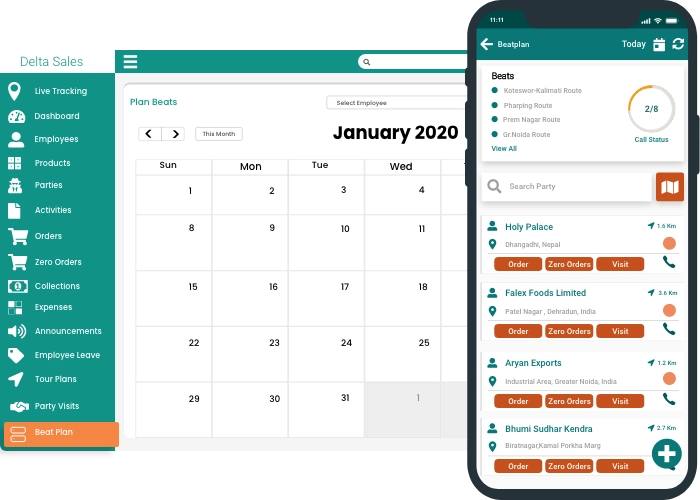
In simple terms, it is a systematic approach to sales visit planning that ensures every outlet or client is covered efficiently. When integrated with the sales territory management app, it enables businesses to allocate resources wisely, reduce overlaps, and improve coverage across regions.
Key Highlights:
- Ensures consistent and timely customer visits
- Improves route efficiency and reduces travel time
- Helps sales teams focus on high-priority accounts
By following a well-defined beat plan, businesses can streamline operations, improve execution, and achieve better sales outcomes.
Why Beat Planning is Crucial for Field Sales Teams
Field sales success depends heavily on consistency and execution. Without proper planning, teams may struggle with unorganized visits, missed opportunities, and low sales productivity. A structured approach helps ensure that every sales activity is purposeful and aligned with business goals.
Key Benefits:
- Improved market coverage through structured planning
- Increased sales productivity with optimized schedules
- Better customer relationships with regular visits
- Enhanced visibility through field sales tracking app
- Higher accountability supported by sales performance tracking
With the help of modern tools and seamless CRM integration, businesses can further enhance planning accuracy and execution. This not only improves operational efficiency but also enables managers to make data-driven decisions, ensuring consistent performance and long-term growth in field sales operations.
Key Components of an Effective Beat Plan
To ensure efficiency, a well-structured plan should include:
1. Territory Allocation
Clearly divide regions using sales territory management principles to ensure balanced workload distribution, avoid overlap between sales reps, and maximize coverage across assigned geographic areas effectively.
2. Customer Segmentation
Identify and categorize high-value, medium, and low-priority customers based on purchase behavior, frequency, and potential to ensure focused sales visit planning and better resource utilization.
3. Visit Frequency
Decide how often each outlet should be visited based on demand, sales volume, and priority to maintain consistency and improve overall sales productivity across territories.
4. Route Optimization
Use sales route optimization techniques to plan efficient travel paths, reduce travel time, lower costs, and enable sales representatives to cover more customers within limited working hours.
5. Time Allocation
Ensure sufficient time is assigned for each visit, allowing meaningful interactions, order discussions, and effective field sales tracking to improve execution and reporting accuracy.
Types of Beat Plans in Sales Management
Different organizations adopt different strategies depending on their business model.
1. Fixed Plan
Predefined routes followed consistently, ensuring regular customer visits, better discipline, and improved sales team efficiency while maintaining predictable schedules and streamlined daily field operations.
2. Dynamic Plan
Flexible scheduling based on real-time needs, allowing adjustments using field force automation tools to respond quickly to market changes, urgent visits, and shifting business priorities.
3. Territory-Based Plan
Focused on geographical coverage using structured sales territory management, ensuring each region is systematically covered without overlap, leading to better resource utilization and market penetration.
4. Frequency-Based Plan
Designed around visit frequency, aligning schedules with customer demand and improving sales productivity by ensuring high-priority outlets receive timely and consistent attention from sales representatives.
Step-by-Step Process to Build a Beat Plan
Creating an effective beat plan requires a structured approach:
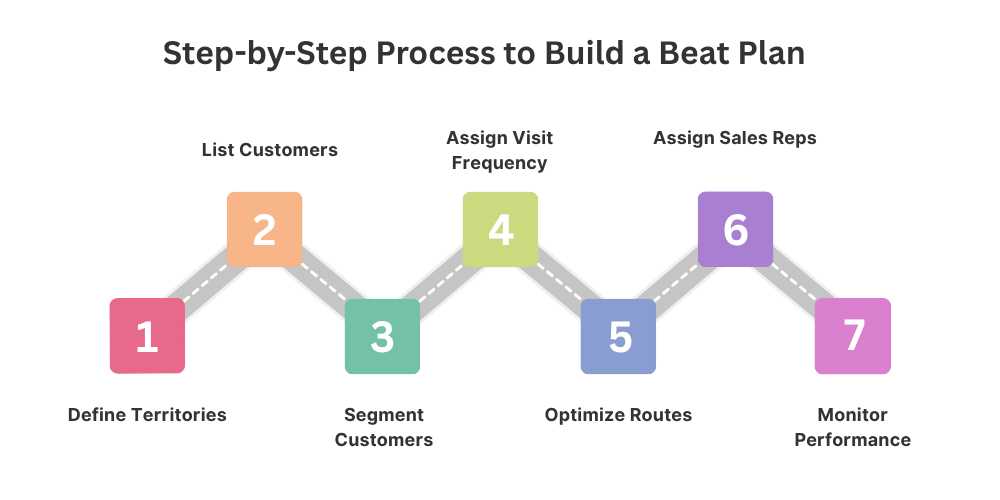
Step 1: Define Territories
Divide regions based on market size, potential, and location using sales territory management to ensure balanced workload distribution and complete coverage across assigned areas.
Step 2: List Customers
Create a comprehensive and updated database of all customers, outlets, and distributors to support accurate sales visit planning and ensure no potential opportunity is missed.
Step 3: Segment Customers
Prioritize customers based on value, frequency, and sales potential to improve targeting, streamline efforts, and enhance overall sales team efficiency in field operations.
Step 4: Assign Visit Frequency
Determine visit schedules based on demand and priority to maintain consistency, improve relationships, and boost overall sales productivity across different customer segments.
Step 5: Optimize Routes
Use tools and technology for efficient sales route optimization, minimizing travel time, reducing costs, and enabling sales representatives to maximize daily coverage.
Step 6: Assign Sales Reps
Allocate tasks based on expertise, experience, and location to ensure better execution, improved accountability, and smoother coordination across the field sales team.
Step 7: Monitor Performance
Track results using sales performance tracking tools to measure efficiency, identify gaps, and continuously improve planning and execution strategies.
Common Challenges in Beat Planning
Many businesses face operational challenges such as:
Lack of Real-Time Visibility
Without proper field sales tracking, managers struggle to monitor on-ground activities, resulting in missed visits, poor execution, and limited control over daily sales operations.
Inefficient Routes
Poor route planning leads to unnecessary travel, increased costs, and reduced productivity, preventing sales teams from maximizing daily visits and covering their assigned territories effectively.
Poor Coordination Between Teams
Lack of proper communication and tools affects collaboration, reducing overall sales team efficiency and causing delays in execution, reporting, and customer engagement activities.
Inaccurate Data
Outdated or incorrect data impacts decision-making, disrupts planning, and limits the effectiveness of sales performance tracking, ultimately leading to missed opportunities and inconsistent execution.
Limited Use of Automation
Minimal adoption of field force automation tools restricts efficiency, increases manual effort, and prevents businesses from optimizing planning, tracking, and execution processes effectively.
These challenges can significantly impact execution, reduce productivity, and negatively affect overall sales outcomes.
Manual vs Digital Beat Planning
Manual Approach
Spreadsheet-Based Planning
Manual planning relies heavily on spreadsheets, making sales visit planning time-consuming, difficult to update, and prone to inconsistencies across teams and territories.
Limited Tracking
Lack of proper field sales tracking reduces visibility into on-ground activities, making it challenging to monitor visits, measure performance, and ensure accountability.
High Chances of Error
Manual data entry increases the risk of mistakes, leading to inaccurate reports and affecting overall sales performance tracking and decision-making processes.
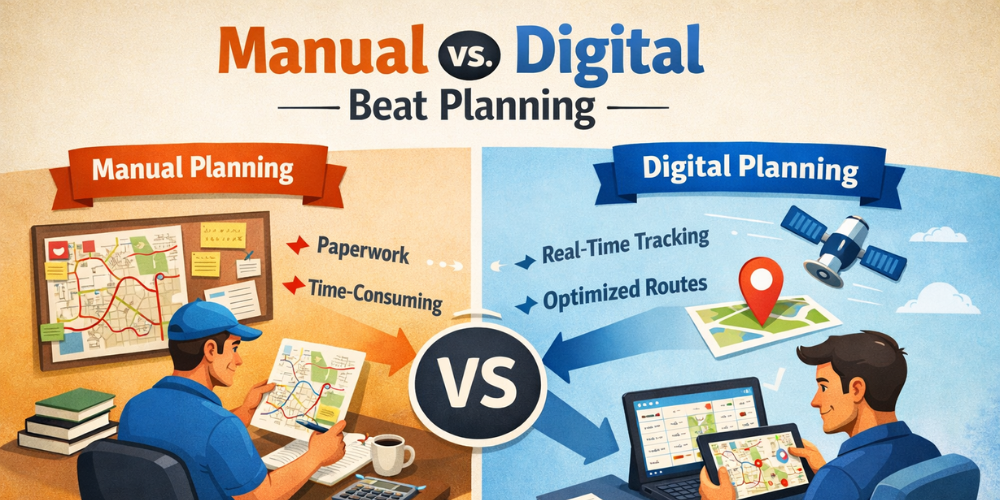
Digital Approach
Automated Scheduling
Modern tools enable automated scheduling through a mobile sales app, simplifying planning, reducing manual effort, and improving execution accuracy across sales teams.
Real-Time Updates
Digital systems provide instant updates, enhancing field force automation and allowing managers to track activities, make quick decisions, and respond to market changes effectively.
Accurate Reporting & Insights
Advanced analytics and dashboards improve sales productivity by offering real-time insights, enabling better planning, forecasting, and performance optimization.
Digital transformation is enabling businesses to streamline operations, reduce inefficiencies, and significantly improve overall sales execution and efficiency.
Role of Technology in Beat Planning
Technology plays a vital role in modern sales operations. With advanced tools, businesses can enhance execution, improve visibility, and drive better decision-making.
Key Capabilities:
Real-Time Tracking
Advanced systems enable field sales tracking, allowing managers to monitor on-ground activities, verify visits, and ensure accountability across distributed sales teams in real time.
Automated Route Planning
Smart tools improve route planning by automatically suggesting the most efficient paths, reducing travel time, and increasing the number of productive customer visits per day.
Order System Integration
Seamless integration with order management systems allows sales representatives to place orders instantly, track status, and ensure faster and more accurate fulfillment.
Distributor Connectivity
Strong distributor management capabilities help streamline communication, monitor stock movement, and maintain better coordination between field teams and distribution networks.
Data-Driven Insights
Advanced dashboards and analytics enhance sales performance tracking, enabling businesses to analyze trends, identify gaps, and make informed strategic decisions.
These capabilities empower organizations to move from manual processes to intelligent, data-driven execution, ensuring smarter planning and higher sales efficiency.
How a Smart Field Sales App Enhances Beat Planning Efficiency
While traditional methods and basic tools can support planning to some extent, modern businesses require advanced solutions to truly optimize their field operations. This is where a powerful mobile sales app like Delta Sales App creates a measurable impact.
With the right technology in place, businesses can transform their planning approach into a dynamic and data-driven system that adapts to real-time conditions, improves execution, and strengthens overall field sales management.
Key Benefits of Using Delta Sales App:
1. Automated Route Planning
Eliminate manual effort with intelligent route planning that suggests the most efficient travel paths, helping sales representatives reduce travel time and increase daily visit coverage.
2. Real-Time Field Visibility
Gain complete transparency through field sales tracking, allowing managers to monitor team activities, verify visits, and ensure every planned task is executed as scheduled.
3. Integrated Order Processing
Enable on-the-spot order placement with built-in order management, reducing delays, minimizing errors, and ensuring faster turnaround for customer requirements.
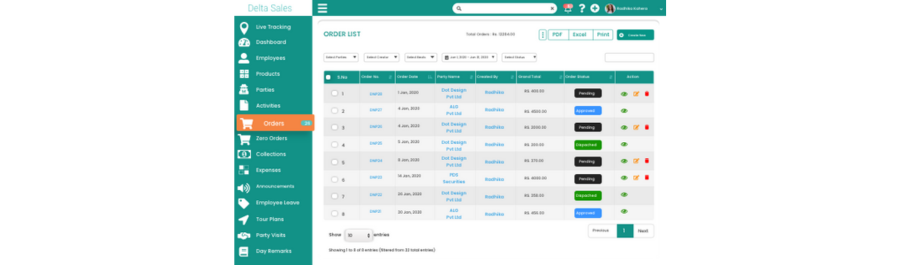
4. Seamless Distributor Coordination
Strengthen backend operations with integrated distributor management, ensuring smooth communication, better stock handling, and faster product availability across channels.
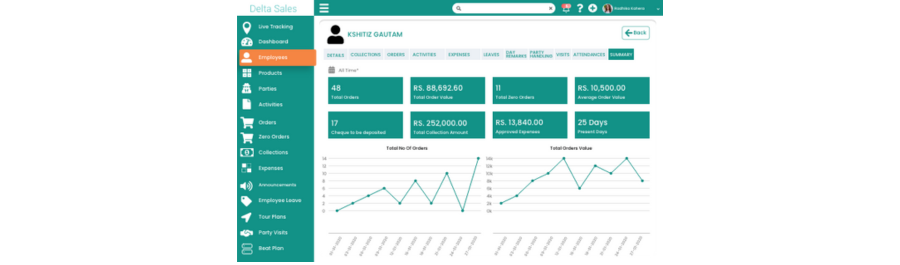
5. Performance Monitoring & Insights
Leverage advanced dashboards with sales performance tracking to evaluate team output, identify gaps, and continuously optimize execution strategies for better results.
6. Enhanced Sales Team Efficiency
By automating repetitive tasks and providing real-time actionable insights, the platform significantly boosts overall sales team efficiency, enabling teams to focus more on selling and relationship building.
This approach not only improves execution but also ensures that planning evolves from static schedules to intelligent, adaptive systems that drive consistent sales growth.
Best Practices to Optimize Beat Plans
To get the best results, businesses should:
Regularly Update Customer Data
Maintain accurate and up-to-date records to support effective sales visit planning, ensuring sales teams always have the right information for better engagement and execution.
Use Technology for Automation
Leverage field force automation tools to streamline planning, reduce manual effort, and improve accuracy in scheduling, tracking, and overall field operations.
Focus on High-Priority Customers
Prioritize key accounts based on value and frequency to improve conversions, strengthen relationships, and maximize overall retail execution outcomes.
Monitor Team Performance
Continuously track activities using sales performance tracking to identify gaps, measure productivity, and make data-driven improvements in execution strategies.
Invest in Training & Development
Enhance skills and capabilities through regular training programs to boost overall sales team efficiency and ensure consistent performance across the field workforce.
How Beat Planning Improves Sales Productivity
A structured approach to planning directly enhances overall performance and efficiency in field operations:
Reduced Travel Time
Efficient route planning minimizes unnecessary travel, allowing sales representatives to spend more time engaging with customers rather than commuting between locations.
Increased Number of Daily Visits
Optimized schedules enable teams to handle more sales visit planning activities in a day, improving coverage and maximizing opportunities across assigned territories.
Better Time Management
A well-organized system helps prioritize tasks, allocate time effectively, and improve overall sales productivity by ensuring every working hour is utilized efficiently.
Improved Conversion Rates
Consistent and timely visits help build trust, leading to better engagement, stronger relationships, and improved conversion outcomes across customer segments.
Stronger Customer Relationships
Regular interactions supported by proper field sales management ensure better service, quicker issue resolution, and long-term customer retention.
Additionally, structured planning strengthens retail execution, ensuring products are properly stocked, visible, and promoted in stores, ultimately driving higher sales and brand presence.
Industry Use Cases: FMCG, Pharma & Retail
Structured planning plays a critical role across industries, helping businesses improve execution, coverage, and overall performance.
FMCG Industry
In the fast-moving consumer goods sector, frequent store visits are essential for maintaining stock levels and visibility. Efficient sales visit planning ensures timely replenishment, while strong retail execution helps manage promotions, shelf placement, and in-store branding effectively.
Pharma Industry
Pharmaceutical companies rely on precise scheduling for doctor and chemist visits. With proper field sales management, reps can manage appointments efficiently, ensure consistent follow-ups, and improve engagement with healthcare professionals.
Retail Industry
Retail businesses benefit from improved merchandising and in-store execution. With the help of field sales tracking, companies can monitor activities, ensure compliance, and maintain consistent product availability across multiple outlets.
Across all industries, a well-structured approach supported by sales territory management ensures better coverage, improved coordination, and more predictable sales outcomes.
Mistakes to Avoid in Beat Planning
Avoid these common errors to ensure smoother execution and better results:
Overloading Sales Reps
Assigning too many visits without proper planning reduces effectiveness, leading to burnout and decreased sales team efficiency across daily field operations.
Ignoring Route Efficiency
Poor route planning increases travel time and costs, limiting the number of productive visits and negatively impacting overall field performance.
Not Updating Data
Outdated customer information disrupts sales visit planning, resulting in missed opportunities, inefficient scheduling, and inaccurate execution on the ground.
Lack of Performance Tracking
Without proper sales performance tracking, businesses struggle to measure productivity, identify gaps, and improve decision-making for future planning.
Poor Use of Technology
Limited adoption of field force automation tools restricts visibility, slows down processes, and prevents businesses from optimizing their field operations effectively.
Eliminating these issues ensures better planning, improved execution, and stronger overall sales outcomes.

Future Trends in Field Sales Planning
The future of field sales is being shaped by innovation, data intelligence, and automation-driven execution:
AI-Based Planning
Artificial intelligence is transforming sales territory management by enabling smarter decision-making, automated scheduling, and optimized resource allocation based on real-time market conditions.
Predictive Analytics
Advanced analytics tools enhance sales performance tracking by forecasting demand, identifying trends, and helping businesses proactively plan visits and inventory requirements.
Advanced Automation Tools
Modern field force automation solutions are reducing manual effort, improving accuracy, and streamlining workflows across planning, execution, and reporting processes.
Smarter Mobile Solutions
Next-generation mobile sales app platforms provide real-time insights, seamless communication, and on-the-go capabilities, enabling faster and more efficient field operations.
Conclusion
A well-structured beat plan is essential for improving field sales performance, ensuring better coverage, and maximizing efficiency. It enables businesses to streamline operations, enhance execution, and drive consistent growth.
By combining structured planning with technology, businesses can transform their sales processes. Leveraging tools that support automation, tracking, and integration will help teams achieve higher productivity and better results.
To stay competitive, organizations must continuously refine their strategies and adopt smarter approaches to field sales execution.
If you want to turn your planning into a high-performance, data-driven system, it’s time to leverage the right technology. The Delta Sales App empowers businesses with advanced automation, real-time tracking, and seamless integration to optimize every aspect of field sales.
Book a free demo today and discover how you can improve team productivity, streamline operations, and boost sales performance with the delta sales app.