
Core Roles and Responsibilities of a Field Sales Representative

In today's competitive retail and distribution environment, field sales representatives are the foundation of any sales-driven company. They are more than just salespeople: they are brand ambassadors, problem solvers, and market analysts. They represent your company in person, fostering relationships, gathering market intelligence, and increasing revenue. Field sales representatives are more important than ever in today's world, where customers expect quick service and personalized experiences. According to Salesforce's State of Sales Report 2025, companies that provide the right tools and training to field sales teams experience significantly higher customer engagement and faster deal closures.
Before we get into their core responsibilities, it's important to understand who field sales representatives are, why field sales roles are so important, and the challenges they face.
Who is a Field Sales Representative?
A field sales representative, also known as a sales executive or territory sales manager, is a professional who sells products or services directly to customers outside the office. Unlike inside sales teams that work from call centers or online, field reps meet with customers in person, such as retail stores, distributors, or businesses, to build relationships and close deals.

They are the face of the company, representing the brand in the market, understanding customer needs firsthand, and providing insights back to the management team.
Why Field Sales Representatives Are Crucial
Field sales representatives serve as the company's link with its customers. Their work ensures that products reach the intended recipients, services are delivered efficiently, and customer needs are met on time. Let us break down why they are so important:
-
Direct Customer Interaction
Field sales representatives interact with customers face-to-face, allowing them to establish trust and relationships that technology cannot replicate. These personal interactions allow reps to gain a firsthand understanding of customer pain points, identify specific needs, and provide personalized solutions for each client. Features like real-time customer data, visit history, and order management allow reps to understand a customer’s preferences and pain points before and during the meeting
Example: A rep visiting a retail store can notice which products are selling fast, observe customer reactions, and suggest promotional strategies to improve sales. Personal engagement improves loyalty and encourages repeat business—something that online interactions often cannot achieve.
-
Revenue Generation
Field sales representatives play a direct role in increasing revenue and market share. Their responsibilities go beyond simply taking orders; they identify potential leads, approach prospective clients, and present products or services in a way that meets each customer's unique needs. Effective field representatives are adept at negotiating deals, closing sales, and following up to ensure customer satisfaction, thereby maximizing revenue opportunities.
Studies show that companies with an effective field sales strategy can increase sales revenue by up to 30% compared to those relying solely on remote sales.
-
Market Insight
Field reps are the company’s eyes and ears in the market. By interacting directly with customers, they gain firsthand knowledge of consumer preferences and buying behavior, understanding what drives purchases and what challenges customers face. At the same time, they observe competitor activities and promotions, noting new offerings, pricing changes, or marketing tactics that could impact their company’s market position.
As Forbes correctly states, "Field sales teams are not just selling: they are gathering insights that drive business strategy." This highlights field reps' dual role: while they are responsible for meeting sales targets, they are also collecting actionable data that informs product launches, pricing strategies, promotional campaigns, and general business decisions.
Challenges Faced by Field Sales Representatives
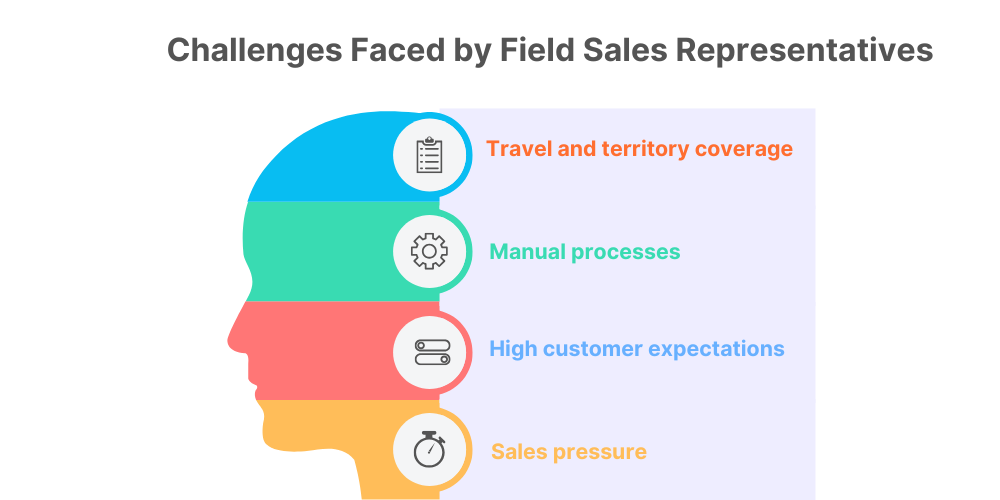
Field sales representatives face several unique challenges that can affect productivity and overall performance:
-
Travel and territory coverage:
Field representatives frequently cover multiple locations in a single day, sometimes over vast distances. Efficient route planning and time management are required to ensure that they visit all priority customers without missing opportunities or becoming exhausted. Poor planning can result in missed meetings, delayed deliveries, and wasted travel time.
-
Manual processes:
Without automation, tasks such as tracking orders, updating inventory, and recording customer visits can become time-consuming and error-prone. Order processing errors or incomplete records can reduce sales, create customer dissatisfaction, and cause inaccurate or delayed reporting for managers.
-
High customer expectations:
Customers today expect personalized service, prompt responses, and extensive product knowledge. Reps must be prepared to answer questions on the spot, recommend appropriate solutions, and provide a seamless purchasing experience or risk losing credibility and sales.
-
Sales pressure:
Meeting sales targets in competitive and dynamic markets is a constant source of stress. Field representatives must strike a balance between customer satisfaction, company goals, and market changes, requiring strong focus, adaptability, and resilience to perform effectively.
Field Sales Representative's Primary Roles and Responsibilities
1. Prospecting and Lead Generation
Before any sale can happen, reps must identify and evaluate potential customers who are most likely to need the product or service. This process begins with:
-
Researching target markets
Understand customer profiles, demand patterns, and business opportunities within a given territory. Armed with this information, field sales representatives visit retail outlets, distributors, or businesses in person to assess potential, introduce the brand, and start conversations.
-
Visiting outlets, retail stores, or businesses in-person
In-person visits allow reps to assess an outlet's true sales potential, observe customer footfall, check product placement, and introduce the brand directly. These visits help to establish rapport, trust, and open doors to future sales discussions, which are far more effective than remote outreach.
-
Identifying decision-makers and building contact lists
Successful prospecting requires connecting with the right people. Field representatives identify store owners, managers, or purchasing executives who influence purchasing decisions and compile accurate contact lists for follow-ups. Maintaining up-to-date contact information ensures consistent communication and increases the likelihood of converting prospects into loyal customers.
A LinkedIn survey found that 40% of sales reps spend time prospecting daily, yet only 17% of leads convert without proper follow-up.
2. Building and Maintaining Customer Relationships
Field sales representatives serve as the company's public face, influencing how customers perceive the brand. Their relationship-building responsibilities include the following:
-
Establishing trust with new customers
During initial interactions, field representatives concentrate on understanding customer needs, clearly explaining product value, and demonstrating dependability. Building trust early on is critical, as customers are more likely to do business with knowledgeable, transparent, and responsive representatives.
-
Maintaining relationships with existing customers
Aside from acquiring new clients, field sales representatives build long-term relationships with existing customers through regular visits, follow-ups, and ongoing support. Consistent engagement promotes repeat orders, strengthens loyalty, and creates opportunities for upselling and cross-selling. By leveraging CRM and analytics features, reps maintain consistent communication, strengthen loyalty, and maximize long-term revenue from existing customers.
-
Handling queries and resolving issues quickly
Field representatives are frequently the first point of contact for customers who have questions or encounter difficulties. They help maintain customer satisfaction by responding quickly to concerns, whether they are about pricing, product availability, or service issues.
Strong customer relationships lead to repeat orders and long-term loyalty. According to HubSpot, 93% of customers are likely to make repeat purchases if they receive excellent service.
3. Product Presentation and Promotion
Product presentation is where field sales representatives truly influence buying decisions. How a product is explained, demonstrated, and positioned can directly impact conversions and order value. Personalized product presentations can increase the likelihood of closing a deal by up to 60% over generic sales pitches.
-
Demonstrating product features and benefits:
Field sales reps explain how the product works and, more importantly, how it solves the customer’s specific problems. Instead of listing features, they translate benefits into real business value, helping customers clearly understand why the product fits their needs. -
Highlighting promotions, discounts, or new launches:
During field visits, reps actively communicate ongoing offers, seasonal discounts, and new product launches. This allows customers to take advantage of timely deals, increases order size, and accelerates the market adoption of new products. -
Customizing sales pitches based on customer needs:
Each customer is unique, and effective field representatives tailor their pitch accordingly. Reps deliver tailored presentations that are relevant and persuasive rather than generic, taking into account factors such as store size, customer base, previous purchases, and local demand.
4. Order Taking and Processing
Accurate order taking and timely processing are essential for ensuring smooth sales operations and high customer satisfaction. Field sales representatives play an important role in managing this process directly from the field.
-
Collect orders from customers in real time:
Field representatives take orders during store visits based on customer demand, current stock movement, and promotional availability. Real-time order collection reduces delays, speeds up fulfillment, and allows customers to restock products without waiting for follow-up calls or emails. -
Ensure stock availability:
Before confirming orders, representatives check product availability to avoid overordering or stockouts. This helps to set accurate delivery expectations, reduces order cancellations, and increases customer trust by ensuring promised quantities are met on time. -
Input order details into the system for processing:
Field sales representatives accurately record order details in the sales system, such as product quantities, pricing, and delivery schedules. Proper data entry reduces errors, improves coordination with supply and logistics teams, and ensures that orders run smoothly from placement to delivery.
5. Market Intelligence and Feedback Collection
Field sales representatives serve as the eyes and ears of the company in the market, gathering valuable insights that help businesses stay competitive and customer-focused.
-
Competitor pricing, promotions, and strategies:
During field visits, reps closely observe competitor activities such as pricing changes, discount offers, product launches, and in-store promotions. This real-time information helps companies respond quickly with competitive pricing, better offers, or improved sales strategies. -
Customer preferences and complaints:
Field reps interact directly with customers, allowing them to understand what products customers prefer, why certain items sell better, and what issues or complaints customers face. Capturing this feedback helps businesses improve product quality, service levels, and overall customer satisfaction. -
Local market trends and product performance:
Reps can identify emerging trends and assess product performance in specific regions by tracking local sales patterns and demand. These insights enable management to make informed decisions about inventory planning, regional promotions, and future product development.
6. Achieving Sales Targets and Reporting
Meeting sales targets is a core responsibility of every field sales representative, as it directly impacts business growth and revenue performance.
-
Track daily, weekly, and monthly sales performance:
Field representatives regularly track their sales progress to determine how close they are to meeting their targets. Tracking performance over time allows them to identify trends, plan effective follow-ups, and prioritize high-potential customers. -
Report on key metrics such as coverage, conversion rates, and revenue:
Accurate reporting enables managers to evaluate field activity and sales performance. Metrics such as market coverage, lead-to-sale conversion rates, and revenue generated provide clear insight into performance and assist in identifying areas for improvement.
-
Collaborate with managers to plan corrective actions if targets are missed:
When targets are not met, field reps work closely with managers to analyze gaps, refine sales strategies, and implement corrective actions. This collaboration ensures continuous improvement, better territory planning, and stronger future performance.

7. Compliance and Brand Representation
Field sales representatives are critical in maintaining the company's brand image and values throughout every customer interaction. Their conduct has a direct impact on trust, credibility, and long-term relationships.
-
Follow company policies and ethical guidelines:
Field reps are expected to operate with integrity by adhering to company policies, pricing structures, and ethical sales practices. Transparent communication and honest dealings help build long-lasting customer trust and protect the brand’s reputation.
-
Ensure merchandising and display standards:
Reps ensure that products are displayed correctly according to brand guidelines, including placement, visibility, and promotional materials. Consistent merchandising improves brand recall, enhances in-store presence, and positively influences purchase decisions.
-
Comply with legal and safety regulations:
Field sales reps must follow all applicable legal and safety requirements, such as trade regulations, documentation standards, and workplace safety norms during store visits. Compliance minimizes business risks and ensures smooth, uninterrupted operations.
Consistent branding, professionalism, and ethical conduct help differentiate the business from competitors while strengthening customer confidence and brand loyalty.
Skills Every Field Sales Representative Should Have
To succeed in competitive markets, field sales representatives need a combination of interpersonal, analytical, and practical skills that enable them to perform effectively in the field.
-
Communication skills:
Strong communication skills enable field representatives to engage customers clearly and confidently during in-person interactions. This includes listening to customers' needs, explaining product benefits in simple terms, and establishing trust through meaningful conversations that lead to long-term relationships. -
Negotiation skills:
Field sales reps must negotiate pricing, order quantities, and delivery terms while remaining profitable and customer-focused. Effective negotiation enables salespeople to successfully close deals, handle objections professionally, and create win-win scenarios for both the company and the customer. -
Time management:
With multiple outlets and meetings to cover each day, effective time management is critical. Field representatives must plan routes, prioritize high-value customers, and balance follow-ups in order to maximize productivity while avoiding missed sales opportunities. -
Analytical skills:
Understanding sales data, customer behavior, and market trends enables field representatives to make informed decisions. Analytical skills allow them to identify high-performing products, track sales performance, and adjust strategies in real time. -
Adaptability:
Market conditions and customer expectations fluctuate frequently. Field sales representatives must respond quickly to new products, competitive pressures, and customer demands in order to remain relevant and effective in dynamic selling environments.
How Companies Can Maximize the Impact of Field Sales Reps
To get the best results from field sales teams, organizations must support them with the right strategies, tools, and processes.
-
Provide training and onboarding for both sales skills and digital tools:
Regular training enables field sales representatives to improve core skills such as communication, negotiation, and product knowledge. Onboarding them on digital tools and sales software is also critical, as it allows them to work more efficiently, reduce manual errors, and adapt to modern selling environments. -
Offer clear performance metrics and incentives:
Clearly defined goals and measurable KPIs give field representatives direction and motivation. Performance-based incentives, such as meeting sales targets or expanding market coverage, encourage consistency and increase productivity. -
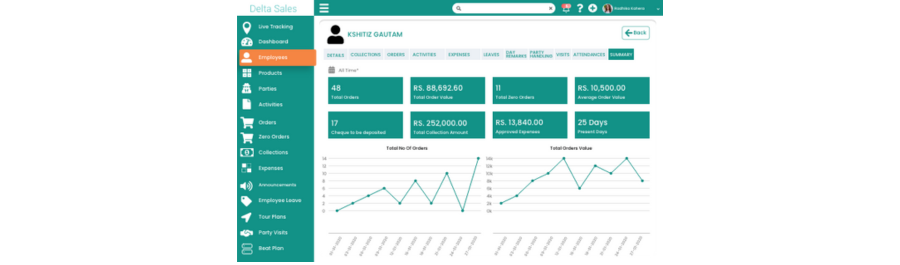
Implement real-time reporting to monitor performance:
Real-time visibility into field activities enables managers to monitor sales progress, visit coverage, and order performance. This allows for faster gap identification, timely guidance, and data-driven decision-making to improve outcomes.
-
Encourage market feedback loops to improve products and strategy:
Creating structured channels for gathering field feedback ensures that key market insights reach decision-makers. Customer feedback, competitor intelligence, and local trends gathered by field reps can be used to improve products, pricing, and sales strategies.
How DeltaSales App Empowers Field Sales Representatives
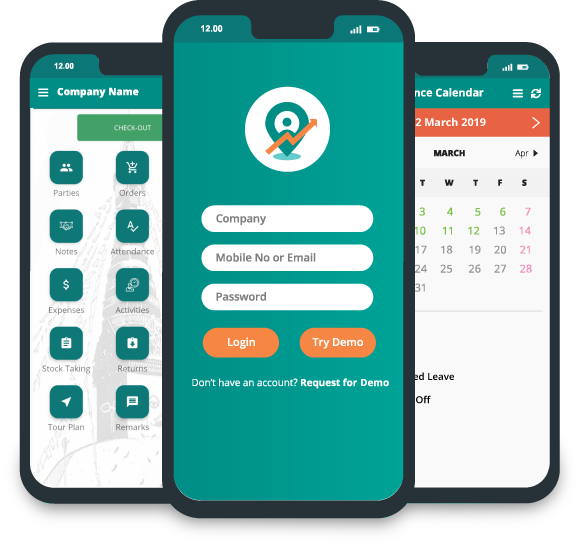
Field sales representatives are the backbone of any sales-driven business, but their effectiveness is enhanced when equipped with the right tools. DeltaSales App is intended to make field operations easier, more efficient, and data-driven. With features such as real-time order capture, route optimization, attendance tracking, and analytics dashboards, reps can concentrate on what is most important: building relationships, closing deals, and gathering market insights.
The app also helps managers monitor performance in real-time, track KPIs, and provide timely guidance, ensuring sales targets are met consistently. By digitizing manual processes, DeltaSales The app reduces errors, saves time, and increases overall productivity, allowing businesses to maximize the impact of each field sales representative.
Conclusion
Field sales representatives are multifaceted professionals who do more than just sell; they also build trust, generate revenue, collect market intelligence, and represent your brand in every interaction. Their role is critical in connecting businesses with customers and providing insights to help shape strategy.
Companies can empower their field sales teams to perform at their best by providing training, defining clear metrics, encouraging feedback, and utilizing tools such as Delta Sales App, resulting in higher sales, stronger customer loyalty, and better business decisions.
Investing in your field sales team is more than just an operational improvement; it's a strategic advantage in today's competitive marketplace.