
From Orders to Execution: The Hidden Layer of FMCG Growth Nobody Talks About
In the fast-moving world of FMCG (Fast-Moving Consumer Goods), growth is often measured by sales volume, new orders, and distribution reach. Companies celebrate record-breaking order numbers, assuming that these figures directly translate into revenue and market share.
However, the real challenge lies after the order is placed. Many FMCG companies focus heavily on generating orders but fail to ensure that these orders translate into successful execution at the retail and distributor level. This hidden layer, order execution is where growth is won or lost.
Execution is no longer just about delivering products; it’s about ensuring availability, visibility, timely fulfillment, and actionable insights across all channels. Companies that neglect this stage often face stock-outs, poor retail visibility, and missed revenue opportunities, despite strong order inflow.
The Traditional FMCG Growth Model and Its Limitations
Traditionally, FMCG growth models have prioritized:
-
Expanding distributor networks : Traditional FMCG growth expands distributor networks to increase reach but without execution visibility distribution alone cannot guarantee retail availability, sales conversion or consistent execution success.
-
Driving higher order volumes from field sales teams : Traditional FMCG growth pushes higher orders from field teams assuming volume equals growth but without execution success orders may not convert into retail sales.
-
Investing in promotions and marketing campaigns : Traditional FMCG growth invests heavily in promotions and marketing expecting demand creation but without execution success campaigns fail at retail execution and visibility.
While these strategies are important, they often assume that orders will naturally convert into sales and growth. In reality, several hidden gaps can undermine this assumption:
-
Stock-outs at retail outlets : Weak execution success causes stock-outs where products remain at distributors but fail reaching retail shelves on time leading to missed sales and lost consumer trust.
-
Poor shelf visibility : Limited execution success reduces shelf visibility where products exist in stores but poor placement and weak branding lowers shopper attention and reduces conversion and sales performance.
-
Delayed corrective actions : Lack of real-time monitoring weakens execution success preventing teams from identifying gaps quickly delaying corrective actions and allowing small issues to become large execution failures.
-
Wasted effort : Poor execution success wastes field productivity where teams visit outlets with unresolved issues collect unproductive orders and fail improving retail execution or market performance.
These limitations highlight the critical importance of focusing on what happens after an order is generated, rather than treating order collection as the final milestone.
The Hidden Layer: From Order Capture to On-Ground Execution
The hidden layer of FMCG growth lies in translating orders into tangible retail impact. It involves several interconnected steps:
Distributor Coordination
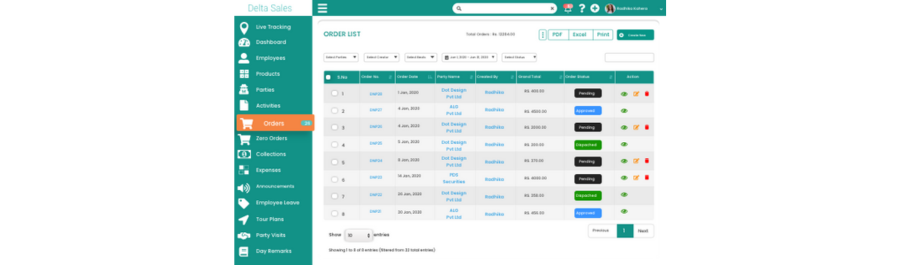
Ensuring distributors have sufficient stock to fulfill orders is the first execution step. This requires real-time stock monitoring, efficient inventory replenishment, and proactive issue resolution.
Retail Execution
Once products reach stores, execution matters more than delivery. Are products placed correctly? Is the shelf visibility optimized? Are promotional displays implemented as planned? These questions define the true impact of an order.
Field Team Accountability
Field sales teams act as the bridge between distributors and retailers. Their role extends beyond order collection to monitoring execution, providing feedback, and addressing execution gaps immediately.
Data-Driven Insights
Execution must be tracked and measured. Modern FMCG leaders leverage real-time data, automated alerts, and dashboards to detect execution gaps from missing orders to empty shelves, allowing corrective actions before revenue is lost.
Key Challenges in Execution
Even with experienced teams, FMCG companies face execution challenges:
-
Manual Processes: Many companies rely on manual order tracking and reporting, leading to delays and errors.
-
Fragmented Communication: Lack of seamless communication between distributors, field teams, and headquarters creates gaps.
-
Limited Visibility: Without end-to-end visibility, it’s difficult to know whether an order has reached the retailer, whether the stock is displayed properly, or whether promotions are active.
-
Reactive Decision-Making: Traditional reporting often highlights issues after the fact, leaving no time for corrective action.
These challenges not only impact revenue but can also damage brand reputation, as products fail to reach consumers as intended.
How Technology Bridges the Execution Gap
Modern FMCG leaders are increasingly turning to technology to transform order execution into a strategic growth lever:
-
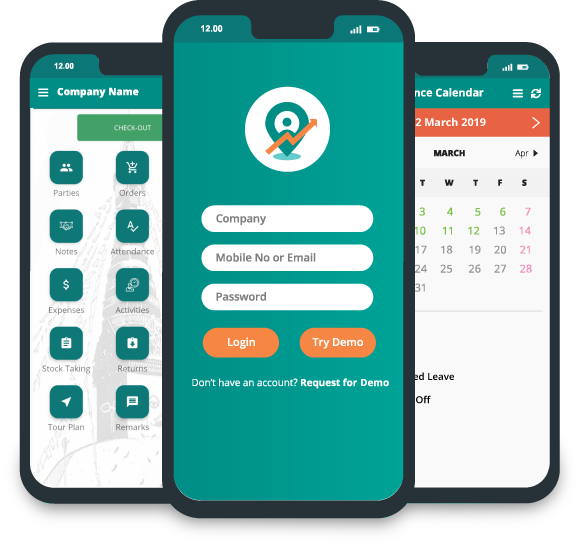
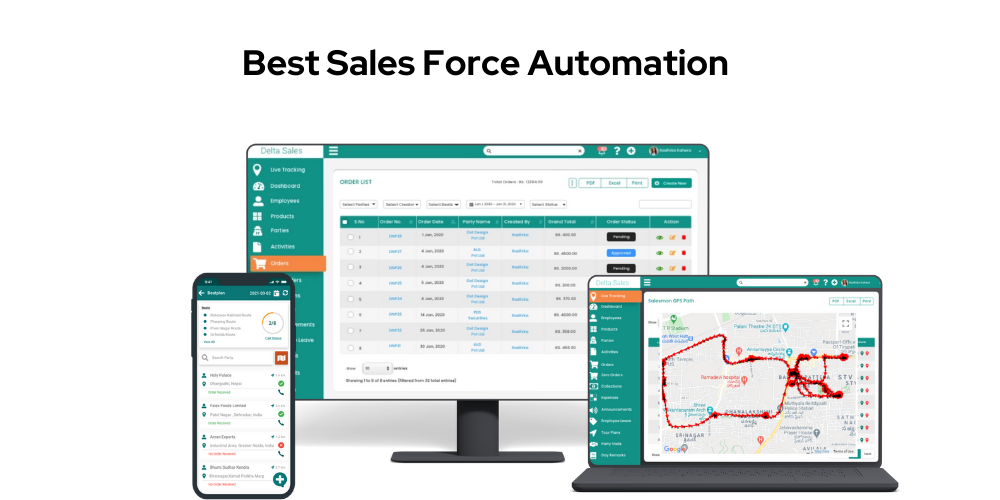
Field Sales Apps: Tools like Delta Sales App empower field teams to monitor retail execution, record real-time stock levels, and capture on-ground insights.
-
Automated Alerts: Companies receive instant notifications for low stock, delayed deliveries, or missing promotions, enabling quick corrective actions.
-
Route Optimization & Planning: AI-driven route planning ensures field teams cover maximum outlets efficiently, reducing missed execution opportunities.
-
Data Analytics: Consolidated execution data provides actionable insights, highlighting top-performing stores, regions, and distributors, while identifying areas requiring intervention.
By integrating technology into the execution process, FMCG companies can close the gap between order placement and market impact, turning execution into a measurable driver of growth.
The Role of Predictive Analytics in FMCG Execution
Beyond tracking what has already happened, predictive analytics allows FMCG companies to anticipate execution failures before they occur.
-
Identifying Outlets at Risk of Stock-Outs: Predictive models analyze historical sales patterns, seasonality, and current inventory to flag outlets likely to run out of stock. Timely replenishment ensures shelves remain stocked.
-
Detecting Recurring Execution Gaps: Analytics reveal patterns of execution failures by region, distributor, or product line. Companies can intervene strategically, instead of reacting randomly.
-
Optimizing Inventory and Promotion Schedules: Historical and real-time data guide decisions on stock allocation, promotional campaigns, and product visibility, ensuring resources are used efficiently.
Predictive tools transform execution from reactive problem-solving to proactive growth management, reducing operational inefficiencies and maximizing revenue.
Empowering Field Teams for Better Execution
Execution isn’t just about processes, it’s about people. Even the best strategies fail without a motivated, well-equipped field team:
-
Training & Motivation: Field teams must understand the direct link between execution quality and business outcomes. Structured training demonstrates how proper stock placement, promotional compliance, and timely reporting boost revenue.
-
Gamification & Incentives: Rewarding high execution compliance encourages engagement and accountability. Gamification transforms routine tasks into measurable achievements, motivating teams to perform consistently.
-
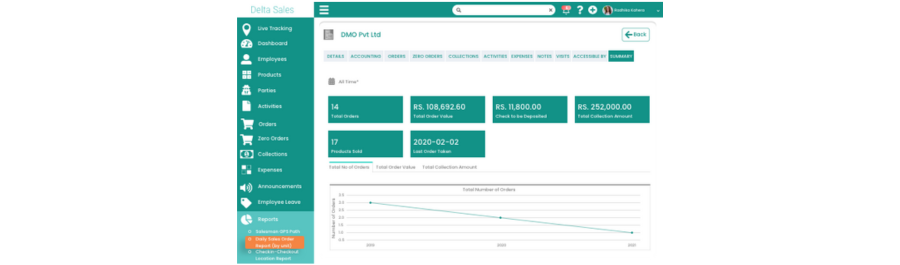
Real-Time Reporting: Mobile apps enable reps to log shelf placement, stock levels, and promotional execution instantly, allowing management to take swift corrective actions.
A motivated field team ensures that orders convert into revenue and growth, rather than remaining mere numbers on a report.
Integrating Execution with Marketing & Promotions
Execution is most effective when aligned with marketing strategies:
-
Ensuring Proper Implementation of Promotions: Campaigns, discounts, and displays have little impact if not executed on the ground. Field teams verify placement, pricing, and visibility.
-
Aligning Trade Marketing, Sales, and Distribution Teams: Integration prevents gaps where campaigns planned by marketing aren’t implemented properly by distributors or field teams.
-
Tracking Execution Metrics: POS display compliance, promotional material usage, and adherence to campaign plans allow management to adjust strategies promptly.
Integration ensures that every order maximizes both sales and brand impact, turning marketing investments into measurable results.
KPIs & Metrics to Measure Execution Success
To make execution actionable, companies should track measurable KPIs:
1. On-Time Product Availability at the Point of Sale : ensures execution success by keeping shelves stocked when shoppers arrive reducing lost sales and improving brand trust.
2. Shelf Share & Visibility Metrics : drive execution success by measuring facing space against competitors improving in-store presence boosting recall influencing purchase decisions and strengthening position.
3. Promotion Compliance Rate : supports execution success by confirming campaigns run as planned across outlets ensuring correct displays pricing and materials maximizing ROI and campaign impact.
4. Distributor Fulfillment Accuracy : Improves execution success by delivering right products quantities and timing reducing stockouts avoiding overstock stabilizing supply chains and improving retailer satisfaction levels.
5. Field Team Coverage & Reporting Accuracy : enable execution success by ensuring every outlet is visited, data captured instantly insights shared quickly and corrective actions taken
Clear KPIs turn execution from a vague concept into a measurable growth lever, enabling informed decisions and targeted interventions.

Final Thoughts
In FMCG, generating orders is only the first step, execution is where real growth happens. Coordinating distributors, ensuring on-shelf visibility, empowering field teams, leveraging predictive insights, aligning marketing, and tracking KPIs form the hidden layer that drives sustainable results.
Companies that ignore execution risk losing revenue, market share, and brand trust. Those that embrace technology, streamline processes, and monitor performance in real time can transform this hidden layer into a powerful engine for growth. The future of FMCG belongs to businesses that go beyond orders, mastering execution to deliver availability, visibility, and consistency to every customer.
Take the next step to empower your team, optimize execution, and turn every order into measurable growth today.