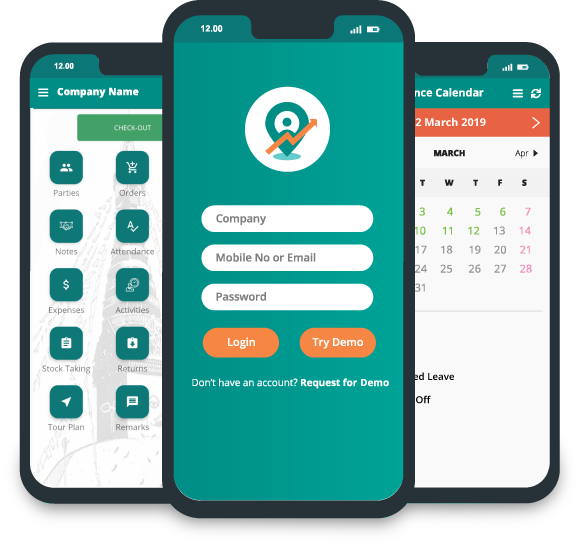

GPS Tracking Apps vs. Field Force Management Software: Which is Better?

Field operations have become the backbone of revenue generation for industries like FMCG, pharmaceuticals, distribution, logistics, and B2B services. Sales teams spend most of their time outside the office, visiting customers, collecting orders, and managing relationships in real time.
As businesses scale, one challenge becomes unavoidable: how to monitor, manage, and optimize field team performance effectively.
At first glance, both appear similar because both provide location tracking. However, their purpose, depth of functionality, and business impact are fundamentally different.
This guide breaks down both systems in detail and helps you understand which solution actually drives better efficiency, productivity, and ROI for modern sales organizations.
What Are GPS Tracking Apps?
GPS tracking apps are digital tools designed to provide real-time location tracking of employees, vehicles, or field assets using GPS technology. These applications primarily focus on visibility and movement monitoring rather than complete workforce or sales management. Businesses use them to understand where field resources are during working hours and how they are moving across different locations.
However, while GPS tracking apps improve basic transparency, they do not offer deeper operational control like task management, productivity tracking, or customer visit insights found in advanced field tracking solutions.
Core capabilities include:
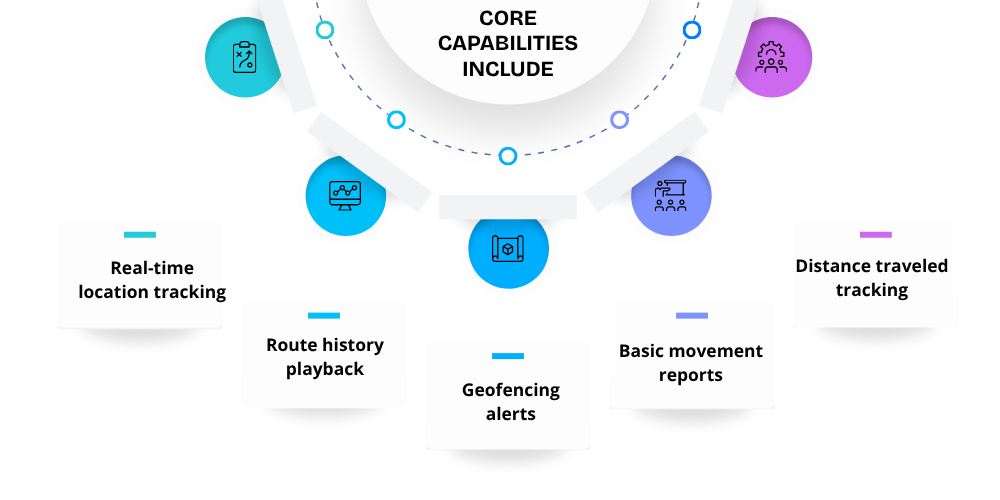
- Real-time location tracking: Enables live monitoring of employees and assets using GPS tracking software, improving field visibility and control.
- Route history playback: Allows managers to review travel paths and movement history using location tracking app data for better analysis.
- Geofencing alerts: Sends instant notifications when employees enter or exit defined zones using GPS monitoring systems.
- Basic movement reports: Provides simple reports on travel activity, distance covered, and time spent in the field.
- Distance traveled tracking: Measures total movement of field staff using GPS field tracking tools to evaluate travel efficiency.
What Is Field Force Management Software?
Field Force Management Software is an advanced digital platform designed to manage complete end-to-end field operations, not just basic location visibility. Unlike simple GPS tools, it provides full control over field activities such as sales execution, productivity tracking, customer engagement, and workforce coordination through integrated field force management systems and sales tracker app.
It helps organizations monitor what employees are doing, how they are performing, and how effectively they are executing assigned tasks in real time. This makes it essential for businesses that depend heavily on field teams for revenue generation and customer interaction.
Core capabilities include:
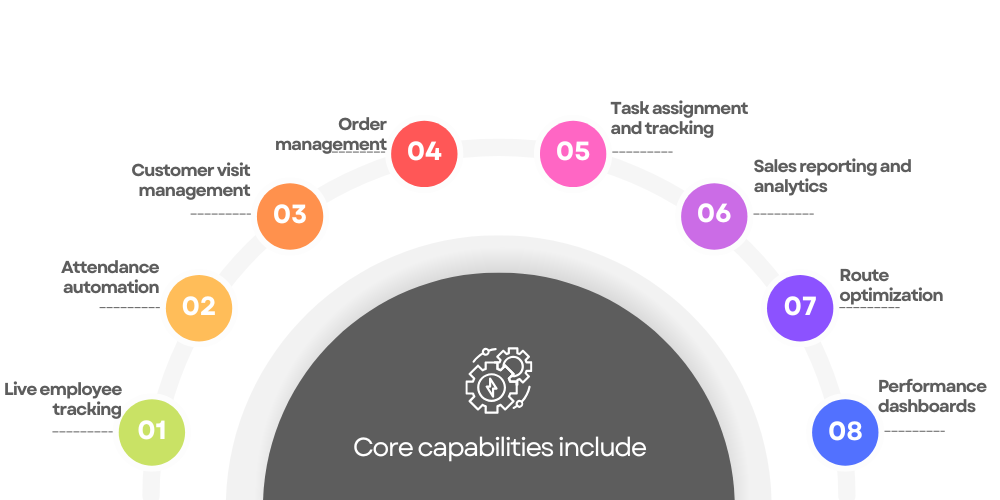
- Live employee tracking: Enables real-time monitoring of field staff locations using field tracking software, improving visibility and operational control.
- Attendance automation: Automatically records check-in and check-out using field employee attendance systems, ensuring accurate workforce tracking.
- Customer visit management: Tracks and verifies customer interactions using customer visit tracking software, improving accountability and engagement quality.
- Order management: Simplifies order collection and processing through mobile sales automation tools, reducing manual errors and delays.
- Task assignment and tracking: Allows managers to assign and monitor tasks using field task management systems, improving execution efficiency.
- Sales reporting and analytics: Generates real-time insights using automated reports and analytics dashboards, helping improve decision-making and performance tracking.
- Route optimization: Enhances travel efficiency using route optimization software, reducing time and operational costs for field teams.
- Performance dashboards: Provides visual insights into team productivity using field sales performance tracking tools, enabling better strategy optimization.
Why Businesses Use GPS Tracking Apps
GPS tracking apps are commonly adopted by businesses as an initial step toward improving field visibility and workforce monitoring. These tools help organizations track employee movement and ensure basic transparency in field operations using GPS tracking systems and location tracking software. However, their usage is often limited to early-stage operational needs rather than complete workforce management.
Key reasons include:
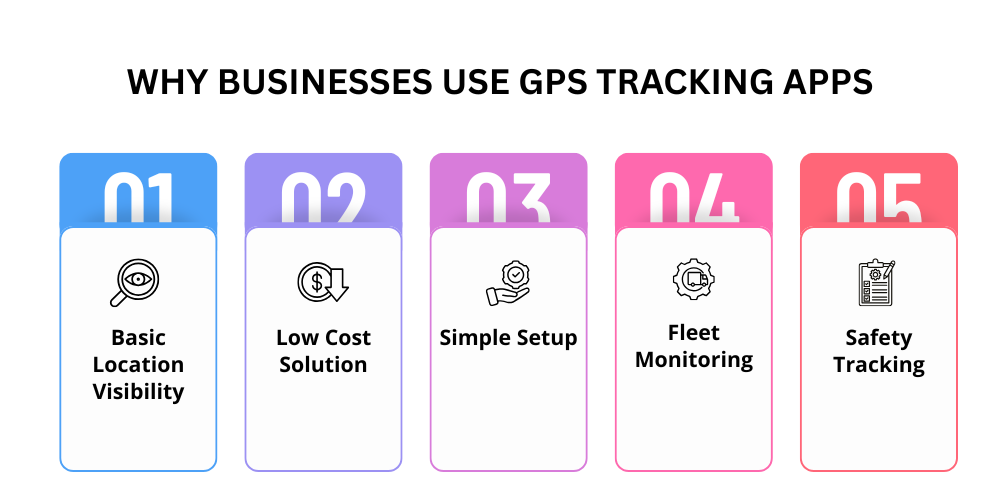
1. Basic Location Visibility
Managers use GPS tracking apps to monitor real-time employee locations during working hours, ensuring basic field transparency and movement tracking.
2. Low Cost Solution
These apps offer a cost-effective entry point for businesses seeking simple employee tracking solutions, making them suitable for small-scale operations.
3. Simple Setup
GPS tracking tools require minimal installation and configuration, allowing quick deployment without complex training or field management software integration.
4. Fleet Monitoring
Businesses use them to track delivery vehicles, logistics fleets, and transport movement through vehicle tracking systems, improving operational coordination.
5. Safety Tracking
GPS apps enhance employee safety by enabling real-time location monitoring using mobile tracking applications, especially during field travel or remote work.
Despite these benefits, businesses often realize that GPS tracking apps only provide basic visibility and lack deeper capabilities like task management, productivity tracking, and sales performance insights.
Why Enterprises Prefer Field Force Management Software
As organizations scale, basic tracking tools like GPS apps become insufficient to manage complex field operations. Enterprises require advanced systems that go beyond location tracking and deliver complete visibility into workforce performance, execution quality, and revenue contribution using field force management software and sales automation platforms.
These systems are designed to improve operational efficiency, ensure accountability, and optimize field execution across large sales teams.
Key reasons enterprises prefer field force management systems:
1. Complete Operational Control
Enterprises gain end-to-end visibility into tasks, customer visits, attendance, and performance using field workforce management systems, enabling full operational control beyond simple GPS tracking.
2. Sales Execution Monitoring
Managers can ensure that field teams are following planned sales strategies using sales execution tracking tools, improving discipline and consistency in field operations.
3. Productivity Tracking
Unlike GPS apps, these systems measure actual work output such as visits, orders, and tasks completed using sales productivity tracking software, not just movement data.
4. Customer Visit Validation
Every customer visit is recorded and verified using customer visit tracking systems, ensuring transparency and accurate field reporting.
5. Data-Driven Decision Making
Advanced analytics and dashboards help organizations optimize territories, forecast performance, and improve strategy using sales analytics software and real-time insights.
This is why modern enterprises are rapidly shifting from basic GPS tracking apps to comprehensive field force management platforms that deliver measurable business outcomes.
Business Impact Comparison
The real difference between GPS tracking apps and field force management software is not just functionality, it is the business impact on productivity, revenue, and operational efficiency. While both solutions offer visibility, their depth of influence on business outcomes varies significantly across field operations management and sales performance tracking.
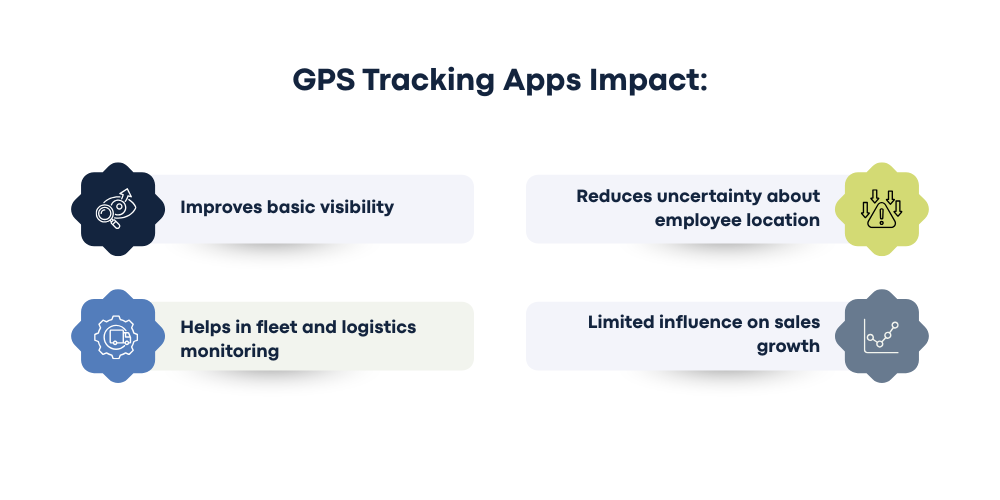
GPS Tracking Apps Impact:
- Improves basic visibility: Provides real-time location tracking, helping managers monitor where employees or vehicles are during working hours.
- Reduces uncertainty about employee location: Enhances transparency using GPS tracking systems, but does not measure work quality or output.
- Helps in fleet and logistics monitoring: Supports basic vehicle tracking software use cases such as delivery and transport management.
- Limited influence on sales growth: Does not directly improve revenue, customer engagement, or sales execution efficiency.
Field Force Management Software Impact:
- Improves sales productivity: Enhances efficiency using field force management software, enabling teams to focus more on selling than reporting.
- Increases conversion rates: Improves customer interactions and follow-ups through sales execution tracking systems.
- Enhances customer engagement: Strengthens relationships using structured customer visit tracking software and communication workflows.
- Optimizes territory performance: Ensures balanced coverage and efficient allocation using territory management app.
- Reduces operational inefficiencies: Eliminates manual reporting and delays through sales automation software.
- Improves revenue outcomes: Drives measurable business growth through sales performance management systems and real-time analytics.
In summary, GPS tracking apps improve visibility, but field force management software directly improves business performance, sales efficiency, and revenue generation.
Limitations of GPS-Based Tracking Tools
Despite offering basic location tracking capabilities, GPS-based tracking apps have significant limitations when it comes to managing modern field sales teams and optimizing business performance. These tools are primarily designed for visibility, not execution or productivity management, making them insufficient for advanced field force tracking requirements.
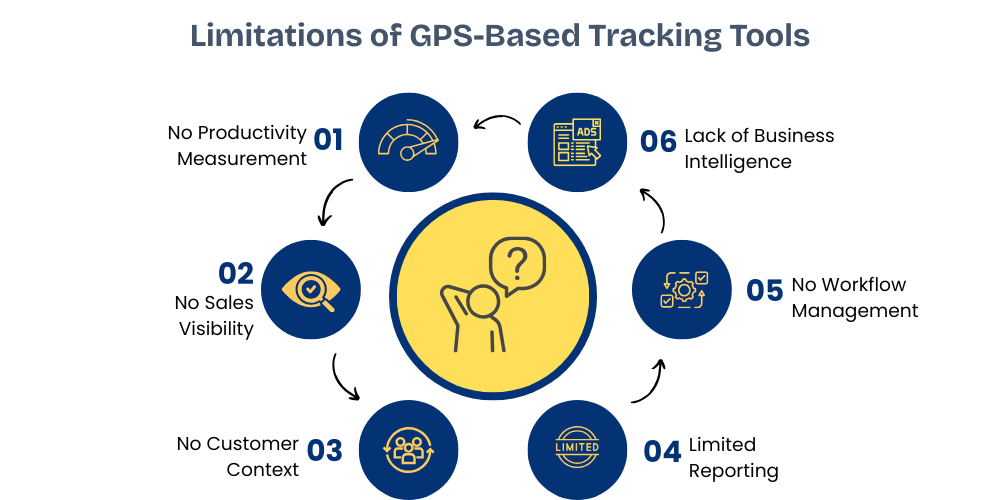
1. No Productivity Measurement
GPS tracking apps only monitor employee movement and location using GPS tracking systems, but they do not measure actual work output such as visits, orders, or completed tasks.
2. No Sales Visibility
Managers cannot access sales data, order details, or revenue performance, limiting their ability to use sales tracking software insights for decision-making.
3. No Customer Context
These tools lack information about customer interactions, visit outcomes, or engagement quality, which are critical in customer visit tracking systems and field sales operations.
4. Limited Reporting
Reporting is restricted to basic metrics like distance traveled and movement history, offering minimal value compared to advanced field reporting tools.
5. No Workflow Management
GPS apps do not support task assignment, scheduling, or execution tracking, unlike field workforce management software that enables structured workflows.
6. Lack of Business Intelligence
They provide no actionable insights, analytics, or forecasting capabilities needed for strategic planning using sales intelligence platforms.
Due to these limitations, GPS tracking apps are not suitable for scaling sales organizations that require visibility, accountability, and performance optimization.
Advantages of Field Force Management Systems
Field force management software delivers a complete transformation of modern field operations management by combining visibility, automation, and analytics into a single platform.
Unlike basic tracking tools, it enables organizations to actively manage productivity, performance, and revenue outcomes using field force management systems and sales automation platforms.
1. End-to-End Visibility
Provides complete visibility across attendance, daily activities, customer visits, and sales closures using real-time field tracking software, ensuring full operational control.
2. Improved Sales Productivity
Reduces manual reporting and administrative workload, allowing field teams to focus more on selling through sales productivity management tools.
3. Better Customer Engagement
Tracks customer visits, follow-ups, and interaction outcomes using customer relationship management, improving engagement quality and retention.
4. Real-Time Reporting
Enables instant updates from the field through real-time sales reporting software, helping managers make faster and more accurate decisions.
5. Performance Analytics
Identifies top and low-performing employees using sales performance analytics dashboards, supporting data-driven workforce optimization.
6. Route Optimization
Reduces travel time and fuel costs using route optimization software for field teams, improving daily customer coverage and efficiency.
7. Workflow Automation
Automates attendance, reporting, task assignment, and order management using sales workflow automation tools, ensuring consistent execution across teams.
Overall, these advantages make field force management systems essential for organizations aiming to improve efficiency, visibility, and long-term revenue performance.
Which One Delivers Better ROI?
Return on Investment (ROI) is ultimately determined by how effectively a solution contributes to productivity improvement, sales execution, and revenue growth. While both GPS tracking apps and field force management software provide value, their ROI differs significantly based on depth of functionality and business impact across field operations management.

GPS Tracking Apps ROI:
- Low investment: Requires minimal setup cost, making it accessible for small teams using basic GPS tracking tools.
- Basic visibility improvement: Helps managers monitor employee movement through location tracking software, improving transparency.
- Limited revenue impact: Does not directly influence sales performance, conversions, or business growth metrics.
Overall, ROI is restricted to operational visibility and cost control, with minimal contribution to revenue generation.
Field Force Management Software ROI:
- Higher initial investment: Requires more setup and integration compared to simple field tracking applications.
- Significant productivity improvement: Reduces manual work and improves efficiency using field force automation systems.
- Better sales execution: Enhances discipline, task completion, and customer engagement through sales execution tracking software.
- Increased revenue generation: Improves conversions and order collection using sales performance management tools.
- Strong long-term business impact: Delivers scalable ROI through sustained productivity, better territory management, and optimized field operations.
In conclusion, GPS tracking apps offer low-cost visibility, but field force management software delivers substantially higher ROI through improved efficiency, execution quality, and revenue growth.
Best Use Cases by Industry
The effectiveness of GPS tracking apps versus field force management software depends heavily on the industry use case and operational complexity.
While both tools support field visibility, their applicability differs based on whether the focus is simple location tracking or full field operations management and sales execution.
GPS Tracking Apps Are Best For:
- Logistics and fleet tracking: Used for monitoring vehicle movement and ensuring route adherence through GPS tracking systems.
- Delivery services: Helps track real-time delivery status and improve last-mile visibility using delivery tracking apps.
- Transportation companies: Supports monitoring of drivers, routes, and transit efficiency through fleet management tools.
- Asset movement tracking: Useful for tracking movable assets and ensuring security using location tracking software.
Field Force Management Software Is Best For:
- FMCG sales teams: Enables retail coverage, distributor visits, and order management using FMCG sales automation software.
- Pharmaceutical field reps: Tracks doctor visits, sample distribution, and compliance using pharma sales tracking systems.
- Distribution networks: Improves order collection, stock visibility, and field coordination through distribution management software.
- B2B sales organizations: Enhances lead management, customer engagement, and deal execution using B2B sales tracking tools.
- Retail execution teams: Ensures store visits, merchandising, and shelf management using retail execution software.
- Service field engineers: Tracks service requests, job completion, and field task execution using field service management systems.
Role of Automation in Sales Productivity
Automation plays a critical role in transforming traditional field sales operations into efficient, scalable, and data-driven systems. By reducing manual effort and standardizing workflows, sales automation systems and field force automation tools significantly improve productivity, accuracy, and execution speed across sales teams.
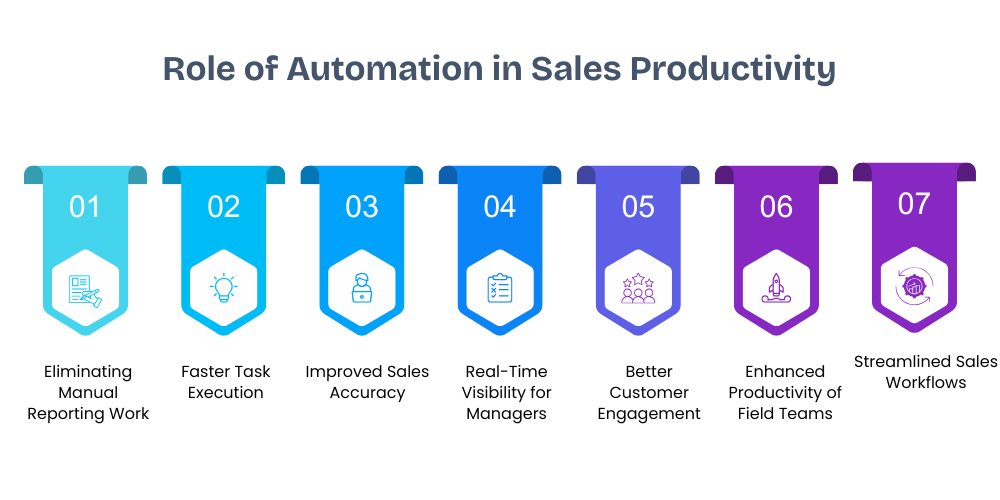
1. Eliminating Manual Reporting Work
Automation removes the need for paper-based or spreadsheet reporting by enabling instant updates through sales reporting automation software. This reduces administrative workload and allows sales teams to focus on customer engagement and revenue-generating activities.
2. Faster Task Execution
Automated task assignment and reminders ensure that field employees complete visits, follow-ups, and orders on time using field task management systems, improving execution consistency.
3. Improved Sales Accuracy
Automation minimizes human errors in order entry, reporting, and data recording through digital sales tracking systems, ensuring reliable and accurate business data.
4. Real-Time Visibility for Managers
Managers gain instant access to field activities, performance metrics, and customer interactions using real-time sales tracking dashboards, enabling faster decision-making.
5. Better Customer Engagement
Automated follow-ups and visit scheduling improve response times and relationship management through customer engagement automation tools, leading to higher satisfaction and retention.
6. Enhanced Productivity of Field Teams
By automating repetitive tasks, sales representatives spend more time selling and less time on administrative work, improving efficiency through sales productivity automation platforms.
7. Streamlined Sales Workflows
Automation ensures standardized processes across teams, reducing inefficiencies and improving coordination using sales workflow automation software.
Final Thoughts
GPS tracking apps and field force management software may look similar, but they serve very different purposes in field operations.
GPS apps are suitable for basic location tracking, but they fall short when businesses need sales execution control and performance insights. In contrast, field force management software enables full visibility into attendance, tasks, customer visits, and sales performance.
For organizations focused on growth, efficiency, and scalability, field force systems deliver significantly better outcomes.
If your business wants to move beyond basic tracking and improve field productivity, Delta Sales App offers a complete field sales management solution.
Book a free demo today and upgrade your field operations into a smarter, data-driven system.