
Remote Sales Management: Keeping Your Team Accountable Without Micromanagement

Remote sales managers used to be a bit of an anomaly. Now, in 2026, it's the norm. The pandemic accelerated a shift that was already bubbling, and we've all learned that top-performing teams can absolutely thrive without sharing the same coffee machine. But here’s the rub: how do you keep a geographically dispersed team humming, hitting targets, and staying sharp without becoming
This isn't just about metrics; it's about people. It's about trusting your team, empowering them, and giving them the tools and the space to succeed, while still ensuring the numbers roll in. If you’re like me, you’ve probably wrestled with this. You want to be supportive, not suffocating. You want to lead, not police. So, let’s dig into the modern remote sales manager’s playbook for accountability, sans micromanagement.
The Elephant in the Virtual Room: What Isn’t Micromanagement?
Before we dive into solutions, let’s define the enemy. Micromanagement in a remote setting often looks like:
-
Excessive Check-ins: "What are you doing right now?" texts or Slack messages every hour.
-
Time-Tracking Over Output: Obsessing over login times or keyboard strokes rather than actual results.
-
Dictating How Tasks are Done: Providing overly granular instructions on every email, call script, or follow-up.
-
Lack of Trust: Presuming your team isn’t working unless you have constant proof.
-
Requiring Constant Availability: Expecting instant responses outside of agreed-upon working hours.
This approach doesn't just annoy your team; it actively kills morale, fosters resentment, and ultimately cripples performance. Top sales reps are self-starters; they thrive on autonomy. Treat them like children, and they’ll either leave or perform like children.
The Foundation: Trust, Transparency, and Tools
Building accountability without micromanagement starts with a bedrock of trust and transparency, heavily supported by the right technological infrastructure.
The Ultimate Currency
I can’t stress this enough: you must trust your team. When you hire someone, you're investing in their ability to perform. If you don't trust them to do their job without constant oversight, then either you hired the wrong person, or you have a fundamental issue with your management style.
-
Lead by Example: Show that you trust them by giving them responsibility and space. Don't second-guess every decision.
-
Assume Good Intent: If something seems off, approach it with curiosity.
-
Empower Autonomy: Let them figure out how to hit their targets. Provide the "what" and the "why," and allow them the freedom on the "how."
Shining a Light on Performance (and Progress)
Transparency isn’t just about showing everyone the numbers; it’s about making sure everyone understands the why behind those numbers and how they contribute.
-
Shared Goals & KPIs: Clearly articulate team and individual goals. Everyone should know exactly what they’re striving for and how their efforts impact the larger team objectives. Make sure these aren't just arbitrary numbers but are tied to company growth and vision.
-
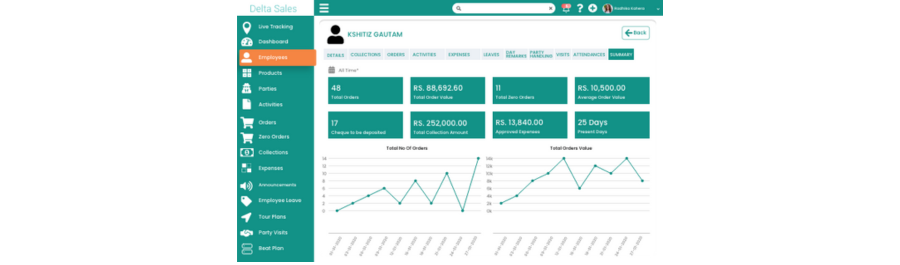
Visible Dashboards: This is where technology becomes your best friend. A live, accessible dashboard showing individual and team performance against key metrics (pipeline generated, calls made, demos booked, conversion rates, closed-won deals) is essential. Tools like Salesforce, HubSpot, or even custom BI dashboards provide this. The beauty of a shared dashboard? It holds everyone accountable to the collective, and to themselves, without you having to constantly nag.
Your team logs in each morning, and the first thing they see is a clear, color-coded dashboard: "Team Pipeline Health: Green!" or "This Month's Closing Ratio: 8% (Target 10%) – Let's push!" This isn’t you calling them out; it’s the data speaking.
Your Virtual Manager's Toolkit
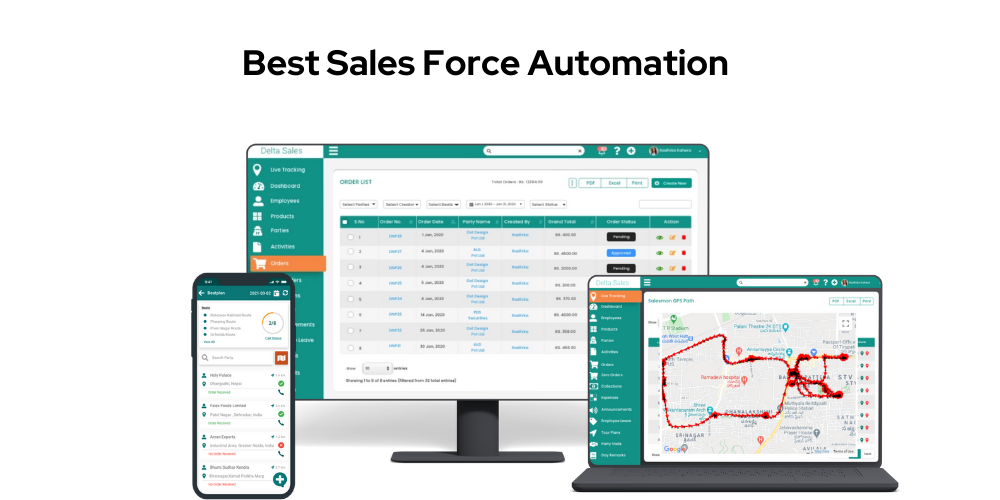
In 2026, technology isn’t a nice-to-have; it’s the backbone of remote sales management. These tools replace the "shoulder tap" and provide the insights you need.
-
CRM (Customer Relationship Management): The non-negotiable cornerstone. Salesforce, Hub Spot, Zoho, Microsoft Dynamics, pick one and make sure your team uses it religiously. It should be the single source of truth for all customer interactions, pipeline stages, and forecasting. If it's not updated, it's garbage in, garbage out. Your job isn't to force updates, but to show why accurate updates benefit them.
-
Sales Engagement Platforms (SEPs): Tools like Outreach.io or Sales loft are vital. They track email opens, clicks, replies, call logs, and help automate sequences. This gives you a bird's-eye view of activity levels and engagement effectiveness without watching someone's screen. You can see if someone is hitting their activity targets and if those activities are leading to positive outcomes.
-
Conversation Intelligence (CI): Gong.io or Chorus.ai are game-changers for remote teams. They record, transcribe, and analyze sales calls. This isn't about listening in to spy; it's about coaching.
-
Think of it this way: Professional athletes watch game tape to improve. Your sales reps can watch their own calls to identify areas for growth. As a manager, you can pinpoint specific moments, a brilliant objection handling technique or a missed buying signal – and provide targeted feedback after the call, asynchronously. This moves you from "gotcha" management to true coaching.
-
Asynchronous Communication Platforms: Slack, Microsoft Teams, Loom. These are for quick questions, sharing wins, and providing feedback without needing a live meeting. Loom, in particular, is fantastic for quick video feedback on proposals, call recordings, or even coaching a new feature presentation.
-
Project Management & Collaboration Tools: Asana, Trello, Monday.com. While not strictly sales tools, they help manage cross-functional projects, keep track of action items, and ensure tasks are completed on time, promoting accountability in collaborative efforts.
Practical Strategies for Remote Accountability
With trust, transparency, and tools in place, let's look at the actionable strategies.
1. Crystal-Clear Expectations & Goal Setting (and Regular Review)
This is more than just setting a quarterly revenue target. It’s about breaking it down.
-
Input vs. Output Metrics: Clearly define what activities (inputs) are expected to lead to desired results (outputs).
-
SMART Goals: Ensure goals are Specific, Measurable, Achievable, Relevant, and Time-bound.
-
Collaborative Goal Setting: Involve your team in setting their goals. When they have a hand in shaping them, they're far more likely to own them.
-
Daily Huddles : Quick stand-ups via video call. "What did you accomplish yesterday? What's your top priority today? Any blockers?" Keep it brief, focused, and forward-looking. This isn't a deep dive, it's a pulse check.
-
Weekly 1-on-1s : Your most important accountability touchpoint. This is where you discuss progress, celebrate wins, address challenges, and provide coaching. Use the CRM and CI data to inform your conversations. Focus on their goals and their development, not just hitting your numbers.
-
Monthly/Quarterly Business Reviews: Review overall performance, pipeline health, and strategic adjustments. This is where the team collectively owns the larger goals.
2. Coaching, Not Policing: The Game Tape Approach
This is where Conversation Intelligence (Gong, Chorus) shines.
-
Asynchronous Feedback: Instead of jumping on every call, review recordings and send personalized, timestamped feedback via Loom or email.
-
Peer Coaching: Encourage reps to listen to each other's calls and offer feedback. This builds a culture of shared learning and accountability to peers.
-
Role-Playing Sessions: Use video calls for targeted role-playing based on common objections or challenging scenarios identified through CI.
-
Resource Library: Curate a library of "best practice" calls from your top performers. "Listen to Sarah's discovery call on this deal – notice how she uncovered pain points."
3. Foster a Culture of Ownership and Empowerment
Accountability thrives when people feel a sense of ownership over their work and their results.
-
"What Do You Think? : When a problem arises, resist the urge to immediately provide the solution. Ask your team, "What do you think is the best way to approach this?" or "What are your proposed solutions?" This empowers them to problem-solve.
-
Delegate Strategically: Assign projects or responsibilities that go beyond daily selling, like leading a training session on a specific product feature or developing a new prospecting strategy.
-
Celebrate Wins, Publicly and Often: Shout out successes in your team Slack channel, during huddles, and in 1-on-1s. Recognize effort as well as results. This reinforces positive behaviors and motivates the entire team.
Example: "Huge shout out to Alex for closing that ACME deal! Not only did he hit his target, but his creative approach to specific challenge was brilliant. Let's learn from that
4. The Power of Working Out Loud
Encourage your team to share their progress, challenges, and insights with each other, asynchronously.
-
Dedicated "Wins" Channel: A Slack channel purely for celebrating closed deals, successful demos, or positive customer feedback.
-
"Help Me Out" Channel: A place where reps can quickly ask for advice on a tricky situation, an email draft review, or a specific product question. This encourages peer-to-peer accountability and collaboration.
-
Weekly "Highlights & Lowlights": A simple shared document or forum where each rep posts their top win, top challenge, and a key learning from the week. This keeps everyone informed and provides a pulse check on team sentiment and performance.
5. Proactive Problem Solving & Identifying Blockers
A remote manager's job isn't to fix everything, but to remove roadblocks and provide support.
-
Listen Actively in 1-on-1s: Pay attention to what's not being said. Are they struggling with a particular part of the sales cycle? Do they lack specific resources?
-
Data-Driven Interventions: If the dashboard shows a rep's demo-to-close ratio dipping, that's your cue to investigate during a 1-on-1, using CI data to understand why. It's not a punitive action; it's a coaching opportunity.
-
What do you need from me: A simple, powerful question that empowers your team to ask for help and defines your role as their support system.

The Human Element: Building Connection Remotely
Ultimately, accountability isn't just about processes and tools; it's about people and their connection to the team. Micromanagement stems from a lack of trust and often leads to isolation. A truly accountable team is one that feels connected and supported.
-
Virtual Team Building: Don't forget the fun! Virtual coffee breaks, online game sessions, or themed happy hours help bridge the distance.
-
Personal Check-ins: Ask about their weekend, their family, their hobbies. Show you care about them as individuals, not just as sales machines.
-
"Watercooler" Moments: Create specific Slack channels for non-work chatter, pet photos, book recommendations, weekend plans. These informal interactions are vital for team cohesion.
Conclusion
Managing a remote sales team without micromanagement means leading with clarity, trust, and measurable outcomes. By focusing on results, using the right sales technology, and prioritizing coaching over control, managers can build accountable, self-driven, and high-performing teams. In 2026, successful sales leaders empower their teams with data, transparency, and support, creating stronger performance and a healthier sales culture.
Start managing your remote sales team smarter with the right tools to boost visibility, accountability, and consistent growth.