
Common Retail Execution Mistakes (And How to Avoid Them)

Retail execution plays a far bigger role in sales success than most businesses realize. It’s the bridge between strategy and real-world results the moment when your field reps meet retailers, collect orders, track stock, build relationships, and represent your brand on the ground. Whether you’re a manufacturer, distributor, wholesaler, or a company managing a large field force, your team’s ability to execute in the market determines how smoothly your products reach customers. This becomes especially important in Retail Execution in FMCG, where speed, availability, and visibility directly impact sales. But even seasoned companies stumble into common Retail Execution Mistakes, often without noticing them until sales slow down or customers start complaining.
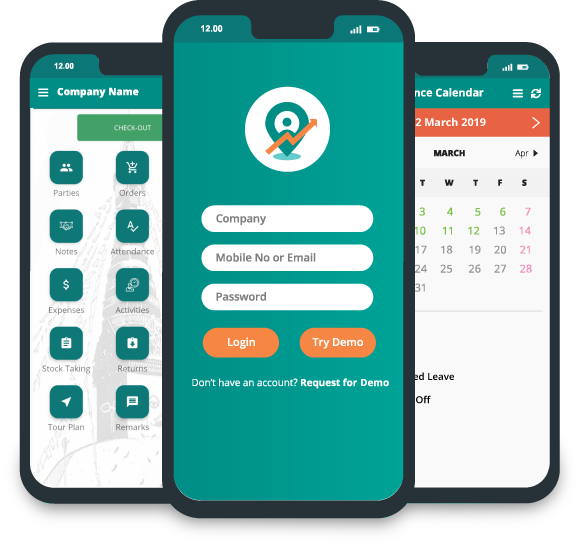
The good news is that most of these bottlenecks come from outdated processes, miscommunication, manual work, and lack of visibility all of which can be fixed with the right digital support. Tools like the Delta Sales App help simplify field operations, reduce errors, and give managers a real-time window into what’s happening in the market. When companies replace guesswork with organized systems, on-ground execution becomes more consistent, predictable, and profitable.
This is exactly why many leaders emphasize What Is Retail Execution and Why It Matters because stronger execution leads to stronger market performance.
This blog highlights the most common Retail Execution Mistakes, why companies struggle with them, and how to fix them;
Inefficient Order Reporting Slows Down Sales
-
Challenges: One of the biggest execution hurdles companies face is manual order collection. Many field reps still jot down orders in notebooks or take them over calls and messaging apps. While this may seem manageable, it creates inconsistencies, wrong entries, delays, and missing orders like trying to run a marathon with your shoelaces tied together. When the back office receives updates late, delivery planning slows down, and customers face unnecessary waiting time. This gap becomes more visible when comparing Modern Trade vs. General Trade, where each channel demands accuracy and speed in a different way.
-
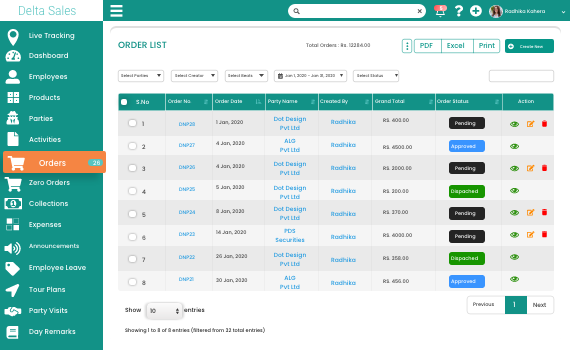
Solution: A digital order reporting system smoothens this entire process by allowing field reps to enter orders instantly and accurately. This eliminates paperwork, ensures real-time syncing with the office team, and gives managers immediate visibility into what’s happening in different locations. When the order cycle speeds up, fulfillment becomes faster, customer satisfaction increases, and the business enjoys a more reliable sales rhythm.
Unorganized Payment Collection Creates Cash Flow Gaps
-
Challenges: Another recurring issue that contributes to retail execution errors is poor payment tracking. Many reps rely on memory or scattered notes to remember which retailer owes what. This leads to confusion, missed follow-ups, and unpredictable cash flow. Managers struggle to understand the real financial status, and reps end up revisiting the same outlets multiple times just to confirm payments.
-
Solution: Automated payment tracking solves this challenge by giving reps a clear view of outstanding amounts and due dates. They can record collections on the spot, set reminders for upcoming payments, and maintain a structured payment history for each customer. When the entire payment cycle becomes more transparent, businesses experience smoother cash flow and fewer financial surprises.

Limited Visibility of Field Reps’ Movement
-
Challenges: Imagine trying to direct a team in a cricket match without knowing where the players are standing. That’s what happens when managers lack visibility into field reps’ daily routes and travel distances. Many companies still depend on verbal updates, which provide little clarity about where reps went, which customers they met, or how efficiently they used their time.
-
Solution: Real-time field rep tracking tracking brings much-needed structure to field operations. Managers can see the movement history of reps, check distance covered, and verify route discipline. This doesn’t just ensure accountability it helps businesses plan territories more logically, reduce unnecessary travel, and improve day-to-day productivity in the field. This is why many companies are now adopting Retail Execution Features & Benefits to enhance transparency and ensure consistent execution.
Manual Attendance and Leave Tracking Causes Confusion
-
Challenges:Traditional attendance sheets or phone-based check-ins often create loopholes. Some reps may mark attendance without being present in the field, while others struggle to get timely leave approvals. HR teams also spend additional time verifying availability and cross-checking attendance records.
-
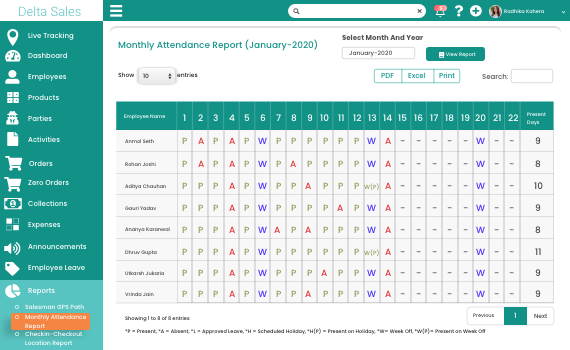
Solution: Automated attendance brings consistency into the system. With geo-tagged check-in and check-out, businesses always know when and where reps started their day. Integrated leave requests and approval workflows reduce miscommunication and give managers a real-time view of workforce availability. This clarity helps teams assign work more intelligently and measure productivity more accurately.
Lack of Accessible Product Information Leads to Wrong Commitments
-
Challenges: When field reps don’t have updated product details, prices, or stock availability, communication with retailers becomes shaky. Outdated information can lead to wrong commitments, delayed orders, and mistrust especially when retailers expect accuracy and fast service.
-
Solution: Centralized product data ensures that every rep has the right information at their fingertips. Whether it’s updated pricing, new product launches, or stock availability, having a real-time product catalog helps reps answer retailer questions confidently and reduces errors during order collection.
Disorganized Customer Records Affect Relationship Quality
-
Challenges: Managing customers often across multiple locations and categories becomes complicated when their information is scattered across spreadsheets or notebooks. Many reps struggle to remember visit frequency, past orders, or specific customer preferences, which weakens their relationship-building efforts.
-
Solution: Digital customer management solves this by creating organized customer profiles containing contact details, GPS location, order history, and category information. When reps have quick access to customer insights, conversations become more meaningful, and engagement improves naturally.
Inconsistent Customer Visit Tracking Reduces Market Coverage
-
Challenges: Without a proper system to record visits, companies often remain unsure whether reps are meeting the right retailers at the right time. Missed visits can lead to lost sales opportunities, uneven coverage, and frustrated retailers who feel neglected.
-
Solution: Customer visit tracking gives managers a clear record of when visits happened, how long each visit lasted, and whether the rep followed the planned route. When visit data is structured, businesses can maintain consistent market presence and strengthen retailer relationships.
Unplanned Beat Routes Waste Time and Fuel
-
Challenges: Sending reps into the field without a clear route plan is like driving without a GPS inefficient, unpredictable, and wasteful. Reps may skip important outlets, spend too much time traveling, or miss priority retailers.
-
Solution: Structured beat planning allows managers to create daily or weekly routes that reps must follow. This ensures complete market coverage, reduces travel distances, and helps reps use their time on the ground more effectively.
Lack of a Proper Tour Planning Workflow
-
Challenges: For longer trips or out-of-town travel, many reps operate without pre-approved plans. This leads to miscommunication about travel dates, surprise expenses, and difficulty tracking trip objectives.
-
Solution: A digital tour planning system simplifies this by allowing reps to submit their travel plans in advance and get approvals before starting their journey. This results in smoother coordination and more predictable travel schedules.
Manual Expense Reporting Slows Reimbursements
-
Challenges: Paper receipts, informal messaging, and manual approvals make field expense management messy and slow. This can delay reimbursements and lead to disputes about claims.
-
Solution: Digital expense reporting allows reps to upload receipts instantly and categorize their expenses. Managers can review, approve, or reject claims quickly, reducing paperwork and ensuring transparency in financial processes.
Inaccurate Stock Tracking Leads to Missed Sales
-
Challenges: When reps have no visibility into a retailer’s existing stock, companies either oversupply or undersupply products. Both situations hurt sales either through stockouts or by filling shelves with items that won’t move quickly.
-
Solution: Digital stock taking helps reps record stock availability during visits, giving the business instant insight into what needs to be replenished. Accurate stock data improves forecasting and ensures timely restocking, preventing missed opportunities.
Unclear Task Assignment Creates Daily Confusion
-
Challenges: Without clear instructions, field reps may focus on the wrong activities or overlook important priorities. This not only affects productivity but also makes performance evaluation difficult.
-
Solution: Task and target assignment tools allow managers to define daily activities, set targets, and track progress. With clear expectations in place, reps stay focused, and managers gain better control over execution quality.
Difficulty Locating Parties Causes Wasted Travel
-
Challenges: When customer locations are written manually or stored in disconnected systems, reps especially new ones often struggle to find outlets. This leads to wasted time, missed visits, and higher travel costs.
-
Solution: GPS-based customer mapping solves this by guiding reps directly to the correct retailer location. As a result, visit efficiency increases and travel-related confusion disappears.
Lack of Customized Data Collection Slows Insights
-
Challenges: Companies often need unique on-ground data such as competitor details, outlet conditions, or promotional feedback but paper forms make the process slow and unreliable.
-
Solution: Custom digital forms allow businesses to design their own data-collection formats and gather accurate information during visits. This helps managers make more informed decisions backed by reliable field insights.
Poor Team Communication Leads to Missed Updates
-
Challenges: Relying on scattered messages or informal communication channels can cause reps to miss important announcements related to pricing, schemes, or company updates.
-
Solution: A centralized announcement feature allows managers to broadcast critical information to the entire team or selected groups instantly, ensuring everyone stays aligned.
Limited Distributor Access Creates Unnecessary Delays
-
Challenges: Distributors often need to check order status or history, but calling the company repeatedly wastes time for both sides.
-
Solution: A dedicated access panel helps distributors view their orders independently, reducing dependency and improving coordination.
Why Digital Transformation Is Essential for Modern Field Sales
Today’s fast-moving markets require real-time visibility and data accuracy. Businesses relying on manual processes fall behind quickly.
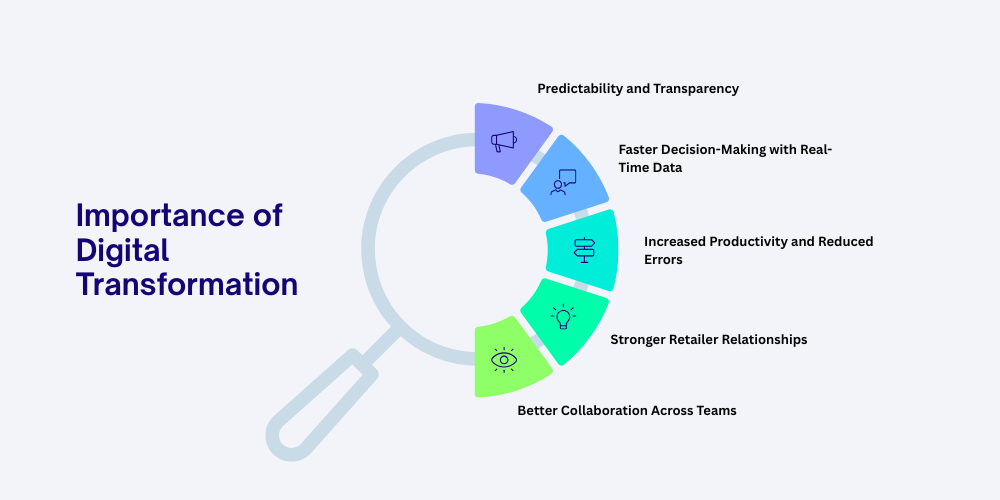
Digital transformation brings major advantages:
-
Predictability and Transparency
Digital transformation brings complete clarity into field operations by providing real-time insights into rep activities, orders, payments, and visits. This transparency eliminates guesswork, reduces operational inconsistencies, and allows managers to make more confident decisions based on accurate, live data.
-
Faster Decision-Making with Real-Time Data
When all field activities sync instantly, managers no longer wait for end-of-day summaries or manual reports. Real-time dashboards help identify issues early, improve coordination, and enable quicker decisions that enhance productivity and responsiveness across every sales territory.
-
Increased Productivity and Reduced Errors
Automation removes repetitive manual tasks like writing orders, collecting payments on paper, or updating attendance logs. With streamlined workflows, field reps save time, reduce mistakes, and stay focused on revenue-generating activities that directly boost market performance.
-
Stronger Retailer Relationships
With instant access to product details, stock levels, order history, and updated pricing, reps communicate more confidently and reliably with retailers. This accuracy improves trust, strengthens long-term partnerships, and ensures faster, more consistent service at every touchpoint.
Final Thoughts
On-ground execution is the heartbeat of sales. Even small inefficiencies can gradually grow into major obstacles, affecting revenue, customer trust, and team productivity. By identifying and addressing common Retail Execution Mistakes, businesses can build a stronger and more consistent presence in the market. Digital solutions like the Delta Sales App bring structure, visibility, and automation into everyday field operations, helping teams work smarter not harder.
Whether you're a wholesaler, manufacturer, or distributor, improving your retail execution strategy is one of the most reliable ways to boost sales, build stronger relationships with retailers, and stay ahead in a competitive market.
Ready to Transform Your Field Sales Execution?
Take the first step toward streamlined operations, real-time visibility, and higher productivity.
Book Delta Sales App Demo today and empower your field team with smarter, faster, and more reliable execution.