
Route Optimization for Food Distribution Teams
Food distribution has become increasingly complex as customer expectations rise, competition intensifies, and operating costs continue to grow. Whether a company deals with dairy, baked goods, snacks, frozen foods, or beverages, timely delivery is directly tied to product quality, shelf-life, and brand reputation.
In this environment, route optimization is not simply an operational function, it is a strategic enabler of efficiency, cost control, and better customer service. By transforming how delivery and field teams move across territories, route planning becomes the foundation for operational excellence and long-term business sustainability.
This blog explores the importance of route optimization for food distribution teams, the challenges companies face without it, and a detailed explanation of how smart route planning directly impacts productivity, customer satisfaction, and profitability. It also highlights how food & beverage companies can streamline van sales and field operation using smart delivery planning.
What Is Route Optimization?
Route optimization is the process of planning the most efficient sequence of delivery stops by considering constraints like traffic, customer time windows, vehicle capacity, and distance. It goes beyond simply finding the shortest path and focuses on creating logical, cost-effective, and time-saving delivery patterns.
Modern route planning uses digital algorithms to evaluate hundreds of possible routes within seconds and select the best combination of speed, fuel efficiency, and operational practicality. This leads to predictable delivery schedules, lower operational overhead, and improved field team productivity.
In addition, route optimization helps:
-
Minimize unnecessary detours and duplicate visits
-
Improve visibility into daily delivery movements
-
Enhance customer satisfaction through timely arrivals
-
Reduce manual planning errors and inconsistencies
-
Enable better coordination between warehouses, delivery agents, and retailers
By integrating smart route planning into daily operations, food distribution teams can operate with greater accuracy, consistency, and overall efficiency.
Why Route Optimization Matters for Food Distribution Companies
-
Food Products Have a Limited Freshness Window: Food items especially dairy, baked goods, and frozen products must reach retailers within specific time frames to maintain quality. Poor planning leads to delayed deliveries, reduced shelf-life, and higher spoilage rates. Route optimization ensures products remain fresh and reach customers within the right delivery window.
-
Rising Transportation Costs Require Smarter Delivery Planning: Fuel, vehicle maintenance, and labor costs increase yearly. Without optimized routes, vehicles travel longer distances, consume more fuel, and often require overtime payouts. Efficient route planning reduces unnecessary kilometers, uses fewer resources, and directly lowers operational expenses.
-
Expanding Customer Base Increases Operational Complexity: As food brands grow into new territories, the number of stores, delivery points, and route variations multiply. Manual planning becomes time-consuming and error-prone. Route optimization systems ensure that even high-volume deliveries remain well-structured, scalable, and free from avoidable disruptions.
-
Retailers Expect Predictability and Professionalism: Modern retailers rely on timely deliveries to maintain stock availability. Delays cause stockouts, lost sales, and dissatisfaction. Route optimization improves order accuracy, ensures consistent delivery timings, and builds trust by reducing missed visits or last-minute cancellations.
-
Territory Workloads Must Be Balanced to Maintain Productivity: Food distribution teams often work in predefined territories, but manual planning frequently results in overlapping coverage or uneven workload distribution. Optimized routes ensure every field rep covers the right number of stores without being overburdened or underutilized, improving overall team efficiency.
-
Reduces Uncertainty and Operational Risks in Field Execution: Unplanned routes often result in missed orders, inefficient travel, difficulty managing urgent deliveries, and unpredictable delays. Route optimization provides structured movement patterns, real-time visibility, and clear expectations reducing risk across all field activities.
Common Challenges Faced Without Route Optimization
-
Heavy Reliance on Manual Planning and Driver Experience: Many distributors depend on handwritten plans or local driver knowledge, which varies widely in accuracy and consistency. As operations expand, this leads to inefficiency, inconsistent delivery performance, and an inability to handle sudden changes in demand or territory structure.
-
Difficulty Managing High-Volume, Multi-Stop Deliveries: Food distribution often requires visiting 20–60+ outlets in a single route, each with different order quantities and time windows. Managing such complex routing manually results in longer routes, repeated visits, or missed stops. Automated systems handle this complexity with precision and speed.
-
Limited Ability to Adapt to Real-Time Disruptions: Traffic congestion, retailer unavailability, sudden weather changes, or vehicle issues can derail a manually planned route. Without dynamic route planning, teams struggle to reorganize their schedules, leading to delays across all remaining deliveries.
-
Lack of Visibility Into Delivery Performance: Without structured route optimization, managers cannot track whether routes were followed, which stops were missed, and how much time was spent per visit. This lack of visibility makes it difficult to measure productivity, fuel usage, and overall route efficiency.
Benefits of Route Optimization for Food Distribution Teams
-
Faster Deliveries and Higher Store Coverage: Optimized routes reduce unnecessary travel and ensure field reps reach more retailers in less time. This improves overall coverage and helps companies serve more customers without needing additional manpower or vehicles.
-
Significant Reduction in Fuel and Transportation Costs: By eliminating backtracking, unnecessary detours, and inefficient sequencing, companies can save substantial fuel costs. This also reduces wear and tear on vehicles, extending their lifespan and reducing maintenance expenses.
-
Improved Freshness and Reduced Product Spoilage: Food products depend heavily on timely deliveries. Route optimization ensures quick movement between stops and minimizes delays. This helps maintain product quality, reduces spoilage, and enhances the brand’s reliability in the market.
-
More Productive and Well-Managed Field Teams: When routes are pre-planned and automated, sales reps and delivery staff spend less time figuring out where to go and more time executing their tasks. This improves productivity and helps teams maintain a consistent daily rhythm.
-
Better Retailer Relationships Through On-Time Deliveries: Retailers value punctuality and reliability. Route optimization ensures structured and predictable delivery patterns. This builds stronger relationships, increases trust, and ultimately leads to more orders and better cooperation.
-
Higher Operational Visibility and Accountability: With digital route planning tools, managers can track live delivery progress, monitor route adherence, and review detailed reports. This ensures full accountability across the team and allows leadership to identify gaps or delays instantly.
Smart route planning is also a key component of` helping distributors manage deliveries efficiently while meeting retailer expectations.
How Route Optimization Works
-
Capturing All Required Input Data: The process starts by gathering store locations, order volumes, delivery frequency, vehicle capacity, and time constraints. This data allows the system to map out accurate customer profiles and determine optimal route structure.
-
Algorithm-Based Route Planning and Sequencing: The system evaluates hundreds of route combinations, analyzing factors like traffic patterns, distance, and delivery windows. It then generates a structured, time-saving route plan that ensures maximum productivity while minimizing operational costs.
-
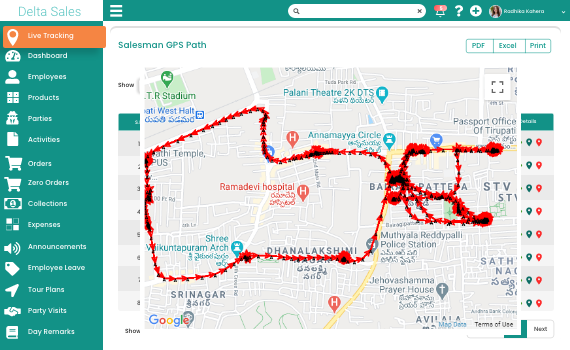
Real-Time Tracking and Route Updates: As teams execute their routes, managers can monitor their movement through GPS. If traffic delays, urgent orders, or unexpected changes occur, the system can update routes instantly to ensure minimal disruption.
-
After-Action Reporting and Performance Evaluation: Post-delivery, reports show planned vs. actual routes, time spent at each stop, completed visits, missed deliveries, and total distance traveled. These insights allow companies to refine routes continuously and improve efficiency week after week.
Route optimization is also closely linked with how to reduce returns using sales order apps, ensuring orders are accurate, products are delivered correctly, and stock discrepancies are minimized.
Practical Applications of Route Optimization Across Food Categories
-
Dairy Distribution: Milk and other dairy products need to reach retailers early each morning. Route optimization ensures timely deliveries, preserving freshness and preventing spoilage.
-
Bakery & Confectionery: Bakery goods like bread and pastries require frequent restocking. Optimized routes help ensure high-demand outlets receive quick replenishment without overwhelming delivery teams.
-
Packaged Snacks & FMCG Foods: These fast-moving products depend on consistent shelf availability. Efficient route planning reduces delivery gaps, boosts sales, and strengthens coordination between distributors and retailers.
-
Frozen Foods & Cold Chain Logistics: Frozen items rely on strict temperature control. Optimized routing minimizes delays, helping vehicles reach outlets before any temperature breach occurs.
-
Beverages & Bottled Drinks: Beverage products are typically heavy and bulky. Smart route planning improves loading and unloading efficiency, reduces driver fatigue, and maximizes overall trip productivity. For beverage-focused distributors, combining route optimization with van sales automation for beverage brands ensures faster deliveries, accurate billing, and better control over high-volume loads.
Steps to Implement Route Optimization Successfully
To achieve efficient and cost-effective deliveries, food distribution teams must follow a structured route optimization process. Here are the key steps to implement route planning successfully and boost operational productivity.
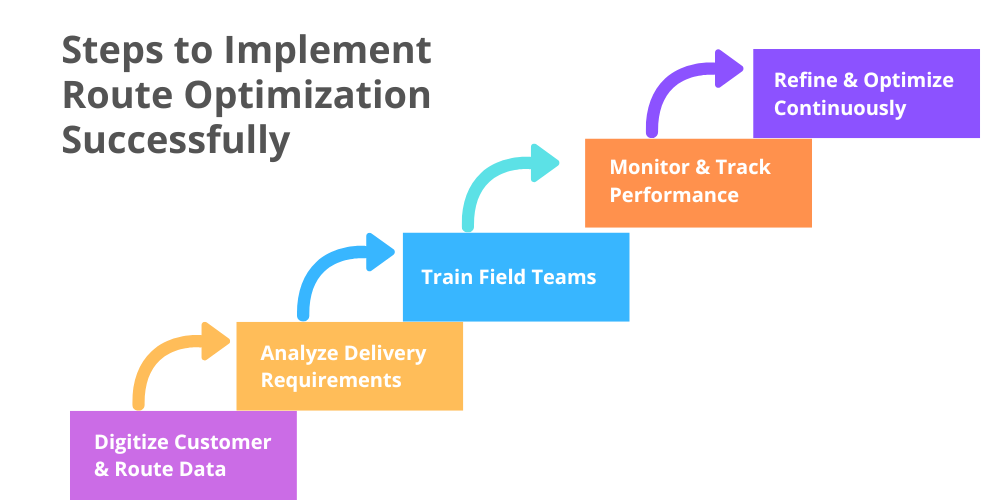
1. Digitize Customer & Route Data
Start by accurately recording all store locations, visit frequencies, and historical order patterns to create precise and efficient real-world delivery routes.
2. Analyze Delivery Requirements
Assess vehicle capacity, delivery windows, special handling needs, and traffic patterns to plan the most efficient, cost-effective, and practical routes for daily operations.
3. Train Field Teams
Provide comprehensive training to delivery and sales staff, ensuring they follow routes accurately, update visit statuses, and manage unexpected on-road challenges confidently.
4. Monitor & Track Performance
Leverage GPS tracking and reporting tools to monitor completed stops, travel times, missed deliveries, and overall adherence to optimize routes effectively.
5. Refine & Optimize Continuously
Regularly review performance metrics, identify inefficiencies, and adjust routes to maximize productivity, reduce fuel costs, and improve overall operational efficiency consistently.
Choose the Right Route Planning Software
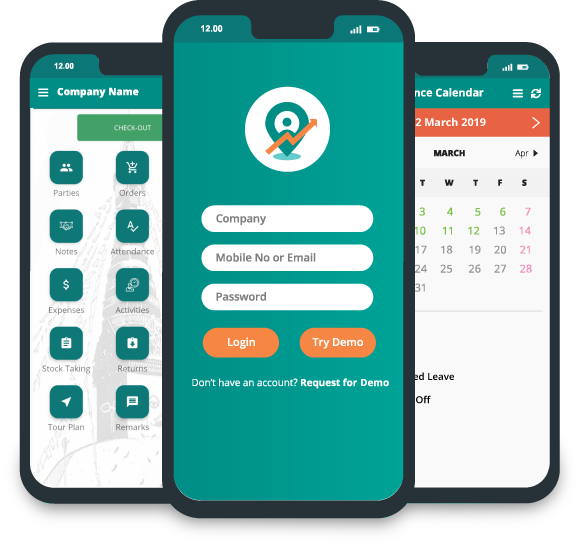
Choosing the right route planning software is essential for improving delivery efficiency and field operations. A strong solution should optimize routes, balance territories, cut travel time, and offer real-time visibility. Delta Sales App delivers all these benefits with features like automated routing, GPS tracking, and smooth workflow integration, enabling faster, smarter, and more reliable operations.
Here’s why Delta Sales App is the right choice for effective route planning:
-
Automated Multi-Stop Routing
-
Smart Visit Sequencing & Dynamic Adjustments
-
Integrated Field Operations & Analytics
Choosing Delta Sales App ensures precise routing, better productivity, and a more efficient distribution ecosystem.
The Future of Route Optimization in Food Distribution
As technology evolves, route optimization will become more intelligent through AI-driven predictive routing, demand forecasting, real-time traffic intelligence, and automated resource allocation. These advancements will help food distribution companies achieve faster delivery speeds, higher accuracy, and more cost-efficient operations.
Companies that embrace smart route planning today will enjoy significant competitive advantages in the coming years better customer service, higher profitability, and more streamlined field operations
Conclusion
Route optimization is no longer a nice-to-have for food distribution businesses, it is a core driver of operational excellence. From ensuring product freshness to reducing transportation costs and improving retailer satisfaction, optimized routing strengthens every stage of the delivery cycle. Companies that adopt structured, data-driven route planning gain greater control, improved productivity, and long-term competitive advantage.
As the food distribution landscape becomes more demanding, organizations that embrace smart routing solutions will be best positioned to deliver faster, operate leaner, and scale with confidence.
Take your delivery operations to the next level. Start optimizing your routes today!