
Significance of Sales Training and Development in the FMCG Industry
The Fast-Moving Consumer Goods (FMCG) industry operates in one of the most competitive and fast-evolving business environments. Products move quickly from shelves, consumer preferences change frequently, and competition is relentless. In such a landscape, a company’s success is directly influenced by the strength, adaptability, and preparedness of its sales team. This is where sales training and development become not just beneficial, but essential.
Sales training in the FMCG sector goes far beyond basic selling skills. It is about equipping sales professionals with market awareness, product intelligence, customer-handling abilities, and the confidence to perform consistently in dynamic field conditions. Continuous development ensures that sales teams remain aligned with company objectives while responding effectively to market realities.
This blog explores why sales training and development play a critical role in the FMCG industry and how structured learning initiatives help businesses achieve sustainable growth.
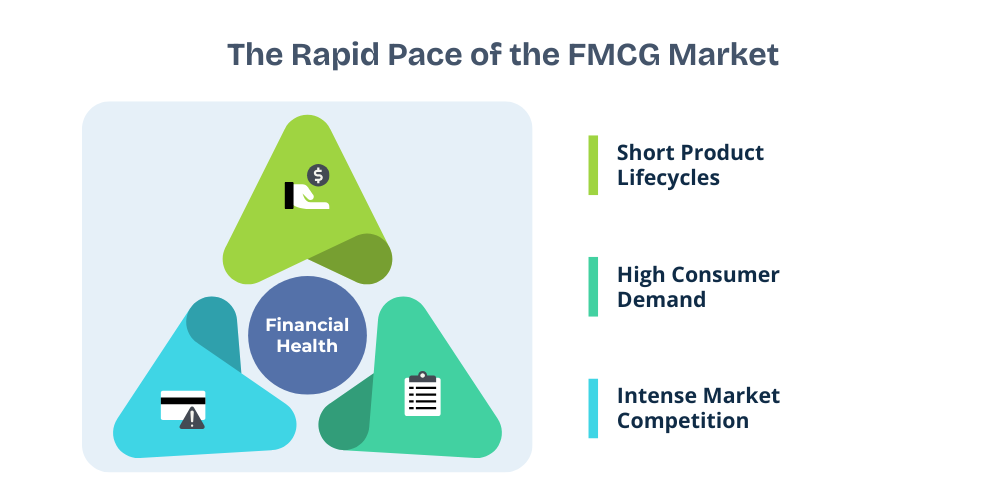
The Rapid Pace of the FMCG Market
The FMCG market is defined by speed of production, distribution, and consumption. New products enter the market frequently, promotional schemes change rapidly, and consumer buying behavior is highly influenced by trends, pricing, and availability.
Sales teams working in this environment must be trained to understand market fluctuations and react proactively. Training programs help sales representatives interpret market signals, manage competitive pressure, and communicate value effectively to retailers and distributors. With the right guidance, sales professionals learn how to prioritize outlets, manage time efficiently, and respond to shifting demand patterns using insights generated through sales force automation software.
Building Strong Product Knowledge for Better Selling
In FMCG, products may appear similar on the surface, but subtle differences in pricing, packaging, ingredients, or benefits can strongly influence purchase decisions. Sales representatives are often the first and most influential point of contact between brands and trade partners.
Effective sales training ensures that field teams possess in-depth product knowledge and can confidently explain features, advantages, and differentiators. This clarity not only improves credibility but also helps sales professionals handle objections more effectively. When salespeople understand their products thoroughly, they can position them strategically against competitors and maximize shelf presence using tools such as a product management and sales tracking system.
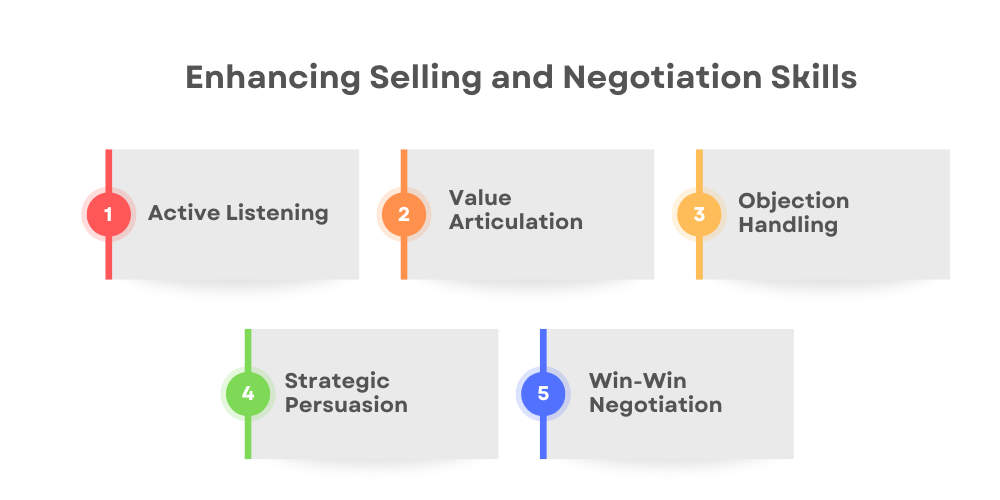
Enhancing Selling and Negotiation Skills
Selling in the FMCG industry is often transactional but highly competitive. Sales professionals must engage retailers, negotiate margins, secure shelf space, and close deals quickly sometimes within minutes.
Sales training sharpens these critical skills. Through role plays, scenario-based learning, and performance feedback, sales teams learn how to communicate persuasively, negotiate confidently, and close deals efficiently. Regular development sessions also help salespeople adopt modern selling techniques supported by a field sales management app, enabling them to work smarter while maintaining high productivity.
Driving Consistency Across Field Sales Operations
One of the biggest challenges in FMCG sales is maintaining consistency across large, geographically distributed field teams. Without standardized processes, sales performance can vary widely from one region to another.
Structured training programs help establish uniform sales practices, reporting standards, and performance benchmarks. When sales teams follow consistent workflows, organizations gain better visibility into operations and outcomes. This alignment becomes even more effective when paired with a field force tracking solution, which reinforces accountability and supports disciplined execution on the ground.
Improving Adaptability to Technology and Digital Tools
Technology has become deeply integrated into FMCG sales operations. From order processing to performance tracking, digital tools now support almost every stage of the sales cycle.
However, technology delivers value only when users are trained to leverage it effectively. Sales training bridges this gap by helping teams understand digital tools, interpret data, and apply insights to real-world selling situations. Well-trained sales professionals can utilize features like real-time reporting, route planning, and analytics through mobile sales tools, enabling faster decision-making and improved execution.
Increasing Sales Productivity and Efficiency
Time is a critical asset for FMCG sales teams. Field representatives must visit multiple outlets daily while ensuring order accuracy, timely collections, and relationship management.
Sales training focuses on improving productivity by teaching better planning, prioritization, and execution strategies. Teams learn how to reduce manual effort, avoid redundant tasks, and focus on high-value activities. When supported by structured learning and tools like an order management system, sales representatives can handle higher volumes without compromising accuracy or customer satisfaction.
Strengthening Relationships with Retailers and Distributors
Long-term success in FMCG depends heavily on strong trade relationships. Retailers and distributors prefer working with sales representatives who understand their business challenges and provide consistent value.
Sales training emphasizes relationship-building skills such as active listening, problem-solving, and consultative selling. Well-trained sales teams can identify retailer needs, recommend suitable assortments, and support promotions more effectively. This relationship-centric approach becomes more impactful when supported by customer relationship management software, which helps track interactions and maintain continuity across visits.
Motivating Sales Teams and Reducing Attrition
Sales roles in FMCG are demanding, often involving long hours, extensive travel, and performance pressure. Without proper development opportunities, motivation can decline, leading to higher attrition rates.
Investing in sales training sends a strong message that the organization values its people. Continuous learning improves confidence, enhances career growth prospects, and increases job satisfaction. When sales professionals see clear performance metrics and progress tracking through a sales performance analytics and reports dashboard, motivation naturally improves, resulting in better retention and stronger team morale.
Ensuring Ethical Selling and Compliance
FMCG companies operate under strict regulatory frameworks related to pricing, labeling, promotions, and trade practices. Sales representatives must be aware of these rules to avoid compliance risks.
Sales training programs include ethical selling practices and regulatory guidelines, ensuring that field teams act responsibly and transparently. This not only protects the company from legal issues but also strengthens brand reputation and trust within the trade network.
Creating a Culture of Continuous Improvement
The FMCG industry does not stand still and neither should sales teams. One-time training sessions are no longer sufficient. Continuous development enables sales professionals to refine skills, adapt to market changes, and stay competitive.
Ongoing training programs supported by feedback loops, performance reviews, and coaching help create a culture of learning. This continuous improvement mindset ensures that sales strategies remain relevant and aligned with business goals over time.

Conclusion
Sales training and development are foundational to success in the FMCG industry. From improving product knowledge and selling skills to enhancing productivity, technology adoption, and relationship management, structured training empowers sales teams to perform consistently in a high-pressure environment.
When supported by intelligent digital tools, training becomes even more effective. Delta Sales App plays a vital role in this ecosystem by enabling FMCG organizations to streamline field sales operations, monitor performance in real time, enhance visibility, and reinforce the outcomes of sales training initiatives. By combining continuous learning with the right technology, FMCG companies can build agile, motivated, and high-performing sales teams ready to meet future challenges.
Empower your sales training with real-time execution and visibility. Schedule a Delta Sales App demo now.