
Salesman Visit Frequency: How Often Should Your Reps Visit Each Retailer?
One of the most important questions for every FMCG company, distributor, and field sales manager is, "How many times should sales representatives visit each retailer?”
But there is no single solution for all. The ideal frequency of visits is dictated by several factors such as the sales volume of the retailer, order patterns, product demand, outlet potential, geographic location, and competitive activity. A busy supermarket in an urban market may need to be serviced several times a week, while a small rural retailer may only need periodic service.
With the increasing competitiveness of markets and sales teams being asked to do more with less, companies are moving away from fixed visit schedules and towards more data-driven approaches to retailer coverage. With sales data, companies can segment their outlets and optimize routes to create smarter visit plans that improve efficiency and maximize revenue opportunities.
In this blog, we will discuss how to determine the appropriate visit frequency for different types of retailers, factors that impact visit planning decisions, common pitfalls to avoid, and how modern sales force automation solutions enable companies to optimize field sales coverage and improve sales performance.
What Is Salesman Visit Frequency?
Salesman visit frequency refers to how often a sales representative visits a retailer, dealer, distributor, or customer within a specific period, such as weekly, biweekly, or monthly. It is a key component of field sales planning that helps businesses ensure consistent retailer engagement, timely order collection, proper stock replenishment, and effective market coverage.
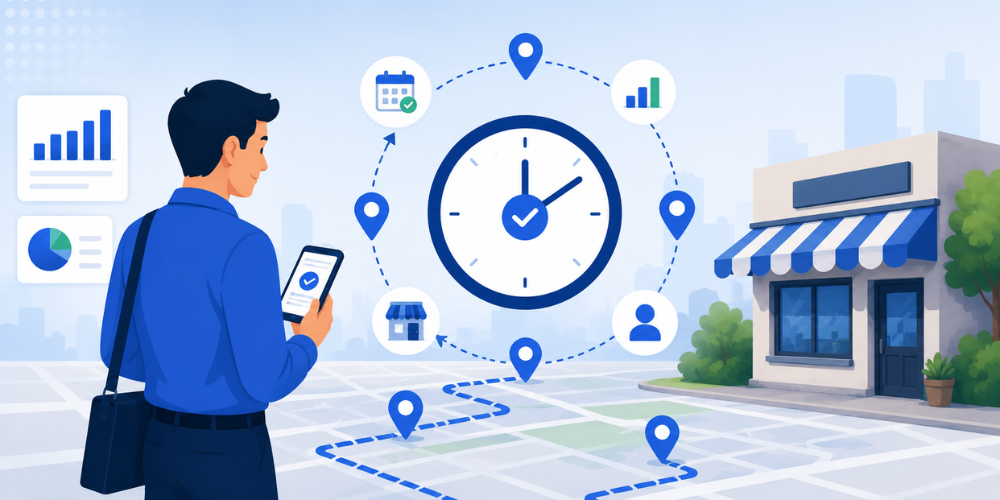
In industries such as FMCG, consumer goods, pharmaceuticals, and distribution, sales representatives are responsible for managing hundreds or even thousands of retail outlets. Since it is not practical or profitable to visit every retailer with the same frequency, businesses must determine the optimal number of visits required for each outlet based on its importance and business potential.
For example, a high-volume retailer that sells large quantities of products every week may require multiple visits to prevent stockouts and maintain product availability. In contrast, a smaller retailer with lower sales volumes may only need occasional visits to support ordering and relationship management.
Salesman visit frequency is often determined by factors such as:
- Retailer sales volume
- Product movement and stock turnover
- Outlet category and market potential
- Order frequency
- Geographic location
- Competitive activity
- Revenue contribution
- Customer relationship requirements
An effective sales visit planning app enables sales reps to spend more time on high-value opportunities while ensuring adequate coverage across all assigned outlets. It allows companies to improve sales productivity, reduce operational costs, enhance relationships with retailers, and optimize revenue growth.
Why Visit Frequency Matters in Retail Sales
The frequency with which sales representatives visit retailers has a direct impact on sales performance, operational efficiency, and customer relationships. An effective retailer visit strategy ensures that every outlet receives the right level of attention based on its sales potential, inventory requirements, and business value. When visit frequency is optimized, companies can improve market coverage, increase order volumes, and maximize field sales productivity.
-
Improves Product Availability and Reduces Stockouts
Consistent outlet visits help businesses maintain better on-shelf availability, reduce lost sales opportunities, and improve customer satisfaction. This becomes even more effective when supported by a digital order management system that allows sales teams to place orders instantly during retailer visits.
-
Strengthens Retailer Relationships
Regular visits allow sales representatives to build trust, address concerns, communicate promotions, and gather valuable market feedback. Strong retailer relationships often lead to increased shelf space, better product visibility, and greater retailer loyalty. With effective field force management software, managers can ensure that important accounts receive the attention they require.
-
Increases Sales and Order Volumes
The more effectively a sales representative engages with retailers, the more opportunities they have to generate orders and drive revenue growth. Frequent visits help reps identify upselling opportunities, introduce new products, and encourage retailers to maintain adequate stock levels. Businesses that optimize their salesman visit frequency often experience improved order conversion rates and higher sales productivity across their distribution network.
-
Enhances Retail Execution and Merchandising Compliance
Regular outlet visits help companies improve retail execution, monitor shelf visibility, and ensure marketing campaigns are properly executed at the point of sale. This is particularly important for FMCG brands competing for limited shelf space.
-
Improves Sales Route Efficiency
Without a structured visit schedule, sales representatives may spend excessive time traveling between outlets, reducing the number of productive visits completed each day. Determining the right visit frequency allows businesses to create optimized sales routes and efficient beat plans that maximize coverage while minimizing travel time and fuel costs. Modern Route Planning Software helps sales teams achieve more productive calls with fewer resources.
-
Supports Better Territory Coverage
A well-planned visit frequency strategy ensures balanced territory coverage, helping businesses maintain visibility across all assigned outlets. Through structured beat planning and territory management, companies can prevent missed visits and improve market penetration.
-
Provides Better Market Intelligence
Every visit to a retailer generates useful field data. Salesmen can collect information about competitors’ activities, changing customer preferences, product demand trends, and retailer challenges. When captured by a Sales Force Automation (SFA) Software platform, this information allows managers to see market conditions in real-time and make faster, data-driven decisions.
-
Improves Field Sales Productivity
Optimized visit frequency helps sales teams focus on the outlets that generate the highest business value. Combined with real-time sales tracking and Performance Analytics, businesses can continuously improve field force efficiency and resource allocation.
-
Enables Data-Driven Sales Planning
Today's sales organizations don't assume and schedule retailer visits. Instead, they rely on sales data, outlet performance metrics, and field activity reports to determine the frequency of visits to each retailer. This data-driven approach helps companies to better align visits with actual market conditions, leading to improved retailer service levels and overall sales performance.
Factors That Determine How Often Reps Should Visit Retailers
There is no universal retailer visit frequency that works for every business. The ideal number of visits depends on several factors that influence sales performance, inventory movement, retailer importance, and operational efficiency. Understanding these factors helps sales managers create smarter beat plans, optimize field sales activities, and allocate resources where they generate the greatest return.
-
Retailer Sales Volume
Larger retailers that sell more need to be visited more frequently than smaller outlets. Products turn over more quickly in these stores, so stock levels must be monitored regularly to avoid stockouts and lost sales opportunities. For instance, a high-performing supermarket may require multiple visits per week, whereas a small neighborhood store may only require visiting once every few weeks. Sales analytics software will analyze the outlet sales data and help businesses focus on the visits that actually contribute to their revenue.
-
Product Turnover Rate
The speed at which products sell significantly affects how often a retailer should be visited. Fast-moving consumer goods such as beverages, snacks, dairy products, and personal care items often require frequent replenishment and closer monitoring. On the other hand, retailers selling slower-moving products may not require the same level of attention.
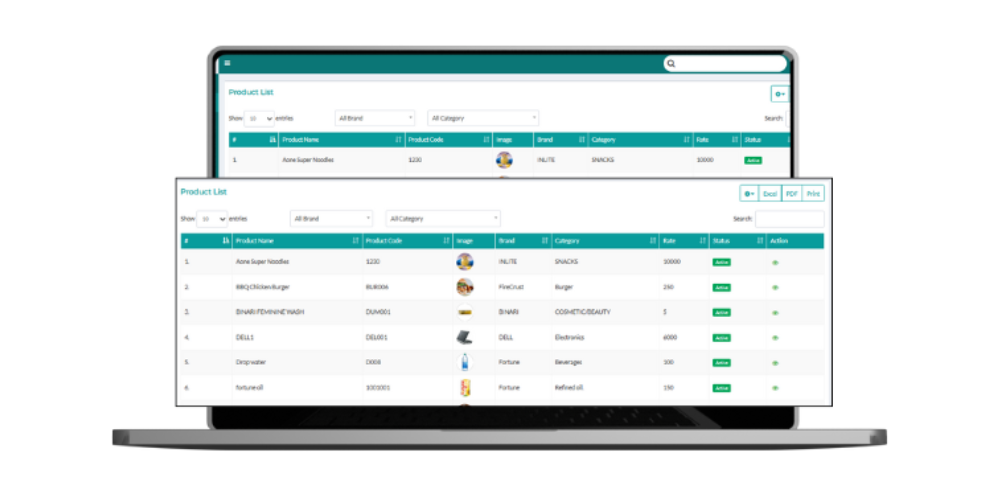
Tracking product movement through a distribution management system (DMS) helps businesses align visit schedules with inventory demand.
-
Retailer Potential and Business Value
Current sales figures tell only part of the story. Some retailers may have significant growth potential even if their current sales volumes are relatively low. Factors such as customer footfall, store size, market influence, and geographic importance should also be considered when determining visit frequency. High-potential retailers often deserve more frequent engagement to maximize future revenue opportunities and strengthen retailer relationships.
-
Order Frequency and Purchase Patterns
Retailers that place orders frequently usually require more regular visits from sales representatives. Monitoring historical order patterns helps businesses identify how often retailers typically replenish stock and schedule visits accordingly. With a digital order management system, sales managers can track retailer purchasing behavior and adjust visit frequencies based on actual demand patterns rather than assumptions.
-
Geographic Location and Route Efficiency
Location plays a major role in visit planning. Retailers located in densely populated urban areas can often be serviced more frequently because multiple outlets can be covered within a short distance. In contrast, retailers in rural or remote territories may require less frequent visits due to higher travel costs and longer journey times. Using route planning software helps businesses optimize travel schedules while maintaining adequate outlet coverage.
-
Outlet Category and Store Type
Different types of retailers require different levels of sales support. Modern trade stores, supermarkets, wholesalers, pharmacies, and convenience stores each have unique inventory cycles and sales requirements.
For example:
-
Key accounts may require multiple visits per week.
-
Supermarkets may require weekly visits.
-
Independent retailers may require biweekly visits.
-
Rural outlets may be serviced monthly.
-
Inventory Levels and Stock Availability
A retailer's inventory position is one of the strongest indicators of when a sales visit is needed. Stores experiencing frequent stock depletion often require closer monitoring to maintain product availability. Real-time inventory visibility through inventory management software enables sales teams to proactively schedule visits before stockouts occur, helping protect revenue and improve customer satisfaction.
-
Competitive Activity in the Market
In highly competitive markets, retailer visits often need to be more frequent. Competitors are constantly promoting products, negotiating shelf space, and offering incentives to retailers.
Regular sales visits help businesses:
-
Maintain retailer engagement
-
Monitor competitor activity
-
Protect shelf visibility
-
Support promotional campaigns
-
Strengthen brand presence
Companies that reduce visit frequency in competitive territories often risk losing valuable market share.
-
Promotional and Seasonal Demand
Certain periods of the year require increased retailer engagement. Product launches, promotional campaigns, festivals, holiday seasons, and peak sales periods often create higher demand and faster inventory turnover.
During these periods, sales managers may temporarily increase visit frequency to ensure retailers remain fully stocked and promotional activities are executed successfully.
-
Retailer Engagement and Relationship Needs
Some retailers need more hand-holding than others. New retailers, strategic accounts and partners often require more regular interaction when they are facing operational challenges. Regular visits can provide sales representatives the opportunity to train, solve problems, introduce new products and foster strong business relationships. And good field force management software ensures that these key accounts get consistent attention from the sales team.
-
Historical Visit and Performance Data
Looking at the historical performance data is one of the best ways to establish the ideal frequency of visits. “Business can analyze previous visit history, sales trend, order value, outlet productivity etc. to find out best service intervals. Managers can monitor outlet performance on an ongoing basis and modify visit schedules according to actual results, not just assumptions, with Sales Force Automation (SFA) Software.
The Role of Sales Force Automation in Optimizing Visit Frequency
Optimizing salesman visit frequency becomes significantly more effective when businesses move away from manual planning and adopt data-driven systems. Sales Force Automation (SFA) plays a crucial role in ensuring that every retailer is visited at the right time, with the right priority, and with the right sales focus.
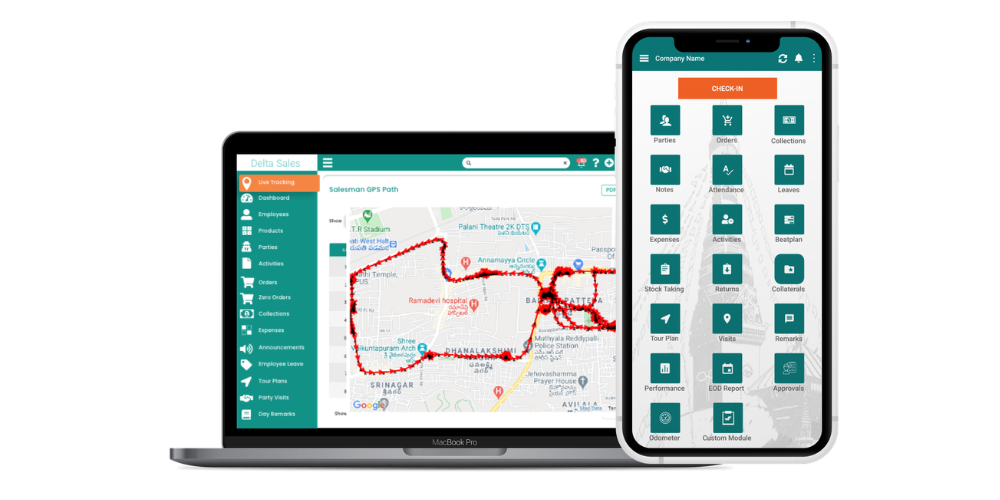
Instead of relying on guesswork or fixed schedules, SFA tools help sales organizations design intelligent visit plans based on real-time data, outlet performance, and field activity insights.
-
Data-Driven Visit Planning
Sales force automation software enables businesses to replace assumption-based planning with data-backed decisions. By analyzing retailer sales trends, order history, and purchase behavior, managers can define accurate visit frequencies for each outlet category. This ensures that high-performing retailers are serviced more frequently while low-priority outlets are optimized for cost-efficient coverage.
-
Automated Beat and Route Planning
One of the biggest advantages of SFA is automated beat planning and route optimization. Instead of manually assigning daily schedules, the system creates efficient routes based on outlet location, priority, and visit frequency requirements.
-
Retailer Segmentation for Smarter Visits
SFA platforms allow businesses to segment retailers into categories such as:
-
High-value key accounts
-
Medium-performing retailers
-
Low-volume outlets
-
Growth potential stores
Each segment can be assigned a different visit frequency, ensuring that effort is allocated based on business value rather than uniform scheduling.
-
Real-Time Visit Tracking and Compliance
A common challenge in field sales is ensuring that planned visits are actually executed. SFA software provides real-time tracking of sales representative movements, allowing managers to monitor:
-
Completed visits
-
Missed outlets
-
Route adherence
-
Time spent per visit
This ensures full visibility and accountability, helping businesses maintain consistent retailer coverage.
-
Improved Sales Productivity and Coverage
When visit frequency is optimized using automation, sales representatives spend less time on unnecessary travel and more time on productive selling activities.
This leads to:
-
Higher number of quality visits per day
-
Better retailer engagement
-
Improved order conversion rates
-
Increased territory coverage
As a result, overall field sales productivity improves significantly.
-
Better Inventory and Order Management
SFA systems include visit planning with Order Management Systems that enable sales reps to place orders on the spot when they visit retailers. This reduces delays, improves stock replenishment cycles and reduces the risk of stock-outs. Accurate order data allows businesses to adjust visit frequency to actual demand patterns.
-
Performance Analytics for Continuous Optimization
Managers can use detailed dashboards and analytics to understand the effectiveness of their current visit frequencies.
Key insights are as follows:
-
Sales performance wise outlet
-
Visit to order conversion rates
-
Territorial productivity
-
Repetitions Efficiency
These insights allow visit schedules to be continually refined to better match changing market conditions.
-
Scalability for Growing Sales Teams
As businesses expand, managing retailer visits manually becomes increasingly complex. SFA systems ensure that visit frequency planning scales effortlessly across large sales teams and multiple territories without loss of control or visibility.
This makes it easier to maintain consistent retail coverage even as the distribution network grows.
How Delta Sales App Helps Optimize Salesman Visit Frequency
Optimizing salesman visit frequency becomes much more practical and scalable when businesses use a dedicated sales force automation solution like the Delta Sales App. Instead of relying on manual planning, spreadsheets, or guesswork, companies can use real-time data, automation, and analytics to ensure every retailer is visited at the right frequency based on their actual business value.
Delta Sales App helps field sales teams transform visit planning into a structured, data-driven process that improves efficiency, reduces costs, and increases sales output.
Smart Route Planning for Efficient Daily Visits
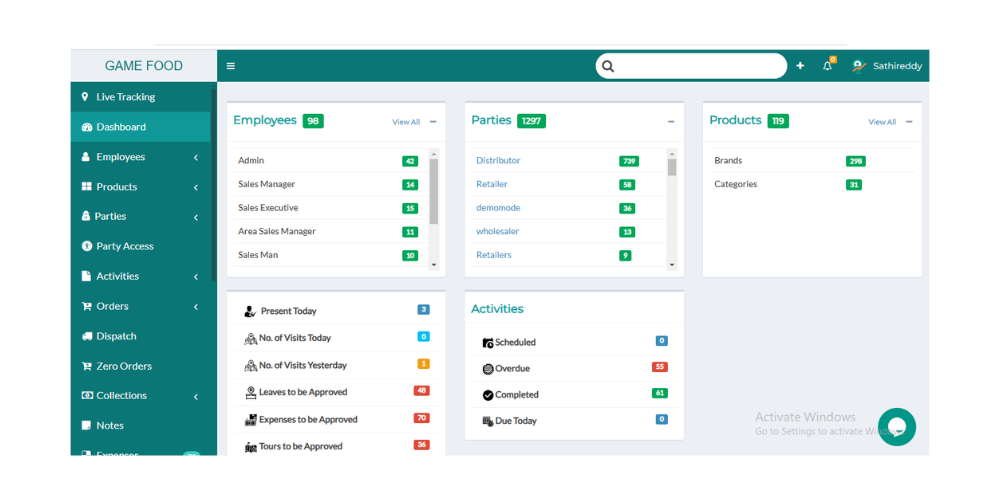
One of the biggest challenges in field sales is balancing time between travel and productive visits. Delta Sales App enables intelligent route planning that organizes daily visits in the most efficient sequence.
This ensures that sales representatives:
-
Cover more retailers in less time
-
Reduce unnecessary travel distance
-
Follow optimized daily routes
-
Improve overall visit productivity
Automated Beat Planning Based on Retailer Priority
Delta Sales App allows businesses to create structured beat plans based on retailer importance, sales volume, and market potential.
Retailers can be categorized into:
-
High-priority key accounts
-
Regular medium-volume stores
-
Low-frequency service outlets
Each category can be assigned a different visit frequency, ensuring that high-value retailers receive more attention while maintaining cost-effective coverage for smaller outlets.
Real-Time Visit Tracking and Accountability
A major challenge in optimizing visit frequency is ensuring that planned visits are actually completed. Delta Sales App provides real-time field tracking and visit monitoring, giving managers complete visibility into sales representative activity.
This includes:
-
Live visit status updates
-
Check-in and check-out tracking
-
Route adherence monitoring
-
Missed visit identification
This ensures that visit frequency plans are executed accurately in the field.
Retailer-Level Data for Smarter Visit Decisions
Delta Sales App captures detailed retailer data that helps businesses make better decisions about visit frequency. Managers can analyze:
-
Order history and frequency
-
Sales volume per outlet
-
Product movement trends
-
Purchase behavior patterns
This data allows companies to assign the right visit frequency to each retailer instead of using a one-size-fits-all approach.

Sales Performance Analytics for Continuous Optimization
With built-in sales analytics dashboards, Delta Sales App helps managers evaluate whether current visit frequencies are effective.
Key insights include:
-
Visit-to-order conversion rates
-
Outlet productivity performance
-
Rep-wise efficiency reports
-
Territory performance comparison
These insights help businesses continuously refine visit schedules for better results.
Improved Field Productivity and Time Management
By optimizing both route planning and visit frequency, Delta Sales App helps sales representatives spend more time on selling and less time on travel or unproductive visits.
This results in:
-
Higher number of quality visits per day
-
Better retailer engagement
-
Increased order collection efficiency
-
Improved field force productivity
Better Coverage of All Retailers
Delta Sales App ensures that no retailer is missed or under-serviced. Through structured scheduling and automated reminders, sales teams can maintain consistent coverage across all outlets in their assigned territory. This improves market penetration and ensures balanced attention across high and low-priority retailers.
Conclusion
There is no universal answer to how often sales reps should visit retailers. The ideal salesman visit frequency depends on retailer size, sales volume, location, market potential, and product movement. Businesses that use data-driven planning can maximize sales opportunities while minimizing unnecessary travel and operational costs.
Instead of relying on manual schedules and assumptions, modern organizations use sales force automation solutions like Delta Sales App to optimize retailer visit frequency, improve route planning, increase field productivity, and drive sustainable sales growth.
The right visit at the right retailer at the right time can make a significant difference in overall sales performance. Optimize your field sales and visit planning with Delta Sales App. Book a free demo today and see it in action.