
Tackling Challenges in Retail Execution and Supply Chain
A few years ago, a regional FMCG distributor shared a frustrating reality: “Our planning is solid. Our supply chain dashboards look great. But when I visit stores, products are missing, promoters are confused, and execution feels broken.” This disconnect is more prevalent than businesses realize. Retail execution and supply chain management are frequently treated as distinct functions: one plans, while the other executes. But on the ground, they are tightly linked. A dispatch delay, a missed store visit, or incorrect inventory visibility can have a system-wide impact.
In today’s fast-moving retail environment, execution failures cost more than planning errors. Customers dive into the major challenges in retail execution and supply chain management and, more importantly, don’t care why a product is unavailable; they simply choose another brand.
This blog explains how businesses can tackle each of them effectively.
What is retail execution?
Retail execution refers to how products, promotions, and brand activities are implemented on the store floor to ensure they reach the customer exactly as planned.
In simpler terms, it’s the process of turning strategies into actions that happen at the store level. It’s not just about putting products on shelves; it’s about ensuring every promotional display, product placement, and marketing activity is executed accurately and consistently across all stores.
It includes:
-
Ensuring products are on the shelf in the right quantity
-
Executing promotions as planned
-
Monitoring store-level compliance
-
Engaging with store staff and customers
Retail execution is where strategy meets reality; no matter how brilliant your plans are, if they don’t happen on the shelf, they don’t matter. Without effective retail execution, even the best supply chain, marketing, or promotional plans cannot translate into sales.
What is supply chain management?
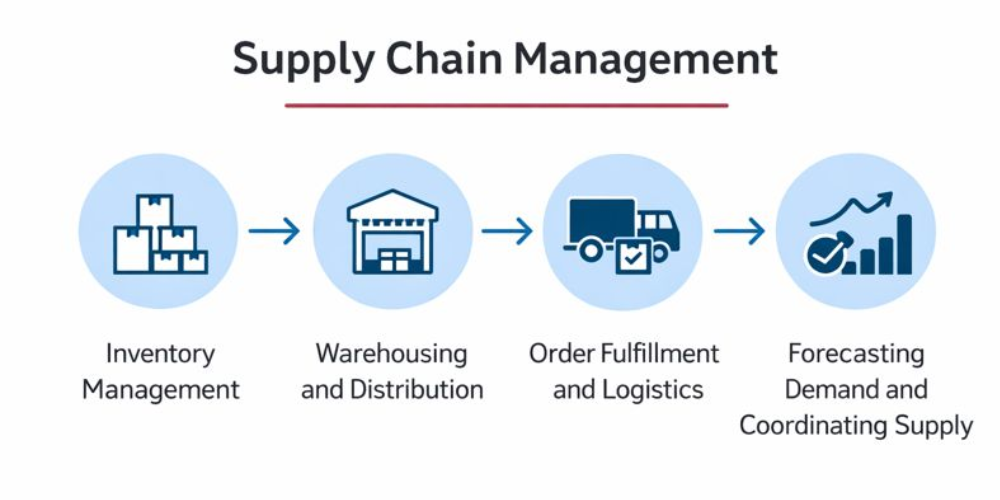
The entire process of effectively and consistently delivering goods from manufacturing to the consumer is known as supply chain management, or SCM.
In other words, supply chain management makes sure that the goods are delivered in the first place, whereas retail execution takes place at the store. It is the foundation that keeps your business operating efficiently, your shelves stocked, and your promotions timely
It covers:
-
Inventory management
-
Warehousing and distribution
-
Order fulfillment and logistics
-
Forecasting demand and coordinating supply
A strong supply chain guarantees that what is planned in the office becomes reality on the shelf in addition to moving goods. When retail execution and supply chain management collaborate, field teams can concentrate on selling rather than chasing inventory because products are available where customers need them and promotions are carried out promptly. But when these two functions are disconnected, businesses face stockouts, lost sales, and frustrated customers. This is exactly why tackling challenges in retail execution and supply chain management is critical for growth in 2026.
Challenges & How to Tackle Them
1. Lack of Real-Time Visibility at Store Level
Managers frequently discover out-of-stock situations, missed store visits, and failed promotions after the damage has been done. Traditional reporting methods, such as spreadsheets and end-of-day updates, are too slow. As the famous saying goes, “If you can’t see what’s happening today, you’re already late.” In the same way, it’s important for the managers to tackle the challenge in time.
How to Tackle It:
-
Implement real-time reporting tools for field teams
Instead of waiting for end-of-day reports or spreadsheets, provide field teams with tools that capture store-level data immediately. This could include tracking product availability, completed promotions, or shelf conditions. When managers have access to accurate, real-time data, they can identify issues before they affect sales, rather than reacting after the fact.
-
Use mobile apps with live data from stores and warehouses
Modern mobile apps enable field reps to log visits, report stock levels, and take photos of displays as they occur. Managers gain a single source of truth by integrating warehouse and store data; they know exactly what's available and where it is. This eliminates guesswork and ensures that everyone in the supply chain is in sync.
-
Set up alerts for missed visits or low stock
Automated notifications can be sent when a store visit is skipped, a promotion is not carried out, or inventory falls below a certain threshold. This proactive approach enables managers to act quickly, preventing minor issues from escalating into lost sales or frustrated customers.
2. Material Shortages
Retail execution depends heavily on having the right products available at the right time. Delays in raw materials, production, or finished goods can disrupt supply schedules and prevent proper execution at stores. Even a brief delay in high-demand items can have far-reaching consequences: promotions may fail, field teams may waste time visiting stores with empty shelves, and customers may switch to competitors. Consider a new product launch: if the product does not arrive on time, the marketing campaign loses traction, and sales targets are missed.
How to Tackle It:
-
Forecast Demand Using Historical Data and Analytics
Forecast future demand by analyzing past sales patterns, seasonality, and market trends. Accurate forecasting allows procurement teams to plan raw materials and finished goods well in advance, reducing the risk of stock outages. -
Maintain Buffer Stock for High-Demand Items
Keep a safety stock of products that sell quickly or are important for promotions in case of unforeseen delays. This ensures that stores remain stocked even if the supply chain experiences temporary hiccups. -
Collaborate Closely with Suppliers and Use Automated Alerts
Strong supplier relationships, as well as automated monitoring tools, help to detect potential shortages early. Alerts for delayed shipments or low raw material levels enable procurement teams to take action before stores are impacted.
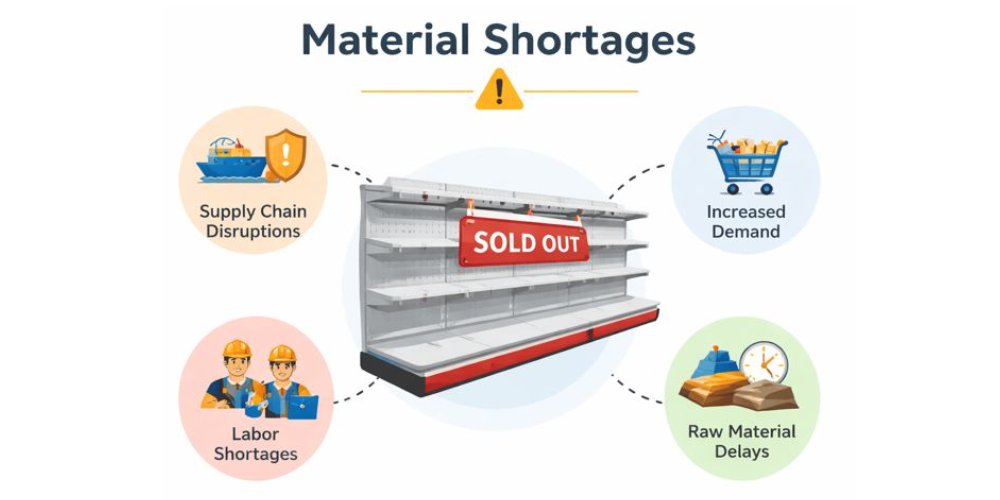
Businesses that combine forecasting, buffer stock, and proactive supplier management can avoid stock gaps, ensure smooth store execution, and protect revenue.
3. Logistical Bottlenecks
In retail, timely delivery is just as important as having the products themselves. Inefficient transportation, delayed shipments, or poorly coordinated deliveries can result in empty shelves, missed promotions, and dissatisfied customers.
This issue is exacerbated in multi-location retail networks. For example, if a store in one city receives its delivery late, the promotion planned for that week may be completely unsuccessful, whereas other stores may be overstocked due to improper shipment balance. Over time, these bottlenecks reduce revenue, disrupt operations, and harm brand reputation.
How to Tackle It:
-
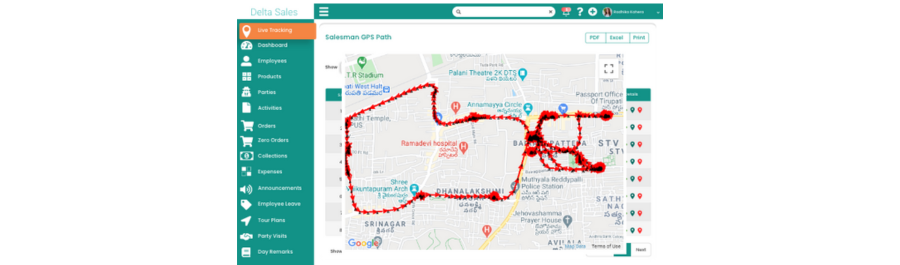
Optimize Delivery Routes Using GPS and Route Planning Software
Route optimization ensures that delivery trucks take the most efficient routes, which reduces travel time, fuel costs, and delays. It also allows for efficient coordination of multiple stops, ensuring that deliveries are made on time in all locations. -
Coordinate Warehouses and Logistics Teams with Centralized Dashboards
Centralized dashboards offer a single view of inventory, shipments, and delivery schedules. Warehouses, logistics teams, and field managers can communicate seamlessly, avoid duplication, and ensure that the appropriate -
Track Shipments in Real Time
Using real-time tracking systems, managers can monitor deliveries as they happen, detect potential delays, and communicate with stores or drivers proactively. This prevents surprises and allows quick intervention before problems affect store execution.
4. Disconnected Field Teams and Supply Planning
Field teams are frequently at the forefront of retail execution, visiting stores to ensure products are displayed, running promotions, and interacting with store employees. However, when these teams operate independently from supply planning, significant inefficiencies occur.
For example, a field team might execute a promotion at a store only to discover that stock has already run out, or a delivery may be sent to a low-demand store while high-demand stores remain understocked. This disconnect not only wastes effort, but it also results in lost sales, a poor customer experience, and revenue loss.
How to Tackle It:
-
Integrate Field Activity Dashboards with Supply Planning Systems
Managers can see where stock is available, which stores need to be replenished, and whether planned promotions match actual inventory by connecting field operations and supply chain planning. This ensures that field teams use accurate, up-to-date information. -
Share Real-Time Inventory and Demand Data with Field Teams
Field teams who are equipped with real-time inventory and demand insights can prioritize store visits, execute promotions effectively, and avoid wasting effort. Real-time data eliminates guesswork and improves the alignment of execution and supply. -
Conduct Digital Coordination Meetings
Short, regular virtual check-ins between supply planners, field managers, and logistics teams can help to align priorities, resolve discrepancies, and dynamically update plans. This keeps the entire retail network synchronized.
With integrated systems and real-time communication, businesses can bridge the gap between field execution and supply planning, ensuring promotions are successful, stock is optimized, and revenue is maximized.
5. Inefficient Store Visit Planning and Execution
Field teams are frequently expected to visit multiple stores per day, manage promotions, interact with store employees, and ensure that products are properly displayed. Visits can be rushed, skipped, or poorly executed if they lack a structured plan.
For example, a field representative may rush through a store to meet daily targets, skipping important tasks such as checking stock levels or updating promotional displays. Managers may also struggle to confirm that tasks were completed, resulting in inconsistent compliance and uneven retail execution across locations.
How to Tackle It:
-
Use GPS-Based Route Optimization
Route planning software ensures that field representatives take the most efficient paths, covering more stores in less time. This reduces travel fatigue, lowers fuel costs, and ensures on-time visits. -
Assign Structured Daily Tasks
Breaking down daily objectives into clear, actionable tasks allows reps to focus on the most important activities. For example, specifying which shelves to check, which promotions to confirm, and which reports to submit ensures consistency in execution. -
Monitor Visits Through Mobile Apps
Managers can monitor field activities through mobile applications that include check-ins, task tracking, and photo verification. This not only ensures accountability but also allows for prompt corrective action if visits or tasks are incomplete.
Structured planning, optimized routes, and real-time monitoring ensure that field teams consistently deliver high-quality visits, thereby improving compliance, promotions, and overall retail execution.
6. Outdated Systems and Processes
Many retailers continue to use manual spreadsheets, legacy software, or slow reporting systems to manage inventory, track field activities, and monitor retail performance. The following outdated systems:
-
Delay decision-making
-
Increase the likelihood of errors
-
Make it difficult to monitor compliance and performance
-
Cause field teams to spend more time on administrative tasks rather than execution
For example, if a store’s stock report is submitted at the end of the day or week, managers only learn about shortages or missed promotions after the fact, reducing the ability to react in time. Over time, these inefficiencies can erode revenue, create frustration for field teams, and reduce overall retail performance.
How to Tackle It:
-
Upgrade to Modern, Integrated Platforms
Implement retail execution and supply chain platforms that centralize operations, reporting, and field monitoring. These systems provide a real-time view of inventory, store visits, and task completion, replacing outdated manual processes. -
Automate Reporting and Task Tracking
Automated workflows reduce human error, improve reporting efficiency, and enable managers to track execution and inventory in real time. This saves time for both field teams and managers while ensuring data accuracy. -
Train Teams to Leverage Digital Tools
Installing new software alone is insufficient. To effectively use digital tools, teams require the right training and assistance, which ensures quicker reporting, precise tracking, and improved decision-making.
Businesses can lower errors, increase field productivity, and obtain useful information to make better decisions by updating their systems and procedures.

7. Balancing Overstock and Stockouts
One of the most difficult challenges in retail execution and supply chain management is maintaining the proper amount of stock at each store. Improper forecasting or planning can leave some stores with excess inventory, tying up capital and storage space, while others run out of stock, resulting in missed sales and disappointed customers.
For example, a popular snack brand may have too many packs in one store, causing waste or expiry issues, while another nearby store runs out during a promotion week. This imbalance not only affects sales but can also damage the brand’s reputation and customer trust.
How to Tackle It:
-
Use Demand Forecasting and Inventory Optimization Tools
Use historical sales data, seasonality, and market trends to accurately forecast demand. Advanced analytics can suggest the best stock levels for each store, reducing both overstock and stockouts. -
Regularly Monitor Stock Levels at Both Stores and Warehouses
Frequent checks and automated reporting ensure visibility across all locations, allowing managers to identify and address issues before they affect sales. -
Redistribute Inventory Between Locations
When some stores have surplus stock while others face shortages, reallocating inventory ensures that supply meets demand efficiently, reducing waste and lost revenue.
8. Shrinking Profit Margins
Retail profit margins are increasingly under pressure. Inefficiencies in execution, waste, missed sales, and overstocking all have a negative impact on profits. Poorly managed supply chains incur hidden costs such as excess transportation, storage, and labor inefficiencies, which eat away at margins.
For instance, if a promotion fails because a product is out of stock or misplaced, the brand loses For example, if a promotion fails due to a product being out of stock or misplaced, the brand loses immediate revenue while incurring additional costs for corrective actions. Small inefficiencies accumulate over time, having a significant impact on overall profitability.
How to Tackle It:
-
Track Execution KPIs and Cost Impact of Stockouts or Overstock
Keep track of key performance indicators like stock availability, promotion compliance, and delivery efficiency. Quantifying the cost impact of stockouts or excess inventory allows managers to identify where money is being lost and prioritize improvements. -
Optimize Routes, Inventory, and Promotions
Use analytics to efficiently plan store visits, maintain optimal inventory levels, and implement promotions where they are most likely to succeed. Margin protection is directly achieved by reducing unnecessary travel, storage costs, and stock waste. -
Focus on Data-Driven Decisions
Make decisions based on real-time sales, inventory, and field execution data, rather than intuition. This ensures smarter resource allocation, timely stock replenishment, and better promotional planning.
9. Limited Accountability and Performance Insights
Many retail managers struggle to understand why execution fails. Without clear visibility into task completion, visit quality, and compliance, it is difficult to determine whether failures are the result of field teams, stock issues, or planning errors.
For example, a promotion may underperform, but managers may be unable to determine whether this is due to a lack of store visits, an incorrectly set up display, or stock running out. This lack of clarity slows corrective action, lowers team accountability, and impairs overall performance.
How to Tackle It:
-
Use Dashboards That Track Tasks, Visit Quality, and Compliance
Centralized dashboards provide real-time visibility into all activities, allowing managers to see which stores were visited, which tasks were completed, and whether promotions were carried out correctly. -
Assign Clear Responsibilities to Individuals and Teams
Define who is responsible for each task, whether it is the in-store promoter, the field representative, or the supply team. Clear accountability ensures that problems can be identified and resolved quickly. -
Analyze Performance Trends and Provide Targeted Training
Managers can improve performance by reviewing execution patterns and identifying recurring issues and providing targeted training and support. This turns mistakes into learning opportunities and encourages continuous improvement.
How DeltaSalesApp Bridges the Gap
Managing retail execution and supply chain challenges separately is time-consuming and error-prone. Teams frequently juggle multiple tools ; spreadsheets, separate reporting apps, and manual tracking, resulting in delays, miscommunication, and missed opportunities.
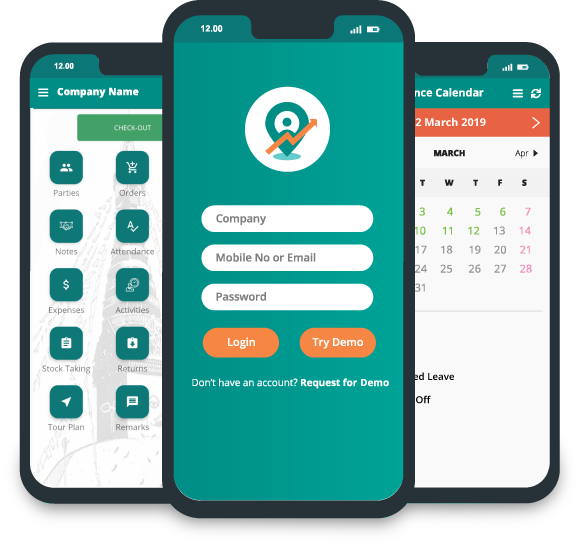
The Delta Sales App Solution: DeltaSalesApp combines retail execution, supply chain visibility, and field force management on a single platform, allowing teams to act proactively rather than reactively. Here's how it helps.
-
Real-Time Field Tracking
Managers can instantly see which stores were visited and which tasks were completed. This ensures accountability, helps to prevent missed visits, and verifies that promotions and merchandising activities are completed correctly. -
Inventory Alignment
Teams can use live stock data to ensure that products are available in the right stores at the right time. This reduces stockouts, prevents overstocking, and ensures customer demand is met. -
Optimized Store Visit Planning
DeltaSalesApp maximizes field team coverage and efficiency through GPS-based routing and structured task planning. Field representatives spend less time traveling and more time carrying out key activities. -
Performance Dashboards
Managers get a comprehensive view of compliance, task completion, and execution quality. Across all stores. Analytics identify gaps and trends, allowing for quick corrective action and continuous improvement
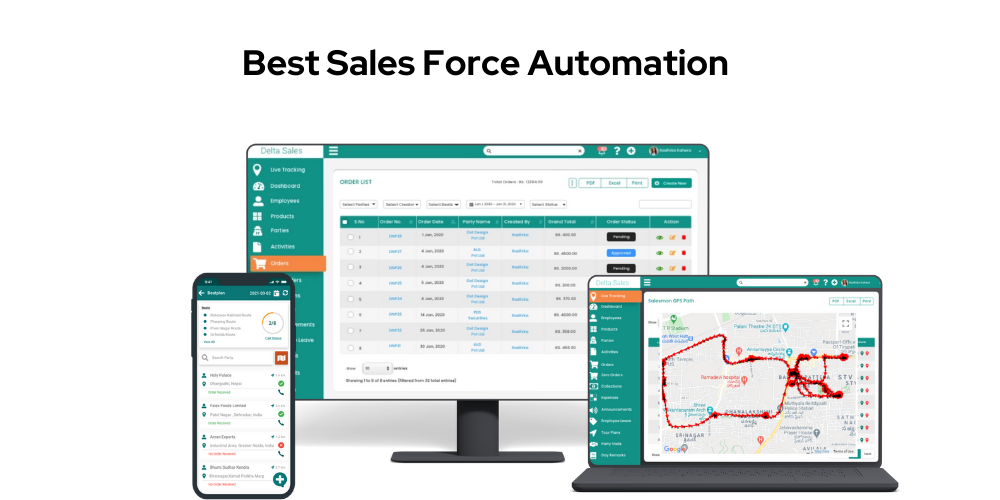
By combining all essential tools into one integrated platform, DeltaSalesApp helps businesses streamline operations, reduce inefficiencies, and ensure flawless retail execution. Teams can respond in real-time, plan better, and ultimately increase revenue and customer satisfaction.
With DeltaSalesApp, what once took hours of coordination and guesswork is now visible at a glance; teams know exactly where to act and how to optimize performance.
Final Thoughts:
Retail success isn’t determined in boardrooms; it’s earned on shelves. Brands that address retail execution and supply chain challenges head-on move beyond reactive firefighting and step into proactive, data-driven growth.
In 2026, companies that integrate real-time execution, supply chain visibility, and field tracking will consistently outperform those that rely on plans alone, turning efficiency into a competitive advantage.
If your business is struggling with retail execution gaps or supply chain inefficiencies, Book Your Demo Now with Delta Sales App.