
What Will Field Sales Look Like in the Next Five Years?
-1785989871.png)
Field sales is undergoing a remarkable transformation, one that hasn't been seen in decades. Research from McKinsey & Company highlights that organizations leveraging AI in their sales processes are experiencing notable boosts in productivity and revenue. Meanwhile, Gartner's findings suggest that AI will become an integral component of B2B sales strategies in the coming years.
Gone are the days of sales representatives visiting retailers, jotting down orders on paper, and manually compiling end-of-day reports. Today's sales teams are expected to make swift decisions, tailor each customer interaction, and manage expansive territories, all while maintaining high productivity levels. Distributors and FMCG companies are also seeking complete transparency in their field operations, inventory flow, retailer engagement, and sales performance.
So, what does the future hold for field sales in the next five years?
In this blog, we will delve into the key trends that are shaping the future of field sales, the essential skills that sales representatives will need to remain competitive, and how innovative field sales automation tools like Delta Sales App are equipping businesses for the next wave of sales evolution.
The Current State of Field Sales
Field sales continues to be the heart of industries such as FMCG, pharmaceuticals, consumer goods, and manufacturing. In these sectors, nurturing strong relationships with retailers and ensuring reliable market presence are vital for fostering business growth. Even amidst the swift wave of digital transformation, many companies still rely on field sales representatives to personally visit stores, engage with customers, gather orders, check product availability, implement promotions, and build lasting customer connections.
-1785989870.png)
Yet, many field sales teams still operate in ways that don't align with the rapidly changing market landscape. In numerous organizations, sales representatives find themselves dedicating a large chunk of their day to tedious administrative tasks rather than focusing on selling. Orders are often jotted down on paper or later input into spreadsheets, attendance is monitored separately, and managers frequently depend on end-of-day reports to piece together what transpired in the field. By the time this information reaches decision-makers, valuable opportunities may have slipped through the cracks.
Simultaneously, customer expectations are shifting. Retailers now demand quicker service, precise product details, tailored recommendations, and swift issue resolution. Sales managers require real-time insights into field activities to assess performance, optimize territories, and adapt quickly to evolving market conditions. Conventional processes simply can't deliver the speed and accuracy needed in today's competitive arena.
Among the most pressing challenges facing field sales teams today are
-
Limited insight into the daily activities and customer interactions of sales representatives.
-
Manual processes for collecting orders and reporting that lead to mistakes and slow down decision-making.
-
Suboptimal planning of territories and routes, causing unnecessary travel and lost sales chances.
-
Challenges in monitoring secondary sales and retailer performance across various distributors.
-
Absence of real-time sales information, making it difficult to spot trends or react swiftly to market shifts.
-
Time-consuming administrative duties that take away from building customer relationships and engaging with clients.
These issues reveal a widening gap between the current operations of field sales teams and the demands of a competitive marketplace. As companies move towards digital transformation, the future of field sales will emphasize automation, immediate insights, and decisions driven by data. The following section delves into the key trends propelling this change and influencing the future of field sales.
Key Trends Shaping the Future of Field Sales
The future of field sales is not defined by just one technology or strategy; rather, it emerges from a blend of various trends that aim to enhance sales operations, making them quicker, more intelligent, and centered around the customer. Innovations like artificial intelligence, automation, mobile technology, and advanced analytics are transforming the way sales representatives engage with clients in the field and how managers approach decision-making. Organizations that adopt these trends will find themselves better positioned to boost productivity, nurture customer relationships, and maintain a competitive edge.
-
AI-Powered Sales Insights
Artificial intelligence is emerging as a supportive partner for sales teams, enhancing their capabilities rather than taking their place. Rather than dedicating countless hours to sifting through spreadsheets, managers can now turn to AI for insights that pinpoint struggling territories, forecast potential stock shortages, suggest the most promising retailers to engage with, and uncover upselling opportunities before they slip away. These AI-driven insights empower sales representatives to focus on their most valuable customers and engage in activities that genuinely drive revenue growth. By leveraging sales analytics software, businesses can make quicker, informed decisions based on real data, moving away from guesswork and assumptions.
-
Automation of Routine Tasks
Field sales representatives frequently find themselves bogged down by repetitive administrative tasks like tracking attendance, gathering orders, creating reports, and updating customer details. By embracing automation, these tasks can be streamlined through a single mobile sales app, freeing up valuable time. This not only minimizes the risk of manual errors and accelerates reporting but also allows sales representatives to dedicate more energy to nurturing relationships and driving sales. Moreover, businesses gain the advantage of receiving precise, real-time information without the delays of manual updates, fostering a more responsive and efficient sales environment.
-
Hybrid Sales Models (Field + Remote)
-1785989871.png)
The future of sales is not just about being on the field or working from home; it's about finding a balance. Companies are embracing hybrid sales models that allow for routine follow-ups to take place online, while still prioritizing in-person meetings for crucial customer interactions. Sales managers can keep an eye on their team's activities from afar with field sales management software, ensuring that representatives are still out there building relationships with retailers. This blend of virtual and face-to-face engagement not only cuts down on travel expenses but also nurtures strong customer connections.
-
Mobile CRM & Real-Time Data Access
Access to real-time information has become a vital lifeline for today's field sales teams. With mobile CRM solutions, sales representatives can effortlessly access customer profiles, past orders, payment statuses, and product availability, all while on the go. Gone are the days of waiting until the end of the day to update records; now, information syncs instantly, providing managers with a clear view of field activities. This immediate access not only speeds up decision-making but also enhances customer service, allowing businesses to adapt swiftly to the ever-changing market landscape.
-
Predictive Analytics & Route Optimization
Predictive analytics is transforming field sales planning by leveraging both historical and real-time data to better understand customer needs and uncover sales opportunities. When paired with route optimization, it enables businesses to craft smarter travel plans that prioritize visits to retailers based on their unique purchase histories, sales potential, and geographical locations. This thoughtful approach minimizes unnecessary travel, boosts the number of meaningful customer interactions, reduces operational costs, and empowers sales representatives to focus more on building relationships and closing deals rather than spending time on the road.
-
Personalization at Scale
Retailers are now looking for tailored suggestions rather than one-size-fits-all sales tactics. By leveraging customer insights like purchase history, frequency of purchases, and individual product preferences, businesses can offer customized products, promotions, and strategies to each retailer. This tailored approach enhances customer relationships, boosts retailer satisfaction, and increases repeat purchases. As data becomes more accessible, personalization will become a key differentiator for successful field sales teams.
-
Changing Buyer Expectations
Today's buyers are looking for more than just quick answers; they seek genuine connections and transparency in every interaction with a sales representative. They desire reliable product information, swift order processing, timely deliveries, and thoughtful recommendations that can truly support their business growth. Consequently, field sales representatives are transforming from mere order takers into trusted partners who offer valuable insights and tailored solutions. Companies that adopt digital tools and leverage real-time data will not only meet these evolving expectations but also foster lasting relationships with their customers.
Skills Sales Representatives Will Need in the Future
As technology reshapes field sales, the essence of the sales representative will adapt to maintain a human touch. While AI, automation, and data analytics can streamline repetitive tasks, they cannot replicate the empathy and understanding that foster trust and cultivate long-lasting customer relationships. Technology will serve as a tool for sales representatives, enabling them to engage more meaningfully with customers and concentrate on addressing their unique challenges instead of getting bogged down by administrative duties.
In the coming five years, field sales professionals must blend their interpersonal skills with a proficient use of modern sales technologies. The following human-centric skills will be crucial for thriving in an increasingly digital sales landscape.
-1785989871.png)
-
Tech Fluency
Future sales representatives will need to be comfortable using a wide range of digital tools in their daily work. Mobile sales applications, CRM platforms, GPS tracking, digital order management, and AI-powered recommendations will become standard parts of the sales process. Representatives who can quickly learn and adapt to new technologies will be more productive, make fewer errors, and provide faster service to customers. Rather than viewing technology as a challenge, successful sales professionals will use it to improve efficiency and enhance customer interactions.
-
Data Interpretation
Sales representatives will find real-time data truly valuable when they know how to leverage it effectively. In the coming years, sales teams will embrace user-friendly dashboards and insightful analytics to gain a deeper understanding of customer buying behaviors, track the team’s sales performance, spot growth opportunities, and make thoughtful decisions during retailer visits. Rather than depending solely on gut feelings, they will harness data to focus on high-value customers, suggest products that truly meet their needs, and adapt swiftly to shifting market dynamics. The skill to interpret sales data and transform insights into meaningful actions will become a vital competitive edge.
-
Consultative and Relationship Selling
As automation increasingly handles routine tasks, the importance of genuine human connection will rise. Customers will seek sales representatives who go beyond merely taking orders; they will desire trusted partners who truly understand their needs and offer tailored solutions. Future sales professionals must cultivate exceptional communication, problem-solving, and relationship-building abilities to recommend suitable products, propose effective sales strategies, and assist retailers in navigating their challenges. Establishing trust and providing personalized value will take precedence over conventional sales tactics, positioning consultative selling as an essential skill for the future of field sales.
How Delta Sales App Is Powering the Future of Field Sales
The future of field sales will be shaped by the ability to connect with customers through real-time insights, thoughtful automation, and agile decision-making. Companies that cling to outdated manual processes and isolated systems may find it increasingly difficult to meet the changing needs of their customers and compete in a dynamic market. To thrive, businesses must adopt solutions that not only address current obstacles but also foster meaningful relationships and support the evolving landscape of field sales.
-1785989872.png)
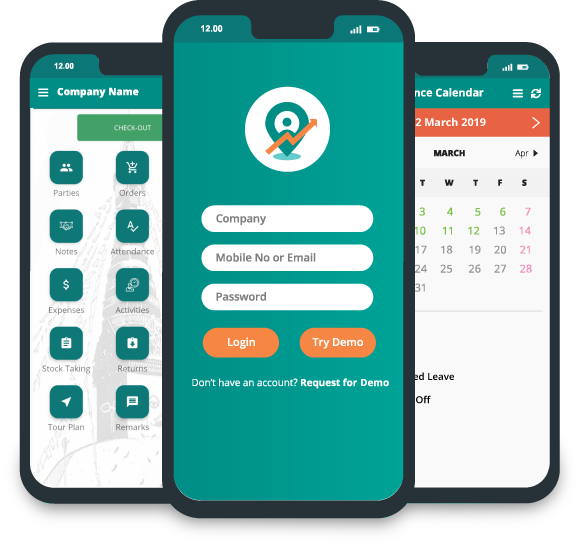
Delta Sales App is crafted to support distributors, manufacturers, wholesalers, and FMCG businesses in navigating this change. By uniting field operations, order management, customer insights, and performance analytics into one user-friendly platform, it empowers sales teams to operate more effectively while providing managers with a clear view of their activities.
-
Automating Routine Field Sales Activities
As automation becomes a key trend in field sales, Delta Sales App helps eliminate repetitive administrative work that often takes time away from selling. Sales representatives can mark attendance, record outlet visits, capture retailer images, collect orders, submit expenses, and generate daily work reports directly from the app. This not only reduces manual errors but also allows field teams to spend more time engaging with customers and driving sales.
-
Making Smarter Decisions with Real-Time Data
In the future, businesses will compete on how quickly they can turn data into action. Delta Sales App provides real-time visibility into sales activities, outlet visits, order collection, team productivity, and market performance through a centralized dashboard. Managers no longer have to wait until the end of the day for reports; they can monitor field operations live, identify issues early, and make faster, data-driven decisions that improve overall business performance.
-
Improving Productivity with Smarter Route Planning
As businesses venture into new markets, effective territory management is becoming increasingly vital. The Delta Sales App offers beat planning Software and Route Optimization, designed to assist sales representatives in adhering to organized visit schedules while reducing unnecessary travel. By fine-tuning routes and ensuring consistent retailer coverage, companies can boost the number of meaningful customer interactions, lower travel expenses, and enhance overall efficiency in the field.
-
Strengthening Customer Relationships
The future of field sales is not just about selling more products; it is about delivering better customer experiences. The Delta Sales App gives sales representatives instant access to customer information, previous orders, outstanding payments, and purchase history while they are in the field. With this information readily available, representatives can provide more personalized recommendations, respond to retailer queries quickly, and build stronger, long-term business relationships.

-
Supporting Data-Driven Growth
As field sales evolves into a more data-driven landscape, businesses need to gain clear insights that help them spot opportunities and assess their performance. The Delta Sales App provides intuitive sales reporting and analytics tools that empower managers to keep an eye on key performance indicators, track secondary sales, analyze sales trends, and evaluate team productivity. These valuable insights enable more accurate forecasting, thoughtful planning, and ongoing improvements in business practices.
-
Built for the Future of Field Sales
In the coming five years, we can expect to see remarkable transformations in how field sales teams function. Companies that choose to invest in the right technology now will find themselves well-equipped for the future. The Delta Sales App offers a comprehensive suite of tools, including Sales Force Automation Software, Mobile CRM Software, Secondary Sales Tracking Software, Distributor Management System, Inventory Management Software, and Order Management Software. These features are designed to help businesses not just keep pace with evolving market needs but to thrive in them.
Conclusion
The next five years will bring significant changes to field sales, moving beyond just new technology. With advancements in artificial intelligence, automation, real-time data, predictive analytics, and mobile-first solutions, successful sales operations will be built on a more human-centered approach. As customer expectations rise, businesses will need to respond more quickly, personalize every interaction, and make informed decisions based on reliable data. For distributors, manufacturers, and FMCG businesses, preparing for this future means creating a sales operation that is not only competitive but also adaptable, efficient, and poised for growth. Companies that prioritize digital transformation today will be in a stronger position to enhance field productivity, foster deeper retailer relationships, and discover new revenue opportunities in the years to come.
Ready to future-proof your field sales operations? Book a free demo today and discover how Delta Sales App can help your sales team stay ahead of the competition, not just for the next five years, but for the future of field sales.

-1792906895-resized320.png)