
Why Your Best Field Rep Quitting Should Terrify You (And What to Do About It)

It usually starts with a simple email. A meeting request appears on your calendar. A short conversation follows. Then comes the announcement that one of your best field sales representatives has decided to move on.
For many businesses, this situation is more than an HR challenge. It is a direct threat to revenue, customer relationships, distributor confidence, and market presence.
Most companies underestimate the importance of their top-performing field reps. They see the sales numbers, but they often fail to recognize the knowledge, trust, and market influence these professionals build over the years.
When a high-performing field rep leaves, the impact is rarely limited to one territory. It creates operational gaps, disrupts relationships, and often exposes weaknesses in the organization's sales processes.
The truth is simple: losing your best field rep should concern every sales leader because the consequences extend far beyond replacing one employee.
Why Your Best Field Rep Is More Valuable Than You Think
Every sales team has standout performers. These individuals consistently exceed targets, build stronger customer relationships, and identify opportunities that others might overlook. Their value extends well beyond the orders they generate.
Experienced field reps possess a deep understanding of customer behavior, retailer preferences, local market trends, and competitor activities. They know which stores need more attention, which distributors require support, and which products have the greatest growth potential.
Over time, they become trusted advisors rather than just sales representatives.
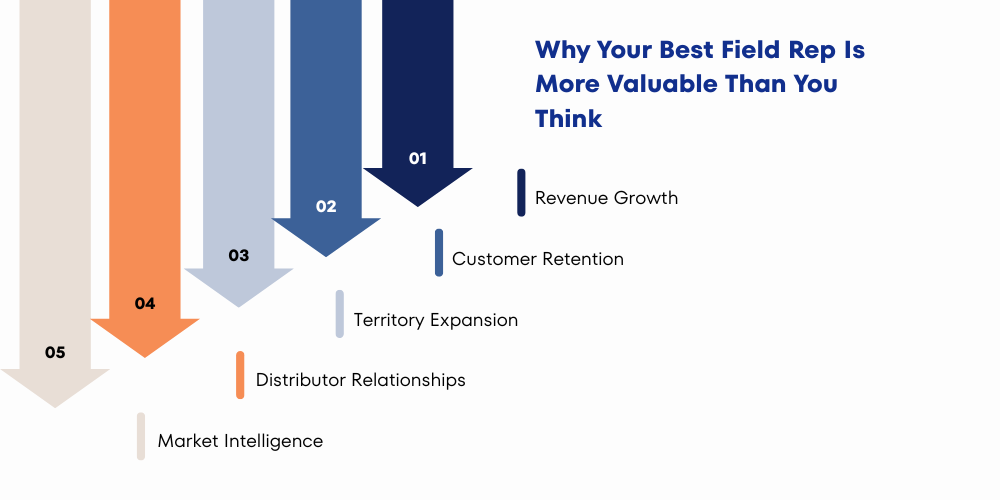
A top-performing rep often contributes significantly to:
- Revenue Growth: Top field reps consistently identify new opportunities, increase order values, expand market reach, and contribute directly to sustainable business growth.
- Customer Retention: Strong relationships help retain existing customers, improve satisfaction levels, encourage repeat purchases, and reduce the risk of churn.
- Territory Expansion: Experienced reps uncover untapped markets, onboard new retailers, strengthen local presence, and drive business growth across territories.
- Distributor Relationships: Trusted field reps maintain distributor confidence, resolve issues quickly, improve communication, and strengthen long-term business partnerships.
- Market Intelligence: Top performers gather valuable insights about customer preferences, competitor activities, pricing trends, and emerging opportunities for growth.
Many businesses invest heavily in recruitment but fail to recognize that retaining top performers is often more profitable than constantly hiring new talent.
The Hidden Revenue Engine Behind Top Performers
Top field reps do much more than close deals. They uncover new opportunities, maintain retailer loyalty, and strengthen the company's presence in the market. Their consistent interactions create trust that competitors struggle to break.
These professionals often serve as the eyes and ears of the organization. They provide insights that help management make informed decisions about products, promotions, pricing, and distribution.
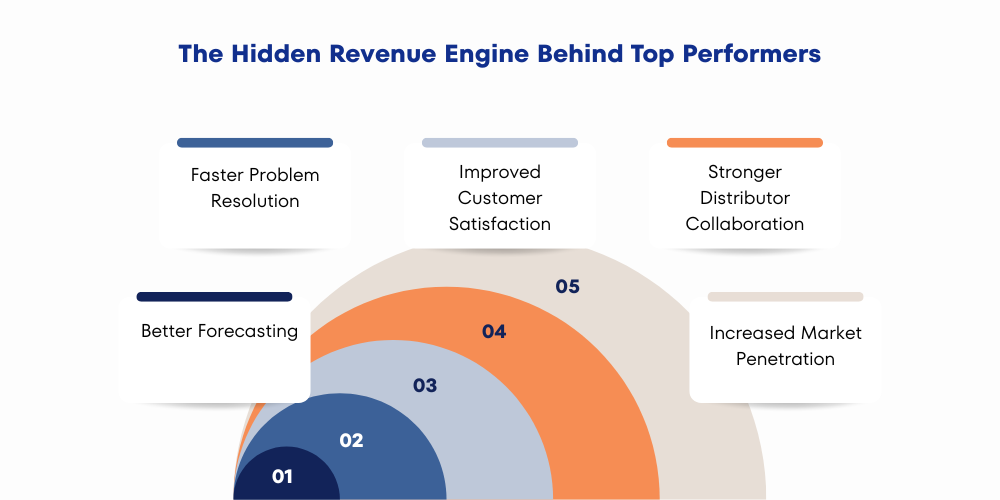
Their contributions support:
- Better Forecasting: Top field reps provide accurate field insights enabling management to predict demand trends, plan inventory, and optimize sales strategies effectively.
- Faster Problem Resolution: Field reps quickly identify issues on ground and coordinate with teams to resolve operational challenges efficiently and rapidly.
- Improved Customer Satisfaction: Strong field engagement helps reps build trust, improve service quality and ensure consistent positive buying experiences delivery.
- Stronger Distributor Collaboration: Field reps maintain close communication with distributors resolving issues quickly and improving supply chain efficiency and trust.
- Increased Market Penetration: Reps expand product reach into new outlets, strengthen brand presence and drive sustainable growth across regions markets.
Many organizations discover only after a resignation how much business performance depended on one individual's expertise and relationships.
What Walks Out the Door When a Star Rep Leaves
When a top field rep resigns, they take much more than experience with them.
Customer Relationships: Years of trust and personal connections often disappear overnight, causing customers to hesitate shifting loyalty and reducing confidence in new field representatives handling accounts smoothly.
Territory Knowledge: Understanding local buying habits, seasonal demand patterns, and customer preferences develops over years, making it difficult for new representatives to replicate effective territory execution quickly.
Competitive Insights: Experienced field reps continuously gather market intelligence about competitors pricing strategies promotions and movements providing critical insights that shape effective sales decisions and positioning strategically.
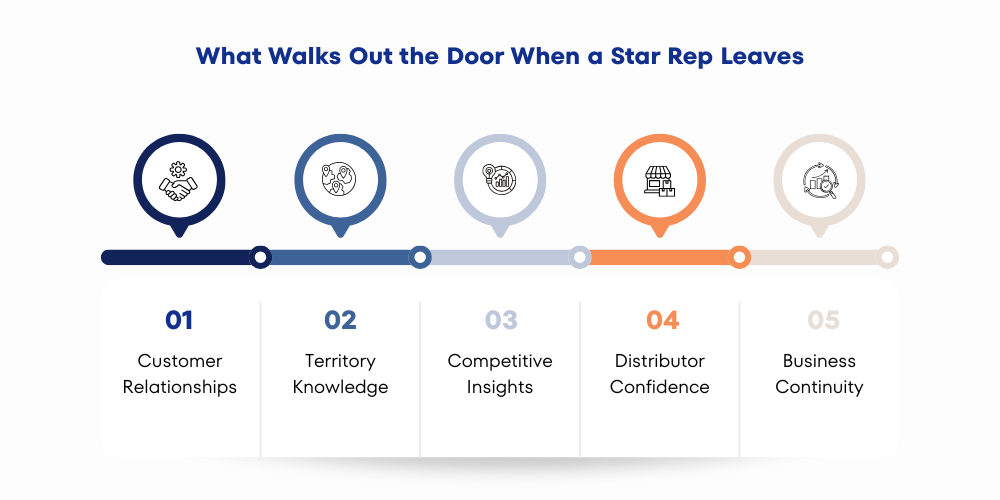
Distributor Confidence: Many distributors rely heavily on established field rep relationships to resolve issues quickly, maintain smooth operations, ensure trust, and sustain long-term business collaboration effectively.
Business Continuity: Departure of key field sales representatives disrupts operational flow, creates uncertainty in territories, slows revenue generation, and forces organizations to rebuild relationships and processes again.
The Early Warning Signs Most Managers Miss
Top performers rarely quit without giving signals. Unfortunately, many organizations focus only on sales numbers and overlook early warning signs.
Some common indicators include:
- Reduced Engagement During Meetings: Top performers begin showing less interest in discussions, contribute fewer ideas, and appear mentally disconnected during meetings, signaling early disengagement from organizational direction and priorities.
- Increased Frustration with Internal Processes: They often express growing dissatisfaction with slow, inefficient, or overly complex internal systems that reduce productivity and create unnecessary barriers to completing daily sales responsibilities effectively.
- Declining Enthusiasm for New Initiatives: High performers may stop showing excitement toward new campaigns or strategies, indicating they no longer feel aligned with organizational direction or motivated by upcoming changes.
- Less Communication with Managers: A noticeable drop in proactive communication occurs, where top reps no longer regularly update managers or seek feedback, signaling emotional and professional withdrawal from leadership.
- Complaints About Workload: Increased mentions of excessive workload, unrealistic targets, or operational pressure often indicate burnout beginning to build, even in previously high-performing and motivated field representatives.
- Lower Participation in Team Discussions: They contribute less in group discussions, avoid sharing opinions, and withdraw from collaborative problem-solving sessions, reflecting reduced emotional investment in team success and outcomes.
- Increased Interest in External Opportunities: Subtle hints about exploring other job options or discussing industry trends suggest they are mentally preparing for potential transition away from the current organization.
Because high performers continue delivering results, these warning signs often go unnoticed until the resignation letter arrives.
Why High Performers Leave Even When They're Successful
Many leaders assume that salary is the primary reason employees leave. While compensation matters, it is rarely the only factor.
Top performers often seek:
Growth Opportunities: High performers leave when they see limited career progression, lack of skill development paths, and no clear advancement roadmap within the organization.
Better Work-Life Balance: Excessive travel demands, constant field pressure, and unrealistic targets lead to burnout, pushing even successful employees to seek healthier working environments.
Efficient Work Processes: Repetitive manual reporting, unnecessary paperwork, and inefficient workflows frustrate top performers who prefer time spent selling rather than administrative tasks daily.
Recognition and Support: Lack of appreciation, minimal feedback, and poor managerial support make employees feel undervalued despite strong performance and consistent achievement in their roles.
Modern Technology: Field sales professionals expect digital tools, automation, and mobile-first systems that simplify tasks, improve productivity, and reduce operational friction in daily work execution.

The Domino Effect on Customers, Distributors, and Sales Teams
The exit of a top performer impacts customers, distributors, and teams, creating uncertainty, communication gaps, lower morale, and challenges in maintaining consistent sales performance.
As a result, organizations often face:
- Customers may feel uncertain: When a top field rep leaves, customers often lose a trusted point of contact, creating hesitation, reduced loyalty, and uncertainty about continued service quality and support reliability.
- Distributors may experience communication challenges: Distributor coordination weakens as familiar communication channels break, leading to delays in issue resolution, misunderstandings, and reduced operational efficiency across the supply chain network.
- Sales teams may lose motivation: The exit of a high performer can negatively impact team morale, reduce confidence, and create doubts about stability, affecting overall productivity and collective performance.
- Management may struggle to maintain performance levels: Leaders often face difficulties in filling knowledge gaps, maintaining consistent execution, and sustaining sales momentum after losing experienced and high-impact field representatives.
- Lower customer confidence: Customers begin questioning service consistency, availability, and support reliability, which can directly impact repeat purchases and long-term business relationships in competitive markets.
- Reduced market visibility: Lack of experienced field presence leads to weaker on-ground insights, reducing management’s ability to track competitor activity and understand real-time market conditions effectively.
- Delayed decision-making: Without reliable field inputs, decision-making slows down, affecting promotions, inventory planning, and sales strategy execution across territories and distribution networks.
- Declining sales productivity: Replacement reps take time to adapt, causing temporary drops in sales efficiency, missed opportunities, and lower overall output from affected territories.
- Increased operational pressure: Remaining team members and managers face additional workload, increased coordination challenges, and pressure to stabilize performance quickly after the departure.
The longer these issues remain unresolved, the greater the impact on business performance.
How Dependence on Individuals Creates Business Risk
Many companies unknowingly build their success around a few exceptional employees. While star performers contribute tremendous value, excessive dependence on individuals creates significant risks such as knowledge silos, operational disruption, and inconsistent customer experience when they leave or become unavailable. When customer information, territory insights, and business relationships exist primarily in one person's memory, the organization becomes highly vulnerable to sudden performance drops and market instability.
This is where field sales management software becomes increasingly important. Businesses need systems that capture critical information and make it accessible across the organization rather than relying on individual employees. It ensures continuity, transparency, and structured execution across all territories.
Risks of over-dependence include:
- Sudden loss of key accounts due to lack of documented relationships and follow-ups
- Difficulty in onboarding new sales reps because critical knowledge is not centralized
- Uneven performance across territories due to lack of standardized processes
A sustainable sales organization should be built on repeatable processes, shared knowledge, and scalable systems that reduce dependency on any single individual and ensure consistent performance across the entire sales force.
Building a Sales System That Doesn't Rely on One Person
Successful organizations focus on creating systems rather than depending on heroes.
This means documenting processes, sharing customer information, and creating standardized workflows that allow teams to operate efficiently regardless of personnel changes.
A strong sales force automation solution can help businesses create consistency across territories and improve operational efficiency.
Organizations should prioritize:
- Knowledge Sharing: Encourage structured knowledge exchange across teams so critical field insights, customer updates, and best practices are accessible organization-wide.
- Process Documentation: Maintain clear documented workflows for sales activities ensuring consistency, reducing dependency, and enabling smoother execution across all territories effectively.
- Team Collaboration: Promote seamless coordination between field reps, distributors, and managers to improve communication, faster issue resolution, and stronger collective performance outcomes.
- Performance Visibility: Provide real-time dashboards and reporting systems that allow leaders to monitor sales progress, identify gaps, and make informed decisions quickly.
- Structured Onboarding: Implement standardized onboarding programs that help new sales representatives quickly understand processes, territories, customers, and organizational expectations effectively.
The goal is to ensure that business continuity remains intact even when employees leave.
Using Technology to Capture Knowledge and Improve Retention
Technology plays a crucial role in both employee retention and organizational resilience. Modern sales teams expect digital tools that reduce manual work, improve productivity, and eliminate inefficiencies that slow down field execution.
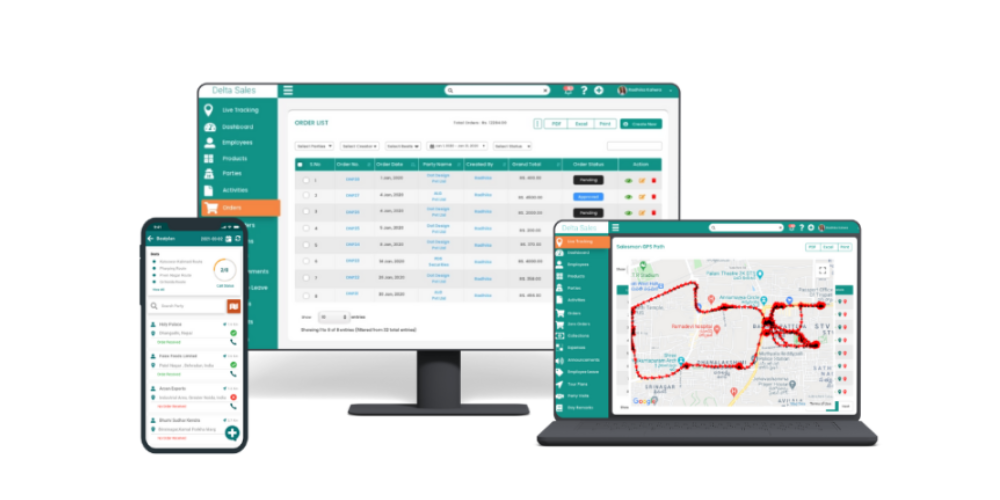
When implemented correctly, technology not only supports operations but also improves employee satisfaction and long-term retention.
- Implementing solutions such as sales tracking software helps organizations improve visibility while reducing administrative burdens on field representatives, ensuring better focus on selling activities instead of reporting tasks.
- Businesses can also benefit from route planning software, which minimizes travel inefficiencies and allows reps to spend more time selling while optimizing daily field coverage and productivity.
- Advanced systems support customer relationship management, ensuring customer information remains accessible, structured, and organized for better engagement and faster decision-making.
- Organizations that invest in technology often experience improvements in employee satisfaction because reps can focus on revenue-generating activities rather than paperwork and repetitive manual processes.
- Technology also strengthens territory management, helping businesses allocate resources more effectively, balance workloads, and ensure equitable coverage across all regions.
- Furthermore, access to real-time sales data enables managers to make faster decisions, monitor performance trends, and provide timely support to field teams when required.
- Companies that embrace mobile sales apps empower representatives to update information instantly while working in the field, improving accuracy and reducing reporting delays.
- Better visibility also enhances sales performance tracking, allowing leaders to identify challenges early, address inefficiencies, and optimize overall sales execution before issues escalate.
By simplifying processes, improving collaboration, and enabling data-driven decision-making, organizations create an environment where top performers feel supported, valued, and are more likely to stay long term.
Practical Steps to Keep Your Best Reps Engaged
Retaining high-performing field reps requires a proactive approach.
Invest in Professional Development: Provide structured training, mentorship programs, and clear career growth paths to help field reps enhance skills and achieve long-term success.
Reduce Administrative Burden: Use field force automation tools to eliminate repetitive manual tasks, allowing reps to focus more on core selling activities.
Improve Communication: Maintain consistent communication regarding goals, expectations, and challenges to ensure alignment between field teams and management effectively.
Recognize Contributions: Regularly acknowledge achievements and celebrate employee success to boost motivation, engagement, and long-term commitment among top-performing sales representatives.
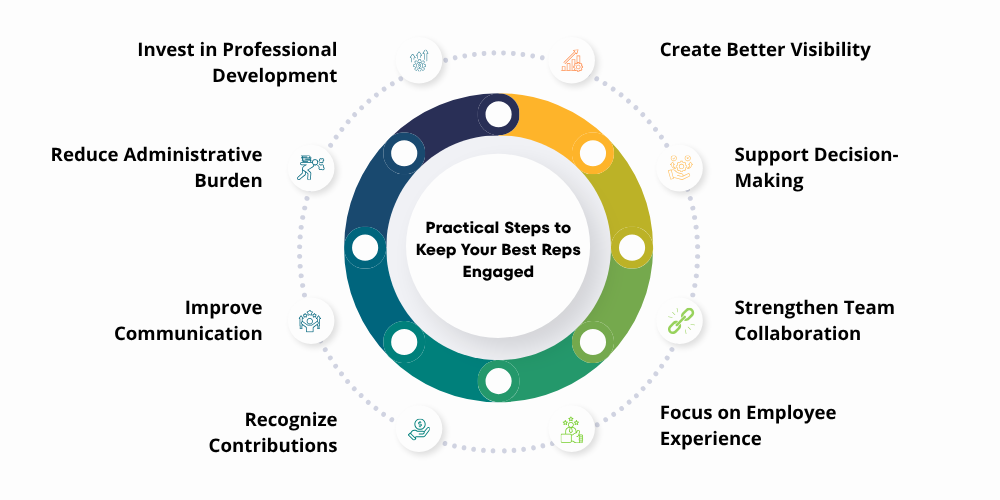
Create Better Visibility: Leverage retail execution app to improve transparency, monitor field activities, and ensure accountability across all sales operations.
Support Decision-Making: Utilize order management software to streamline processes, reduce operational friction, and enable faster, more accurate decision-making for sales teams.
Strengthen Team Collaboration: Implement systems that improve sales team productivity, enhance coordination, and enable smooth sharing of information across field and management teams.
Focus on Employee Experience: Continuously monitor engagement levels and proactively address concerns to prevent dissatisfaction and reduce potential resignation risks effectively.
Organizations that prioritize employee success often experience stronger retention and improved business outcomes.
Final Thoughts
The resignation of your best field rep should never be treated as an isolated event. It often reflects deeper issues in processes, communication, technology, and employee engagement that need attention.
Top performers bring customer relationships, market insights, and execution knowledge that are difficult to replace. When they leave, businesses risk losing momentum, revenue stability, and competitive advantage.
Retention is not luck, it is built by creating the right systems and environment. By investing in field employee tracking, improving secondary sales management, enabling better distributor management, and adopting the right technology, companies can reduce attrition and strengthen sales performance.
Instead of asking how quickly a top rep can be replaced, focus on building a workplace where they never want to leave.
To improve visibility, control, and retention in your field sales team, book a demo of Delta Sales App today.