
Why Your Team Looks Busy But Revenue Isn't Growing
We’ve all seen it. The sales floor is buzzing. Phones are ringing, keyboards are clacking, and the CRM is overflowing with activity. Your team looks incredibly busy. Stand-up meetings are full of updates on calls made, emails sent, and demos scheduled. Yet, when the quarterly report lands, the revenue graph is as flat as a pancake. It’s frustrating, confusing, and a massive drain on potential.
This is the "Activity Trap", a state where motion is mistaken for progress. Being busy is not the same as being effective. If revenue is stagnant despite the hustle, it’s a sign that your team’s energy is being spent on the wrong things.
Let’s break down the most common reasons for this illusion and, more importantly, how to fix them.
Common Pitfalls and How to Turn Activity into Revenue
-
The Vanity Metric Vortex
Teams celebrate activities (100 calls/day!) instead of outcomes (qualified meetings booked). Counting tasks feels productive but doesn't guarantee pipeline movement.
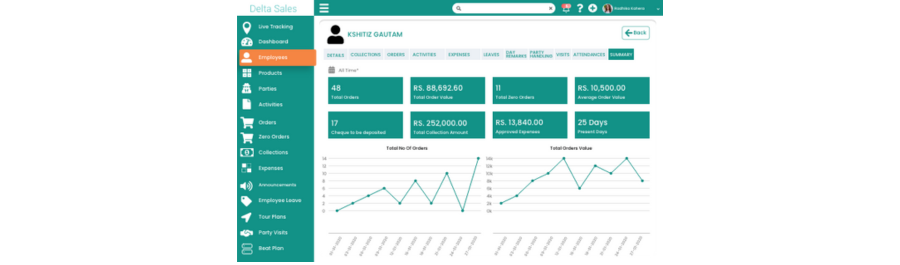
Shift focus from activity volume to meaningful engagement metrics. Track conversations that reach a decision-maker, not just dials. A feature like activity tracking truly means by tying every action directly to pipeline stages.
-
Chasing Ghosts, Not Prospects
Salespeople spend hours on leads that they will never buy. They look busy researching and customizing pitches for companies that aren't a good fit.
Implement a ruthless, data-driven qualification process. Teach your team to identify real pain points and budget early. Using a structured framework within your CRM, such as the sales pipeline features, ensures effort is concentrated on genuine opportunities.
-
The Administrative Black Hole
Hours vanish into manual data entry, updating spreadsheets, and crafting repetitive proposals. This is "busy work" that steals time from selling.
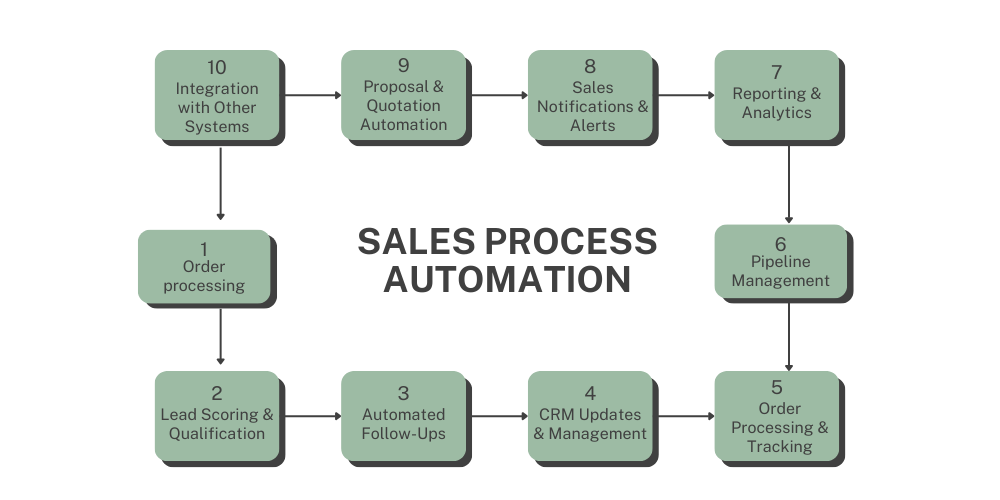
Automate everything you can. From logging calls to generating follow-up emails, automation reclaims selling time. Leveraging the Sales automation capabilities frees your team to do what they do best: sell.
-
Spray-and-Pray Outreach
Sending generic, bulk emails to huge lists. It feels proactive, but low reply rates and poor conversion show it's inefficient noise.
Empower personalized outreach at scale. Use segmentation and dynamic content to make each prospect feel seen. Integrating with a platform that offers personalization tools and features that turns blasts into targeted conversations.
-
Talking Features, Not Solving Problems
Reps dive into product demos listing every bell and whistle. This busy presentation doesn't connect to the client's specific world or show measurable value.
Coach consultative selling. Train reps to ask powerful questions first, then tailor the discussion. A guided selling workflow in prompt reps through a needs-discovery process before a demo ever starts.
-
Pipeline Polishing Over Prospecting
The team obsessively nurtures existing, often stalled deals because it feels safer than the rejection of new outreach. The pipeline looks full but isn't moving.
Enforce pipeline discipline with clear stage gates and next-step mandates. Use analytics to spotlight deals that are stuck. The visual analytics dashboard can make stagnation obvious, pushing reps to either advance or re-qualify.

-
Ignoring the Power of Follow-Up
Teams chase new leads but let warm prospects go cold. They're busy with the new and shiny, leaving money on the table from past conversations.
Systematize the follow-up. Automated sequences and smart reminders ensure no potential buyer falls through the cracks. Setting up strategic follow-up sequences automates persistence, converting more past conversations into current deals.
-
Data Chaos, Not Sales Intelligence
Information is scattered across notes, emails, and memories. Reps look busy "figuring things out" instead of having insights at their fingertips to advance deals.
Centralize all customer interactions and data into a single source of truth. Give reps instant context. The unified customer view provides that 360-degree insight, turning data into actionable sales intelligence.
How to Shift From “Busy” to “Profitable”
To transform effort into measurable revenue growth, companies must:
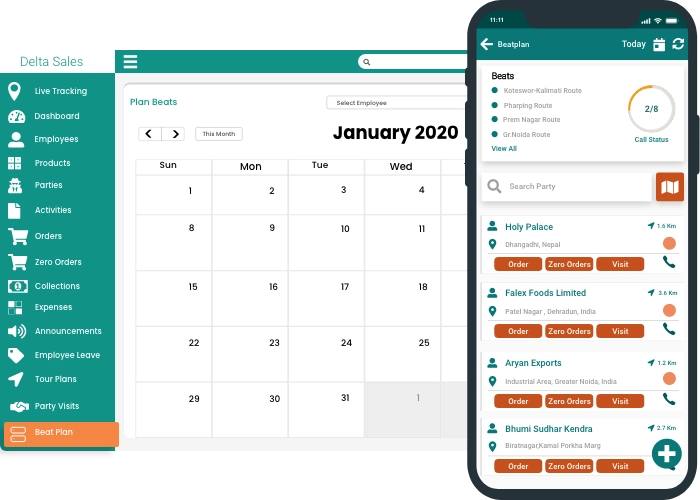
- Optimize route efficiency: Plan field visits strategically to minimize travel time, maximize customer interactions, and increase productive selling hours per day.
-
Track meaningful KPIs (not just activity counts): Measure results that matter, like conversions, average order value, and revenue per visit, instead of just counting calls or meetings. This ensures activity drives actual growth.
-
Prioritize high-value customers: Focus time and resources on clients who generate the most revenue or growth potential, rather than spreading effort thin across low-impact accounts.
-
Improve conversion monitoring: Track which leads or visits turn into sales to identify patterns, eliminate wasted effort, and replicate strategies that close deals consistently.
-
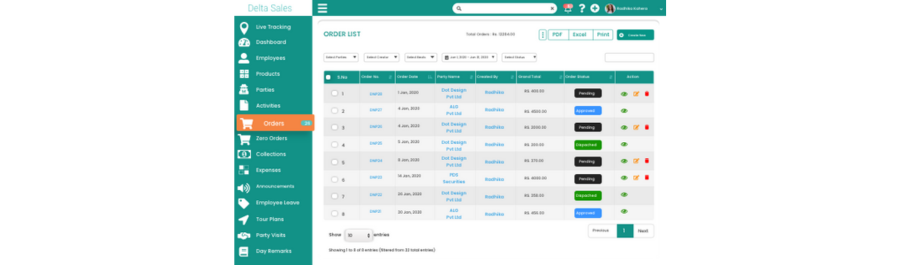
Enable real-time order visibility: Access up-to-date information on stock levels, deliveries, and orders to prevent missed sales opportunities and keep customers satisfied.
-
Focus on upselling and cross-selling: Leverage existing customers to increase revenue by recommending complementary or higher-value products during routine interactions.
-
Monitor customer retention: Track repeat orders, declining activity, and churn risks to proactively engage clients and secure long-term revenue growth.
When workflows, data, and insights are integrated, sales teams stop reacting to noise and focus on high-impact actions that directly grow revenue.
Conclusion
The path from frantic activity to consistent revenue growth requires a fundamental shift. It's about replacing intuition with insight, and busyness with strategy. You need to equip your team with clarity on where to focus and the tools to remove friction.
This is where modern sales philosophy meets modern technology. With platforms like Delta Sales App, businesses can create a seamless environment where every action is intentional, every process is streamlined, and every team member has real-time insight to prioritize what truly drives deals forward.
The solution isn't to work harder, but to work smarter with a system designed for revenue execution. It’s about ensuring that every bit of effort is aligned, efficient, and directly tied to moving prospects toward a close. By addressing these core illusions using structured B2B sales automation tools like Delta Sales App, you transform your sales team from a group that looks busy into a revenue engine that delivers measurable, growing results.
Ready to turn your team’s activity into real revenue? Book a free demo of Delta Sales App and see how structured sales automation drives measurable growth.