
CPG vs FMCG: How These Industries Shape Global Markets
The global economy is fueled by the production, distribution, and consumption of goods. Among the most influential sectors are Consumer Packaged Goods (CPG) and Fast-Moving Consumer Goods (FMCG). While these terms are often used interchangeably, they represent distinct segments of the consumer goods industry. From everyday essentials like toothpaste and snacks to durable household products, CPG vs FMCG highlights the unique roles these industries play in shaping consumer behavior, supply chains, and global markets.
In this blog, we’ll explore the differences between CPG and FMCG, their impact on the global economy, and how these industries continue to evolve in response to changing consumer demands and market trends.
What Are CPG and FMCG?
Defining CPG (Consumer Packaged Goods)
CPG refers to products that are replaced frequently, often daily or weekly, by consumers. These include items like packaged foods, beverages, toiletries, and household cleaning products. CPG brands focus on creating products with a longer shelf life and often invest heavily in branding and marketing to build customer loyalty.
Defining FMCG (Fast-Moving Consumer Goods)
FMCG, on the other hand, encompasses products that sell quickly at relatively low costs. These include perishable goods like fresh food, dairy, and beverages, as well as non-durable items like toilet paper and over-the-counter medicines. FMCG companies prioritize efficient supply chains and high turnover rates to meet constant consumer demand.
Key Similarities Between CPG and FMCG
Both industries focus on mass production, rely on strong distribution networks, and cater to everyday consumer needs. They also face similar challenges, such as adapting to changing consumer preferences and maintaining competitive pricing.
CPG vs. FMCG: Key Differences
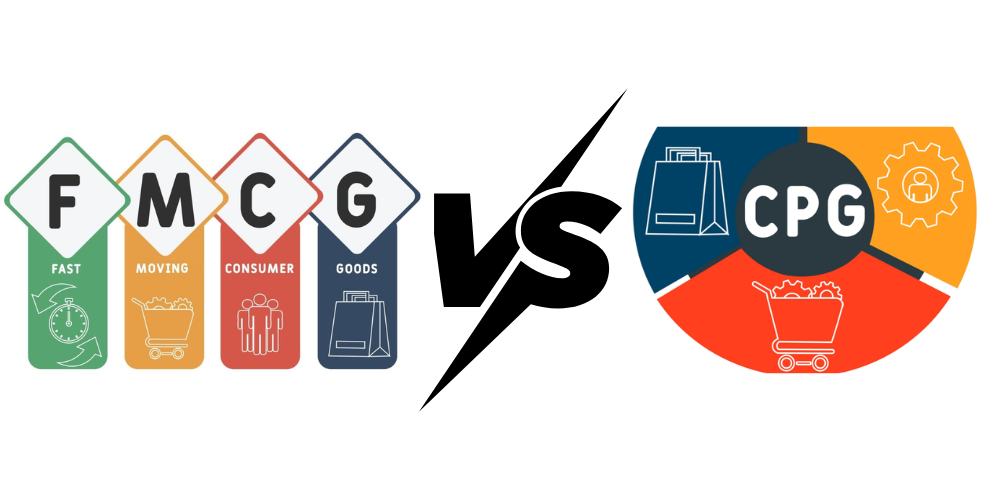
While Consumer Packaged Goods (CPG) and Fast-Moving Consumer Goods (FMCG) are often used interchangeably, they differ in several important ways. Understanding these differences is crucial for businesses, marketers, and investors looking to operate efficiently in the consumer goods industry.
1. Product Lifespan and Turnover Rates
-
CPG: Products typically have a longer shelf life and are replaced less frequently. Examples include packaged snacks, detergents, cleaning supplies, and durable household goods. These products often require planned production and inventory management.
-
FMCG: Products sell quickly and are consumed rapidly. Items like fresh dairy, bread, beverages, and toiletries require high-frequency replenishment and fast turnover to meet consumer demand.
2. Pricing and Profit Margins
-
CPG: Often positioned as premium or brand-driven products, CPG items may have higher prices. Profit margins can be thinner due to competition, but brand loyalty helps sustain long-term sales.
-
FMCG: Typically priced lower for affordability and frequent consumption. Margins per unit may be smaller, but high-volume sales make up for it, emphasizing efficiency in distribution and marketing.
3. Consumer Purchasing Behavior
-
CPG: Purchases are usually planned and influenced by brand preference. Consumers are more likely to consider quality, loyalty programs, or previous experiences before buying.
-
FMCG: Purchases are often impulsive or need-based. Convenience, price, and availability strongly influence buying decisions.
4. Marketing and Brand Focus
-
CPG: Marketing strategies focus on long-term brand building, customer loyalty, and product differentiation. Packaging, advertising, and campaigns emphasize quality and value.
-
FMCG: Marketing is geared toward high visibility, promotions, and frequent engagement to encourage repeat purchases. Shelf placement, point-of-sale displays, and quick campaigns play a key role.
5. Supply Chain and Distribution
-
CPG: Supply chains are designed for planned distribution, emphasizing strategic placement in retail stores, inventory management, and demand forecasting.
-
FMCG: Distribution networks must be fast, flexible, and capable of high-frequency replenishment. Real-time tracking and last-mile delivery efficiency are crucial to avoid stockouts.
6. Innovation and Product Development
-
CPG: Product innovation often focuses on quality improvement, brand extensions, and long-term value creation. New launches may be gradual and research-driven.
-
FMCG: Innovation is rapid, responding to trends, seasonality, or consumer needs. Packaging, flavors, or formats are frequently updated to maintain engagement and competitiveness.

CPG vs FMCG Supply Chain Strategies
The supply chain is a critical differentiator between CPG and FMCG industries, influencing efficiency, cost management, and customer satisfaction.
CPG Supply Chain Strategy
-
Planned Distribution:
CPG products usually last longer, enabling companies to carefully plan production schedules, manage distribution efficiently, and ensure timely availability across retail stores while minimizing stock shortages. -
Inventory Management:
Slower turnover in CPG requires businesses to optimize warehouse storage, forecast demand accurately, maintain stock levels, and replenish products efficiently to reduce costs and prevent inventory issues. -
Brand-Centric Logistics:
CPG logistics focus on placing products in key retail locations, maintaining brand visibility, ensuring consistent availability, and supporting marketing efforts to strengthen customer loyalty and brand recognition.
FMCG Supply Chain Strategy
-
High-Speed Distribution:
FMCG products have a short shelf life and high demand, requiring fast production, rapid replenishment cycles, and continuous supply to prevent stockouts and meet consumer needs. -
Real-Time Tracking:
Companies use advanced tools for route optimization, delivery monitoring, and inventory tracking in real time, ensuring quick response to demand fluctuations and improved operational efficiency. -
Field Execution Focus:
Efficient last-mile delivery is critical in FMCG; field sales teams and distributor networks must coordinate seamlessly to maintain stock availability and satisfy constant consumer demand.
Technology Integration:
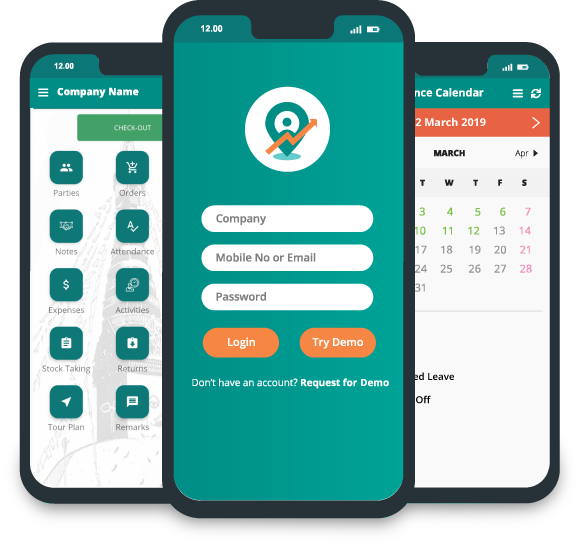
Platforms like the Delta Sales App help both CPG and FMCG companies optimize their supply chains by providing:
-
Real-time inventory updates
-
Route optimization for field teams
-
Automated order management
-
Analytics to forecast demand and reduce wastage
A strong supply chain strategy ensures that products reach consumers on time, reduces operational costs, and strengthens retailer relationships.
The Global Impact of CPG and FMCG Industries
Driving Economic Growth and Employment
The CPG and FMCG industries are major contributors to global GDP, creating millions of jobs worldwide. From manufacturing to retail, these sectors support entire ecosystems of businesses and workers.
Influence on Supply Chains and Logistics
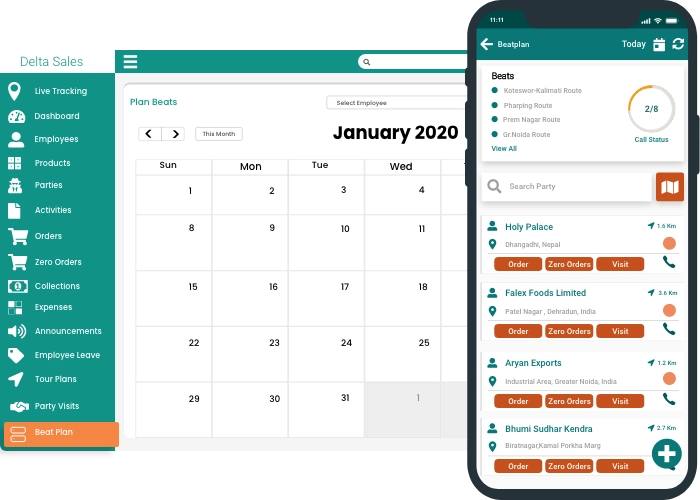
Both industries rely on efficient supply chains to ensure products reach consumers quickly. Innovations in logistics, such as automation and AI, are transforming how these goods are distributed globally. Tools like the Delta Sales App are helping companies optimize their supply chains by providing real-time data analytics, route optimization, and inventory management, ensuring timely deliveries and reducing operational costs.
Role in Shaping Consumer Trends
CPG and FMCG companies are at the forefront of consumer trends, from the rise of organic and sustainable products to the growing demand for convenience and personalization.
CPG vs FMCG in Emerging Markets
Emerging markets such as India, Southeast Asia, Africa, and Latin America are key growth engines for both industries. However, CPG and FMCG strategies differ in these markets:
FMCG Growth in Emerging Markets
-
High-Frequency Purchases:
FMCG products such as snacks, beverages, and daily essentials sell quickly due to constant consumer demand, driving rapid turnover and frequent replenishment in retail channels. -
E-commerce Expansion:
Growing online retail enables FMCG brands to reach remote regions efficiently, expand market presence, and cater to consumers who prefer digital purchasing channels over traditional stores. -
Price Sensitivity:
Consumers in emerging markets focus on affordability, making competitive pricing essential, encouraging volume-based sales, and influencing product assortment, promotions, and distribution strategies for FMCG companies.
CPG Growth in Emerging Markets
-
Brand Penetration: CPG products often target aspirational buyers, focusing on brand loyalty and perceived value.
-
Long-Term Planning: Premium packaged goods, household items, and durable products require thoughtful placement and promotion strategies.
-
Retail Partnerships: CPG brands often rely on strong relationships with modern trade and supermarket chains.
Technology & Digital Transformation in CPG and FMCG
Digital transformation is reshaping how consumer goods companies operate, offering a competitive edge in both speed and efficiency.
Key Areas of Transformation:
-
Automation & AI:
AI-driven demand forecasting, predictive analytics, and automated replenishment help reduce operational errors, optimize stock levels, streamline workflows, and significantly improve efficiency across supply chains. -
E-commerce & D2C Models:
Direct-to-consumer strategies allow brands to gather consumer insights, deliver personalized experiences, enhance engagement, improve margins, and expand their reach beyond traditional retail channels. -
Field Sales Enablement:
Tools like the Delta Sales App empower sales teams to manage orders, monitor deliveries, track performance, and improve retailer engagement with real-time insights and reporting. -
Smart Logistics:
Route optimization and real-time tracking minimize delays, improve last-mile delivery efficiency, lower operational costs, and ensure products reach consumers quickly and reliably.
Data-Driven Decisions:
Integrated dashboards provide management with insights into KPIs, sales trends, and product performance, enabling informed strategic decisions and improving overall business outcomes.
Challenges Facing CPG and FMCG Industries
Sustainability and Environmental Concerns
Consumers are increasingly demanding eco-friendly products and packaging. Both industries face pressure to reduce their environmental footprint and adopt sustainable practices.
Adapting to Digital Transformation
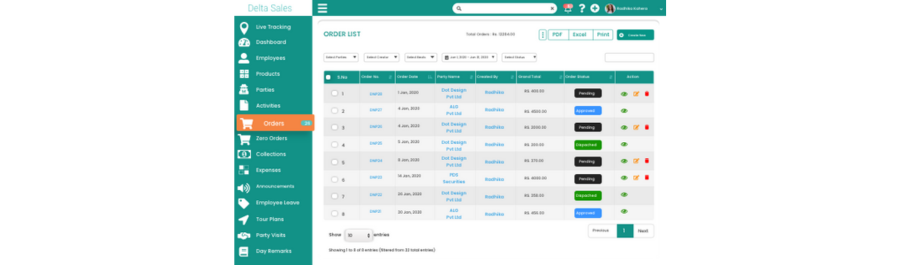
The shift to e-commerce and direct-to-consumer (D2C) models has forced CPG and FMCG companies to rethink their strategies and invest in digital platforms. Sales teams are leveraging tools like the Delta Sales App to streamline order management, track performance, and enhance retailer engagement, ensuring they stay competitive in a rapidly evolving market.
Navigating Supply Chain Disruptions
Global events like the COVID-19 pandemic have highlighted the vulnerabilities in supply chains, pushing companies to build more resilient and flexible systems.
Common Misconceptions About CPG and FMCG
Many people confuse CPG and FMCG, thinking they are the same. Clarifying these misconceptions helps businesses and consumers understand industry dynamics:
Misconception 1: CPG and FMCG Are Interchangeable
FMCG is a subset of CPG. While all FMCG products fall under CPG, many CPG items, like durable household goods, are not FMCG.
Misconception 2: Only Perishable Items Are FMCG
FMCG includes both perishable and non-perishable fast-moving items such as toiletries, cleaning supplies, packaged foods, and beverages that sell quickly due to high consumer demand.
Misconception 3: CPG Products Are Expensive
CPG pricing varies widely. While many focus on brand loyalty and premiumization, products are available across multiple price points depending on category and market segment.
Misconception 4: FMCG Does Not Require Branding
Even rapidly sold FMCG products rely on branding, packaging, and visibility to attract buyers, build trust, and differentiate products in a competitive marketplace.
Misconception 5: Technology Is Not Important for CPG/FMCG
Technology is essential, from inventory management to field sales optimization, enabling companies to meet consumer demand efficiently and maintain smooth supply chain operations.
Future Trends in CPG and FMCG
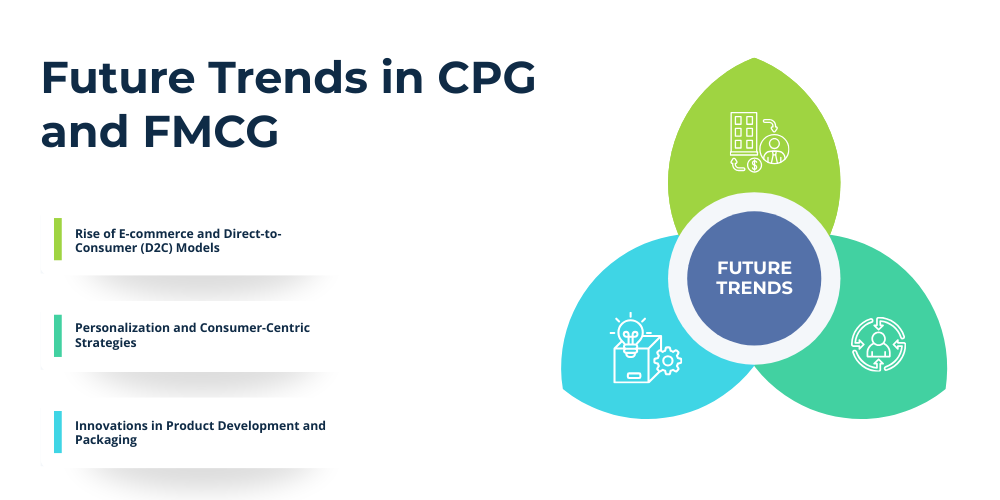
Rise of E-commerce and Direct-to-Consumer (D2C) Models
Online shopping is reshaping how consumers buy CPG and FMCG products. Brands are increasingly adopting D2C models to connect directly with customers and gather valuable data. Tools like the Delta Sales App are becoming indispensable for sales teams, helping them manage orders, monitor performance, and optimize distribution routes for a seamless customer experience.
Personalization and Consumer-Centric Strategies
Consumers now expect products tailored to their preferences. Companies are leveraging data analytics and AI to offer personalized experiences and products.
Innovations in Product Development and Packaging
From biodegradable packaging to smart labels, innovation is driving the future of CPG and FMCG. Companies are also exploring new product categories, such as plant-based alternatives and functional foods.
Conclusion: Which Industry Holds the Key to the Future?
Both CPG and FMCG industries are vital to the global economy, each serving a distinct purpose in fulfilling consumer needs. CPG focuses on brand loyalty and durable products, while FMCG excels through rapid turnover and everyday consumption. As consumer preferences evolve, both sectors must embrace innovation, sustainability, and digital transformation.
With tools like the Delta Sales App driving efficiency and insights, CPG and FMCG companies will continue to shape global markets and define the future of consumer goods.