
How Field Sales Automation Reduces the Cost of Sales
Every dollar spent on sales operations is important in today's very competitive market. Field sales teams are the backbone of making money in industries like FMCG, distribution, and consumer goods. However, it's not easy to manage these teams well. In traditional sales processes, managers, distributors, and retailers often have to coordinate on the fly, report manually, and place orders on paper. These inefficiencies add up and cost both time and money.
Field salespeople spend hours on the road taking the wrong routes, writing down orders by hand, updating spreadsheets, and making reports. Managers, on the other hand, have a hard time getting timely and accurate information about performance, territory coverage, and cash collections. The end result is that decisions take longer to make, resources are wasted, and sales opportunities are missed.
This is where field sales automation changes the game. By integrating a mobile order management system, GPS tracking system, real-time reporting, and intelligent dashboards, businesses can significantly reduce operational costs while boosting efficiency. Automated workflows not only save time but also improve accuracy, enhance visibility, and streamline coordination across the field team.
The impact of automation goes far beyond convenience. It directly affects the ROI of field sales operations. Every optimized route, every instantly recorded order, and every automated report translates into measurable savings and higher revenue. Companies that implement automation gain a competitive edge by turning costly manual processes into seamless, efficient systems that support growth at scale.
In this guide, we’ll explore how field sales automation reduces the cost of sales, the key features that drive efficiency, common mistakes to avoid, and real-world examples of ROI in action. Whether you manage a small sales team or oversee a large distribution network, understanding the financial and operational benefits of automation is crucial to maximizing your business performance.
What is Field Sales Automation?
Field sales automation uses digital technology and software to make field sales activities easier, more efficient, and more effective. It replaces old, manual processes with workflows based on data, which helps field sales teams work as efficiently as possible.
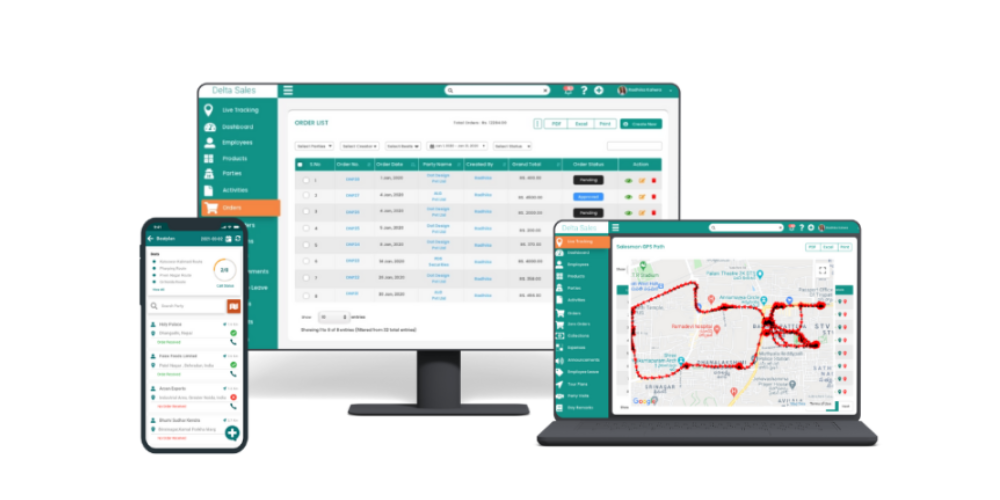
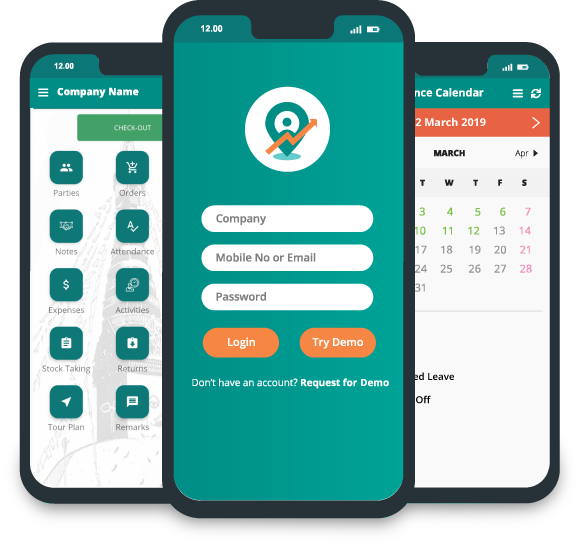
A modern field sales automation solution gives businesses the power to:
-
Keep an eye on where sales reps are and what they're doing in real time.
-
Make taking orders and sending invoices automatic.
-
Plan your daily sales routes in the best way to save money on travel.
-
Use real-time dashboards to keep an eye on how well your team is doing.
-
Make it easier for field reps and management to talk to each other.
Companies can get rid of repetitive tasks, make their operations more efficient, and ultimately make more money by using a field sales force automation app. It's not enough to just digitize tasks; you need to use technology to strategically improve the whole field sales ecosystem.
Understanding the True Cost of Sales in Field Teams
Companies need to know exactly where their field sales budgets go before they can figure out their return on investment (ROI). Field sales is naturally complicated and requires a lot of resources, and it has many hidden costs that have a big effect on margins.
-
Travel and Logistics Costs
Field sales teams incur substantial expenses through fuel, vehicle maintenance, lodging, and transport allowances. Without an optimized route planning system, sales reps may travel longer distances than necessary or make multiple trips to the same area due to poor scheduling. This not only increases the cost per visit but also reduces the total number of customers a rep can cover in a day.
-
Time Wastage
In field sales, time is one of the most underused resources. It can take hours every day to do manual reporting, fill out forms, and coordinate. Reps may spend more time on administrative tasks than on talking to customers, which directly lowers the amount of money they make.
-
Manual Errors
Taking orders on paper and entering data by hand often leads to mistakes like running out of stock, sending the wrong invoice, and taking too long to fulfill an order. These mistakes not only raise costs for running the business, but they also hurt customer trust. For example, an FMCG company said that 10–15% of orders needed to be fixed because of mistakes made when entering them by hand. This caused delays and extra shipping costs.
-
Poor Visibility and Decision-Making
Managers who depend on reports that are late or wrong don't have the information they need to make quick and smart choices. It's hard to find areas that aren't doing well, give targeted coaching, or move resources around in the best way without real-time data. This lack of openness makes it harder to hold people accountable and can let problems keep happening.
-
Low Productivity per Rep
Even when sales reps are working long hours, productivity may remain low if they are bogged down by manual processes. Low productivity increases the cost per sale, reduces profit margins, and limits the company’s growth potential. Companies that have implemented field sales management software that automates their sales operations have reported productivity gains of 20–40% per rep, translating into a significantly higher field sales automation ROI.
What is Field Sales Automation ROI?
Field sales automation ROI shows how much money you make after using automation tools for field sales work. This includes lower costs from running things more efficiently and higher sales from better sales productivity.
ROI is calculated as:
ROI = (Financial Gain from Automation – Cost of Automation) / Cost of Automation
The financial gain includes:
-
Reduced travel and administrative expenses
-
Improved sales output per rep
-
Fewer errors and returns
-
Enhanced customer satisfaction leading to repeat business
High field sales automation ROI reflects that the automation software effectively reduces the cost of sales while driving revenue growth and operational excellence.
How Field Sales Automation Reduces the Cost of Sales
Field sales automation isn't just a nice thing to have; it's a strategic tool that changes the way your sales operations work and affects their costs. Businesses can save money and make more money by digitizing, streamlining, and optimizing important workflows. This will also make them more efficient and accurate. This is how:
1. Eliminates Manual Reporting
One of the biggest hidden costs of field sales is having to write reports by hand. Salespeople spend hours every day filling out forms on paper, updating spreadsheets, and sending reports at the end of the day. These tasks take a lot of time and are also likely to go wrong, like entering the wrong data, missing information, or duplicating it. Field sales automation replaces old-fashioned paperwork with automated digital reporting, which makes sure that:
-
Real-time data synchronization
-
Accurate and error-free reports
-
Immediate insights for management
This saves significant administrative hours per rep per week and allows managers to focus on strategy rather than chasing reports, directly reducing overhead costs.
2. Optimizes Route Planning
Field sales teams also have to pay a lot for travel that isn't very efficient. Long routes use more gas, wear out vehicles faster, and lose time that could be spent selling, all of which raise the cost of sales. Automation tools use complex algorithms to:
-
Find the best routes for each rep
-
Reduce travel time between customer visits
-
Make sure everyone on the team has the same amount of work to do.
This means lower costs of doing business, more visits to stores each day, and better coverage in the field.

3. Improves Order Accuracy
Mistakes when taking orders can be expensive because they can cause returns, delays, and unhappy customers. Field sales automation’s order management system makes sure that orders are recorded digitally, checked right away, and shown in inventory systems in real time. Field sales automation makes sure that
-
Digital orders are taken and checked right away.
-
Real-time updates are made to inventory levels.
-
Customers get the right products on time.
This cuts down on mistakes, makes sure customers get the right items on time, and lowers the costs of wrong deliveries. Accurate order processing also builds customer trust and loyalty, which indirectly helps increase sales while cutting down on operational inefficiencies.
4. Enhances Sales Team Productivity
Repetitive administrative tasks take up valuable selling time, which lowers the potential for making money. Field sales automation lets reps focus on sales instead of these tasks. Field sales automation makes sure that:
-
Automated tasks like data entry and reporting are done on a regular basis.
-
Reps can spend more time talking to customers.
-
Sales activities are tracked and improved using technology.
As a result, reps complete more customer interactions per day, conversion rates improve, and revenue per rep increases. Increased productivity across the team leads to higher ROI without adding additional resources.
5. Provides Real-Time Visibility
When managers rely on manual reporting, they often don't have quick access to information about team activity, performance, and attendance. Field sales automation gives you live dashboards so you can keep an eye on operations in real time. It makes sure that
-
You can see team activity and sales numbers right away.
-
Quickly find bottlenecks or problems with performance
-
Managers can give reps better coaching and guidance.
This real-time view lets you make decisions and solve problems faster and based on data. Businesses can make the most of their resources right away and act quickly when they see an opportunity or problem.
6. Reduces Dependency on Larger Teams
To scale up sales operations, you often have to hire more reps, which costs more money. Field sales automation helps companies make better use of the resources they already have. Field sales automation makes sure that:
-
Tasks are made easier, and workflows are improved.
-
To keep productivity up, fewer new hires are needed.
-
Costs for training and onboarding are kept to a minimum.
Automation cuts down on hiring needs and increases ROI per employee by making things run more smoothly. Companies can increase sales without hiring more people, which lowers costs while keeping or improving performance.
Measuring Field Sales Automation ROI
Investing in field sales automation is a strategic decision, but its real value is only realized when businesses measure ROI effectively. Without proper metrics, it’s difficult to quantify the cost savings, productivity gains, and overall efficiency improvements achieved through automation. Measuring ROI helps companies make data-driven decisions, optimize processes, and justify further investment in technology.
Managers can focus their efforts on getting the most out of a field sales management software that automates your sales operations by knowing which areas have the biggest impact on lowering costs and raising revenue.

Key Metrics to Track
Tracking the right metrics is critical for calculating ROI. The most important KPIs for field sales automation include:
1. Cost per Sale
This metric measures the operational expense incurred for each successful transaction. Automation reduces unnecessary costs such as fuel, travel time, and administrative overhead.
Example:
A beverage distribution company implemented automated route planning and digital reporting. Previously, each sale incurred $12 in indirect costs from travel and admin work. With automation, the cost per sale dropped to $8, representing a 33% reduction in operational expenses. Tracking this metric consistently shows the tangible financial impact of automation on day-to-day sales.
2. Sales per Representative
Productivity per sales rep is one of the clearest indicators of automation success. By automating reporting, scheduling, and data entry, reps can dedicate more time to customer-facing activities.
Example:
A pharmaceutical sales team using Delta Sales App increased the average number of daily visits per rep from 12 to 18. This 50% increase in productivity allowed the company to generate more revenue without hiring additional staff, directly boosting ROI.
3. Travel Cost Reduction
Field sales teams spend significant resources on travel, including fuel, vehicle maintenance, and lodging. Automation optimizes routes, reduces unnecessary trips, and helps reps cover more outlets efficiently.
Example:
An FMCG company implemented automated route optimization and reduced fuel and vehicle maintenance costs by 20%. This metric is particularly important for businesses with large geographic coverage, as it directly reflects savings on operational expenses.
4. Conversion Rate
Conversion rate measures the percentage of leads or opportunities that successfully turn into sales. Automation ensures that sales reps follow up on leads promptly, capture accurate data, and engage with the right customers at the right time.
Example: A retail distributor saw a 15% rise in deal closure rates after using field sales management software that automates their sales processes. Businesses can show a clear return on investment (ROI) impact by tracking conversion rates before and after automation. This shows that better efficiency leads to more money.
5. Time Spent Selling vs Administrative Work
Field sales reps often spend a disproportionate amount of time on non-revenue tasks. Automation allows managers to track how much time reps spend actively selling versus completing administrative work.
Example:
A company using Delta Sales App discovered that reps were spending 40% of their day on reporting and admin tasks. After automation, that dropped to 15%, freeing up hours for customer engagement. This metric directly reflects the efficiency gains achieved and how automation translates into more revenue-generating activities.
Simple ROI Formula
Calculating ROI for field sales automation can be simplified with the following formula:
ROI = (Net Gain from Automation – Cost of Implementation) / Cost of Implementation
Where:
-
Net gain from automation includes savings from reduced travel, lower admin overhead, higher productivity, and increased revenue.
-
Cost of implementation includes software licensing, training, integration, and change management.
Industry Insight:
Companies that adopt field sales automation typically see positive ROI within 3–6 months, depending on the scale of deployment and the level of team adoption. Early adopters report faster gains when combined with proper training, workflow alignment, and real-time performance tracking.
Why Measuring ROI Matters Beyond Cost
Measuring ROI is not just about proving the financial impact. It also helps businesses:
-
Identify underperforming areas and optimize processes
-
Justify further investment in automation tools
-
Align sales strategies with operational realities
-
Reinforce accountability among sales teams
By tracking these metrics consistently, businesses can ensure that every investment in field sales management software that automates your sales operations delivers maximum return and measurable improvements in field efficiency.
Key Features That Drive Field Sales Automation ROI
1. GPS Tracking and Route Optimization
GPS tracking allows managers to monitor the real-time location of each sales rep, ensuring that all assigned territories are adequately covered. By leveraging route optimization algorithms, the software calculates the most efficient paths between multiple customer locations, reducing travel time, fuel costs, and wear on vehicles. Optimized routing also ensures that reps can complete more visits per day without overexertion, increasing overall field productivity and allowing businesses to get more value from each rep’s time on the road.
2. Mobile Order Management
Mobile order management enables sales reps to capture orders directly on their devices, eliminating the need for manual paperwork. Orders are automatically validated and reflected in real-time inventory systems, reducing errors and ensuring that customers receive the correct products on time. Reps can also generate invoices instantly and check payment statuses, which accelerates order fulfillment and improves cash flow. This feature not only saves administrative time but also strengthens customer trust by ensuring accurate and prompt service.
3. Attendance and Activity Tracking
With field sales automation, managers can keep an eye on every rep's check-ins, check-outs, and daily activity logs. This makes sure that all field activities are in line with business goals and that reps are using their time wisely. Tracking activities and attendance management makes people more accountable, which makes it easier to find high-performing employees and help those who may need it. Being able to track these activities digitally means that managers don't have to check them by hand, which gives them confidence that field reports are correct.
4. Real-Time Reporting Dashboard
A real-time reporting dashboard brings together all sales, activity, and performance data into one place. Managers can get real-time information about sales trends, team productivity, and customer interactions without having to wait for reports at the end of the day. This visibility lets them quickly make decisions based on data, find problems early, and take action to fix them right away. Real-time dashboards also help with planning and forecasting by giving you a constantly updated view of what's going on in the field.
5. Beat Planning and Territory Management
Beat planning and territory management help structure daily field visits strategically, ensuring that high-value accounts receive the attention they deserve and that no opportunities are missed. Managers can assign territories based on historical performance, customer potential, or logistical considerations, and reps can follow a structured plan for optimal coverage. This organized approach reduces redundancy, prevents missed visits, and maximizes the ROI from each sales route and daily schedule.
6. Inventory Visibility
Inventory visibility lets salespeople see how much stock is available in all of the stores and warehouses right away. This stops stockouts, makes sure orders are filled on time, and cuts down on delays that can make customers angry. Reps can make smart promises to customers, change their sales strategy based on availability, and work with supply chain teams to restock ahead of time if they have the most up-to-date information. More open inventory makes customers happier and cuts down on operational losses caused by poorly managed stock.
Real-World Example: FMCG Sales Team Transformation
Consider an FMCG company with 50 field sales representatives. Before automation, each rep visited 8 stores per day with high travel costs due to unplanned routes and spent 2 hours daily on manual reporting.
After adopting field sales automation:
-
Daily store visits increased to 12 per rep
-
Travel costs reduced by 20% due to optimized routing
-
Reporting time dropped to virtually zero
-
Real-time visibility improved managerial decision-making
The company achieved a significant reduction in cost per sale, increased revenue, and improved overall field sales automation ROI. This demonstrates the transformative potential of automation in real-world scenarios.
Choosing the Right Field Sales Automation Solution
Investing in a field sales automation tool is a critical decision that can significantly impact your team’s efficiency, operational costs, and overall revenue. However, not all tools deliver the same value. Choosing the wrong solution can lead to low adoption, wasted investment, and limited ROI.
A robust solution should streamline workflows, reduce manual effort, and provide actionable insights in real time. For businesses looking to improve efficiency and achieve measurable field sales automation ROI, selecting a tool with the right features is essential.
To ensure success, focus on solutions that align with your sales processes, team needs, and long-term business goals. A strong candidate should provide comprehensive support across planning, execution, and reporting.
Must-Have Features
-
Mobile Accessibility
Mobile accessibility makes sure that field sales teams can get to important data and tools whenever and wherever they need them. Reps can see customer information, change orders, and keep track of visits right from their phones. This cuts down on the need for office-based systems and gets rid of delays in reporting. Mobile access also makes it easier to respond to customer needs and helps field teams and managers communicate more easily.
-
Real-Time Tracking
With real-time tracking, managers can see what's going on in the field as it happens. This feature lets you see where sales reps are, how far along they are on scheduled visits, and how far along they are on tasks. Managers can quickly fix performance gaps, move resources around more effectively, and make people more accountable by keeping an eye on activities in real time. It also makes it possible to coach people on time and makes sure that the field operations are in line with the goals of the business.
-1774347008.png)
-
Route Optimization
Route optimization helps salespeople plan their daily visits in a way that saves them time and money on travel and operations. Automated routing cuts down on trips that aren't needed, increases coverage, and maximizes the number of customer interactions each day. It makes sure that field teams take the best routes while cutting down on fatigue and wasted resources. Optimized routes also help with better territory management and make the whole team's work more productive.
-
Order Management
Order management makes it easier to take, check, and process customer orders. It cuts down on mistakes that happen when data is entered by hand, makes sure prices are correct, and keeps stock levels visible. Automated order workflows make fulfilling orders easier, cut down on delays, and make operations run more smoothly. Teams can keep better track of inventory and customer satisfaction by centralizing order data, which lets them see the status of orders in real time.
-
Analytics Dashboards
Analytics dashboards give you useful information about how well your sales are doing, what your customers are doing, and how efficiently your business runs. Managers can keep an eye on KPIs, find areas that need work, and make choices based on data. Dashboards bring together data from many different sources into one view, making it easier to report on and keep an eye on performance. This helps businesses make their strategies better, make their teams work better, and figure out how field sales activities affect ROI.
-
CRM Integration
CRM integration makes sure that all customer interactions and data from the field are in sync with the company's larger systems for managing customers. This helps with better relationship management, accurate follow-up, and regular communication. CRM data that is integrated lets teams share information easily, which helps salespeople tailor their interactions, prioritize tasks correctly, and make smart choices that boost sales performance and efficiency.
Common Mistakes That Reduce Field Sales Automation ROI
Field sales automation can greatly boost productivity and cut costs, but how well it works depends on how well it is set up and used. Businesses can make a number of common mistakes that keep them from getting the field sales automation ROI they want. To get the most out of automation, you need to know about these problems and how to avoid them.
-
Poor Implementation Strategy
If you don't have a structured plan for how to implement field sales automation, it can be confusing and not used enough. The software might not work with existing workflows if there aren't clear goals, deadlines, and processes. Bad strategy also makes it hard to keep track of performance or get an accurate ROI, which lessens the overall effect of the automation investment.
-
Lack of Training
Even the most advanced automation tools cannot deliver value if the sales team does not know how to use them effectively. Inadequate training often results in low adoption, incorrect usage, or avoidance of the platform altogether. Ensuring comprehensive onboarding and continuous learning opportunities is crucial for sales reps to leverage the software fully and achieve measurable efficiency gains.
-
Choosing the Wrong Tool
Not all field sales automation platforms are built to address industry-specific challenges. Selecting a tool that does not align with the company’s sector, such as FMCG, pharmaceuticals, or distribution, can limit functionality and reduce effectiveness. The wrong platform may lack critical features like route optimization, mobile accessibility, or order management, a field sales performance system, which directly impacts the field sales automation ROI.
-
Ignoring Data Insights
Field sales automation generates vast amounts of actionable data, from customer behavior to team performance metrics. Failing to analyze and act upon these insights diminishes the value of automation. Companies that do not leverage analytics miss opportunities to optimize sales processes, improve productivity, and make informed decisions that would otherwise enhance ROI.
Avoiding these common mistakes ensures that businesses fully capitalize on the benefits of automation, improving efficiency, productivity, and cost savings across their field sales operations. A carefully planned, well-executed, and continuously optimized approach is key to achieving the maximum field sales automation ROI.

Why Delta Sales App is Built for High ROI
The Delta Sales App was made to help field sales teams in the FMCG, CPG, and SaaS industries work more efficiently while spending less money and making more money. It doesn't just give you a one-size-fits-all solution; it takes into account the specific problems that field sales teams face and makes sure that every step of the process, from planning and taking orders to reporting and analytics, runs smoothly. The Delta Sales App lets businesses boost productivity, cut down on mistakes, and get measurable field sales automation ROI by combining automation with actionable insights.
-
User-Friendly Mobile Interface for Easy Adoption
A simple, easy-to-use mobile interface makes it easy for salespeople to start using the platform right away. A mobile-first design and easy navigation make it easier to learn, so teams can access customer data, update orders, and keep track of visits while they're on the go. The Delta Sales App makes adoption easier, which leads to higher usage rates and faster ROI for the whole company.
-
Real-Time Tracking and Reporting Dashboards
Real-time tracking and dynamic dashboards give managers full access to field activities. This feature lets you see where your sales reps are, what tasks they've finished, and how well they're doing right away. Getting accurate data right away makes people more accountable, helps them make decisions faster, and makes sure that problems are fixed before they hurt sales, which directly increases the ROI of field sales automation.
-
Advanced Route Optimization to Reduce Travel Costs
Delta Sales App’s intelligent route planning minimizes travel time and fuel expenses while maximizing customer coverage. Automated routing ensures that reps follow the most efficient paths, eliminating redundant trips and reducing operational costs. Optimized routes also allow sales teams to interact with more outlets daily, increasing sales opportunities and enhancing overall productivity.
-
Seamless Order Management to Improve Accuracy and Fulfillment
The app streamlines order management by automating the entire workflow, from capturing and validating orders to processing and tracking fulfillment. By reducing manual data entry and errors, Delta Sales App ensures accurate invoicing, prevents stockouts, and improves delivery times. This functionality not only boosts operational efficiency but also strengthens customer satisfaction, which translates into higher repeat sales and ROI.
-
Scalable Platform to Grow with Your Sales Team
The Delta Sales App is built to scale with your organization, accommodating an expanding team or territory network without losing efficiency. Its flexible architecture allows businesses to add users, integrate new processes, and customize features as the sales operation grows. Scalability ensures that the platform continues to deliver strong ROI, even as field sales teams expand and market demands increase.
This combination of intuitive design, real-time insights, optimized operations, and scalability makes Delta Sales App a high-impact solution for companies seeking measurable field sales automation ROI. By addressing the specific needs of field sales teams, it ensures that automation translates directly into cost savings, increased productivity, and enhanced revenue generation.
Future of Field Sales: Automation + Intelligence

The field sales landscape is changing quickly. Old ways of reporting by hand, using fixed routes, and waiting for data to be analyzed are no longer enough to keep up with what the market wants. The next generation of field sales will use automation and intelligence to turn data into useful information that helps businesses make better decisions, cut costs, and get the most out of their investments. The next step in the evolution of field sales is
-
AI-Driven Insights
Artificial intelligence (AI) enables sales teams to analyze large volumes of customer and market data quickly. AI identifies patterns, trends, and anomalies that would take humans hours to uncover. By providing actionable insights, it helps reps prioritize high-value leads, optimize routes, and improve engagement strategies. AI-driven insights empower managers to make informed decisions that increase efficiency, reduce costs, and ultimately improve ROI.
-
Predictive Analytics
Predictive analytics uses historical data to forecast future trends, such as customer demand, purchase patterns, and sales opportunities. This allows teams to proactively address market changes rather than react to them. By anticipating high-potential accounts and identifying at-risk customers, predictive analytics helps optimize sales efforts and improve conversion rates, directly enhancing the cost-effectiveness of field sales operations.
-
Smart Recommendations
Automation platforms now provide smart recommendations to guide sales reps on the next best actions. These suggestions may include which customer to visit first, which products to pitch, or which promotions to offer. Smart recommendations reduce decision-making time in the field, improve accuracy, and ensure that reps focus on high-impact activities. This targeted approach contributes significantly to higher field sales automation ROI.
-
Automated Decision-Making
Leveraging the power of AI and predictive analytics, automated decision-making streamlines routine and repetitive sales tasks. From adjusting daily routes and managing inventory to sending timely follow-up reminders, automation minimizes manual effort and reduces errors. This allows managers to concentrate on strategic priorities while sales reps focus on high-value selling activities, ultimately improving efficiency and reducing operational costs. Learn more about how this works in practice with Delta Sales App’s Automated Reports & Analytics feature.
Conclusion
Field sales automation is no longer optional, it has become a strategic imperative for businesses looking to stay competitive, agile, and profitable. Traditional manual processes are time-consuming, error-prone, and costly, limiting a sales team’s ability to achieve maximum productivity. By eliminating inefficiencies, improving accuracy, and providing real-time insights, automation reduces the cost of sales while enabling smarter, data-driven decision-making that directly impacts revenue growth. Investing in a field sales management software, like Delta Sales App, allows organizations to scale their field sales operations without proportionally increasing costs. From route optimization and real-time tracking to order management and analytics dashboards, Delta Sales App empowers teams to work efficiently, reduce manual effort, and focus on high-value activities that drive results.
Take the Next Step: Experience how Delta Sales App can revolutionize your field sales operations and deliver measurable ROI. Book a free demo today and see your sales efficiency soar while reducing operational costs.