
Manual vs. Automated Field Sales Reporting: How Teams Save 10+ Hours Every Week
Field sales teams spend their days on the road meeting prospects, nurturing relationships, negotiating deals, and solving real customer problems. Yet, when the selling is done, another task quietly eats into their productivity: reporting.
For many organizations, field sales reporting still happens manually through notebooks, spreadsheets, WhatsApp messages, or late-night email updates. On the surface, this may seem manageable. But over time, manual reporting becomes a hidden productivity drain that costs teams hours every single week.
On the other hand, automated field sales reporting promises speed, accuracy, and visibility. But is it really that impactful? And how exactly does it help teams save 10+ hours every week?
Let’s break it down clearly, practically, and without jargon.
What Is Field Sales Reporting and Why It Matters
Field sales reporting is the process of capturing and analyzing data from sales activities performed outside the office. This includes:
-
Customer visits and meeting outcomes: Tracks who was met, what was discussed, customer interest level, objections raised, and the next steps agreed during each field sales meeting.
-
Orders placed or lost: Records successful orders and missed opportunities, helping teams understand buying patterns, pricing issues, and reasons behind wins or losses in the field.
-
Lead status updates: Shows where each lead stands in the sales journey, whether it’s new, in progress, stalled, or closed, enabling timely action and better prioritization.
-
Follow-up actions: Documents planned follow-ups such as calls, demos, or revisits, ensuring no opportunity is missed and sales reps stay consistent with customer engagement.
-
Territory performance: Analyzes sales activity and results across regions, helping managers identify high-performing areas, underperforming zones, and opportunities for better territory planning.
When done right, reporting gives managers visibility and helps reps prioritize better. It also plays a key role in improving sales activity tracking, refining field force automation, and supporting smarter decisions across the sales funnel.
Without proper reporting, teams operate in the dark guessing instead of knowing.
How Manual Field Sales Reporting Works in Reality
Manual reporting usually looks like this:
-
Reps write notes during or after meetings: Sales reps manually jot down meeting details in notebooks or phones, often relying on memory later, which increases the chances of missing or inaccurate information.
-
Data is entered into spreadsheets at the end of the day: After fieldwork, reps spend extra time transferring notes into spreadsheets, causing fatigue, delays, and reduced accuracy in daily sales reporting.
-
Updates are shared through emails or chat apps: Sales updates are sent via emails or messaging apps, leading to scattered information, version confusion, and difficulty tracking conversations centrally.
-
Managers consolidate reports manually: Managers collect data from multiple sources and manually compile reports, consuming hours and delaying insights needed for quick decision-making.
While this method has been used for years, it comes with significant drawbacks that are often underestimated.
The Hidden Time Cost of Manual Reporting
-
End-of-Day Reporting Fatigue
After spending the day traveling and meeting customers, sales reps must recall details and enter data manually. This repetitive task causes mental fatigue, slows reporting accuracy, and consumes valuable time that could be used for rest or preparation. -
Duplicate Work and Rework
Manual reporting requires sales reps to record the same information across notebooks, spreadsheets, and systems. Any small error forces corrections and re-entry, wasting time, lowering efficiency, and increasing frustration across the sales team. -
Delayed Visibility for Managers
Manual reports are often submitted late and consolidated slowly, meaning managers receive outdated information. This delay prevents real-time decision-making, reduces responsiveness, and limits visibility into the current sales pipeline and field activities. -
High Risk of Errors
Hand-entered data is prone to mistakes such as typos, missing fields, and inconsistent formats. These errors distort reports, weaken forecasting accuracy, and make sales performance analysis less reliable and harder to trust. -
Low Motivation Among Reps
Manual reporting feels like administrative work rather than selling. Over time, it lowers morale, increases disengagement, and pulls sales reps away from customer interactions that directly drive revenue and business growth.
A Smarter Approach for Automated Field Sales Reporting
Automated field sales reporting offers a smarter, faster way to capture sales data without manual effort. Using mobile and cloud-based tools, sales reps record visits, meetings, and outcomes in real time, often immediately after customer interactions. This reduces dependency on memory, minimizes delays, and ensures information is captured accurately while activities are still fresh.
Instead of spending hours compiling data, information flows automatically into dashboards and reports improving real-time sales reporting and overall accuracy. Managers gain instant visibility into field activities, performance trends, and pipeline status. This improves decision-making, enhances reporting accuracy, and allows sales teams to focus more on selling rather than administrative tasks.
How Automation Saves 10+ Hours Every Week
-
Instant Data Capture at the Point of Action
Sales reps log meeting outcomes immediately after visits using field sales management software, eliminating end-of-day reporting delays and reducing memory-based errors.
-
No Manual Consolidation
All field data syncs automatically into dashboards, removing spreadsheet work and improving sales analytics and reporting accuracy without managers chasing updates from multiple reps.
-
Faster Follow-Ups
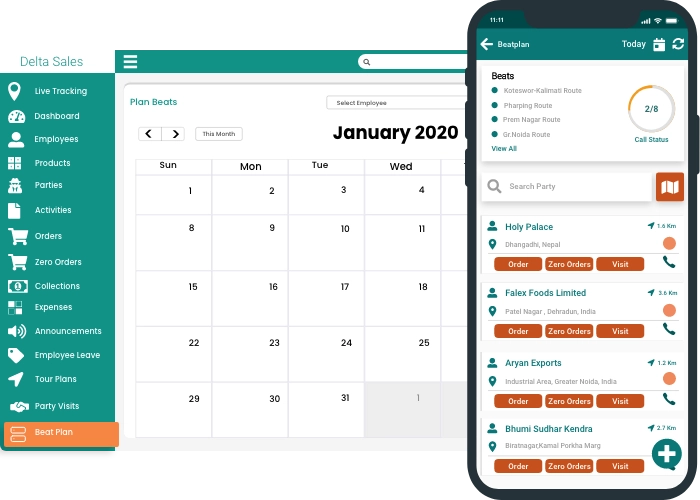
Automated reminders and task tracking through a sales tracking app ensure timely follow-ups, helping reps respond faster and maintain consistent customer engagement.
-
Better Territory Planning
Automated insights reveal high- and low-performing areas, allowing smarter planning through territory sales management systems without manual data analysis.
-
Real-Time Insights for Managers
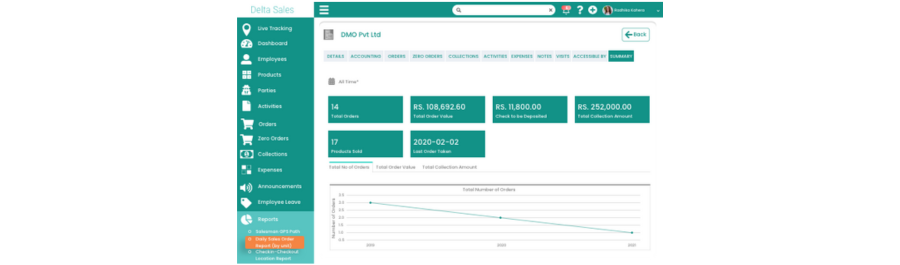
Managers access live dashboards showing visits, performance, and deal progress, enabling quicker decisions through real-time sales reporting and stronger territory control.
-
Reduced Error Rates
Standardized digital formats minimize typos, missed fields, and inconsistencies, strengthening field sales data management and making reports more reliable for analysis.
-
Simplified Daily Reporting
Reps complete daily reports in minutes instead of hours using mobile sales tools, freeing more time for customer meetings and selling activities.
-
Improved Sales Productivity
By reducing administrative workload, automation boosts rep focus on selling, enhancing results with the help of sales productivity tools.
-
Easier Performance Tracking
Automated dashboards track KPIs effortlessly, helping teams measure success consistently using sales performance analytics platforms.
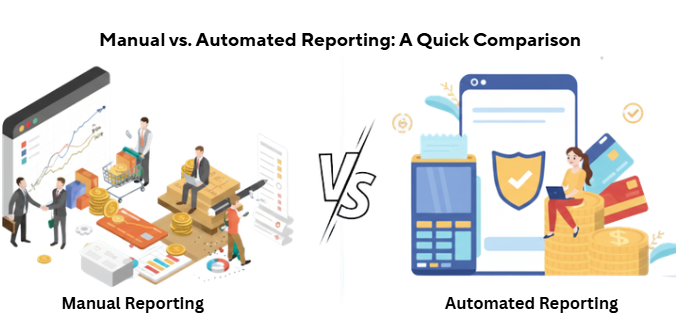
Manual vs. Automated Reporting: A Quick Comparison
|
Aspect |
Manual Reporting |
Automated Reporting |
|
Time spent weekly |
Very high |
Minimal |
|
Accuracy |
Error-prone |
Highly reliable |
|
Real-time visibility |
No |
Yes |
|
Manager follow-up |
Delayed |
Instant |
|
Rep satisfaction |
Low |
High |
|
Scalability |
Difficult |
Easy |
|
Daily reporting effort |
Time-consuming and repetitive |
Quick and simplified |
|
Sales productivity |
Reduced due to admin work |
Increased focus on selling |
|
Territory planning |
Based on limited or outdated data |
Data-driven and dynamic |
|
Performance tracking |
Manual and inconsistent |
Automated and real-time |
Where Manual Reporting Fails and Automation Wins
-
Lack of Accountability
Manual reporting relies heavily on trust and self-reporting, making it difficult to confirm whether customer visits actually took place. Notes can be filled later, altered, or missed altogether. Automated reporting solves this by capturing sales activities tracking in real time with timestamps and location data, creating transparent and verifiable records. Managers gain confidence in field activity data, while reps stay accountable without feeling micromanaged. This clarity helps teams focus on genuine performance rather than assumptions.
-
Limited Customization
Manual reports are often fixed in format and difficult to modify once created. Changing KPIs, adding new metrics, or viewing data from different angles requires extra effort and time. Automated reporting allows sales operations software optimization reports to be easily customized based on business goals, team structure, or sales strategy. Managers can filter data, track specific performance indicators, and adjust reporting views instantly, making sales operations more agile and responsive.
-
Invisible Operational Costs
The true cost of manual reporting goes beyond time spent filling spreadsheets. Reps work overtime to complete reports, lose selling hours, and experience growing frustration. Managers spend extra time reviewing, correcting, and consolidating data. Over time, these hidden costs reduce productivity, impact morale, and slow revenue growth. Automation eliminates these inefficiencies, helping teams save time, reduce burnout, and redirect energy toward revenue-generating activities.

The Bigger Business Impact of Automation
When teams automate reporting, they don’t just save time they sell better.
-
More time with customers: By reducing manual reporting tasks, sales reps spend more time meeting customers, building relationships, and focusing on activities that directly influence sales outcomes.
-
Faster deal cycles: Real-time data and instant updates help teams respond quickly to opportunities, shorten follow-up delays, and move prospects through the sales pipeline more efficiently.
-
Improved sales productivity tools adoption: Easy-to-use automated reporting encourages consistent tool usage, ensuring sales teams fully adopt productivity tools that simplify workflows and improve daily performance.
-
Better forecasting accuracy: Accurate, real-time data improves visibility into pipelines, enabling more reliable sales forecasts and better planning based on current performance trends.
-
Stronger manager-rep alignment: Shared access to real-time reports keeps managers and reps aligned on priorities, performance expectations, and next steps, reducing misunderstandings and improving collaboration.
Over weeks and months, those saved hours turn into measurable revenue growth.
Conclusion
Manual field sales reporting drains valuable time and energy from both reps and managers, leading to delays, errors, and lost opportunities. In contrast, automated reporting transforms the way teams capture, analyze, and act on sales data saving over 10 hours every week. With instant data capture, real-time visibility, and smarter insights, automation empowers reps to spend more time selling and managers to make faster, better decisions.
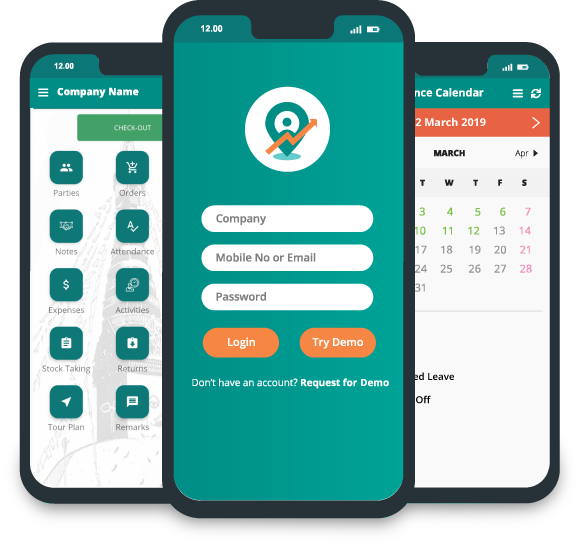
For field sales teams looking to maximize productivity and drive consistent growth, leveraging an intuitive and powerful solution like Delta Sales App can be a game changer. It seamlessly integrates mobile reporting, real-time analytics, and territory management to simplify your entire sales process.
Ready to reclaim your time and boost sales performance? Request a demo of Delta Sales App today and see firsthand how automation can transform your field sales operations.