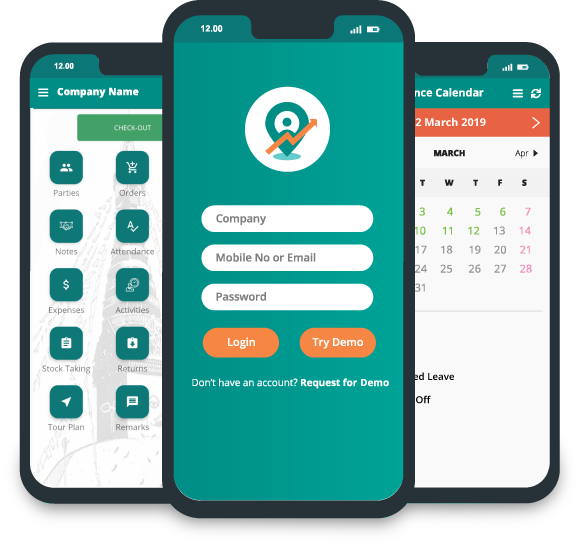

What Modern Sales Leaders Expect from Field Sales Technology

In today's fast-paced and highly competitive business environment, field sales teams face mounting pressure to perform efficiently and deliver results consistently. Modern sales leaders know that their success hinges not just on the skills of their sales reps but also on the technology tools that empower them. Field sales technology has evolved dramatically, offering far more than simple data entry or route planning. But what exactly do sales leaders expect from these tools?
Let’s dive into the key expectations and how they shape the future of field sales.
1. Real-Time Visibility and Accurate Data
One of the most critical demands from sales leadership is real-time visibility into sales activities on the ground. Without up-to-the-minute information on customer visits, orders, and sales rep performance, leaders are essentially flying blind.
Field sales technology today must provide accurate, live data that managers can rely on for quick decision-making. This includes insights into sales rep locations, customer sales tracking, and the status of orders. By having access to this data, managers can monitor productivity, identify bottlenecks, and support their teams more effectively.
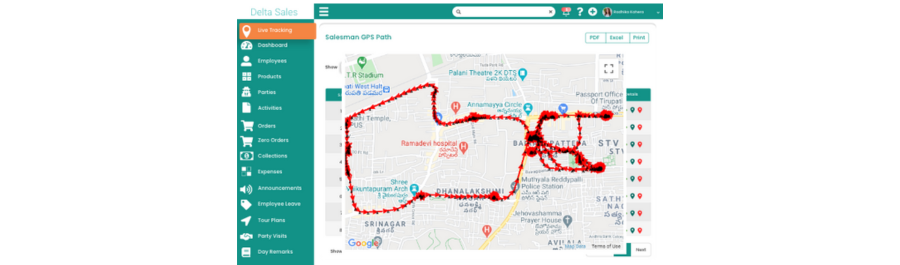
Moreover, accurate data capture reduces the errors and delays caused by manual report submissions, freeing sales reps to focus on selling rather than paperwork.
2. Seamless Customer Tracking and Relationship Management
Building strong, long-lasting customer relationships is the foundation of successful sales. Modern field sales technology must support seamless customer tracking recording every interaction, from calls and visits to emails and order placements.
Sales leaders expect tools that automatically log these interactions, creating a detailed customer history accessible to the entire sales team. This holistic view helps reps personalize their sales approach, anticipate customer needs, and foster trust.
Without this functionality, sales teams risk losing valuable context, leading to missed opportunities and lower customer satisfaction.
3. Integration with Sales Automation and Back-End Systems
Sales processes no longer operate in isolation. For maximum efficiency, field sales technology should integrate smoothly with other sales automation tools, CRM platforms, and back-office systems like inventory and order management.
This integration ensures that data flows seamlessly across departments, eliminating duplication and inconsistencies. For example, order information captured in the field should automatically update inventory and billing systems, reducing processing time and errors.
Sales leaders prioritize technology solutions that support this connected ecosystem, enabling a unified sales operation that accelerates deal closure and improves forecasting accuracy.
4. GPS and Route Optimization for Enhanced Productivity
Time is money, especially for field sales reps who spend hours traveling between customer locations. Sales leaders expect their field sales technology to incorporate GPS tracking and route optimization features.
These capabilities help sales reps plan the most efficient routes, reducing travel time and fuel costs while increasing the number of customer visits per day. Additionally, GPS tracking allows managers to verify that reps are following planned schedules and covering the assigned territories properly.
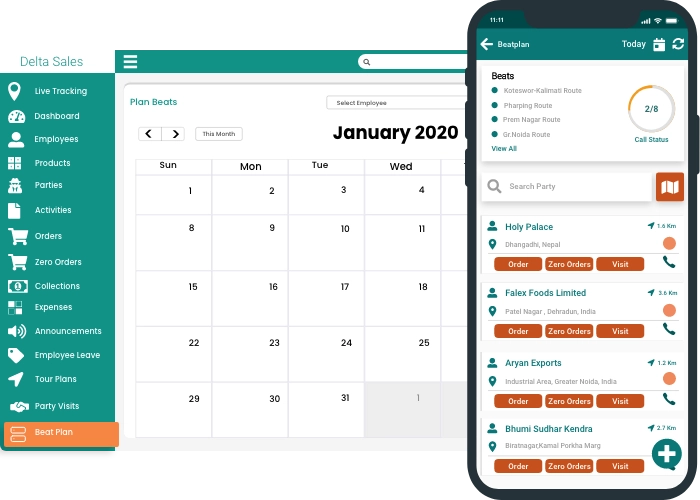
By combining route efficiency with real-time location tracking, sales leaders gain confidence that their teams are operating at peak productivity.
5. Mobile-First and User-Friendly Interfaces
Field sales reps often work on the go, frequently away from desktops or offices. Therefore, modern sales leaders demand technology that is mobile-first, accessible on smartphones or tablets, and easy to use.
A user-friendly interface that requires minimal training encourages quick adoption and reduces errors. When sales reps can effortlessly update customer information, place orders, or log activities from their mobile devices, they spend less time on administrative tasks and more time selling.
Technology that aligns with the mobile nature of fieldwork supports a more agile and responsive sales force.
6. Analytics and Performance Insights
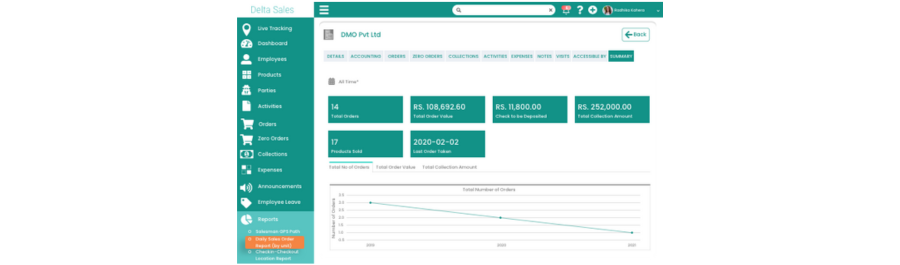
Data without actionable insights is of limited value. Sales leaders want technology that not only collects data but also analyzes it to provide clear performance metrics and trends.
Advanced analytics help identify top-performing reps, high-potential customers, and underperforming areas. These insights guide coaching, territory management, and strategic planning.
Moreover, predictive analytics can forecast sales trends, helping leaders allocate resources more effectively and set realistic targets.
By harnessing data-driven decision-making, sales leaders can continuously improve team performance and drive revenue growth.
7. Customization and Scalability
Every business has unique sales processes and evolving needs. Field sales technology must be customizable to fit specific workflows and scalable to grow with the organization.
Sales leaders expect tools that can adapt to different industries, sales strategies, and team sizes. Customizable dashboards, configurable reports, and flexible workflows allow businesses to tailor technology to their exact requirements.
Scalability ensures that the investment remains valuable as the company expands into new markets or adds sales channels.
8. Security and Compliance
With increasing digitalization, data security has become a top priority. Sales leaders require technology solutions that safeguard sensitive customer and company data.
Field sales technology must comply with industry regulations and data protection laws. Features like encrypted data transmission, user access controls, and secure backups are essential.
Assuring security builds trust not only within the sales organization but also with customers who expect their information to be handled responsibly.

9. Offline Access and Reliability
Field sales reps often work in remote areas with poor or no internet connectivity. Sales leaders expect technology that offers offline access so that reps can continue logging data, managing orders, and accessing customer information without interruption.
Once connectivity is restored, the system should automatically sync all offline activities to the cloud, ensuring no loss of information.
Reliable technology that functions smoothly regardless of connectivity challenges supports uninterrupted sales operations.
Conclusion
Modern sales leaders expect field sales technology to be an all-encompassing solution that drives efficiency, accuracy, and strategic insight. From real-time data visibility and customer tracking to seamless integrations and mobile usability, these tools must empower sales teams to perform at their best.
In a world where sales landscapes are constantly shifting, investing in adaptable, secure, and intelligent sales technology is not just a competitive advantage, it's a necessity.
For organizations looking to enhance their field sales operations, embracing technology with these capabilities can transform everyday challenges into opportunities for growth. To explore robust field sales technology that aligns with these expectations, tools like Delta Sales App offer comprehensive solutions designed to meet the needs of modern sales leaders and their teams.
Book a Free Demo of Delta Sales App Today and see how modern field sales technology empowers leaders to drive higher productivity, stronger customer relationships, and predictable growth.