
How a Sales App Simplifies Your Sales Workflow

In today’s fast-paced market, sales teams juggle leads, customer communication, activity tracking, follow-ups, and reporting, all while chasing targets. Even a small delay or missed update can break the entire sales workflow.
A sales app changes this by streamlining tasks, reducing errors, and ensuring no opportunity is missed. With mobile sales apps, teams work faster, stay connected, and stay organized on the go. This shift has also pushed businesses to compare Mobile CRM vs. Traditional CRM to see which fits modern sales needs.
In this blog, we’ll break down how a sales app simplifies your sales workflow, the challenges it solves, and the benefits it brings to businesses of every size.
What Is a Sales App?
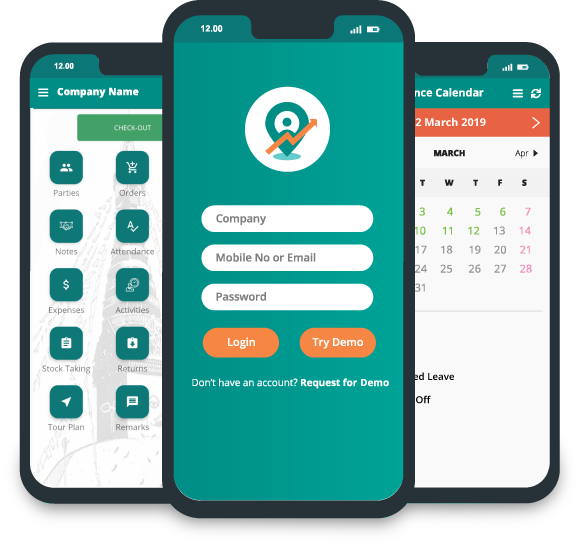
A sales app is a mobile or web-based tool that helps sales teams manage their daily activities more efficiently. It consolidates leads, customer data, meetings, tasks, and reporting into one centralized platform.
Think of it as a personal assistant for every salesperson. Unlike a human assistant, it works 24/7, never forgets details, and instantly provides the information you need.
A sales app replaces scattered spreadsheets, endless email threads, and manual paperwork with a simple, organized, and accessible solution. It’s designed to reduce complexity and make the sales workflow smoother and more predictable.
What Is a Sales Workflow and Why Does It Matter?
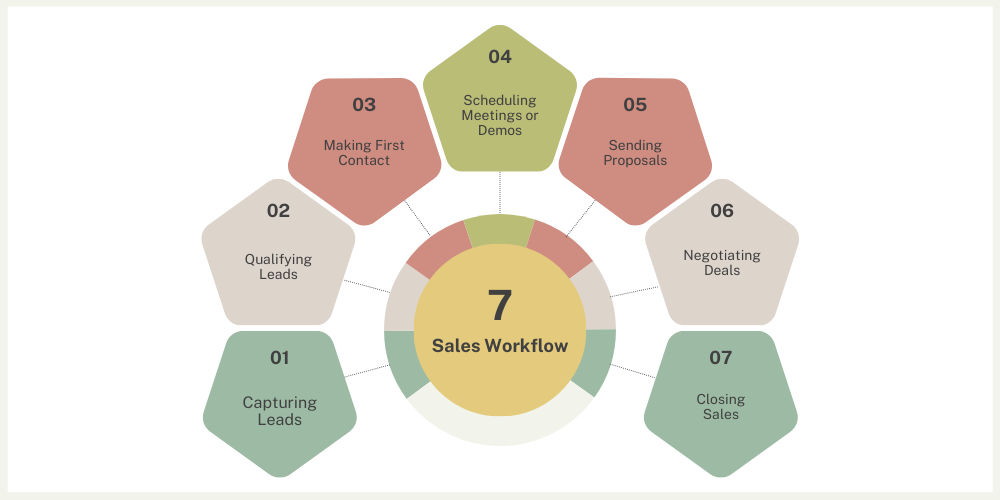
A sales workflow is the structured, step-by-step process that guides a sales team from the first contact with a prospect to the final sale. It acts as a roadmap, ensuring that every lead is managed efficiently and every opportunity is nurtured. Each stage of the workflow contributes to maintaining consistency, improving efficiency, and enhancing the overall customer experience.
Capturing Leads
The first step in the sales workflow is capturing leads. This stage involves identifying potential customers who have shown interest in your product or service. Leads can come from a variety of sources, such as website forms, social media engagement, referrals, or events.
A steady flow of leads keeps the sales pipeline full, ensuring that the business has enough opportunities to pursue. Without effectively capturing leads, even the most skilled sales team would struggle to generate consistent revenue.
Qualifying Leads
Once leads are captured, not all of them will be ready to buy. Lead qualification helps sales teams focus on prospects who are most likely to convert.
By evaluating leads based on criteria like budget, need, authority, and timing, sales teams can prioritize their efforts and allocate resources more efficiently. Qualified leads move through the workflow faster, ensuring that the team invests its energy where it can generate the most value.
Making First Contact
Establishing initial communication with a prospect is a crucial step. The first interaction sets the tone for the relationship and often determines whether the lead will engage further.
A thoughtful and professional first contact builds trust, establishes credibility, and helps sales representatives understand the prospect’s goals and challenges. Strong first impressions can significantly increase the likelihood of a successful sales journey.
Scheduling Meetings or Demos
Once a prospect shows interest, scheduling a meeting or demonstration provides an opportunity to showcase the product or service in a meaningful way.
Demos and meetings allow prospects to visualize how the solution addresses their specific challenges. They also build confidence in the product and the sales team. This stage helps move leads closer to a decision, creating momentum in the sales process.
Following Up on Prospects
Many potential sales are lost due to insufficient follow-up. Consistent communication keeps leads engaged and ensures that no opportunity is overlooked.
Follow-ups allow sales representatives to answer questions, clarify doubts, and reinforce the value of the solution. They maintain engagement and strengthen the relationship, increasing the chances of a positive outcome.
Sending Proposals
After understanding the prospect’s needs, sending a proposal formalizes the opportunity. It outlines the product or service, pricing, and terms, providing clarity to both parties.
A clear proposal reflects professionalism and transparency, helping prospects make informed decisions. It serves as a reference point for discussions and negotiations, ensuring that everyone is aligned before moving toward a final agreement.
Negotiating Deals
Negotiation is an essential stage in the sales workflow, ensuring that both the prospect and the business reach an agreement that is fair and beneficial.
Through effective negotiation, objections can be addressed, value is reinforced, and a mutual understanding is achieved. This stage strengthens the relationship, builds trust, and ensures that the deal closes on favorable terms for both sides.
Closing Sales
Closing the deal is the culmination of the sales workflow. It converts prospects into paying customers and turns effort into measurable results. A smooth and organized closing process reinforces the customer’s confidence and satisfaction.
A smooth sales workflow ensures leads are handled efficiently, follow-ups are timely, and customers receive consistent attention, preventing lost opportunities and inefficiencies.
The Problems With Traditional Sales Workflows
Traditional sales workflows often rely on notebooks, spreadsheets, or disconnected tools. While these methods can work, they come with several challenges:
1. Scattered Information
When customer data is spread across emails, spreadsheets, chat apps, or notebooks, sales reps spend excessive time searching for details. This fragmentation increases the chance of errors and slows down the sales process significantly.
2. Missed Follow-Ups
Sales reps juggling multiple leads often forget timely follow-ups. Missed calls or delayed responses frustrate prospects, reduce conversion chances, and create gaps in the sales pipeline, resulting in lost opportunities and revenue for the business.
3. Time-Consuming Reporting
Manually preparing daily, weekly, or monthly reports takes up valuable hours. Updating spreadsheets and compiling information is prone to errors, delaying insights that managers need to monitor performance, make decisions, and guide the sales team effectively.
4. Poor Team Visibility
Without a centralized system, managers struggle to track field activities, lead progress, and team performance in real time. This lack of visibility makes it difficult to identify bottlenecks, support reps, or optimize the sales workflow efficiently.
5. Inefficient Team Coordination
Relying on calls, texts, or scattered communication tools causes delays and misunderstandings. Teams lack a shared view of tasks, leads, and updates, leading to duplicated efforts, confusion, and slower progress in managing prospects and closing deals.
6. High Workload
Manual tasks like logging data, updating records, and tracking activities consume hours that could be spent selling. This administrative burden lowers productivity, drains energy, and prevents sales reps from focusing on high-value activities that drive revenue.
How a Sales App Simplifies Your Sales Workflow
A sales app has the power to transform traditional, cumbersome sales processes into a streamlined, efficient, and productive workflow. This is why many growing organizations explore the Top Mobile Sales Apps for Growing Businesses to identify the most feature-rich and scalable solutions.
Let’s explore how a sales app simplifies every aspect of your sales workflow.
Centralized Lead Management
One of the biggest challenges in sales is managing leads scattered across different tools and platforms. A sales app consolidates all leads into a single, organized dashboard, giving sales teams full visibility of their pipeline.
With centralized lead management, a sales app can:
-
Store all leads in one place, ensuring organized access and no lost opportunities.
-
Assign leads to the right salesperson automatically, matching skills and availability efficiently.
-
Sort leads by priority, stage, or location for better pipeline visibility.
-
Send reminders for follow-ups, keeping prospects engaged and tasks on schedule.
-
Track lead progress from start to finish, ensuring consistent customer management and accountability.
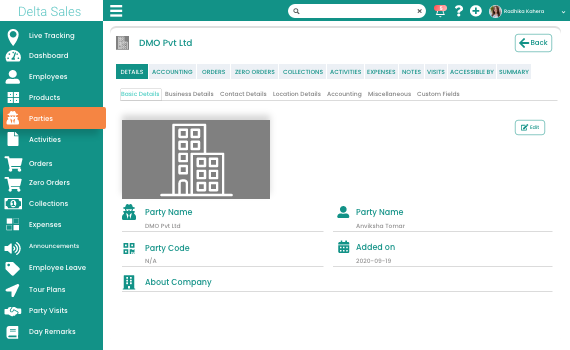
Imagine walking into an office filled with scattered papers versus a space with neatly labeled files. A sales app brings that same sense of order to your workflow. No lead is ever overlooked, and every opportunity is nurtured efficiently from the moment it enters the system.
Quick Access to Customer Information
Sales success depends on having the right information at the right time. A sales app provides instant access to customer details, eliminating the need to search through multiple files, emails, or chat threads.
Reps can access:
-
Access contact information instantly for seamless communication and personalized interactions.
-
View interaction history to understand previous conversations and engagement patterns.
-
Analyze purchase patterns to tailor recommendations and anticipate customer needs.
-
Review notes from previous calls for context before each interaction.
-
Track customer preferences to deliver customized solutions and improve satisfaction.
-
See pending tasks to stay organized and prioritize important actions.
With all this data at their fingertips, sales reps can have informed, personalized conversations. This not only builds confidence during customer interactions but also enhances the overall customer experience, ensuring clients feel understood and valued.
Automates Daily Tasks and Reduces Manual Work
Manual tasks like logging meetings, updating spreadsheets, and submitting reports can consume hours every week. A sales app automates these repetitive tasks, freeing up time for activities that directly impact sales.
It can automate:
-
Automate daily reporting to save time and ensure accurate updates.
-
Update lead statuses automatically to reflect real-time pipeline changes.
-
Track attendance without manual input, reducing errors and administrative burden.
-
Record check-ins and check-outs efficiently, monitoring field activities seamlessly.
-
Log meetings and calls automatically, maintaining comprehensive activity records.
By reducing the administrative burden, sales reps can focus on connecting with prospects, nurturing leads, and closing deals. Automation also reduces errors that occur with manual entry, ensuring data accuracy and reliability across the workflow.
Improves Follow-Ups and Task Planning
Even the most promising leads can go cold without timely follow-ups. A sales app keeps every prospect engaged by providing structured follow-up systems and organized task planning.
It helps with:
-
Receive automatic reminders for follow-ups, preventing leads from going cold.
-
Use daily task lists to stay organized and prioritize critical actions.
-
Prioritize high-value leads to maximize conversion potential.
-
Get alerts for overdue tasks, ensuring timely responses.
-
Plan meetings efficiently with structured scheduling tools.
This consistency ensures that no lead is forgotten and that sales teams are always on top of their tasks. It also improves conversion rates, as prospects feel attended to and valued throughout their journey.
Enhances Collaboration Across the Team
Sales is rarely a solo effort. Teams need to communicate, share updates, and coordinate efficiently. A sales app acts as a centralized platform where everyone from field reps to managers stays aligned.
It simplifies collaboration by:
-
Share updates instantly between managers and team members.
-
Enable reps to exchange notes and insights for better coordination.
-
Update product or pricing details in real time for consistent messaging.
-
Maintain a single source of truth to avoid confusion.
By streamlining communication, a sales app reduces misunderstandings, accelerates workflows, and ensures the entire team is working toward shared goals.
Helps Track Field Activities Easily
For field sales teams, knowing where reps are and what they are doing is crucial. A sales app provides clear visibility into field operations, helping managers monitor activities without micromanaging.
It provides:
-
Log customer visits and outcomes to maintain performance records.
-
Optimize travel routes for efficiency, saving time and resources.
-
Monitor field performance clearly to evaluate productivity and effectiveness.
-
Use GPS tracking to monitor sales reps accurately in real time.
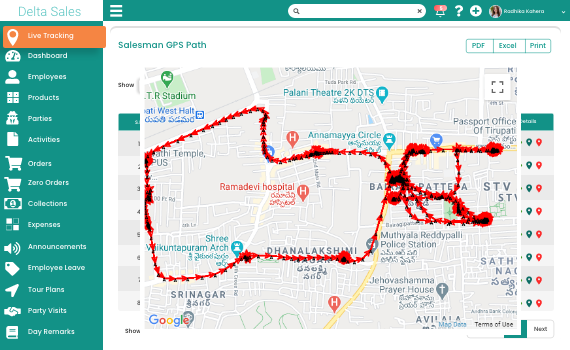
This functionality ensures accountability, reduces guesswork, and helps managers identify areas where additional support or training may be needed.
Makes Reporting Effortless
Reporting is often one of the most time-consuming tasks for sales teams. A sales app simplifies reporting by automatically capturing activities and generating real-time insights.
It allows managers to:
-
Automatically capture daily activities to maintain accurate records.
-
Generate real-time dashboards for quick insights into performance.
-
Summarize team performance efficiently, saving managerial time.
-
Track trends in lead progression and sales for strategic planning.
Instant, accurate reporting saves hours of manual work and enables managers to make timely, data-driven decisions that improve the efficiency and effectiveness of the sales workflow.
Supports Smarter Decision-Making
With all data centralized and updated in real time, a sales app empowers sales leaders to make smarter decisions. Visibility into key metrics ensures that strategy is informed and actionable.
Managers can see:
-
Identify the most promising leads to focus resources effectively.
-
Track product performance to optimize sales strategies.
-
Monitor reps needing additional support for better guidance.
-
Analyze regional sales trends to inform expansion plans.
-
Detects workflow bottlenecks for continuous improvement.
These insights help businesses choose wisely when comparing Free vs. Paid Sales Tracking Apps, based on long-term value and analytical depth.
Why a Sales App Is Essential for Your Business
Here are the key benefits that a sales app brings to your business:
-
Faster Sales Cycles: A sales app streamlines lead management, automates repetitive tasks, and organizes the workflow, enabling sales reps to process leads faster and close deals more efficiently.
-
Increased Productivity: By reducing manual work like logging calls or updating spreadsheets, a sales app allows sales reps to focus more on selling and nurturing prospects effectively.
-
Zero Missed Opportunities: Automatic reminders, structured task lists, and prioritized follow-ups ensure every lead is attended to promptly, preventing lost opportunities and increasing conversion chances.
-
Improved Customer Experience: Customers receive consistent communication, timely responses, and personalized interactions, which strengthens trust, satisfaction, and loyalty throughout the sales journey.
-
Stronger Team Performance: Sales managers can monitor activities, coach reps, and track performance in real time, helping the team achieve higher efficiency and better results.
-
Cost Efficiency: Automation reduces manual errors, streamlines operations, and saves time, resulting in lower operational costs while allowing teams to achieve more with fewer resources.
Who Can Benefit From Using a Sales App?
A sales app is not limited to large enterprises, it brings value to businesses of all sizes and industries. Any team that manages leads, customers, or sales processes can benefit from a streamlined workflow and organized operations.
Here’s a closer look at who can gain the most from using a sales app:
-
Small and Medium Businesses: A sales app helps efficiently manage leads, automate repetitive tasks, and compete with larger competitors without adding extra resources or complexity.
-
Field Sales Teams: Track visits, route planning, log activities, and receive follow-up reminders, significantly improving productivity and efficiency while working on the go.
-
Distribution Networks: Maintain visibility over stock levels, orders, and sales performance across regions, enabling faster decision-making, better coordination, and smoother supply chain operations.
-
FMCG Companies: Monitor field representatives, track sales trends, and ensure consistent product availability across outlets, guaranteeing timely delivery and enhanced customer satisfaction.
-
Pharma and Healthcare Teams: Organize client interactions, track doctor visits, schedule follow-ups, and maintain compliance with documentation, improving efficiency and regulatory adherence.
-
Real Estate Agents: Manage property listings, track client communications, schedule showings, and close deals faster, delivering better customer service and higher productivity.
-
Manufacturing Businesses: Streamline sales orders, track distributors and retailers, maintain accurate records of customer interactions, and improve efficiency across sales operations.
-
Retail and Wholesale: Monitor sales teams, manage promotions, inventory management, and optimize operations to maximize revenue and reduce operational inefficiencies.
-
Service Providers: Track client appointments, follow-ups, and project progress, ensuring timely delivery, better organization, and enhanced customer satisfaction across all engagements.
Final Thoughts:
A disorganized sales workflow slows down your business and limits growth potential. A sales app transforms your sales process by bringing order, efficiency, and accountability to every task.
From managing leads to tracking field activities, improving follow-ups, and simplifying reporting, a sales app touches every aspect of the sales workflow. It reduces stress for reps, provides visibility for managers, and ensures customers receive consistent attention.
Ready to streamline your sales process? Book a demo of Delta Sales App and transform the way your team works.