
27 High-Growth Sales Tips for Field Teams in 2026

Field sales in 2026 are evolving faster than ever. Traditional approaches : manual order booking, guess-based route planning, and delayed reporting are no longer enough to drive consistent growth. Rising competition, tighter margins, digitally savvy retailers, and expanding territories demand smarter field sales execution.
Modern field sales success is dependent on visibility, data accuracy, sales productivity, retail coverage, and real-time decision-making. FMCG brands and field sales leaders must provide their teams with the necessary strategies and tools to effectively sell on the ground.
In this blog, we will go over 27 specific, actionable field sales tips to help sales teams improve execution quality, outlet coverage, order value, and revenue growth in 2026.
1. Define Daily, Weekly, and Monthly Sales Targets
Field representatives can maintain focus and alignment with business objectives with clear targets. Setting goals at the daily, weekly, and monthly levels facilitates real-time performance monitoring and enhances execution discipline. Instead of waiting for month-end reports, managers can continuously monitor progress with digital sales tools.
Why it matters:
-
Aligns daily sales activity with revenue goals: improves execution clarity
-
Improves performance tracking: enables real-time visibility
-
Reduces month-end pressure: promotes consistent selling

2. Build Smart Beat Plans for Maximum Coverage
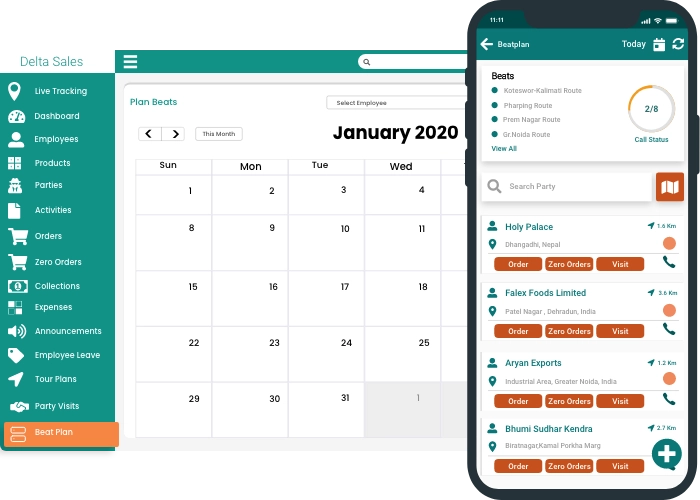
Beat planning ensures optimized route planning and consistent market coverage. A data-driven beat plan reduces travel time, improves visit productivity, and ensures no outlet is missed. This is critical for FMCG field sales efficiency.
Key benefits:
-
Reduces travel time : increases productive selling hours
-
Prevents missed outlets: improves retail coverage
-
Improves route efficiency: lowers operational cost
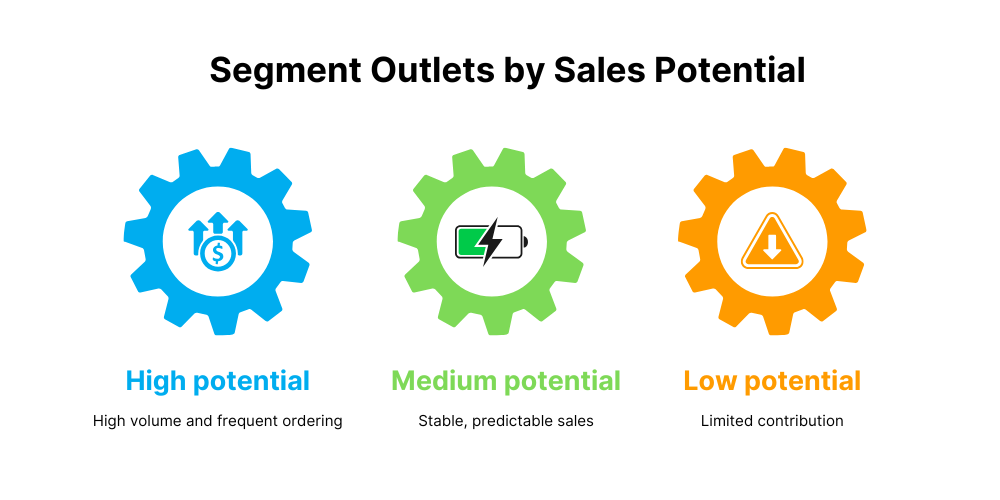
3. Segment Outlets by Sales Potential
Based on sales potential, past performance, and growth potential, outlet segmentation assists in ranking high-value retailers. This guarantees the best possible use of field sales resources and raises the average order value.
Outlet types:
-
High potential: high volume and frequent ordering
-
Medium potential: stable, predictable sales
-
Low potential: limited contribution
4. Eliminate Manual Reporting
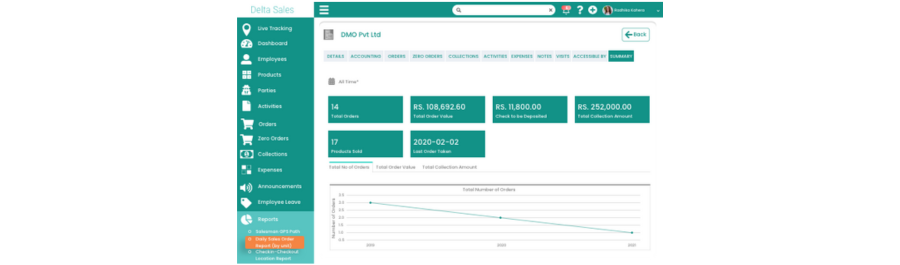
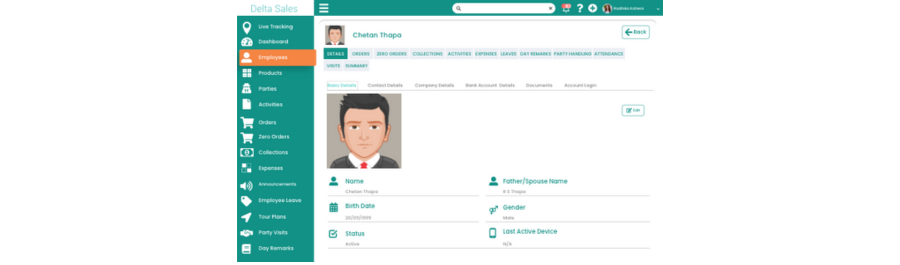
Manual sales reporting delays insights and increases errors. Digital reporting through a sales force automation (SFA) tool enables real-time data capture, faster analysis, and improved field sales productivity.
Benefits
-
Saves rep time: reduces administrative workloa
-
Improves data accuracy: minimizes manual errors
-
Enables real-time visibility: faster decision-making
5. Standardize the Sales Pitch
Consistent brand messaging across regions is ensured by a standardized sales pitch. It boosts retailer confidence and aids representatives in clearly communicating schemes, pricing, and product value.
What it includes:
-
Product benefits: clear value proposition
-
Pricing clarity: avoids confusion
-
Active schemes: improves conversion
6. Focus on Secondary Sales, Not Just Primary
Real product movement at retail is revealed by secondary sales tracking. It aids FMCG companies in better understanding consumer demand, avoiding channel stuffing, and making more precise replenishment plans.
Key advantages:
-
Shows true market demand: reflects retail sell-out
-
Improves forecasting: better stock planning
-
Reduces inventory buildup: healthier distribution
7. Ensure SKU Availability and Visibility
Sales conversion is directly impacted by SKU availability and shelf visibility. To avoid lost sales as a result of stock-outs, field representatives should keep an eye on shelf placement and stock availability.
Key actions:
-
Check shelf stock: avoids missed sales opportunities
-
Report stock-outs: enables quick replenishment
-
Ensure correct placement: improves brand visibility
8. Track Store Visits with GPS Verification
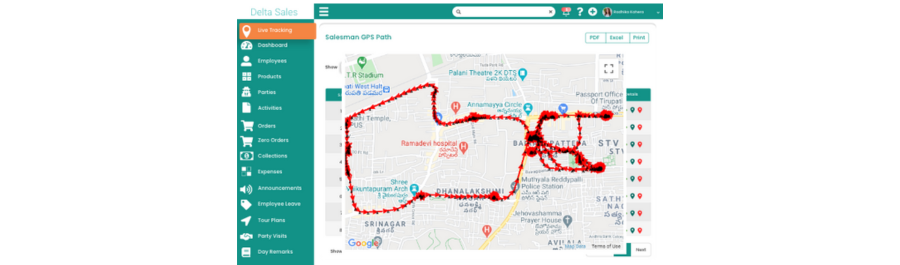
GPS- tracking ensures sales visit authenticity and improves field accountability. Managers can verify outlet visits, analyze visit duration, and ensure route compliance.
Why it helps:
-
Confirms actual store visits: improves transparency
-
Tracks visit duration: measures visit quality
-
Improves compliance : ensures beat adherence
9. Use Historical Order Data to Sell Smarter
Historical order data enables data-driven selling by predicting reorder cycles and recommending optimal quantities. This improves strike rate and average order value.
How it helps:
-
Predicts reorder pattern: timely follow-ups
-
Enables cross-selling: relevant SKU suggestions
-
Reduces guesswork: smarter selling
10. Push High-Velocity SKUs First
High-velocity SKUs encounter less retailer resistance and sell more quickly. Starting with these products increases order closure rates and creates upselling opportunities.
Why it works:
-
Faster acceptance: low-resistance products
-
Higher strike rate: better conversion
-
Improves order value : upsell opportunity
11. Enable Real-Time Field Visibility for Managers
Managers can keep an eye on sales activity and offer immediate advice thanks to real-time field visibility. This closes performance gaps and enhances field execution.
Manager benefits:
-
Live rep location: better supervision
-
Instant issue resolution: faster decisions
-
Improved coaching: timely feedback
12. Monitor Inventory Levels in Real Time
Real-time inventory visibility prevents overbooking and failed orders. It ensures sales reps commit only available stock, improving retailer trust.
Business impact:
-
Fewer order disputes: accurate commitments
-
Faster fulfillment: smooth delivery
-
Higher retailer trust: reliability
13. Plan Follow-Ups Using Sales Data
Data-driven follow-ups ensure reps revisit outlets at the right time based on reorder cycles and purchase history.
Why it matters:
-
Timely reorders: consistent secondary sales
-
Higher strike rate: productive visits
-
Efficient scheduling: better time utilization
14. Strengthen Retailer Relationships
Long-term loyalty and repeat business are fueled by strong relationships with retailers. Brand preference is increased by consistent engagement and dependable service.
Relationship drivers:
-
Regular visits: consistent presence
-
Clear communication: fewer disputes
-
Reliable service : stronger trust
15. Train Reps on Objection Handling
Sales confidence and closure rates are increased by objection handling training. Representatives should be equipped to deal with issues pertaining to schemes, pricing, and competition.
Common objections:
-
Price concerns: value-based selling
-
Competition: differentiation clarity
-
Scheme confusion : better explanation
16. Ensure Route and Beat Compliance
Route compliance guarantees that actual execution corresponds with planned coverage. Keeping an eye on this prevents missed outlets and enhances discipline.
Why it helps:
-
Prevents skipped outlets: full coverage
-
Improves discipline: consistent execution
-
Ensures accountability: measurable activity
17. Track Key Performance Indicators (KPIs)
KPIs convert field activity into measurable insights. Tracking sales KPIs helps identify performance gaps and coaching needs.
Core KPIs:
-
Coverage ratio: market reach
-
Strike rate: conversion efficiency
-
Average order value: revenue quality
18. Digitize Order Booking
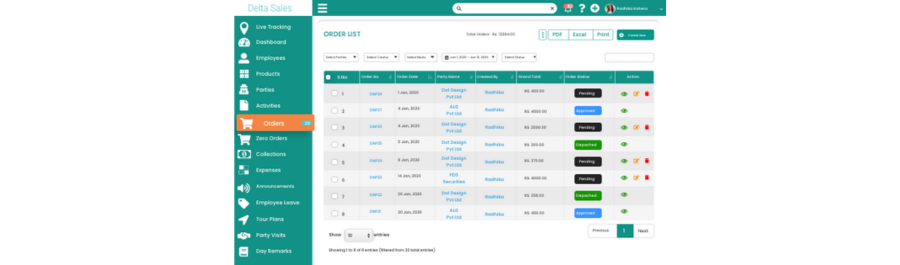
Digital order booking eliminates manual errors and accelerates order processing. It improves coordination between sales, distribution, and finance teams.
Key benefits:
-
Accurate pricing: fewer disputes
-
Faster approvals: quicker fulfillment
-
Better coordination: smooth operations
19. Capture Market Feedback During Visits
Field representatives monitor the market in real time. Agile decision-making is aided by gathering retailer input, competitor pricing, and changes in demand.
Feedback includes:
-
Competitor pricing: market benchmarking
-
Demand trends: product planning
-
Retailer feedback : execution improvement
20. Automate Attendance and Task Tracking
Transparency and workforce discipline are enhanced by automated attendance tracking. Accurate payroll and productivity measurement are also guaranteed.
Why automation helps:
-
GPS-based attendance: accuracy
-
Fair payroll: trust building
-
Clear accountability: discipline
21. Adjust Visit Frequency by Outlet Type
Time management and sales productivity are enhanced by optimizing visit frequency. More focus is given to high-potential outlets.
Visit strategy:
-
High potential: frequent visits
-
Medium: regular visits
-
Low: limited visits
22. Track Scheme Performance in Real Time
Scheme tracking in real time reveals which promotions produce the best results. Better scheme execution and quicker optimization are made possible by this.
Benefits:
-
Faster adjustments: agile execution
-
Better scheme visibility: rep confidence
-
Improved ROI: higher sales lift
23. Reduce Repetitive Admin Tasks
Reducing admin work allows reps to focus on selling and retailer engagement. Automation improves morale and productivity.
Admin tasks reduced:
-
Manual data entry: time-saving
-
Reporting: faster insights
-
Follow-ups: automation
24. Improve Follow-Up Discipline
To turn intent into actual sales, follow-ups must be timely and consistent. Many orders are lost due to delayed or forgotten follow-ups rather than retailers' lack of interest. Higher conversion and repeat business result from sales representatives visiting retailers at the appropriate time, whether for order confirmation, replenishment, or scheme reminders, thanks to an organized follow-up process.
Using sales data and reminders, follow-ups become proactive instead of reactive. This improves retailer confidence, strengthens relationships, and ensures no sales opportunity slips through the cracks.
Impact of strong follow-ups:
-
Higher repeat orders: improves secondary sales consistency
-
Better order closure: converts discussions into revenue
-
Stronger retailer trust: builds long-term relationships

25. Coach Using Real Field Data
Effective sales coaching in 2026 must be driven by field sales analytics and performance metrics, not assumptions. By using rep-wise sales performance data, managers can track coverage ratio, strike rate, visit productivity, and average order value to identify gaps and improvement opportunities. This data-driven approach to field sales coaching enables targeted training, fair performance evaluation, and consistent execution across territories.
When coaching is supported by real-time sales dashboards and sales KPI tracking, teams improve faster and maintain higher execution standards.
Coaching benefits:
-
Identifies skill gaps: enables focused training
-
Improves consistency: standardizes sales execution
-
Removes bias: fair and transparent evaluations
26. Align Sales, Distribution, and Supply Teams
Order disputes, delayed deliveries, and a bad retailer experience are frequently caused by misalignment between the supply chain, sales, and distribution teams. By bringing these teams together through shared data and visibility, it is ensured that everyone has access to the same information regarding orders, inventory, and delivery schedules.
Order fulfillment is quicker and more dependable when sales commitments align with supply planning and inventory availability. Retailer trust is strengthened, and operational efficiency is enhanced by this coordination.
Alignment results:
-
Faster order fulfillment: improves retailer satisfaction
-
Fewer disputes: reduces cancellations and delays
-
Better service consistency: strengthens brand credibility
27. Adopt Sales Automation to Scale Faster
Scaling field sales operations without adding more complexity requires sales automation. Businesses obtain total visibility and control over field execution by digitizing attendance, visit tracking, order booking, reporting, and analytics into a single, integrated platform.
Automation increases productivity, guarantees consistent execution across regions, and permits data-driven decision-making. Sales automation lays the groundwork for scalable, sustainable growth as the company expands.
Why automation is essential:
-
End-to-end visibility: real-time insights across operations
-
Execution control: standardized processes at scale
-
Sustainable growth: supports expansion without chaos
Why These Field Sales Tips Matter in 2026
In 2026, field sales will operate in a much more competitive and complex environment than in the past. FMCG companies must contend with declining profit margins, growing operational expenses, rising retailer expectations, and a market that demands consistency, speed, and accuracy. Manual reporting, unstructured visits, and delayed visibility are examples of traditional sales techniques that are no longer adequate to promote long-term growth.
Because they emphasize execution excellence rather than just strategy, these field sales tips are important. Growth in 2026 will depend on how well field teams cover the market, turn visits into orders, guarantee SKU availability, and react fast to real-time data. Companies that use secondary sales visibility, KPI-driven performance tracking, and organized beat planning have a distinct advantage when making decisions and carrying them out.
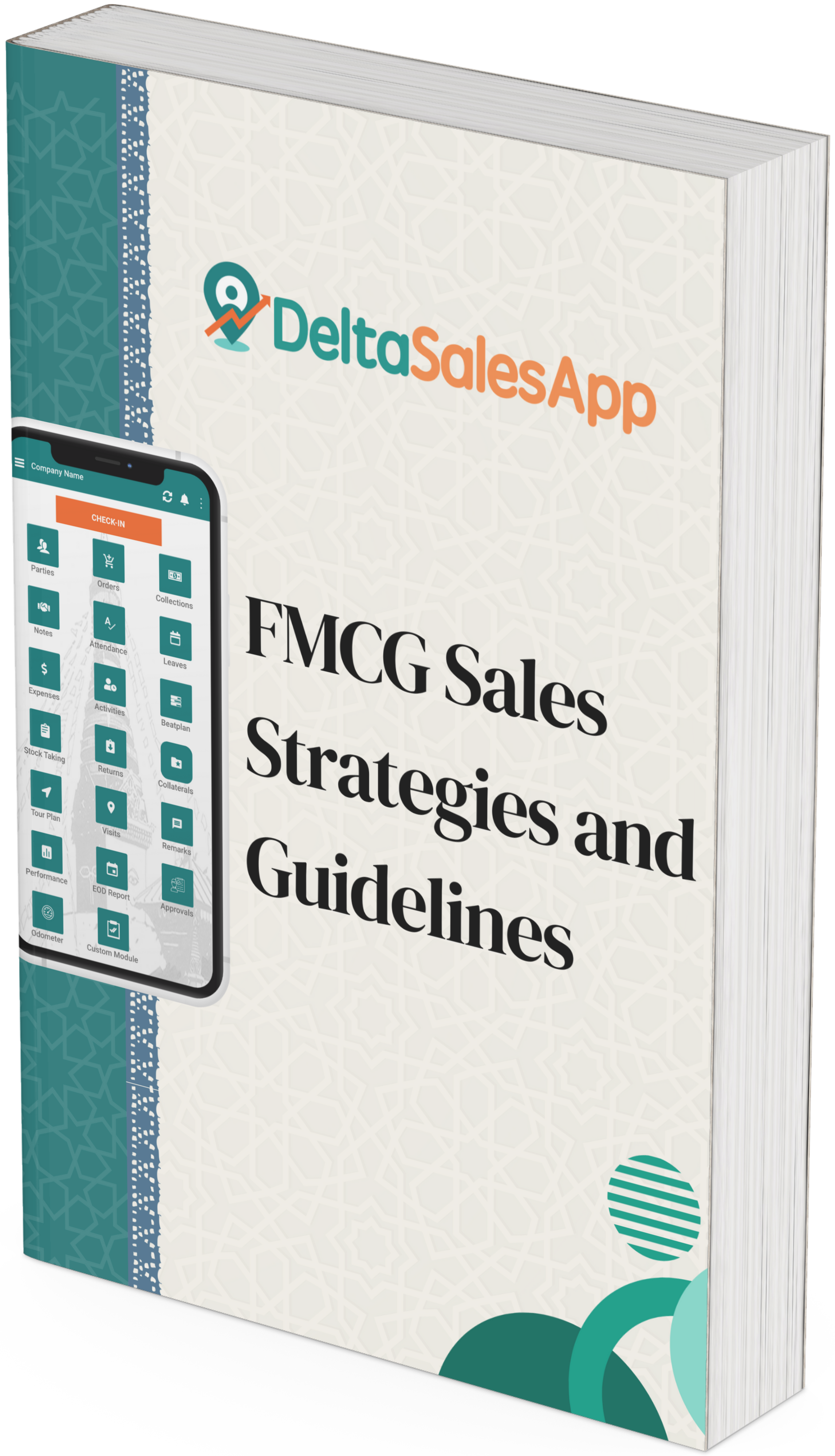
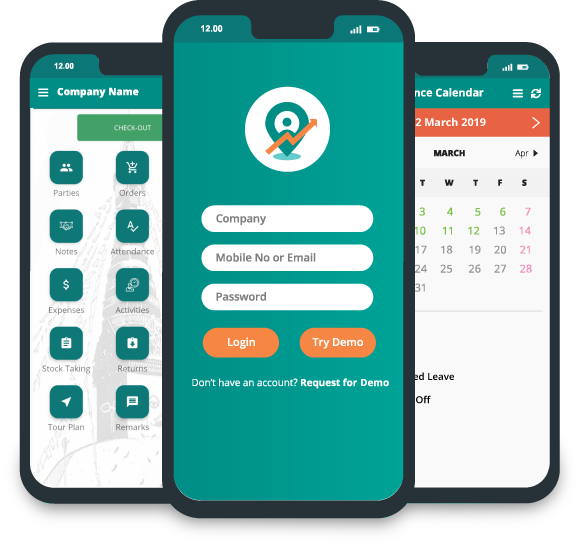
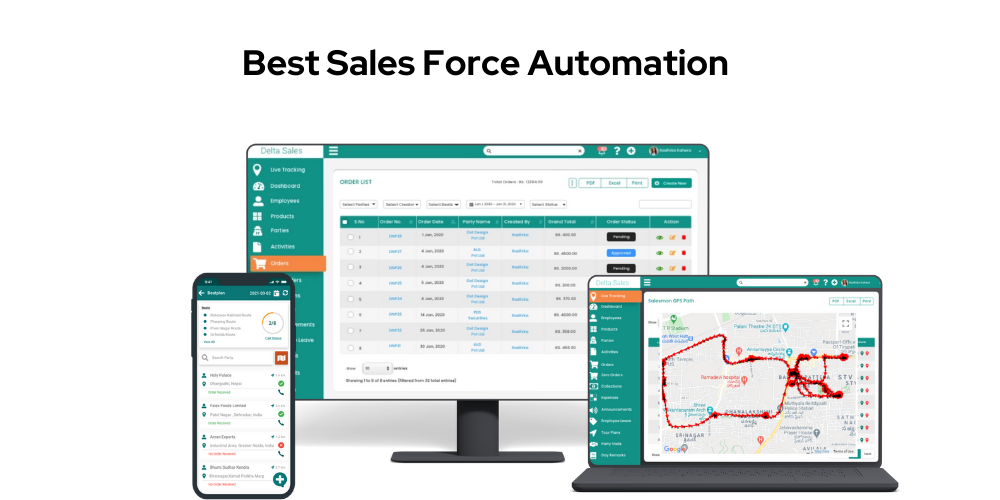
Above all, technology-led discipline is necessary for modern field sales success. Real-time tracking, data-driven follow-ups, inventory visibility, and performance analytics are all made possible by sales automation platforms like DeltaSales App, which transform field work into quantifiable business results. Teams that don't modernize run the risk of losing control over market share, productivity, and execution.
Conclusion
In 2026, teams' performance on the ground will determine their level of success in field sales, not the number of outlets they visit. Brands that apply discipline to surpass planning, use data to motivate follow-ups, monitor performance using KPIs, and preserve real-time visibility across sales, inventory, and distribution will prevail. This guide's 27 field sales tips are intended to assist FMCG brands and distributors in transitioning from manual, reactive selling to structured, data-driven execution, giving sales teams the knowledge and resources they need to boost output, fortify their relationships with retailers, and consistently increase secondary sales.
Ready to Scale Your Field Sales in 2026?
Use the DeltaSales App today to turn these tactics into tangible outcomes. In 2026, start scaling more quickly and selling more intelligently.