
How FMCG Distributors Streamline Van Sales Operations
In the fast-paced world of fast-moving consumer goods (FMCG), distribution efficiency defines how well brands perform at the retail shelf. While marketing, product quality, and pricing matter, the real impact is felt when products reach stores at the right time, in the right quantity, and at the right cost. Van sales operations play a crucial role in this process, ensuring products move seamlessly from distributor warehouses to retail outlets across both urban and rural markets.
Van sales have transformed from simple delivery routines into highly structured field operations that involve order collection, inventory management, digital invoicing, route planning, and market visibility. Modern distributors increasingly rely on FMCG Sales Automation to streamline these processes, reduce manual effort, and enhance overall operational efficiency.
This blog explores how FMCG distributors optimize van sales operations to strengthen availability, drive efficiency, and improve “FMCG Retail Execution” across markets.
Understanding Van Sales Operations in FMCG
Van sales operations refer to the process where distributors supply goods directly to retail stores using sales vans. Salespeople (often called van sellers) perform multiple tasks during their daily routes, such as:
-
Delivering products
-
Taking new orders
-
Managing returns and replacements
-
Issuing invoices
-
Collecting payments
-
Monitoring competitor products
-
Ensuring product visibility and merchandising
Unlike the traditional pre-sales model where orders are taken first and deliveries occur later, van sales involve sales and delivery happening in a single visit. This model is widely preferred in FMCG environments that require frequent replenishment, quick turnaround, and agility.
However, operating a van sales model efficiently requires coordination across inventory planning, finance, territory management, and on-ground sales activities.
Why Streamlining Van Sales Operations Matters
The benefits of efficient van sales operations extend across the entire distribution chain. Distributors who invest in process optimization typically experience:
-1766140807.png)
-
Higher Product Availability: Retailers expect consistent supply. Out-of-stock situations directly translate to lost sales for both the distributor and the brand. Streamlined van sales ensure frequent replenishment cycles and proactive stock planning.
-
Faster Market Coverage: With optimized routes and pre-planned beat cycles, van sellers can cover more outlets per day. Sales Automation to Increase Market Coverage helps distributors serve more retailers efficiently while reducing travel time.
-
Stronger FMCG Retail Execution: Ensuring the right SKUs are available, priced correctly, and positioned effectively in stores is crucial. Efficient van sales reinforce better in-store visibility, merchandising, and stock rotation.
-
Improved Control Over Primary vs. Secondary Sales: Distributors often struggle to maintain clear visibility between primary sales (brand → distributor) and secondary sales (distributor → retailer). Streamlined van sales operations help capture real-time secondary sales data, providing accurate demand forecasting and preventing overstocking or understocking.
-
Reduced Operational Costs: Automation, route optimization, and digital tracking minimize fuel consumption, paperwork, repetitive tasks, and inventory losses, resulting in significant cost savings.
-
Better Retailer Relationships: Retailers value reliability. When van sellers follow timely schedules, provide accurate billing, and maintain professionalism, retailers are more likely to prioritize the distributor's products.
Key Challenges were FMCG Distributors Face in Van Sales Operations
Despite their importance, van sales processes are often complex. Distributors commonly face issues such as:
-
Manual Paperwork and Inefficiency: Traditional van sales depend on handwritten invoices and manual stock entries, causing delays, calculation mistakes, and inconsistent recordkeeping. This slows operations and makes real-time monitoring extremely difficult for distributors.
-
Poor Route Planning: Without structured beat plans or route optimization tools, van sellers often follow random paths, wasting fuel, missing key outlets, and reducing the total number of stores covered each day.
-
Difficulty Tracking Inventory: Manual inventory checks lead to stock discrepancies, unnoticed damages, and higher risk of pilferage. Inaccurate van stock records make replenishment planning challenging and reduce overall operational control.
-
Incomplete Visibility of Secondary Sales: Distributors often lack real-time insights into store-level sales, making it difficult to measure actual demand, track SKU movement, and differentiate between primary and secondary sales accurately.
-
Limited Data for Decision Making: Without automated data collection, distributors struggle to analyze performance trends. Lack of insights on route efficiency, outlet coverage, and product performance limits strategic planning and improvements.
-
Cash Handling Risks: Cash-based transactions expose distributors to theft, misreporting, and reconciliation issues. Manual cash handling increases financial risks and complicates accounting, especially when multiple vans operate simultaneously.
How Distributors Streamline Van Sales Operations
Modern distributors are increasingly adopting structured processes and digital tools to bring efficiency, accuracy, and transparency into their van sales systems.
Below are the most important strategies:
-
Digitizing the Van Sales Process
Digitization enables van sellers to create invoices instantly, record orders accurately, update stocks automatically, and sync data with the head office, significantly reducing manual effort, errors, and operational delays.
-
Implementing Route & Beat Optimization
Route optimization tools help van sellers follow the most efficient path based on traffic, priority outlets, and demand history, increasing daily coverage while minimizing travel time, fuel usage, and operational costs.
-
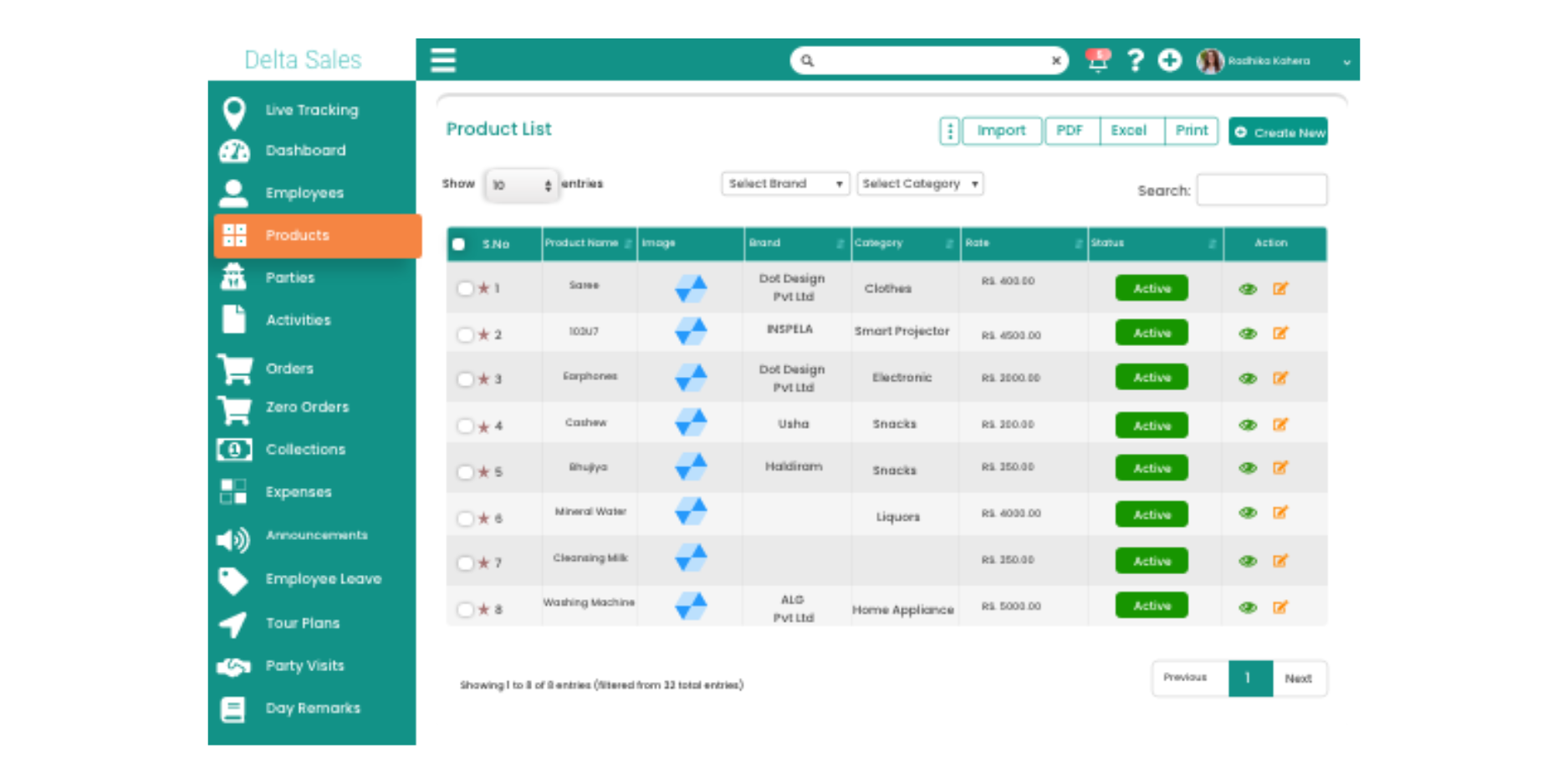
Real-Time Inventory Management for Vans
Real-time stock tracking ensures vans carry the right SKU mix, automatically deducts sold items, triggers low-stock alerts, and improves replenishment planning, reducing pilferage, discrepancies, and store-level stockouts.
-
Strengthening FMCG Retail Execution Through Van Sales
Van sellers enhance FMCG Retail Execution by monitoring shelves, checking planograms, gathering competitor insights, tracking expiries, and ensuring promotional compliance, resulting in better visibility, brand impact, and retail performance.
-
Clear Visibility in Primary and Secondary Sales
Digitized systems provide accurate daily secondary sales data, helping distributors distinguish demand patterns, optimize stock purchases, prevent excess inventory, reduce expiry losses, and improve forecasting for both warehouse and field teams.
-
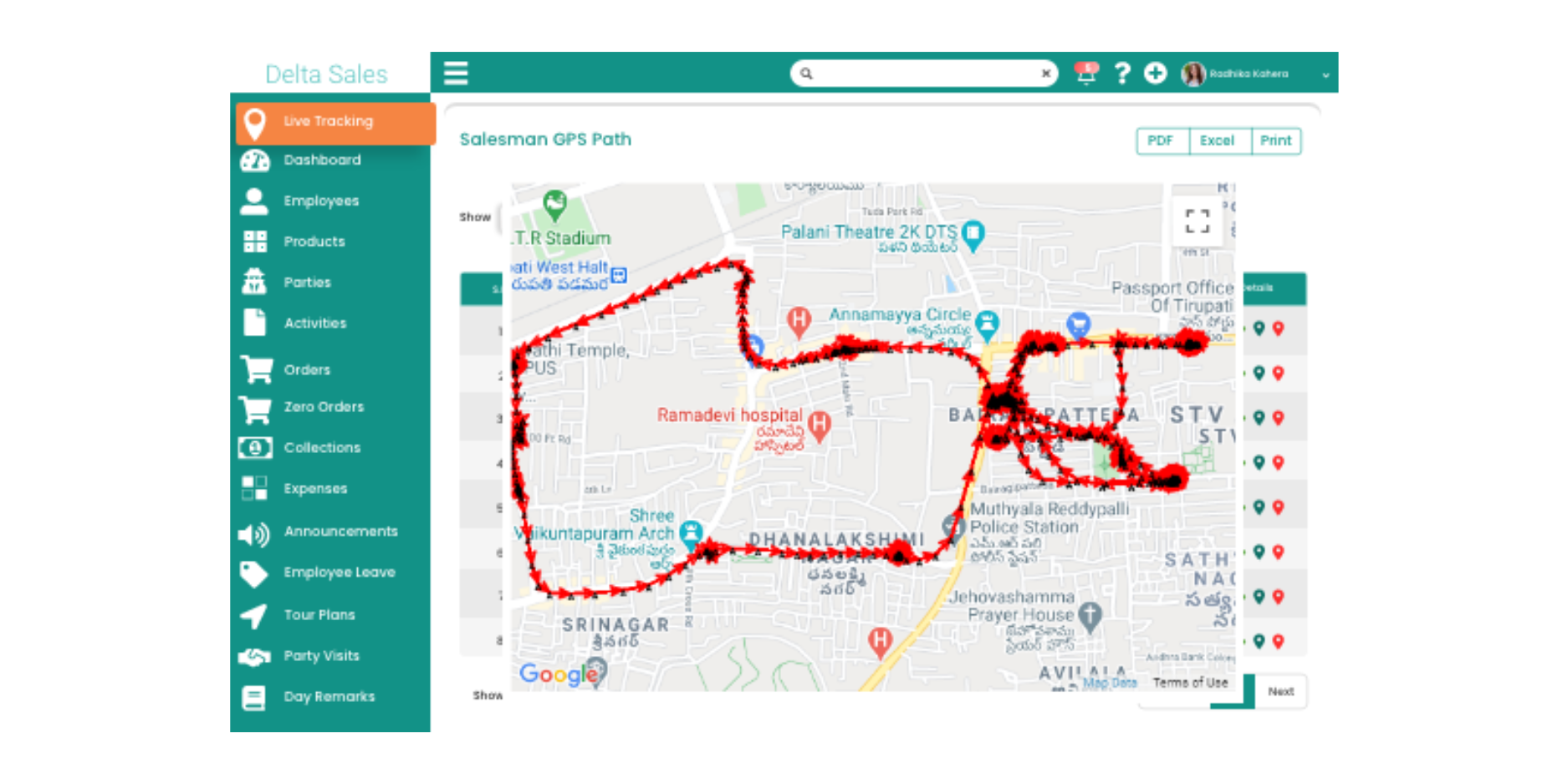
Real-Time GPS Tracking and Field Monitoring
GPS monitoring gives distributors visibility into route adherence, travel distance, store visit duration, and idle time, reducing unauthorized deviations and improving overall discipline, accountability, and field productivity.
-
Automated Billing and Faster Payment Collection
Digital billing automates tax calculations, generates receipts instantly, and integrates with accounting systems, reducing errors and speeding payments, ultimately improving retailer experience and operational cash flow management.
-
Managing Returns, Damages & Replacements
Digital tools allow van sellers to log returns, document issues, adjust stock accurately, and settle credits transparently, reducing disputes and improving trust between distributors and retailers during reverse logistics.
-
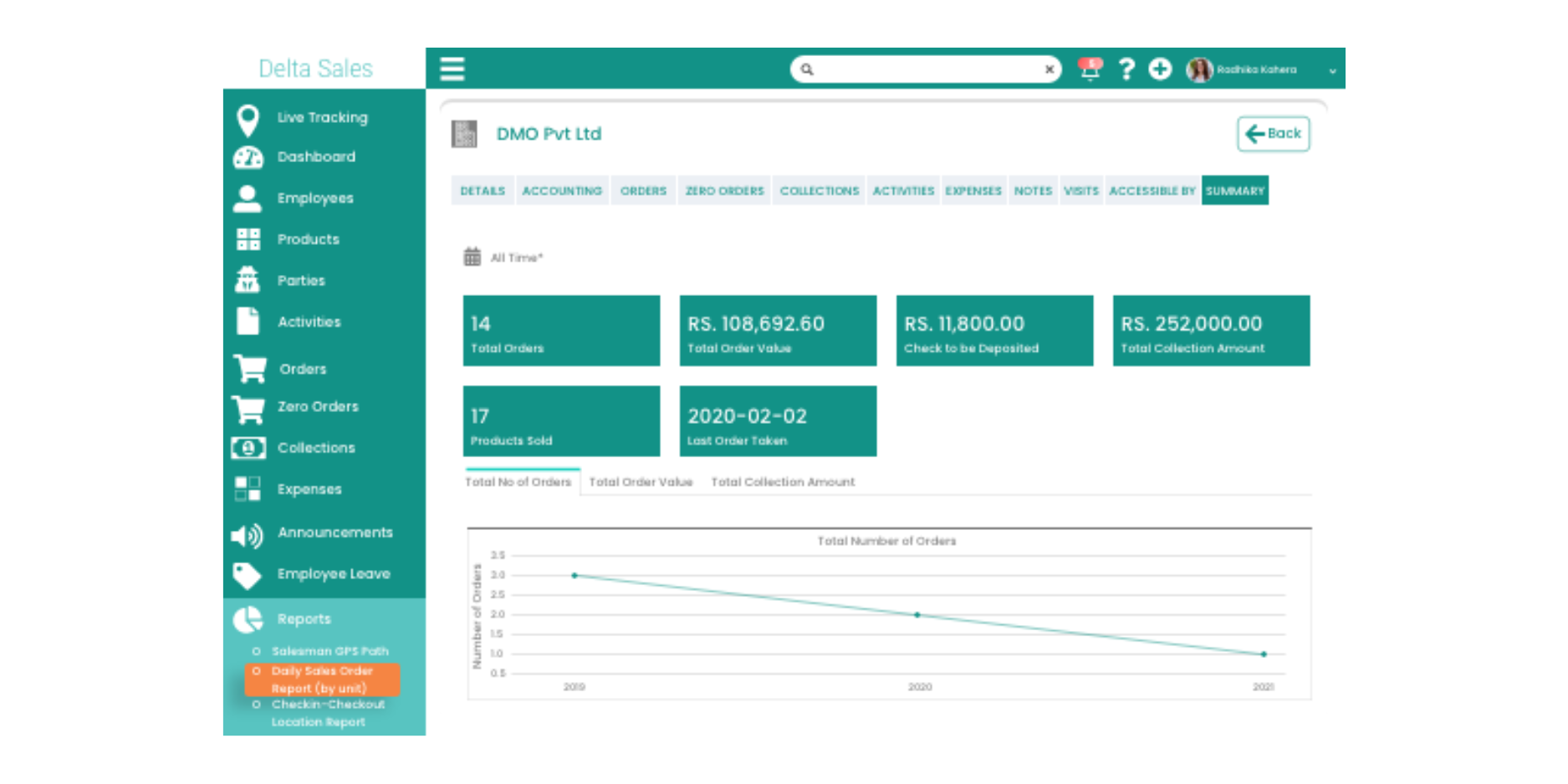
Automated Report Analytics & Performance Tracking
Comprehensive dashboards provide insights on SKU performance, route efficiency, order frequency, and retailer contribution, enabling distributors to identify weaknesses, measure progress, and make proactive, data-backed decisions.
-
Integration With Warehouse Management Systems (WMS)
Connecting van sales apps with WMS ensures proper stock loading, accurate replenishment, and efficient FIFO/LIFO application, improving synchronization between warehouse and field teams for smoother daily operations.
Best Practices for Superior Van Sales Operations
To build long-term efficiency, distributors should adopt these industry best practices:
-
Standardize Beat Plans
Structured beat plans help ensure every retailer is visited consistently, improving coverage, reducing missed orders, and creating predictable sales cycles that strengthen demand planning and overall route efficiency.
-
Train Van Sellers Effectively
Regular training equips van sellers with strong product knowledge, better sales skills, accurate invoicing habits, and professional retailer interaction, resulting in improved performance, stronger relationships, and higher sales effectiveness.
-
Use Data for Demand Forecasting
Analyzing secondary sales trends helps predict future demand accurately, enabling optimal van loading, preventing stockouts, minimizing excess inventory, and improving overall operational efficiency and market responsiveness.
-
Monitor Retail Execution Regularly
Frequent audits ensure shelves are well-stocked, prices are accurate, planograms are followed, and expired products are removed, helping maintain brand consistency and superior in-store execution.
-
Maintain Optimal Van Inventory
Balancing SKU quantities based on sales history prevents overloading, reduces carrying costs, ensures faster sales cycles, and improves the ability to meet retailer demand without excess stock.
-
Shift to Cashless Payments
Encouraging digital payments minimizes cash-related risks, speeds up reconciliation, enhances transparency, and simplifies accounting while offering retailers convenient, secure, and traceable payment options.
-
Conduct Regular Performance Reviews
Periodic KPI reviews help distributors evaluate route productivity, sales effectiveness, stock management accuracy, and team performance, allowing timely corrective actions and continuous operational improvement.
The Impact of Technology on Modern Van Sales
Digital transformation has reshaped van sales radically. Advanced solutions now provide:
-
End-to-End Automation: Automation streamlines every step from order taking to billing, inventory updates, and reporting reducing manual tasks, minimizing errors, and enabling faster, more efficient van sales operations across all routes.
-
Real-Time Communication: Instant communication between van sellers and the back office ensures quick decision-making, faster issue resolution, and seamless coordination, improving responsiveness to retailer needs and market changes.
-
Instant Data SyncAutomatic data synchronization updates sales, stock, and route information immediately, giving distributors accurate real-time visibility and enabling quicker planning, replenishment, and performance monitoring.
-
Enhanced Visibility: Technology provides complete oversight of van locations, sales progress, inventory levels, and retailer coverage, allowing distributors to track operations precisely and eliminate inefficiencies or deviations.
-
Smart Reporting: Advanced dashboards analyze SKU performance, route productivity, order frequency, and market trends, helping distributors make informed decisions and continuously optimize their van sales strategy.
-
Mobile-First Workflows: Mobile apps empower van sellers to manage invoicing, stock checks, returns, and payments directly from handheld devices, ensuring speed, convenience, and accuracy during field operations.

Conclusion
Van sales operations remain essential for FMCG distributors, ensuring timely delivery, wider market coverage, and stronger retailer relationships. In a highly competitive landscape, embracing digital tools is no longer optional. By streamlining van sales processes, digitizing workflows, optimizing routes, enhancing FMCG Retail Execution, and maintaining clear visibility into Primary vs. Secondary Sales distributors can significantly improve efficiency and reduce operational gaps.
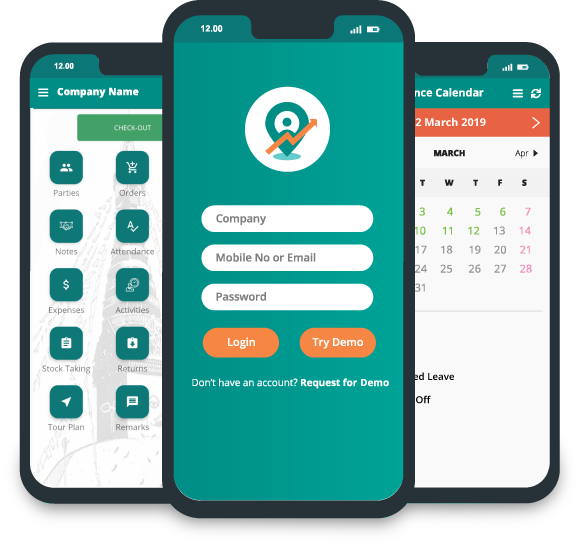
Tools like Delta Sales App empower teams with real-time data, automated billing, GPS tracking, and complete secondary sales visibility, making daily operations smoother and more accurate.
Ready to transform your van sales operations? Book a Free Demo Today and experience smarter, faster, and fully digitized field execution.