
What Is Retail Execution and Why It Matters
In today’s fast-paced retail environment, success isn’t determined only by how good a product is or how attractive the pricing looks. Instead, the real differentiator is how effectively a brand presents, manages, and maintains its products on store shelves, in distribution networks, and within retailer relationships. This process is known as retail execution, and it has become the backbone of competitive market performance.
As customer expectations accelerate and product options expand, the last-mile execution of your strategy is what ultimately decides whether consumers choose your brand or turn to a competitor. This discipline has evolved from a routine field task into a business-critical priority-one that directly influences sales, visibility, and brand perception.
Understanding retail exectution Implementation
The concept refers to all in-store and on-ground activities carried out by sales reps, merchandisers, and field teams to ensure that products are consistently available, properly displayed, and supported with the right promotional efforts. These activities include shelf arrangement, stock replenishment, retailer communication, price checks, order taking, competitive tracking, and merchandising.
At its core, this in-store implementation is where strategy becomes reality. Planning, market insights, promotions, and campaigns are only as successful as their execution. From confirming shelf space to verifying the presence of promotional materials, this operational discipline ensures that every step of the company’s retail strategy is visible to customers. It also helps capture real-time market data that guides future decisions and helps businesses understand consumer and retailer behavior more accurately.
Why and how retail Execution Drives Customer Purchase
-
Product Availability Directly Influences Purchases
No matter how strong your marketing is, customers can’t buy what they can’t see. Keeping shelves stocked and products in the right place ensures shoppers find what they need at the right moment. Preventing stockouts avoids missed sales caused by simple retail execution mistakes.
-
Shelf Visibility Shapes Buying Decisions
Most purchasing decisions happen within seconds on the shelf. When items are well-arranged, promotions stand out, and branding is clear, customers are naturally drawn to the product. Good visual presence increases trust and boosts chances of conversion.
-
Merchandising Strengthens Brand Recognition
Consistent displays and proper in-store presentation reinforce how customers perceive your brand. When shoppers repeatedly see your product showcased properly, it becomes easier for them to remember and prefer it over alternatives.
-
Strong Execution Builds Retailer Trust
Retailers value brands that support their operations and keep stock flowing smoothly. When field teams communicate well, refill products on time, and simplify store tasks, retailers develop stronger loyalty and are more likely to offer better shelf space.
Core Components of Effective In-Store Performance
-
Strategic Visit Planning
Efficient visit planning ensures field teams cover the right stores at the right times with clear objectives. Optimized routes save travel time, improve coverage, and strengthen retailer relationships by ensuring no outlet is missed.
-
Ensuring Strong In-Store Visibility
Effective product placement and eye-catching displays help customers easily spot your brand. Visual materials and proper merchandising greatly influence shopper behavior and enhance store-level presence.
-
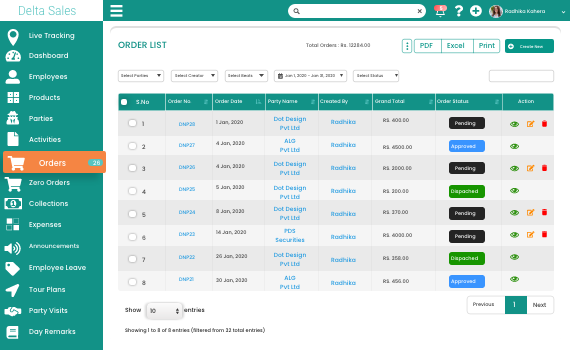
Order Taking & Stock Management
Accurate order entry and continuous stock and inventory management prevent stockouts and reduce product losses. Proper tracking supports smooth coordination between retailers, distributors, and brand teams.
-
Monitoring Brand and Promotion Compliance
Ensuring promotions and brand guidelines are correctly implemented protects marketing investments. Field teams must verify displays, pricing, and promotional setups to maintain consistency across outlets.
-
Capturing Data and Generating Insights
Real-time data collection helps businesses understand demand trends, competitor actions, and retailer feedback. These insights support smarter decision-making and more effective store-level strategies.
How Strong In-Store Execution Maximizes ROI
Executing your in-store strategy effectively is far more than a routine field task; it is a powerful growth engine with clear, measurable returns. When brands manage their presence on the shelf with precision, they create touchpoints that directly influence shoppers’ buying decisions and overall business performance.
-
Boosting Sales Through Better Execution were thoughtful product placement, timely promotions, and consistent availability directly increased sales. Strong execution also improves profit margins by reducing overstock, wastage, and unnecessary discounts.
-
Strengthening Retailer brands relationships that execute reliably gain the trust of retailers, leading to better collaboration. This often results in prime shelf placements, more visibility, and priority during key campaigns.
-
Enhancing Customer Satisfaction & Loyalty, When customers consistently find well-organized, easy-to-locate, and correctly priced products, brand trust grows. This repeat satisfaction nurtures long-term loyalty and preference over competitors.
-
Driving Sustainable Brand Growth where effective in-store execution boosts immediate revenue while building long-term brand equity. It creates a strong market presence that supports both short-term wins and future strategic success.
How Technology Is Transforming Retail Execution
-
Mobile Apps Streamline Daily Field Activities
Mobile tools reduce manual workload by automating reporting, minimizing paperwork, and capturing store data instantly. Field teams can update information in real time while staying connected with distributors and managers more efficiently.
-
Automation Simplifies Routine Tasks
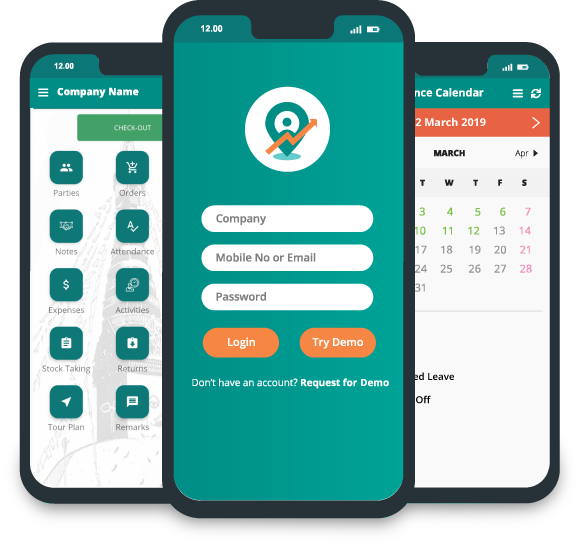
Automated features help manage attendance, plan visits, log orders, and conduct compliance checks without errors. This saves time for field reps and ensures that every task is carried out consistently across all outlets.
-
Real-Time Visibility Enhances Decision-Making
Live data from field apps lets managers track store coverage, monitor shelf conditions, and evaluate team performance instantly. This visibility enables faster responses to market issues and emerging opportunities.
-
Advanced Analytics Strengthen Strategy and Planning
Modern retail tools analyze trends, sales patterns, and competitor actions with greater accuracy. These insights help brands forecast demand, improve product placements, and design more effective promotions.
Why Field Apps Have Become Essential for Retail Execution
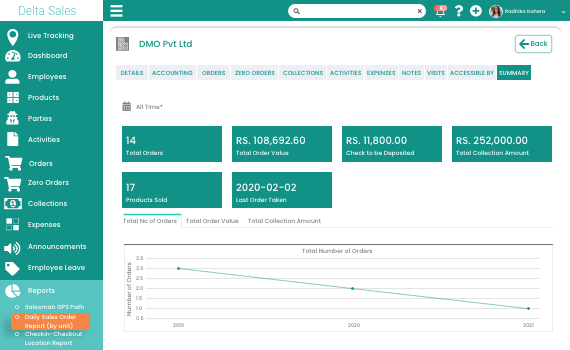
Digital tools have become indispensable for field teams, enabling them to work smarter and more efficiently. Many organizations now adopt field apps for retail execution because of their advanced features and benefits, especially for real-time monitoring, order automation, and structured reporting.
These apps simplify complex workflows and help field reps perform tasks such as data collection, retailer communication, stock validation, order entry, and photo capture with minimal effort. Managers can track visits, view store photos, review stock updates, and analyze retail conditions from live dashboards. This reduces errors, increases transparency, and ensures smoother coordination between field teams and distributors.
For distributors, field apps reduce manual errors and improve stock management. For managers, they provide performance metrics, route insights, and compliance data. For field reps, they eliminate time-consuming paperwork and allow them to focus more on productivity and retailer engagement.
Practices for High-Performance Retail Execution
Consistent training, clear KPIs, data-driven decisions, and the use of smart digital tools ensure faster, more accurate, and uniform execution across all retail outlets.
-
Set Clear KPIs and Goals
Field teams must know exactly what outcomes are expected of them. Whether it is increasing coverage, improving shelf share, monitoring compliance, or driving sales, KPIs give direction and structure to all activities.
-
Train Field Teams Regularly
Field representatives need proper training on product knowledge, communication, merchandising standards, and execution processes. Well-trained teams represent the brand better and manage retailer relationships more effectively.
-
Use Data for Smarter Decisions
Data collected from the field should guide decisions. Brands must analyze consumer demand, retailer behavior, and competitor actions to refine their strategies. Data-driven insights help companies stay dynamic and responsive in fast-changing markets.
-
Leverage Technology for Consistency
Digital tools ensure accuracy, prevent errors, and bring uniformity to all retail operations. By using field apps, companies can ensure standardized reporting, automate routine tasks, and maintain execution quality across all outlets.
Why Retail Execution Should Be a Leadership Priority
Strong retail execution isn’t just a field-level responsibility it is a strategic commitment that starts at the top. When leaders take ownership of execution discipline, it aligns the entire organization toward consistent performance, stronger market presence, and more predictable growth. Leadership involvement ensures teams have clarity, direction, and the resources needed to excel on the ground.
-
Aligns Retail Strategy With On-Ground Reality
Leadership ensures that high-level plans translate into practical actions executed in stores.
This alignment helps bridge the gap between market goals and real-world retail conditions.
-
Improves Resource Allocation for Field Operations
When leaders prioritize execution, budgets are distributed intelligently across teams, tools, and training.
This ensures field reps have the right support and technology to perform consistently.
-
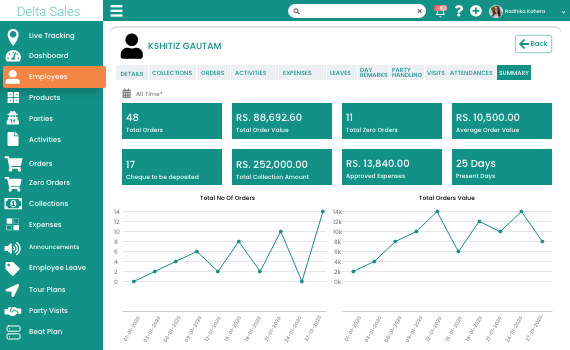
Strengthens Performance Monitoring and Accountability
Leadership-backed performance monitoring brings transparent reporting, structured KPIs, and clear performance expectations.This creates a disciplined environment where field teams stay focused on measurable results.
-
Drives Organization-Wide Consistency
Top-level commitment ensures that brand standards, promotions, and execution processes remain uniform across all regions.
This consistency strengthens customer trust and reinforces brand identity across every outlet.
-
Encourages a Culture of Continuous Improvement
When leaders champion execution excellence, teams adopt a mindset of learning, innovation, and operational efficiency.
This culture drives long-term success and helps brands stay competitive in dynamic retail markets.
Conclusion
Retail execution directly affects how well a brand connects with customers in-store by improving visibility, availability, and retailer relationships. Strong execution builds trust, boosts sales performance, and helps brands stand out in a competitive market.
In this evolving retail landscape, digital tools make execution faster, smarter, and more reliable. This is where the Delta Sales App becomes a game-changer. This process involves real-time reporting, order automation, geo-tracking, distributor management, and analytics empowering field teams, improving manager visibility, reducing errors, and streamlining operations end-to-end.
Take your retail performance to the next level and experience the Delta Sales App in action and Book Your Free Demo Today!