
How to Control Field Sales Teams Without Micromanaging

Managing a field sales team can be a challenging balancing act. On one hand, managers want to ensure their team is productive and meeting targets; on the other, micromanaging can stifle creativity, reduce motivation, and ultimately hurt sales performance. So, how can you effectively control and lead your field sales team without crossing the fine line into micromanagement?
In this blog, we will explore practical strategies to maintain control and oversight of your team while fostering autonomy and trust. These insights will help you build a motivated, efficient, and high-performing field sales force.
Understanding the Challenges of Managing Field Sales Teams
Managing field sales teams is fundamentally different from managing an office-based team. Your sales reps are constantly on the move, meeting clients in different locations, often without direct supervision. This geographic spread makes it difficult to keep track of their activities, progress, and challenges in real time.
The temptation for many managers is to micromanage constantly checking in, asking for updates, and dictating how every task should be done. However, this approach often backfires by:
-
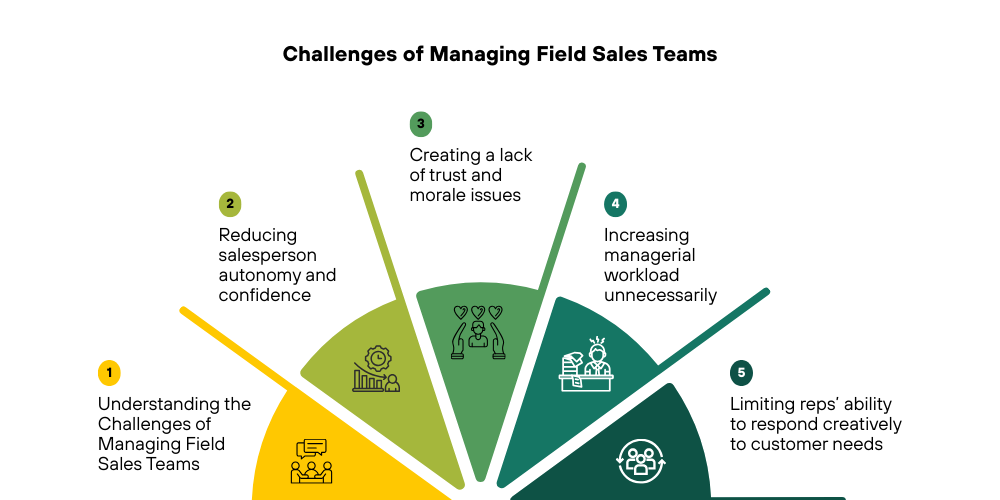
Understanding the Challenges of Managing Field Sales Teams: Field sales reps work remotely and independently, making real-time oversight difficult. This distance often leads managers to micromanage, which can harm both team performance and morale.
-
Reducing salesperson autonomy and confidence: Micromanagement limits reps’ freedom to make decisions, lowering their confidence and motivation, which ultimately hampers their ability to perform at their best.
-
Creating a lack of trust and morale issues: Constant oversight signals distrust, damaging relationships and team spirit. This can lead to disengagement and decreased productivity among sales reps.
-
Increasing managerial workload unnecessarily: Micromanaging wastes managerial time on minor details instead of focusing on strategic guidance, causing burnout and reducing overall leadership effectiveness.
-
Limiting reps’ ability to respond creatively to customer needs: Strict control restricts reps from adapting to unique client situations, reducing flexibility and innovation essential for closing deals effectively.
To overcome these issues, managers must shift from controlling every move to empowering their team while maintaining clear oversight.
Strategics to Control Field Sales Teams Without Micromanaging
-
Set Clear Expectations and Goals
The first step to controlling a field sales team without micromanaging is setting crystal-clear expectations. Your team must understand what success looks like, both in terms of output and behavior.
-
Set Clear Expectations and Goals: Clearly defined goals help your field sales team understand what success means, reducing confusion and fostering self-management.
-
Define measurable sales targets and key performance indicators (KPIs): Set specific, quantifiable targets so progress can be tracked objectively, helping reps focus on what truly matters.
-
Clarify daily, weekly, and monthly objectives: Breaking down goals into manageable timeframes keeps the team aligned and motivated to achieve consistent results.
-
Communicate company values and standards for customer interactions: Sharing expectations about behavior and professionalism ensures reps represent your brand consistently.
-
Agree on priorities and deadlines upfront: Aligning on what needs to be done and by when prevents misunderstandings and keeps everyone accountable.
When your team knows exactly what is expected, they can self-manage their activities without constant supervision. This clarity reduces anxiety and creates accountability.
Pro Tip: Use a digital sales tracking system to share goals and progress transparently with your team.
-
Leverage Technology for Transparency and Autonomy
Technology is a game changer when managing a dispersed field sales force. With the right tools, managers can maintain visibility without hovering.
For example, sales automation and tracking tools help capture field activity data automatically, such as:
-
Customer visits and meeting notes: Automation tools record customer interactions automatically, ensuring accurate documentation without extra effort from sales reps.
-
Sales pipeline updates: Automated updates keep managers informed about deal progress, allowing timely support without frequent status requests.
-
Task completions and follow-ups: Tracking task status ensures nothing is overlooked, helping reps stay organized and managers stay informed.
-
Route tracking and check-ins: GPS tracking and check-in features help managers verify reps’ locations and visits in real-time, enhancing accountability.
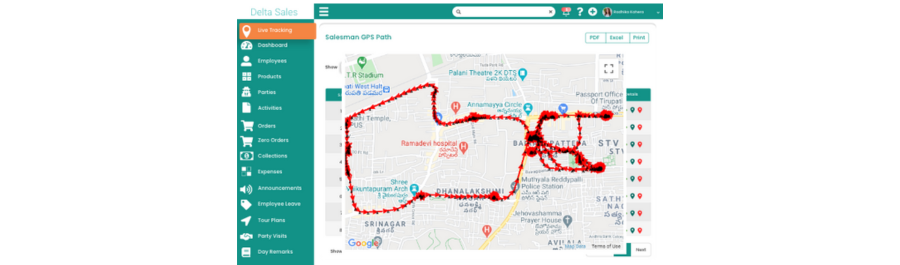
By having access to accurate, real-time data, managers can focus on coaching rather than policing. This approach builds trust and gives reps the freedom to plan their day effectively.
Using a field sales management app can enable seamless communication, data sharing, and progress monitoring. Such tools empower both the manager and the sales reps, helping avoid unnecessary interruptions while keeping everyone on the same page.
-
Empower Your Sales Reps to Make Decisions
Micromanagement often stems from a manager’s fear of losing control. One powerful way to counter this is by empowering your field sales team to make decisions independently.
Provide training, guidelines, and frameworks so reps can confidently handle most situations without needing to ask for permission. For instance:
-
Establish clear discount approval levels: Defined discount limits help reps close deals quickly while maintaining control, eliminating delays caused by unnecessary managerial approvals.
-
Set protocols for handling customer objections: Standard objection-handling guidelines equip reps to respond confidently and consistently to common concerns during sales conversations.
-
Give reps authority to resolve common client issues on the spot: Allowing reps to solve routine issues immediately improves customer satisfaction and prevents escalation delays.
Empowerment not only improves efficiency but also boosts job satisfaction and morale. Salespeople who feel trusted are more motivated to perform.
-
Communicate Regularly but Strategically
Communication is key, but it must be done thoughtfully to avoid micromanagement.
-
Schedule regular check-ins: weekly team meetings, one-on-one coaching sessions, and brief daily updates as needed.
-
Use asynchronous communication: encourage the team to update progress via apps or CRM tools rather than constant calls or messages.
-
Encourage open dialogue: create an environment where reps can proactively share challenges or ask for help without waiting for manager prompts.
By striking a balance between connection and independence, you can maintain control without being intrusive.
-
Focus on Outcomes, Not Activities
One of the biggest mistakes managers make is focusing on how sales reps spend their time rather than what results they achieve.

Instead of tracking every activity, measure success by outcomes:
-
Number of deals closed: Tracking closed deals directly reflects sales effectiveness and highlights reps’ ability to convert opportunities into customers.
-
Revenue generated: Revenue measurement shows the actual business impact of sales efforts, not just the amount of activity performed.
-
Customer satisfaction scores: High satisfaction scores indicate strong relationships, quality selling, and long-term value created by the sales team.
-
Sales cycle length improvements: Shorter sales cycles demonstrate improved efficiency, better qualification, and faster decision-making by sales reps.
This shift in mindset allows your field sales team to find the best way to achieve their goals without being micromanaged on how they work.
-
Provide Coaching and Support Instead of Orders
Good managers act as coaches and enablers, not taskmasters.
-
Identify skill gaps and provide targeted training: Recognizing individual weaknesses allows managers to deliver focused training that improves performance and long-term capability.
-
Offer constructive feedback focused on improvement: Actionable, supportive feedback helps reps correct mistakes, build confidence, and continuously improve without feeling criticized.
-
Celebrate wins and recognize effort publicly: Public recognition boosts morale, motivation, and encourages consistent high performance across the sales team.
When your team feels supported rather than controlled, they will naturally align their efforts with company goals.
-
Use Data to Identify Trends, Not to Police Individuals
Data analytics is essential for controlling field sales teams in a respectful way.
Instead of using data to scrutinize every action of each rep, use it to:
-
Identify overall trends and patterns: Analyzing trends reveals what strategies work best, enabling informed decisions and continuous improvement across the sales team.
-
Spot underperforming areas needing attention: Data highlights gaps in performance, allowing managers to provide support and training where it’s most needed.
-
Forecast sales pipeline and adjust strategy accordingly: Pipeline forecasting helps anticipate future results and refine sales strategies proactively.
A balanced, data-driven approach prevents micromanagement while ensuring accountability.

-
Encourage Peer Accountability and Collaboration
Creating a culture where team members hold each other accountable is a great way to reduce micromanagement.
-
Facilitate peer reviews and knowledge sharing sessions: Peer reviews encourage learning from real experiences, helping reps improve skills and share effective sales practices.
-
Encourage team members to set collective goals: Shared goals foster ownership, alignment, and teamwork, motivating reps to contribute toward common outcomes.
-
Promote healthy competition and collaboration: Balanced competition drives performance while collaboration ensures knowledge exchange and mutual support.
Peer accountability motivates sales reps to stay on track without constant managerial oversight.
Conclusion
Managing a field sales team effectively requires a delicate balance between control and autonomy. By setting clear expectations, leveraging technology for transparency, empowering your sales reps, and focusing on outcomes rather than activities, you can avoid the pitfalls of micromanagement.
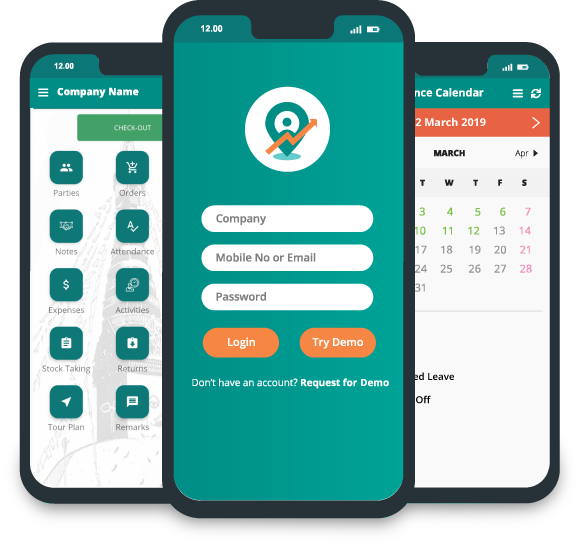
If you're looking for a powerful solution to help manage your field sales team without micromanaging, consider integrating a robust sales management platform. The Delta Sales App offers real-time tracking, sales activity automation, and insightful analytics to help you maintain control while empowering your team. It enables managers to focus on coaching and strategic decisions rather than policing every move. With the right approach and tools, you can lead your field sales team to greater productivity, higher motivation, and better results all without micromanaging.
Schedule a quick demo to discover how smarter tools can boost productivity, accountability, and team morale.