
Digital Transformation in CPG: Where to Start and What to Avoid
Digital Transformation in CPG is no longer optional, it’s a strategic imperative for companies aiming to stay competitive in today’s fast-paced market. As consumer expectations shift, competition intensifies, and technology evolves at an unprecedented pace, CPG companies must embrace digital tools to streamline operations, optimize supply chains, enhance field sales, and deliver better customer experiences.
Yet, while the benefits are clear, many companies struggle to know where to begin or stumble over common pitfalls that can slow progress and reduce ROI. From adopting the right technology to aligning teams and processes, every step counts in making digital transformation successful.
In this guide, we’ll walk you through the essential first steps of digital transformation in CPG, highlight key areas of focus, and reveal the mistakes to avoid so your company can thrive in the digital age. By following these strategies, you can not only stay relevant but also gain a competitive edge in an increasingly digital marketplace.
Understanding Digital Transformation in CPG
Digital transformation in CPG refers to the process of integrating digital technologies into all areas of a Consumer Packaged Goods business, fundamentally changing how the company operates and delivers value to customers. It is not just about adopting new tools, it’s a holistic approach that impacts processes, people, and culture.
In the CPG industry, digital transformation touches every aspect of operations: from streamlining supply chains, improving inventory and warehouse management, to optimizing field sales teams and enhancing customer engagement. Companies leverage technologies such as cloud platforms, AI-driven analytics, automation tools, and IoT-enabled devices to make smarter, faster, and more data-driven decisions.
The main goals of digital transformation in CPG include:
-
Improving operational efficiency: Automating repetitive processes reduces errors, saves time, and cuts costs.
-
Enhancing customer experience: Using data analytics to understand consumer behavior enables personalized marketing and product recommendations.
-
Strengthening supply chain visibility: Real-time tracking of products ensures timely delivery, reduces stockouts, and optimizes logistics.
-
Driving innovation: Digital tools allow CPG companies to quickly respond to market trends, develop new products, and adapt to changing consumer demands.
Ultimately, understanding digital transformation in CPG means recognizing it as a continuous journey rather than a one-time project. Companies that embrace this change strategically gain a competitive edge, remain agile in a fast-evolving market, and are better positioned to meet both operational goals and consumer expectations.
Where to Start: Laying a Strong Foundation
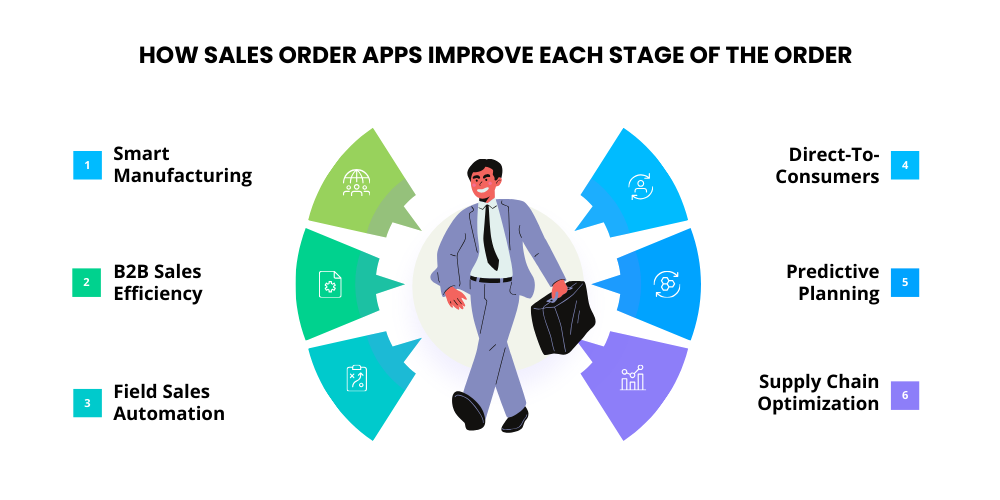
Before implementing new technologies, CPG digital strategy requires a strong foundation to ensure long-term success. Laying this groundwork allows companies to adopt sales automation, supply chain management tools, and inventory optimization systems effectively.
1. Define Clear Goals for Digital Transformation
Identify what your CPG technology adoption aims to achieve, whether it’s improving field sales efficiency, enhancing distributor management, or boosting customer engagement through digital channels. Clear goals help prioritize initiatives and align teams.
2. Analyze Existing Processes and Systems
Assess your current workflows, software, and operational processes to spot inefficiencies. Understanding your baseline allows better planning for digital tools integration across sales, inventory, and logistics.
3. Engage Key Teams and Stakeholders
Digital transformation succeeds when IT, operations, sales, and marketing collaborate. Early engagement ensures team alignment, process adoption, and a culture ready for technology-driven change.
4. Prioritize Data and Analytics
Accurate, integrated data is critical for sales performance monitoring and inventory management optimization. Use analytics to uncover actionable insights that inform strategic decisions.
5. Start with Pilot Projects and Scale Gradually
Test digital solutions in select areas first, like field sales automation or supply chain optimization, then expand gradually. This reduces risk and demonstrates early value for scaling across the organization.
By focusing on these steps, CPG companies can establish a strong digital foundation, streamline operations, and maximize the benefits of technology adoption in consumer goods.
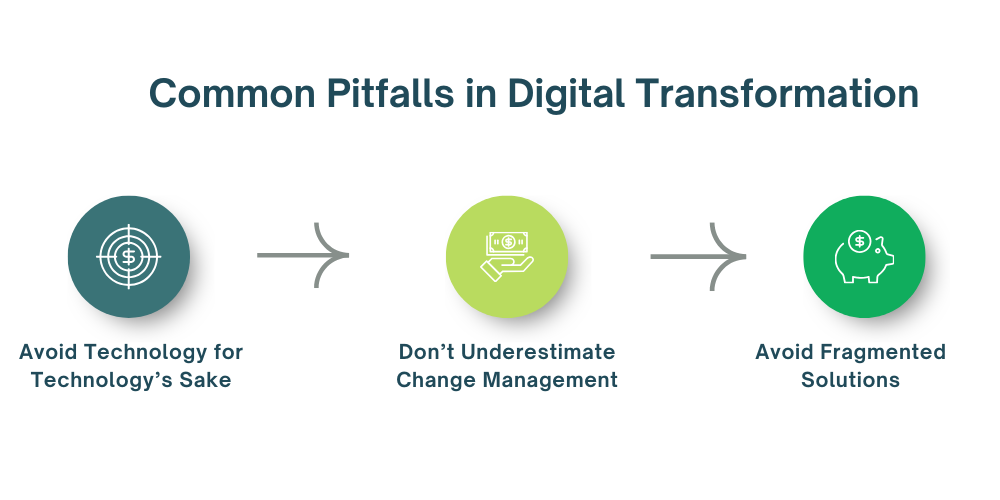
What to Avoid: Common Pitfalls in Digital Transformation
-
Avoid Technology for Technology’s Sake
One of the biggest mistakes companies make is adopting the latest tools without aligning them to business goals. Not every shiny new technology fits your company’s needs.
Instead of chasing trends, evaluate whether a solution addresses your core challenges. For instance, if your biggest issue is lack of visibility into field sales activities, investing in advanced AI-driven analytics may be premature compared to deploying an easy-to-use field sales tracking app.
-
Don’t Underestimate Change Management
Digital transformation isn’t just a tech upgrade; it changes how people work. Ignoring the human side of change leads to poor adoption and wasted investments.
Avoid the pitfall of rolling out new software without adequate training and support. Foster a culture of learning and openness where employees feel comfortable experimenting and providing feedback.
-
Avoid Fragmented Solutions
Using disconnected tools that don’t communicate with each other leads to data silos and inefficiencies. Fragmented systems make it hard to get a holistic view of operations and hinder collaboration.
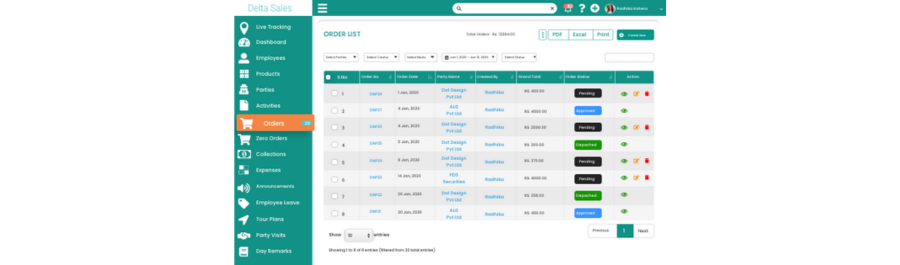
Prioritize solutions that integrate seamlessly or opt for platforms offering multiple functionalities, such as combining order management, sales tracking, and distributor monitoring in one place.
-
Don’t Skip Pilot Testing
Jumping directly into company-wide deployment can be risky. Skipping pilot phases often uncovers unexpected challenges after full-scale launch, wasting time and resources.
Pilot testing with a select group or region helps you understand how the technology performs in your unique environment and allows you to make necessary adjustments before wider rollout.
Key Areas to Focus on for CPG Digital Transformation
-
Enhancing Field Sales Effectiveness
The backbone of CPG growth is a productive sales force. Digital tools like mobile sales tracking apps empower sales reps with real-time access to inventory, order history, and route planning. This reduces manual errors and improves visit quality, ultimately driving higher sales.
Tracking distributor performance digitally ensures the right products are stocked and promoted effectively in retail outlets.
-
Streamlining Supply Chain and Inventory Management
CPG companies often face challenges like stockouts, expired products, or delayed deliveries. Digitizing supply chain data and integrating it with retail execution insights enables proactive stock replenishment and better demand forecasting.
-
Improving Customer Engagement
Digital transformation also offers opportunities to engage consumers better through personalized marketing, loyalty programs, and omnichannel sales strategies. Leveraging data from field sales and distributor networks provides insights into consumer preferences and regional demand variations.
Tracking Key KPIs to Drive Successful Digital Transformation in CPG
Once you start your digital transformation, tracking the right KPIs ensures you stay on course. Some critical KPIs in CPG digital transformation include:
-
Field Force Productivity: Measures the number of sales calls made, orders taken, and how efficiently sales routes are planned to maximize coverage and revenue.
-
Distribution Coverage: Tracks numeric and weighted distribution to gauge how widely and effectively your products reach retailers and consumers in the market.
-
Stock Availability: Monitors instances of stockouts and expired products to ensure optimal inventory levels, minimizing lost sales and waste.
-
Order Fulfillment Time: Measures the time taken from when an order is placed until it is delivered, reflecting supply chain efficiency and customer service quality.
-
Customer Satisfaction: Uses surveys and direct feedback to evaluate how well the digital transformation efforts improve customer experience and loyalty.
Many of these KPIs become actionable when paired with tools like field sales tracking and distributor performance software, enabling real-time monitoring and quick corrective actions.
The Role of Data Security and Compliance for digital transformation in CPG

As digital transformation in CPG accelerates, companies are collecting, storing, and analyzing vast amounts of data, from sales figures and inventory levels to customer preferences and distributor performance. While these insights drive smarter decisions, they also come with increased responsibility to ensure data security and regulatory compliance.
Why Data Security Matters
Protecting sensitive data is critical for maintaining consumer trust and avoiding financial and reputational damage. Cybersecurity breaches can disrupt operations, expose confidential information, and result in penalties. By implementing robust IT security measures, such as encryption, secure cloud storage, and multi-factor authentication, CPG companies can safeguard critical business data while enabling seamless digital operations.
Compliance with Industry Regulations
CPG companies must adhere to local and international regulations regarding consumer data, privacy, and digital transactions. This includes GDPR, CCPA, and other regional compliance standards. Ensuring compliance not only avoids legal penalties but also strengthens customer confidence and promotes ethical business practices.
Integrating Security into Digital Transformation
Data security and compliance should not be an afterthought, they must be integrated into every stage of digital transformation. Whether adopting sales automation tools, inventory management software, or supply chain analytics platforms, organizations need to ensure all systems meet security and compliance standards.
Benefits of Prioritizing Security and Compliance
-
Protects sensitive customer and operational data
-
Reduces risk of cyberattacks and operational disruptions
-
Enhances brand reputation and customer trust
-
Supports seamless integration of digital tools across sales, supply chain, and distributor management
By prioritizing data security and compliance, CPG companies can confidently leverage digital tools to optimize operations, enhance decision-making, and drive growth, while minimizing risk in an increasingly digital marketplace.
Conclusion
Digital transformation in CPG is an ongoing journey that demands clear goals, active stakeholder engagement, and seamless integration across operations. Avoid common pitfalls such as system fragmentation, lack of change management, and inefficient processes to unlock the full potential of digital initiatives.
By leveraging modern digital tools that provide real-time insights into sales, inventory, and distribution, CPG companies can boost efficiency, improve decision-making, and stay competitive in a fast-evolving market. Implementing mobile field sales tracking and sales force automation solutions is essential for optimizing operations and empowering your sales teams.
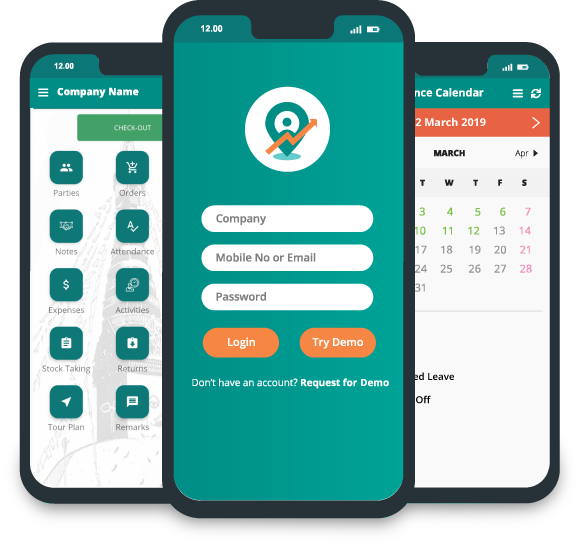
The Delta Sales App offers an all-in-one platform specifically designed for CPG sales and distribution, helping businesses streamline workflows, monitor performance, and enhance distributor engagement.
Ready to transform your CPG business? Start your digital transformation journey today with Delta Sales App - Book Your Demo Now and see results in action.