
How AI Is Reshaping Modern Field Force Operations

Managing a field force has never been simple. From assigning daily tasks and tracking on-ground movement to ensuring timely customer visits and accurate reporting, field operations demand constant coordination. As businesses expand and customer expectations rise, traditional methods struggle to keep up.
This is where Artificial Intelligence (AI) is making a meaningful difference. AI is no longer a futuristic concept, it is actively reshaping how modern field teams operate, make decisions, and deliver value. By bringing intelligence, automation, and predictive insights into daily workflows, AI is transforming field force operations from reactive to proactive.
Let’s explore how AI is redefining modern field force operations and why organizations are rapidly embracing this shift.
The Growing Complexity of Field Force Operations
Field teams operate in dynamic, unpredictable environments. Traffic delays, last-minute task changes, incomplete data, and limited visibility often disrupt daily plans. Managers rely heavily on calls, spreadsheets, and manual follow-ups, which leaves room for errors and inefficiencies.
Without real-time insights, decision-making becomes reactive. Field representatives may spend more time traveling than selling or servicing. Customers experience delays, repeat visits, and inconsistent service quality. Over time, this affects productivity, employee morale, and customer trust.
AI addresses these challenges by creating a connected, intelligent ecosystem where data flows seamlessly and decisions are supported by real-time insights.
How AI is redefining modern field force operation
-
Smarter Task Planning with AI-Driven Scheduling
One of the most impactful ways AI reshapes field force operations is through intelligent task planning. Assigning the right job to the right person at the right time is critical but difficult when done manually.
AI-powered scheduling systems analyze multiple variables such as location, skill set, availability, urgency, and historical performance. Based on this data, tasks are automatically assigned and optimized.
Field managers gain better visibility, while representatives receive realistic schedules that reduce overlap and stress. This not only improves efficiency but also increases job satisfaction by preventing overwork and confusion.
-
Route Optimization That Saves Time and Costs
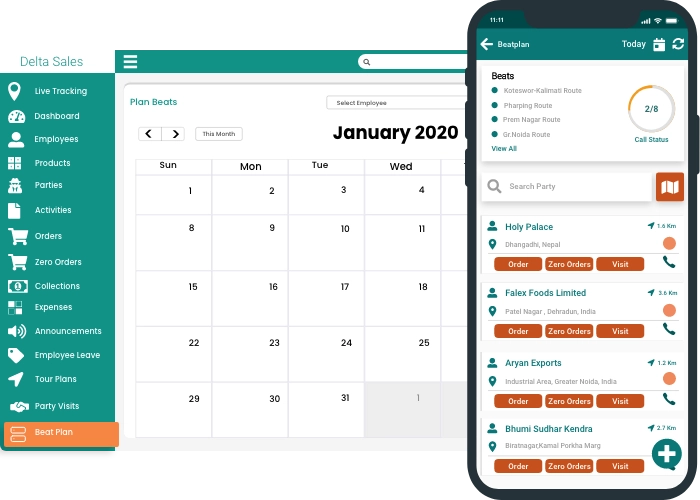
Travel inefficiencies are one of the biggest productivity drains in field operations. AI-powered route optimization solves this by continuously analyzing traffic conditions, distance, weather, and visit priorities.
Instead of fixed routes, AI dynamically suggests the most efficient paths throughout the day. This helps reduce fuel costs, travel time, and fatigue.
With intelligent route planning for field teams, organizations can complete more visits per day while maintaining service quality, an advantage that directly impacts revenue and customer satisfaction.
-
Real-Time Visibility into Field Activities
AI enhances visibility by turning raw data into actionable insights. GPS tracking, check-in/check-out logs, activity timestamps, and task updates are automatically captured and analyzed.
Managers no longer need to chase updates. Dashboards present real-time performance metrics, helping identify bottlenecks, delays, or underutilized resources instantly.
This level of transparency strengthens accountability and enables faster corrective actions, making real-time field force automation a foundational element of modern operations.
-
Automated Reporting and Data Accuracy
Manual reporting is time-consuming and often inaccurate. Field representatives may delay updates or submit incomplete information at the end of the day.
AI eliminates this friction by automating data capture and report generation. Sales visits, service completion, customer feedback, and expenses are logged automatically, reducing human error.
With AI-powered field analytics and reporting, organizations gain cleaner data, faster insights, and improved compliance without increasing administrative workload for field staff.

-
Predictive Analytics for Better Decision-Making
AI doesn’t just show what is happening it predicts what will happen next. By analyzing historical data and patterns, AI helps forecast demand, identify risks, and anticipate performance gaps.
For example, predictive analytics can highlight areas likely to face service delays, equipment failures, or declining sales activity. Managers can act early instead of responding after issues escalate.
This shift toward proactive management is one of the most powerful benefits of predictive analytics in field sales operations, helping organizations reduce costs and improve service reliability.
-
Smarter Inventory and Resource Management
Field teams often struggle with stock mismatches either running out of products or carrying excess inventory. AI improves inventory visibility by tracking movement, consumption patterns, and demand trends in real time.
Automated alerts notify teams when stock levels fall below thresholds, while forecasts help plan replenishment accurately. This ensures representatives always have what they need during visits.
With AI-driven inventory management, businesses reduce stockouts, minimize wastage, and improve customer fulfillment rates.
-
Enhancing Customer Experience Through AI
Today’s customers expect faster responses, accurate information, and consistent service. AI enables this by connecting customers, managers, and field reps on a single intelligent platform.
AI chatbots handle appointment bookings, status updates, and basic queries. Field reps receive contextual insights before visits, including customer history and preferences.
Post-visit feedback is automatically collected and analyzed, allowing continuous service improvement. These capabilities collectively elevate the customer journey and strengthen loyalty through AI-enabled customer engagement tools.
-
Reducing Field Rep Burnout with Intelligent Support
Burnout is a silent challenge in field operations. Long travel hours, unclear expectations, and excessive manual work take a toll on productivity and morale.
AI helps reduce burnout by creating balanced schedules, minimizing unnecessary travel, and automating repetitive tasks. Field reps spend more time on meaningful interactions rather than administrative duties.
By supporting workload balance and clarity, smart workforce optimization solutions contribute to healthier, more motivated field teams.
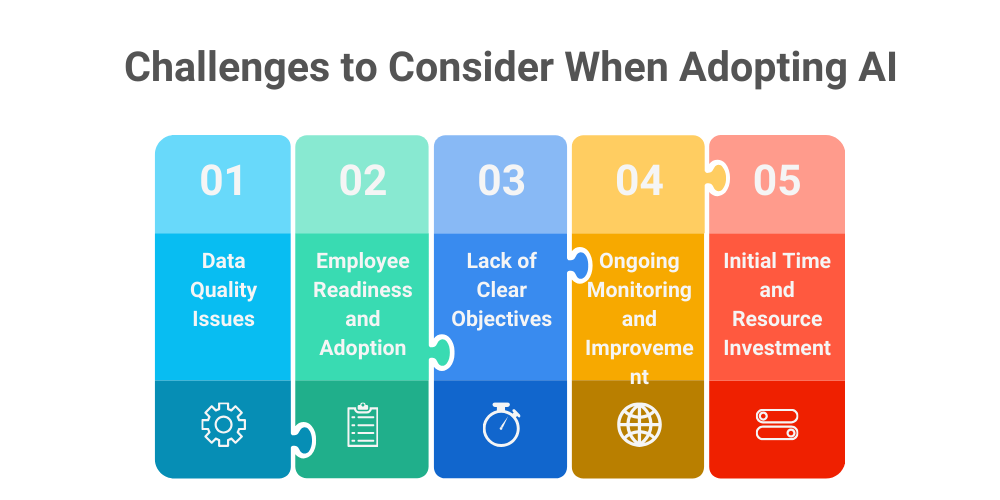
Challenges to Consider When Adopting AI
-
Data Quality Issues
AI systems depend on clean, accurate, and structured data. Poor data quality leads to incorrect insights, weak predictions, and unreliable decision-making across field operations. -
Employee Readiness and Adoption
Without proper training and change management, employees may resist AI tools or use them incorrectly, reducing effectiveness and slowing overall digital transformation. -
Lack of Clear Objectives
Organizations that adopt AI without defined goals struggle to track performance, measure ROI, and align AI outcomes with broader business priorities.
-
Ongoing Monitoring and Improvement
AI requires continuous feedback, updates, and optimization. Without regular monitoring, models become outdated and fail to adapt to evolving operational conditions. -
Initial Time and Resource Investment
Implementing AI demands upfront investment in technology, training, and process redesign. Businesses must plan resources carefully to ensure long-term value realization.
The Future of Field Force Operations
The future of field force operations will be driven by intelligent, data-led decision-making powered by AI. Organizations will move from manual coordination to automated, insight-driven workflows that improve speed, accuracy, and consistency. AI will enable predictive planning, smarter resource allocation, and personalized customer interactions, helping field teams work more efficiently with less effort. As competition increases, businesses that successfully integrate AI into their field operations will achieve higher productivity, stronger customer relationships, and improved workforce engagement.

Conclusion
AI has become a strategic enabler for modern field force operations, helping businesses achieve efficiency without complexity. From intelligent scheduling and sales force automation software to mobile workforce management solutions, AI empowers teams to work smarter every day.
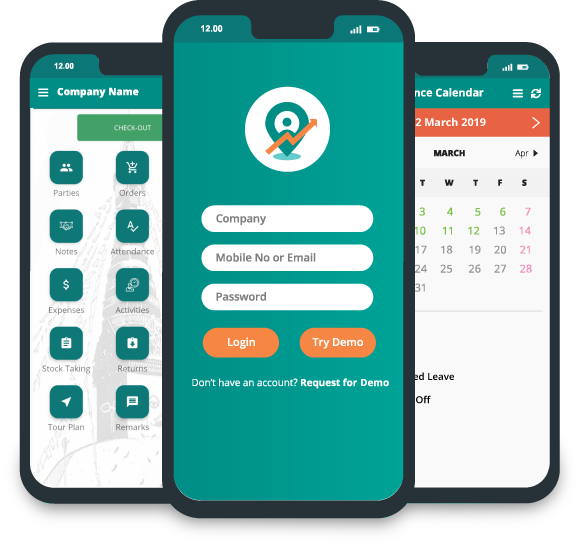
This is where Delta Sales App plays a critical role in turning AI-driven strategies into measurable results. By bringing together intelligent task management, real-time field visibility, automated reporting, and data-backed insights on a single platform, Delta Sales App helps organizations simplify complex field operations without adding operational burden. It empowers managers with clear performance insights while enabling field representatives to focus on selling, servicing, and building stronger customer relationships. With AI-led automation and actionable analytics, businesses can improve execution consistency, boost productivity, and scale operations with confidence.
Book a free demo of Delta Sales App and experience how AI-powered field force management can transform your on-ground performance.