
How do I Monitor My Field Staff with Less Manual Effort?
Managing field staff has always been a challenge for businesses that operate outside the office. Whether it’s sales representatives, service engineers, delivery executives, or field marketers, tracking their daily activities manually can be time-consuming, inaccurate, and stressful for managers.
Traditionally, field staff monitoring relied on phone calls, paper-based reports, WhatsApp updates, or end-of-day summaries. These methods not only consume valuable time but also fail to provide real-time visibility into what’s actually happening on the ground.
In today’s fast-paced business environment, organizations need smarter ways to monitor field staff with less manual effort and more accuracy. This is where technology ,especially field force management and sales automation software, comes into play.
What Does Field Staff Monitoring Look Like Today?
Field staff monitoring today is very different from the old days of phone calls, manual attendance registers, and end-of-day reports. Modern businesses no longer want to check whether employees are working; they want to understand how work is happening in real time.
Today’s field staff monitoring is smarter, faster, and more employee-friendly. It focuses on visibility, efficiency, and trust rather than constant supervision. Here’s what it really means:
-
Knowing Where Your Team is in Real Time
Modern field staff monitoring allows managers to see the live location of their field employees during working hours. This helps ensure that team members are visiting assigned areas, following planned routes, and spending time productively.
Instead of calling employees to ask for updates, managers can simply check the dashboard and get a clear picture instantly. This saves time and avoids unnecessary interruptions.
-
Tracking What Work Is Being Done
Today, monitoring is not just about location,it’s also about activity tracking. Managers can see which tasks are assigned, which ones are completed, and which are still pending.
Whether it’s a customer visit, a service call, or a sales order, every activity is recorded digitally. This gives managers confidence that work is being done as planned and helps identify delays early.
-
Digital Attendance Instead of Manual Registers
Field staff monitoring now includes automated attendance tracking. Employees can mark attendance directly from their mobile phones using GPS or location-based punch-in and punch-out.
This removes the need for paper registers and manual verification. Attendance data becomes accurate, transparent, and easy to manage.
-
Clear Daily Plans and Beat Management
Today’s monitoring systems allow managers to create and assign daily work plans or beat plans digitally. Field staff know exactly where they need to go, which customers to visit, and what tasks to complete.
This clarity reduces confusion, improves time management, and helps field staff stay focused throughout the day.
-
Real-Time Updates Without Manual Reporting
One of the biggest changes in modern field staff monitoring is the elimination of manual reports. Updates happen automatically as employees complete their tasks.
Managers no longer have to wait for end-of-day summaries. They get real-time visibility into ongoing work, allowing them to take quick action if needed.
-
Measuring Performance with Data, Not Assumptions
Modern monitoring uses dashboards and reports to measure productivity and performance objectively. Managers can see the number of visits completed, time spent on tasks,sales or service outcomes and attendance consistency.
This data-driven approach ensures fair evaluation and helps recognize top performers while supporting those who need improvement.
-
Monitoring Without Micromanaging
Perhaps the most important shift today is the focus on trust and transparency. Modern field staff monitoring is not about constant checking, it’s about empowering employees with clear expectations and simple tools.
When field staff know their work is tracked automatically, they feel less pressure to constantly explain themselves and more freedom to focus on doing their job well.
Why Manual Field Staff Monitoring Just Doesn’t Work
Manual field staff monitoring may seem manageable at first, but in reality, it creates more problems than solutions. Here’s why it no longer works in today’s fast-moving business environment:
-
It Eats Up Time
Managers spend a large part of their day calling field staff, checking messages, and compiling reports. This repetitive follow-up wastes valuable time that could be better used for planning, decision-making, and business growth.
-
You’re Always a Step Behind
Manual updates usually come at the end of the day. By the time issues are noticed, it’s often too late to fix them. Managers lack real-time visibility, which leads to delayed actions and missed opportunities.
-
Data Is Not Always Reliable
Manual reports depend on memory and honesty. Field staff may forget details, submit incomplete information, or unintentionally exaggerate their work. This leads to inaccurate data and poor decision-making.
-
It Creates Stress for Everyone
Managers feel pressured to constantly follow up, while field staff feel monitored and overwhelmed by reporting work. This creates frustration, mistrust, and a stressful work environment for both sides.
How Technology Reduces Manual Effort in Field Staff Monitoring
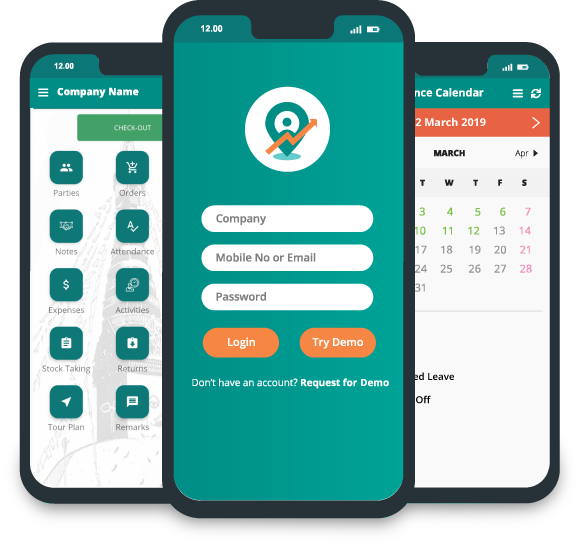
Technology has transformed the way businesses manage their field workforce. Instead of relying on constant follow-ups, managers can now access automated, real-time data from a centralized dashboard.
Field force management software automates tasks such as:
-
Attendance Logging
Attendance logging allows field staff to mark their punch-in and punch-out digitally through a mobile app. It removes paper registers and manual tracking, ensuring accurate work hours and reducing attendance-related errors.
-
Location Tracking
Location tracking helps managers view the real-time or live location of field staff during working hours. This improves visibility, ensures assigned areas are covered, and eliminates the need for frequent follow-up calls.
-1766380229.png)
-
Task Updates
Task updates allow field staff to record their daily activities such as customer visits or service calls directly in the app. Managers can instantly see task progress without waiting for end-of-day reports.
-
Task Updates
Task updates allow field staff to record their daily activities such as customer visits or service calls directly in the app. Managers can instantly see task progress without waiting for end-of-day reports.
-
Reporting and Analytics
Reporting and analytics automatically convert daily field activities into easy-to-understand reports and dashboards. This helps managers track performance, identify gaps, and make data-driven decisions without manual data entry.
This eliminates repetitive manual work and ensures accuracy.
By using mobile-based solutions like Delta Sales App, businesses can monitor field staff efficiently while allowing employees to focus on their core responsibilities.
Key Features That Enable Effortless Field Staff Monitoring
Modern tools make monitoring field staff simple, efficient, and stress-free. Here are the key features that make it possible:
-
Real-Time GPS Location Tracking
See where your field staff are during working hours. It ensures employees visit assigned locations, follow routes efficiently, and saves managers from constant follow-up calls.
-
Automated Attendance
Field staff can mark attendance digitally through a mobile app. This removes paper registers, ensures accurate work hours, and reduces administrative effort.
-
Task and Beat Plan Management
Assign daily tasks and routes digitally. Employees know exactly what to do, and managers can track progress without waiting for end-of-day reports.
-
Live Activity Updates
Every customer visit, order, or service activity is recorded instantly. Managers get real-time updates, eliminating manual reporting and keeping everyone aligned.
-
Performance Analytics Dashboard
Dashboards provide a quick overview of productivity, task completion, and attendance trends. Managers can make data-driven decisions without sifting through spreadsheets.
-(1)-1766380738.png)
Benefits of Monitoring Field Staff with Automation Tools
Real-Time Visibility
Automation tools with GPS tracking and live activity updates give managers a clear view of field staff locations and work progress. This eliminates the need for constant calls or manual check-ins. By monitoring check-ins, completed visits, and routes in real time, managers can quickly identify delays or unproductive areas, ensuring that field operations remain efficient and transparent.
Improved Productivity
Digital task management and activity logging help employees stay organized and focused. Features like automated reminders, task notifications, and daily work logs ensure that important visits and follow-ups are never missed. As a result, field staff can dedicate more time to client interactions, sales activities, and completing assigned tasks, improving overall productivity.
Accurate Data Collection
Manual reporting is often error-prone and inconsistent. Automation tools automatically capture attendance, visit logs, sales entries, and customer interactions, providing managers with reliable, real-time data. This ensures decision-making is based on accurate insights and enhances accountability, as every task, visit, and transaction is time-stamped and verifiable.
Better Planning and Task Management
Tools with beat planning, route optimization, and task assignment make it easier for managers to schedule work efficiently. Employees receive clear daily plans with assigned routes and priorities, reducing confusion and missed visits. Efficient task management ensures that every client is covered, and all field operations run smoothly.
Enhanced Customer Relationship Management (CRM)
Integrated CRM systems help track customer visits, interactions, follow-ups, and order histories. By maintaining a centralized record of client activities, managers gain insights into customer preferences and engagement trends. This enables timely interventions and personalized service, strengthening relationships and boosting satisfaction.
-(2)-1766380822.png)
Time and Cost Efficiency
Automation eliminates repetitive administrative work like compiling attendance or activity reports manually. Managers save time, and employees can focus on high-value tasks like sales calls or client visits. This streamlines operations, reduces overhead costs, and increases the overall efficiency of field teams.
Performance Analytics and Insights
Dashboards and reporting tools provide detailed insights into individual and team performance. Managers can monitor metrics such as task completion rates, visit frequency, sales conversions, and coverage effectiveness. These insights help identify high performers, address gaps in performance, and make data-driven decisions for training, incentives, or resource allocation.
Increased Accountability and Transparency
Automated logging of attendance, task completion, and customer interactions ensures that all activities are recorded accurately. Field staff are more accountable knowing their work is tracked, and managers can maintain transparency across the team. This creates trust, reduces the risk of errors or manipulation, and fosters a more disciplined, results-driven field workforce.

Who Can Benefit from Automated Field Staff Monitoring
Automated field staff monitoring isn’t just a tech trend, it's a game-changer for businesses with employees working outside the office. Almost any team that operates on the field can benefit significantly.
-
Sales Teams : Sales representatives can track customer visits, orders, and payments in real time. Automated updates ensure that no client is missed, follow-ups are timely, and sales targets are easier to achieve. Managers can also analyze performance trends without waiting for end-of-day reports.
-
Service Engineers : Field service personnel, such as technicians or maintenance staff, can log job status, service calls, and equipment updates instantly. This allows managers to monitor progress and assign new tasks efficiently, eliminating the need for constant phone check-ins.
-
Delivery Executives : Delivery teams can benefit from route optimization and live location tracking. Managers can ensure timely deliveries, reduce delays, and identify bottlenecks quickly, all while employees spend less time reporting and more time completing tasks.
-
Field Marketers: Marketing staff handling campaigns, promotions, or store activations can update their activities directly in the system. Managers get instant visibility into campaign progress and can make data-driven decisions to improve results.
Automated monitoring boosts productivity, reduces manual work, and provides clear insights into field operations all while keeping employees accountable and empowered.
Best Practices to Monitor Field Staff Efficiently
Monitoring field staff doesn’t have to be stressful or intrusive. Following a few best practices ensures managers stay in control while employees remain productive and motivated.
Set Clear Expectations and Goals
Clearly define daily tasks, routes, and targets for your field staff. When employees know exactly what’s expected, there’s less confusion and more accountability. This also helps managers track progress effectively without micromanaging.
Use Data, Not Assumptions
Rely on real-time data from field force management apps instead of guessing or making assumptions. Automated reports provide accurate insights into attendance, task completion, and performance, allowing managers to make fair and informed decisions.
Train Employees on Tools
Introducing new technology is only effective if employees know how to use it. Train your field staff to use apps for attendance, task updates, and reporting. Proper training increases adoption and ensures data remains accurate.
Review Reports Regularly
Don’t just collect data and analyze it regularly. Reviewing dashboards and reports helps identify high performers, detect bottlenecks, and improve planning for better efficiency.
Encourage Transparency and Communication
Maintain open communication with your field staff. Encourage them to provide feedback or flag challenges. Transparency builds trust and ensures that monitoring feels supportive, not punitive.
Choosing the Right Field Staff Monitoring Software
Selecting the right software is crucial for efficiently monitoring your field staff. The right tool can save time, increase productivity, and provide real-time insights, while the wrong one can create confusion and extra work. Here are the key factors to consider:
Ease of Use
Choose software that is intuitive and user-friendly for both managers and field staff. If the interface is complicated, employees may resist using it, leading to incomplete or inaccurate data. Simple navigation and clear instructions encourage consistent adoption.
Mobile Accessibility
Your field staff is constantly on the move, so mobile compatibility is essential. A good app should work seamlessly on smartphones and tablets, allowing employees to log attendance, update tasks, and access important information from anywhere.
Real-Time Tracking Capabilities
Look for software that offers live GPS tracking and instant updates. Real-time monitoring ensures that managers always know where their team is, which tasks are completed, and where immediate attention may be required.
Customizable Reports and Dashboards
Different businesses have different monitoring needs. Choose software that allows customizable dashboards and reports, so you can focus on the metrics that matter most to your operations.
Scalability
Your business may grow, and so should your software. Pick a solution that can scale with your team and operations without requiring a complete system overhaul.
Reliable Customer Support
Even the best software can have issues. Ensure the provider offers dependable customer support, quick troubleshooting, and helpful resources for both managers and field staff.
Conclusion
Monitoring field staff doesn’t have to be stressful or time-consuming. Traditional manual methods phone calls, spreadsheets, and end-of-day reports are slow, prone to errors, and can create frustration for both managers and employees.
With the right technology, like Delta Sales App, businesses can streamline attendance tracking, task updates, GPS monitoring, and reporting all in real time. Automated field staff monitoring not only saves time but also improves accountability, boosts productivity, and provides managers with actionable insights to make better decisions.
By combining smart tools with clear expectations, proper training, and open communication, businesses can create a more efficient and motivated field team. In today’s fast-paced environment, smarter monitoring isn’t just convenient ,it’s essential for growth, performance, and overall success.