
How FMCG Founders Lose 20–30% Growth Due to Poor Field Visibility (And Don’t Even Know It)

“Visibility is the new strategy.” For FMCG founders, this statement couldn’t be truer. Every founder tracks revenue, most track distributor orders, and some track inventory, but very few track what actually happens in the market every day. And yet, this is where 20–30% of growth quietly disappears.
This loss is rarely caused by dishonest salespeople or uncaring distributors. It's because founders lack real-time visibility into outlet coverage, SKU performance, and retail execution. When decisions are made based on delayed reports and assumptions, even strong products fail to reach their full market potential.
In this article, we will investigate where growth leaks occur, explain the operational gaps that first-time FMCG founders frequently encounter, and outline actionable strategies for regaining visibility, efficiency, and profit.
The Daily Reality on the Ground
Field activity in any FMCG operation can be massive and complex. A single sales representative may be responsible for covering 25-40 retail outlets per day, ensuring that orders are captured, displays are kept up, and product visibility is maintained. Meanwhile, a distributor typically oversees 300-800 retail locations, balancing inventory, promotions, and replenishment cycles. In addition, a regional manager supervises multiple sales reps, usually 6-10, to ensure coverage, monitor performance, and enforce operational standards.
Multiply this across multiple states, and no founder can physically monitor all activity. Visibility relies entirely on reporting, which is often:
-
WhatsApp summaries
-
End-of-day calls
-
Excel sheets
-
Monthly reviews
The end result is subtle but significant: daily operational inefficiencies quietly erode growth, with sales leakage occurring in ways that are invisible to leadership. Missed outlets, skipped SKUs, and time spent on non-productive activities can result in a 20-30% loss of potential revenue, all because founders lack real-time visibility into field operations. Even high-performing teams may underperform without systematic tracking, resulting in missed opportunities to optimize routes, balance workloads, and enforce accountability.
By using Sales force Automation tools, founders can eliminate these blind spots. SFA software allows real-time tracking of sales reps, automated order capture, and outlet coverage monitoring, giving actionable insights before problems escalate. Similarly, understanding operational efficiency through concepts like inventory turnover ensures that stock levels and sales data reflect actual market conditions rather than delayed reports, helping founders detect growth leaks before they compound.
Where Growth Leaks Actually Happen
Growth doesn’t disappear in boardrooms; it vanishes on the streets. Here’s how:
1. Skipped Outlets
Sales reps naturally prioritize easy-to-access stores, leaving hard-to-reach outlets unattended. While it may seem minor on a day-to-day basis, skipping these outlets creates silent revenue leaks.
-
Distribution coverage shrinks: When certain outlets are repeatedly skipped, your product isn’t reaching the full market potential. Over time, this reduces your numeric distribution, meaning fewer points of sale are carrying your products. Even if your primary sales numbers look strong, actual market penetration is limited.
-
Competitors replace shelf space: Empty shelves don’t stay empty for long. Competitor brands quickly fill the gap in stores you neglect, capturing both shelf visibility and consumer mindshare. This is particularly damaging in FMCG, where repeat purchases and brand loyalty are heavily influenced by product availability.
-
Founders notice the gap months later: By the time monthly or quarterly reports reach founders, the skipped outlets have already impacted overall growth. What looked like normal performance is actually lost revenue that could have been captured with better field monitoring.
Even a 5–10% daily neglect of outlets compounds over weeks and months, leading to a significant decrease in sales, brand presence, and market insights. Without a proper field visibility system, these leaks remain invisible until it’s too late.
2. Partial Beats
Field sales reps often claim to complete their assigned beats, but in reality, many lanes are skipped, some outlets are ignored, and visits are rushed. This results in a gradual leakage of growth that founders rarely notice.
-
Some lanes skipped: Certain streets or remote areas are skipped to save time or reduce travel fatigue. While the rep may meet daily targets superficially, the skipped lanes represent lost opportunities where your products could have been sold.
-
Some outlets ignored: Even within a designated beat, low-priority outlets may receive little to no attention. Over time, these stores might stop stocking your products or switch to competitors who visit consistently. This reduces your actual market coverage and impacts long-term revenue.
-
Some visits were rushed: Speeding through visits often results in ineffective engagement with retailers. Important tasks like checking stock, arranging displays, or communicating promotional schemes might be missed, leading to suboptimal execution at the point of sale.
These small daily gaps, often just 10% of a beat, compound over weeks and months, ultimately affecting overall sales, brand visibility, and customer loyalty. Without real-time monitoring, an effective beat plan, or automated reporting, these leaks remain invisible until performance drops significantly.
3. Selective SKU Selling
Sales reps sometimes focus only on fast-moving products, leaving slower SKUs underrepresented in retail outlets. This behavior can create misleading impressions about product performance, affecting inventory and marketing decisions.
-
Fast SKUs prioritized: Reps naturally push products that are easier to sell or offer higher incentives. While this boosts immediate sales, it skews the product mix in stores, leaving slow-moving SKUs stagnant.
-
Slow SKUs die silently: Products that aren’t actively promoted can end up expired, unsold, or returned. This creates unnecessary inventory costs and erodes profitability.
-
Founders misinterpret performance: When analyzing sales reports, founders might assume that low-performing SKUs failed in the market, when in reality they weren’t given a fair chance to sell. This leads to poor strategic decisions, such as discontinuing products prematurely or misallocating marketing budgets.
Proper field visibility ensures that all SKUs receive attention proportionate to their potential, helping founders understand true market demand rather than just reporting bias.
4. Time Misallocation
Field reps’ time is a critical resource. Without monitoring, reps may spend excessive time at distributors, taking long breaks, or traveling inefficient routes, resulting in stagnant productivity and lost sales potential.
-
Too much time at distributors: While distributor relationships are important, overextending time at their offices reduces the number of retailer visits. This can cause outlet neglect and missed opportunities to increase sell-through.
-
Too much time on tea breaks: Minor breaks add up across a day and across the team. What seems negligible daily becomes significant over weeks, reducing productive time in the field.
-
Inefficient travel routes: Without optimized routes, reps waste hours on the road, visiting fewer stores than possible. This not only increases fuel and travel costs but also reduces the frequency of outlet visits, which is directly tied to revenue growth.
By digitally tracking time allocation, FMCG founders can identify inefficiencies and implement structured routes and schedules, ensuring that every minute spent in the field results in actual sales and better coverage.
5. Distributor Stock Hoarding
Distributors occasionally reorder products even when retail sell-through is slow, making primary sales appear strong while secondary sales lag. This practice results in inflated inventory, locked-up cash, and misleading growth metrics.
-
Primary sales appear healthy: on paper, large orders from distributors indicate strong demand, but these figures don’t reflect actual consumer purchases at retail.
-
Secondary sales collapse: Products may sit in distributor warehouses or reach retail slowly, leading to stock aging, expirations, and lost revenue.
-
Cash gets stuck: Overordering ties up working capital, leaving founders with less liquidity to invest in marketing, expansion, or other growth initiatives.

Tracking secondary sales in real time through systems like Sales Force Automation ensures founders see the true product movement and make data-driven decisions, preventing cash bottlenecks and market gaps.
Why Founders Avoid Field Visibility
Many first-time FMCG founders hesitate to monitor daily field activity because it feels operational rather than strategic. They worry it might appear micromanaging or “low-level,” assuming that experienced sales teams will execute plans without oversight. However, ignoring field visibility is one of the main reasons 20–30% of growth quietly disappears in FMCG operations. Visibility transforms operations into actionable strategy, allowing founders to identify inefficiencies, optimize resources, and improve execution automatically.
Key areas affected by lack of visibility:
-
Field Activity Monitoring
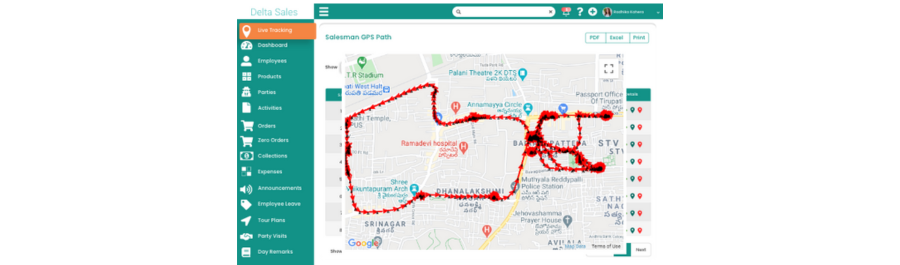
Sales reps may prioritize convenient outlets and skip hard-to-reach stores. Without daily tracking, founders remain unaware of gaps in coverage, and even a small 5–10% neglect compounds over time, shrinking distribution and allowing competitors to replace shelf space. Using Sales Force Automation (SFA) allows founders to track rep locations, monitor outlet visits, and ensure beat compliance in real time.
-
Outlet Coverage & SKU Tracking
Many founders rely solely on primary sales data or aggregated reports. This hides which SKUs are actively being sold versus those neglected. Monitoring SKU performance and outlet coverage daily ensures that slow-moving products don’t get pushed aside and allows for immediate corrective actions. For broader inventory insights, tracking inventory turnover helps align stock with actual demand. -
Decision-Making & Strategy
Without visibility, decisions are often based on assumptions or intuition. Daily field insights convert operational data into actionable strategy, enabling smarter distributor management, route optimization, and resource allocation. Strong performers are recognized, underperformers are coached, and founders can respond to issues before they impact growth.
By focusing on these aspects, FMCG founders shift from reactive management to proactive execution, ensuring that growth leaks are minimized and operations run efficiently
The Psychological Shift with Visibility
When FMCG founders gain real-time visibility into field operations, the impact goes beyond numbers; it changes the entire organizational mindset. Visibility transforms daily operations into actionable intelligence, creating a culture of accountability, improving decision-making, and enhancing execution. What was once guesswork becomes data-driven strategy, and small adjustments in field behavior compound into significant growth over time.
Key effects of enhanced visibility:
-
Sales Reps Understand They Are Measured
When field reps know that their routes, outlet visits, and SKU coverage are being tracked, they naturally become more disciplined and productive. This isn’t about micromanagement; it’s about accountability. -
Managers Stop Guessing
With access to daily execution data, managers no longer rely on assumptions or delayed reports. They can quickly identify underperforming territories, optimize beat planning, and provide targeted coaching. Daily dashboards make trends visible, enabling proactive decisions rather than reactive firefighting. -
Founders Make Fact-Based Decisions
Rather than relying on intuition or monthly reports, founders can monitor distribution coverage, SKU-level sales, and secondary sales in real time. This data-driven approach allows founders to optimize resource allocation, prevent revenue leakage, and scale efficiently.
By fostering this psychological shift, FMCG companies transform their culture from reactive to proactive. Strong performers are recognized, weak points are addressed immediately, and execution improves organically, leading to compounding growth over time.
How Delta Sales App Solves Field Visibility Challenges
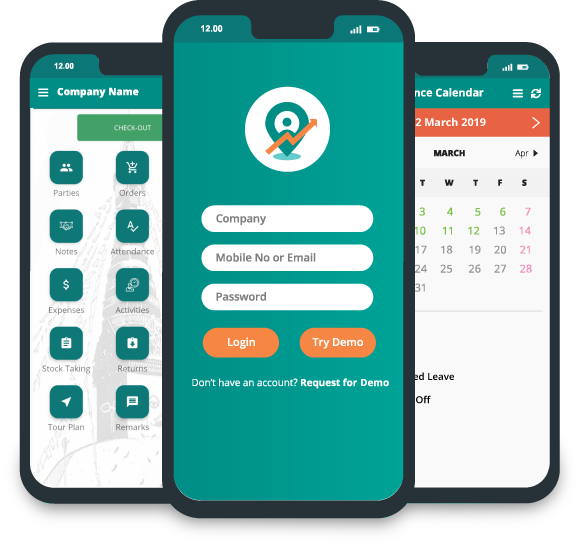
Delta Sales App provides full-field transparency, ensuring FMCG founders are no longer operating blind when it comes to daily operations and growth leaks. By integrating multiple tools into a single platform, founders can monitor every critical aspect of field execution and make data-driven decisions that prevent revenue loss.
-
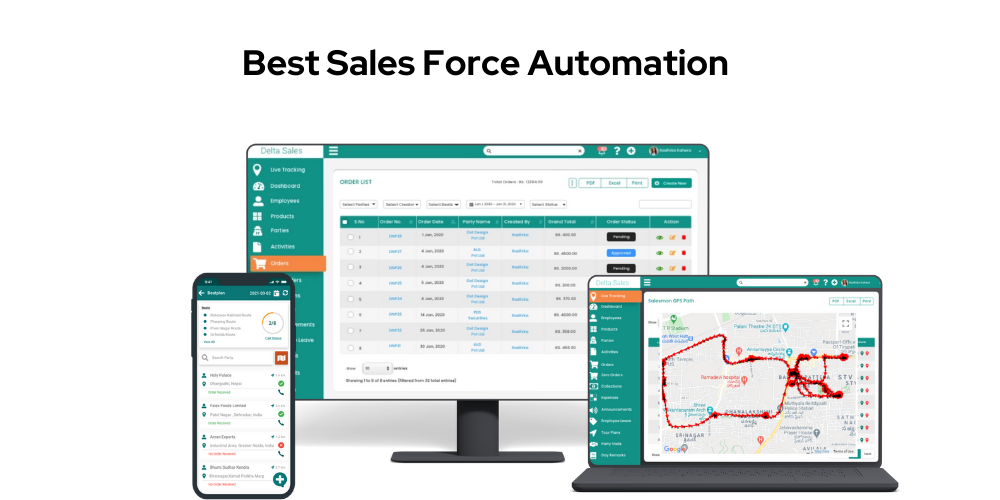
Sales Force Automation (SFA): The SFA module allows founders to track sales rep locations in real time, ensuring each representative follows their assigned beats and covers all outlets efficiently. Orders are captured digitally, eliminating delays and errors from manual reporting, while outlet coverage monitoring helps identify unvisited or low-frequency stores. Strike rate, measuring productive visits versus total visits, improves as managers gain visibility into daily execution.
-
Distributor Management System (DMS): The distributor management system provides transparency into secondary sales, showing what actually reaches retail outlets rather than just distributor orders. Inventory tracking ensures stock is available without overstocking, while scheme performance monitoring allows founders to evaluate trade promotions’ effectiveness and optimize marketing spend. Using DMS internally ensures that operational inefficiencies and cash bottlenecks are detected early, which ties closely to our coverage on the Distributor Management System.
-
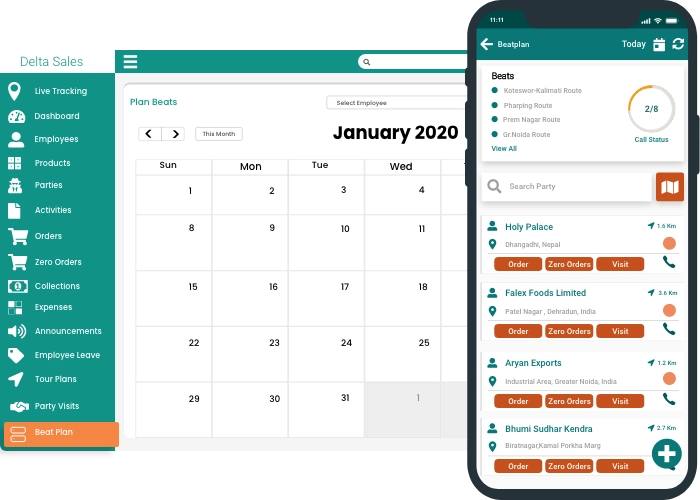
Beat Planning Software: Optimized route planning reduces travel time for field reps, allowing more productive calls per day. By planning each rep’s daily beat based on outlet location and priority, coverage efficiency improves while unnecessary travel is minimized. This structured approach ensures that every outlet gets the attention it needs without increasing headcount or expenses.
-
Retail Execution Software: Proper execution at retail is critical for converting distribution into sales. This software ensures on-shelf availability, adherence to planograms, visibility of competitor activity, and correct scheme implementation. By maintaining high retail standards across multiple outlets, brands can prevent revenue leakage and strengthen their market presence without over-relying on trade promotions.
-
Analytics & Reporting Dashboards: Consolidated analytics & reports dashboards combine data from SFA, DMS, Beat Planning, and Retail Execution modules to provide actionable insights. Founders can analyze SKU performance, outlet coverage, cost per visit, and repeat order frequency, identifying underperforming areas and adjusting strategy in real time. These insights allow for smarter allocation of resources and help prevent the silent 20–30% growth loss that often goes unnoticed in traditional reporting systems.
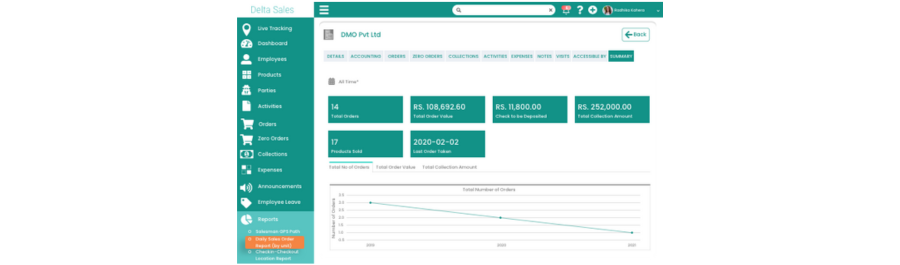
By integrating all these tools in one platform, the Delta Sales App empowers FMCG founders to track execution in real time, detect operational leaks early, and reclaim lost growth without the need for additional manpower or excessive trade schemes.
Conclusion
Poor field visibility erodes 20-30% of FMCG growth, often without the founders' knowledge. The difference is not in demand or product quality; it is in execution. Growth leaks occur every day on the ground, ranging from skipped outlets to inefficient beats, selective SKU selling, and time misallocation. Real-time visibility converts this hidden chaos into actionable insights, which boosts accountability, productivity, and revenue. With the right tools, founders can identify problems early on, optimize their teams, and convert minor operational improvements into significant, compounding growth.
Stop losing growth quietly. Book a demo with the Delta Sales App today to gain real-time insights, optimize field productivity, and scale your FMCG brand profitably.