
How to Track Field Sales Representatives: A Complete Manager’s Guide to GPS, Activity & Performance Tracking
Do You Really Know What Your Field Reps Are Doing?
You hired 20 people to work in the field. Do you know where any of them are right now or what they're doing? The answer for many managers is "not really." And it's not because your team isn't paying attention; it's just that managing field sales across different locations is hard. Tracking attendance, client visits, routes, or outcomes is almost impossible without real-time visibility.
Picture this: a rep says they met with a very important client yesterday, but the meeting never happened. This small gap could mean lost sales, poorly managed territories, and missed coaching chances. Old-fashioned tools like spreadsheets, WhatsApp check-ins, or weekly reports are slow, full of mistakes, and make you guess all the time.
This guide is meant to help with that. We'll go over all the ways to keep an eye on your field reps, including live GPS tracking, geo-fenced check-ins, activity tracking, order management, and performance monitoring. You'll also learn how to strike a balance between trust and oversight so that your reps feel supported instead of watched.
This guide will help you see what's going on in the field in real time, make decisions based on data, and improve both accountability and performance, whether you're a sales manager, an operations head, or a business owner with a distributed team.
In this guide, you’ll discover:
-
Why tracking field reps is critical (and not optional)
-
The five types of field sales tracking that work
-
How GPS tracking, activity tracking, and KPIs can optimize performance
-
Ways to track without micromanaging
-
How to choose the right tracking tools for your team
Why Tracking Field Sales Reps Is Critical
It's like sailing a ship in the fog when you have to manage a field sales team without being able to see where they are. You want everyone to be going in the right direction, but you can't be sure. This lack of visibility poses significant business risks that can stealthily diminish revenue, efficiency, and team performance.
The Risks of No Tracking
- Ghost Visits
Reps sometimes say they went to see clients when they didn't. Managers can't tell the difference between honest mistakes and lying about something without checking. This means missed chances and wrong sales predictions.
- No Data for Coaching
Managers miss important information when they rely on anecdotal feedback or reports that come in late. You can't find patterns, weaknesses, or give targeted coaching without data.
- Lost Accountability
In a distributed team, reps might not do their best without warning. Managers can't step in ahead of time, which can cause missed goals, inconsistent client coverage, and employees who aren't interested.
- Revenue Leakage
Every missed appointment, late follow-up, or poorly handled client interaction means money lost. These gaps often go unnoticed until it's too late if you don't keep track of them.
The Benefits of Good Tracking
When field reps are properly tracked, managers gain real-time operational visibility, enabling smarter decisions and stronger performance:
-
Real-Time Decision Making: Know instantly if a rep is behind schedule, off-route, or facing obstacles, and intervene before opportunities are lost.
-
Fair Performance Reviews: Use data-backed insights to evaluate reps objectively, rewarding productivity and coaching those who need improvement.
-
Territory Optimization: Identify under-served areas or overlapping routes and adjust assignments for maximum coverage.
-
Early Warnings on Underperformers: Detect trends before they impact sales, allowing proactive support and training.
Balancing Trust and Oversight
One of the biggest concerns for managers is how tracking will change the team's mood. Reps are often scared that someone is watching them or that their privacy will be invaded, but tracking doesn't have to mean that. It becomes a win-win when you frame it as a way to cut down on paperwork, give credit for every client visit, and help with performance reviews.
Companies that use field tracking tools say that up to 30% more people show up for their appointments. That means that salespeople are reaching out to more customers, managers can coach with confidence instead of guessing, and there is a chance to make more money.
In today's fast-paced market, it's not a choice to keep track of field sales reps; it's a must. The difference between reactive management, missed opportunities, and proactive, data-driven operations is what helps businesses grow.
The 5 Types of Field Sales Tracking (Explained)
It's like driving blind to manage a field sales team without the right tracking system. You might know your team is "out there," but do you know where they went, who they saw, or if they closed the deals you were counting on? To make sure that field sales reps are responsible, do a good job, and bring in the most money, modern sales operations use a number of different ways to keep track of them. Let's take a closer look at the five best ways to keep track of things.
1. GPS Live Location Tracking
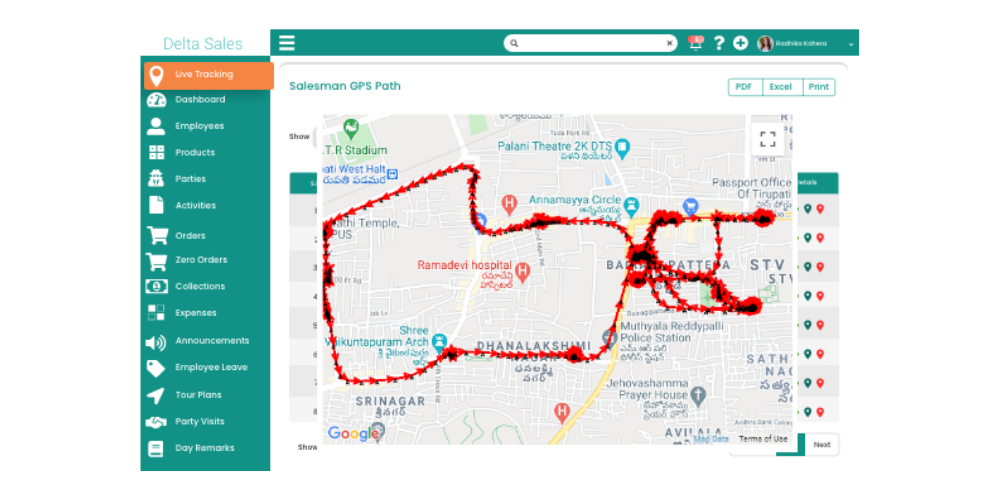
GPS tracking is the foundation of any modern tracking strategy. With field sales live tracking, managers can see:
-
Real-time location of each rep
-
Movement history throughout the day
-
Distance traveled and idle times
This lets managers see when reps are going off course, plan the best routes, and make sure they are spending time with the right clients. Live GPS tracking is a must-have tool for tracking the field sales team efficiently when teams are spread out over large areas.
2. Geo-Fenced Check-In Verification
Geo-fencing is a digital way to check that a sales rep was really at the client's site. A geo-fence makes a virtual barrier around a customer's address. Reps can only check in or out when they are actually inside it. For accurate records, each check-in has a time stamp.
Benefits include:
-
Preventing fake or “ghost” visits
-
Accurate logging of visit duration
-
Reliable proof of client interactions
This is especially useful for managers who need to validate client visits and maintain accurate records without relying on manual reporting.
3. Activity & Visit Tracking
Tracking activities goes beyond location. Field employee tracking includes:
-
Number of client visits per day
-
Duration of each visit
-
Outcome of the meeting (order booked, follow-up required)
-
Notes or remarks recorded by reps
By keeping track of field sales activities, managers can see how productive their employees are, what training they need, and what trends are affecting revenue. Automated tracking tools make it easier for managers and give salespeople more time to sell.
4. Order & Pipeline Tracking
A good field force automation software doesn't just keep track of visits; it also keeps track of how they affect sales. This includes:
-
Orders booked in the field
-
Updates to deal stages
-
Pipeline value per rep
Real-time order tracking lets managers see which deals are moving forward, which ones need more work, and where there are gaps in the pipeline. This makes sure that sales goals are based on current, accurate data instead of old reports.
5. Performance Tracking
Finally, performance tracking focuses on results, not just activity. Key metrics for field sales rep tracking include:
-
Visit completion rate
-
Conversion rate (visits to orders)
-
Revenue generated vs. target
-
Average order value
Performance tracking allows managers to create rep scorecards and set clear, objective benchmarks. Over time, this ensures accountability and provides a foundation for coaching.
Example: A manager uses performance tracking to reward top-performing reps and identify patterns among underperformers. By analyzing KPI trends alongside GPS and activity data, the manager can deliver personalized coaching instead of relying on intuition.
Field sales tracking systems provide multiple layers of visibility and control to streamline on-ground operations. GPS live location tracking enables businesses to monitor real-time movement of sales representatives, helping prevent inefficiencies and optimize travel routes. Geo-fenced check-ins ensure that reps are physically present at client locations, effectively eliminating fake or “ghost” visits. Additionally, activity and visit tracking allows managers to monitor the number of visits, their duration, and outcomes, which directly supports better productivity management and targeted coaching.
Beyond daily activity monitoring, these systems also play a critical role in revenue and performance management. Order and pipeline tracking provide real-time visibility into sales figures, ensuring accurate pipeline forecasting and reliable revenue reporting. At the same time, performance tracking helps measure KPIs against set targets, driving greater accountability across the team while consistently improving overall sales performance.
How GPS Tracking Works for Field Sales Teams
Knowing where your field reps are is just the first step in managing a distributed sales team. GPS tracking changes the way managers keep an eye on, analyze, and improve field operations by giving them real-time visibility and cutting down on paperwork.
How GPS Tracking Works Technically
-
App Installation: Each rep installs a mobile tracking app on their smartphone. This app is lightweight, secure, and runs in the background during working hours.
-
GPS Pings: At defined intervals, the app sends the rep’s location to the central system. Smart ping intervals balance accuracy with battery efficiency, ensuring devices don’t drain quickly.
-
Real-Time Dashboard: Managers see a live map of all reps, including movement history, idle times, and routes traveled. Any unusual inactivity or deviations from planned routes trigger alerts.
-
Historical Data Logging: All locations are logged to allow review of past activity for performance analysis, territory optimization, and reporting.
This combination of real-time and historical tracking gives managers complete insight into field sales operations, helping them make data-driven decisions rather than relying on guesswork.

What Managers Can See
Using GPS tracking for field sales, managers can:
-
Monitor live movements of field reps across territories
-
Review detailed movement timelines to understand route efficiency
-
Detect prolonged inactivity and address potential issues proactively
-
Measure distance traveled per day and identify areas for route optimization
For instance, if Rep A is covering a big city area, GPS tracking can show exactly which customers were visited, how long it took to get there, and where there were delays. After that, managers can change the call plans or give advice on how to manage time better.
Battery & Privacy Considerations
A common concern with GPS tracking is privacy and battery life. Here’s how modern tools address these issues:
-
Battery Efficiency: Apps use intelligent ping intervals instead of constant tracking, reducing battery drain.
-
Working-Hours Tracking: Reps are only tracked during designated working hours, ensuring privacy outside of work.
-
Data Privacy: Clear policies ensure location data is used strictly for operational purposes, not surveillance. Transparency builds trust and prevents pushback from reps.
Geo-Fencing: A Deep Dive
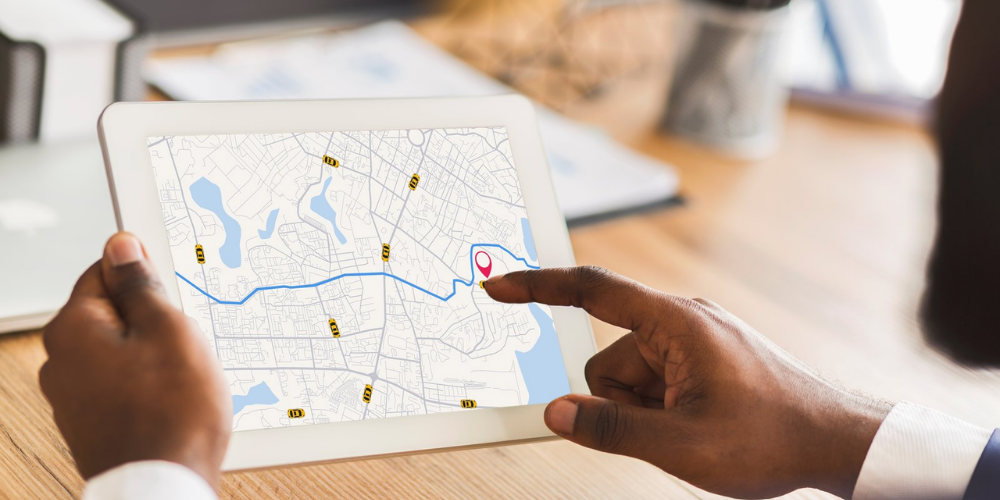
Geo-fencing is a critical feature in field sales rep tracking that enhances accuracy and accountability:
-
Define Client Radius: Managers set a digital perimeter around client locations.
-
Auto Check-In/Check-Out: Reps automatically check in when entering the geo-fenced area and check out when leaving.
-
Visit Duration Logged: The system automatically records time spent at the client location.
-
Proof of Visit: Timestamped records provide verifiable evidence of client interactions.
For example, if a rep enters a client’s store at 10:05 AM and leaves at 10:25 AM, the system logs the 20-minute visit automatically. This eliminates manual reporting errors and ensures accountability.
Tip for integration: Many field sales monitoring software programs combine GPS tracking and geo-fencing with tracking of activities and updates on orders. This unified approach lets managers keep an eye on the field sales team as a whole, including their location, visits, orders, and performance metrics.
Why GPS Tracking is Essential for Modern Field Teams
-
Provides real-time visibility into daily field operations
-
Improves route efficiency and reduces wasted travel time
-
Enhances accountability without micromanaging
-
Supports coaching and performance management with data
How to Track Field Sales Activities
It's important to know where your field reps are, but their location isn't the only thing you need to know. Tracking field sales reps well also means keeping an eye on their activities, visits, and results. By keeping an eye on these numbers, managers can make workflows more efficient, give reps good coaching, and make sure that every interaction with a client makes money.
1. Daily Visit Activity Tracking
Tracking daily visits gives managers a clear view of how reps spend their time in the field. Key questions to monitor include:
-
Did the rep visit the right clients?
-
How many planned vs. actual visits were completed?
-
What was the outcome of each visit?
Example: Rep A was scheduled to visit 10 clients but completed only 6. Using activity tracking data, the manager can quickly identify gaps and investigate whether time management, travel issues, or client availability caused the discrepancy.
By combining location and activity data, managers can track the field sales team more accurately and ensure resources are allocated efficiently.
2. Digital Visit Forms
Modern field sales monitoring software includes digital visit forms that reps complete during each client interaction. Forms typically capture:
-
Client name and location
-
Purpose of the visit
-
Outcome
-
Next action steps
-
Photos of displays, shelves, or promotional material
These forms are sent to the manager's dashboard automatically, which cuts down on the need for manual reporting and makes sure that insights are available on time. Managers can look at visits in real time, which helps them make decisions and coach faster.
3. Meeting Notes & Audio Capture
Some advanced tracking tools allow reps to capture meeting notes, voice recordings, or even audio transcriptions (with client consent). This feature helps:
-
Capture important client requirements
-
Maintain consistent communication quality across reps
-
Provide material for coaching or training
Example: A manager reviewing audio transcriptions notices a common objection raised by multiple clients. They can use this insight to train the team on handling objections more effectively, improving conversion rates.
4. Order Tracking in the Field
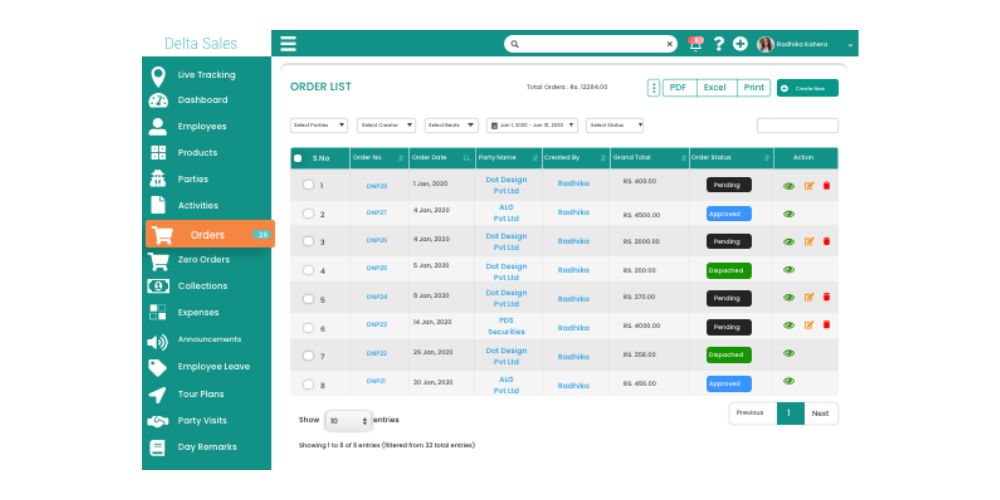
A complete field sales monitoring software goes beyond visits by tracking orders in real time:
-
Orders are booked directly on the rep’s mobile app
-
Data syncs automatically with CRM/ERP systems
-
Managers see the live sales pipeline, including revenue and deal stage
Example: Rep B closes a $5,000 order while on-site. The manager immediately sees this update and can adjust inventory forecasts, plan delivery, or prioritize follow-ups with other clients.
5. Setting Daily Visit Targets
To ensure efficiency, managers can set daily visit targets and call plans for reps:
-
Assign priority clients based on potential revenue or strategic importance
-
Track adherence to daily plans using activity tracking
-
Adjust territories or schedules based on performance trends
Example: If a rep consistently misses low-value client visits, managers can reassign territory or adjust priorities to focus on high-impact opportunities.
How to Track Field Sales Performance (KPIs & Metrics)
Tracking field sales performance is about turning data from GPS, visits, and orders into actionable insights. While location and activity tracking tell you what reps are doing, performance tracking tells you how well they are doing. For managers, this is essential to coach teams effectively, optimize territories, and drive revenue.
The 8 Essential KPIs for Field Sales Teams
Tracking key performance indicators (KPIs) that go beyond just visit counts is important if you want to be able to accurately measure and manage the performance of your field sales team. These metrics give managers useful information about how productive their employees are, how engaged their clients are, and how much money they are making. Here is a detailed look at the eight most important KPIs for each field rep:
1. Visits per Day
This key performance indicator (KPI) shows how many client visits a rep makes compared to their daily goal. Tracking visits per day helps managers figure out if reps are covering their assigned areas and using their time wisely. Reps who consistently meet or exceed their daily visit goals are more likely to make more money and keep good relationships with their clients.
2. Visit-to-Order Conversion Rate
This metric calculates the percentage of client visits that result in an order or a meaningful follow-up. A high conversion rate indicates effective sales interactions, while a low rate may signal the need for coaching on client engagement, objection handling, or presentation techniques.
3. Average Order Value
This KPI measures the revenue generated per order. Monitoring average order value helps managers identify which reps are closing high-value deals and which clients generate the most revenue. It also informs incentive programs and sales strategy adjustments.

4. Client Coverage Rate
Client coverage rate measures the percentage of assigned clients that a rep visits within a given period. It ensures that reps are maintaining consistent engagement across all accounts, rather than focusing only on select clients. High coverage rates indicate proactive client management, while low rates may signal neglected accounts or territory gaps.
5. Follow-Up Completion Rate
Following up on leads and pending client actions is critical for conversion and retention. This KPI tracks how consistently reps complete follow-ups, whether it’s sending proposals, confirming orders, or addressing client concerns.
6. Target vs. Actual Revenue
This KPI compares a rep’s actual sales against revenue targets. Tracking target vs. actual revenue allows managers to evaluate performance objectively and identify both high achievers and underperformers. It’s also a key metric for incentive planning and sales forecasting.
7. New vs. Repeat Client Ratio
A balanced sales strategy includes acquiring new clients while maintaining existing relationships. This KPI measures the ratio of sales generated from new clients versus repeat clients. Monitoring this ratio helps managers evaluate the team’s focus on growth and retention, ensuring the business maintains a healthy pipeline.
8. Time Per Visit (Duration)
This KPI measures how long a rep spends with each client. While too little time may indicate rushed visits and poor engagement, excessive time per client can suggest inefficiency. Tracking time per visit helps managers optimize schedules, improve productivity, and ensure high-quality interactions without wasting resources.
Tracking these KPIs allows managers to evaluate productivity objectively rather than relying on gut feelings or anecdotal evidence.
Building a Rep Scorecard
A rep scorecard consolidates multiple KPIs into a single performance metric, making it easier to review and compare reps:
Example Weighted KPI Scoring:
-
Visits Completed - 30% weightage
-
Conversion Rate - 40% weightage
-
Revenue Generated - 30% weightage
Each rep receives a score weekly based on these weights. High-performing reps can be recognized or rewarded, while underperformers are given targeted coaching based on data.
Using Tracking Data for Coaching
It's not just about metrics when you track performance; it's also about getting better results. Field employee tracking data can help managers:
-
Identify high performers and replicate their strategies across the team
-
Find people who aren't doing well early on and deal with problems before they happen.
-
Look for patterns in client interactions by combining data on location, activity, and outcome.
-
Give coaching sessions based on facts instead of guesses.
For example, a manager sees that Rep C has a lot of visits but not many conversions. The manager sees that the rep isn't spending enough time on client objections by looking at visit notes and order data. Coaching is more about making interactions better than getting more visits.
Frequency of Performance Review
Consistency is key when tracking KPIs:
-
Daily: Review visit counts and completed tasks
-
Weekly: Monitor activity trends, conversion rates, and pipeline updates
-
Monthly: Compare performance vs targets and revenue contributions
-
Quarterly: Optimize territory strategy, client coverage, and team allocation
Regular reviews ensure managers are proactive rather than reactive, allowing continuous improvement of both individual reps and the overall field sales team.
How to Track Without Micromanaging (The Trust Framework)
Tracking your field sales team can feel like a double-edged sword. On one hand, managers need visibility into visits, activity, and revenue. On the other hand, reps often fear surveillance or invasion of privacy. The key is creating a trust-based tracking framework that balances oversight with autonomy.
Why Reps Push Back on Tracking
Even the most transparent tracking systems can trigger resistance. Common concerns include:
-
Privacy invasion: Reps fear being monitored outside of work hours or in non-work spaces.
-
Micromanagement: Continuous tracking may feel like constant scrutiny rather than support.
-
Distrust: Some reps assume tracking is meant to catch mistakes rather than improve performance.
Acknowledging these fears is the first step to implementing tracking ethically and successfully.

Shift From Activity-Based Surveillance to Outcome-Based Tracking
Instead of monitoring every step reps take, focus on outcomes that matter:
-
Did the rep complete scheduled client visits?
-
Were orders booked or deals advanced in the pipeline?
-
Were follow-ups and client commitments completed on time?
By emphasizing results rather than constant location checks, managers can reduce stress and create a more empowered field team.
Example: Instead of tracking how long a rep spends driving between clients, track whether they completed all scheduled visits and achieved their daily revenue target.
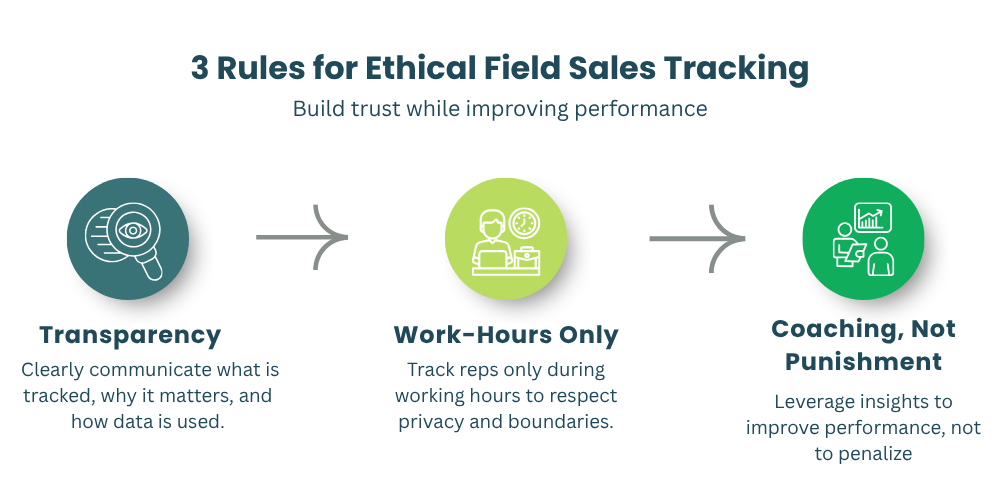
3 Rules for Ethical Field Sales Tracking
-
Transparency: Clearly communicate what data is tracked, why it’s tracked, and how it will be used. Reps should understand that tracking is a tool to support them, not punish them.
-
Working-Hours Tracking Only: Restrict GPS and activity tracking to official working hours. Reps should have privacy outside of work.
-
Use Data for Coaching, Not Punishment: Tracking data should help reps improve performance, provide credit for completed work, and identify development opportunities rather than penalize minor mistakes.
How Top Managers Introduce Tracking
Successful managers frame tracking as a productivity and recognition tool:
-
Reduces admin work by automating manual reporting
-
Gives reps credit for every client visit completed
-
Ensures fair, data-driven performance reviews
-
Provides insights to help reps succeed and improve sales outcomes
For example, a manager shows sales reps how check-ins, digital visit forms, and performance metrics cut down on the time they spend reporting by hand. They also talk about how top performers will be rewarded for their hard work.
Benefits of a Trust-Based Approach
-
Maintains rep morale while improving accountability
-
Encourages adoption of tracking tools without resistance
-
Focuses on coaching and performance improvement
-
Ensures tracking is seen as a supportive resource, not a surveillance tool
When implemented correctly, field employee tracking becomes a win-win: managers gain visibility, and reps gain clarity, recognition, and fair evaluation.
Choosing the Right Field Sales Tracking Tool
Selecting the right field sales monitoring software is critical for maximizing team performance and operational efficiency. The right tool should go beyond basic GPS tracking to provide real-time insights, activity monitoring, and performance management, all while maintaining trust with your reps.
Must-Have Features
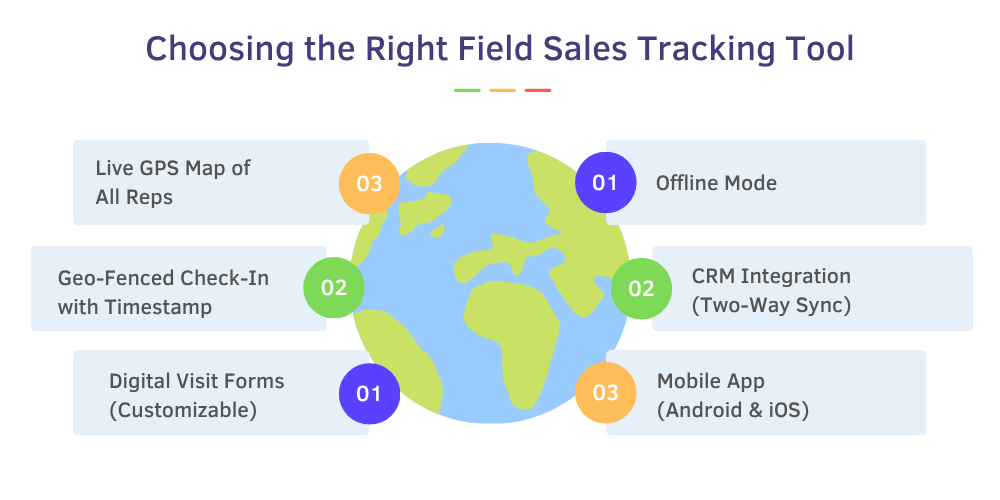
When evaluating a field sales tracking tool, these features are essential:
-
Live GPS Map of All Reps : Visualize every rep’s location in real time to track routes, identify idle time, and monitor territory coverage.
-
Geo-Fenced Check-In with Timestamp: Ensure client visits are verified and accurately logged without manual intervention.
-
Digital Visit Forms (Customizable): Capture client visit details, outcomes, and follow-ups in a structured format.
-
Manager Dashboard with Real-Time Data: Centralized view of team activity, orders, and performance.
-
Offline Mode: Critical for low-connectivity areas, allowing reps to log visits and orders offline and sync later.
-
CRM Integration (Two-Way Sync): Keep your sales pipeline and ERP/CRM updated automatically, ensuring no data gaps.
-
Mobile App (Android & iOS): Enable field reps to access the system on the go, capturing orders, visits, and notes seamlessly.
These features ensure you can track the field sales team effectively, reduce manual reporting, and maintain data accuracy.
Good-to-Have Features
While not essential, these features enhance efficiency and productivity:
-
Route Optimization & Beat Plan Management: Plan the most efficient paths for reps to reduce travel time.
-
Order Booking in the Field: Capture revenue in real time, ensuring managers always see the live pipeline.
-
Photo & Audio Capture at Client Sites: Collect proof of displays, shelf presence, or client discussions.
-
Territory Management & Assignment Tools: Simplify territory allocation and balance workloads.
By combining must-have and good-to-have features, managers can track field sales activities, monitor performance, and optimize operations without overburdening reps.
Key Considerations for Selection
- Ease of Use: A tool is only as effective as the team using it. Choose software that is intuitive for reps and managers alike.
-
Scalability: Ensure the platform can grow with your team and handle additional territories or reps.
-
Data Security & Privacy: Confirm the vendor follows strong privacy protocols and only tracks during working hours.
-
Integration Capabilities: Seamless syncing with your CRM or ERP ensures no data is lost or duplicated.
-
Support & Training: Reliable customer support and onboarding resources help maximize adoption and ROI.
Picking the right field sales tracking software is more than just picking software. It's about setting up a system that makes the whole team more efficient, accountable, and successful in sales.
To explore and compare the best tools available, check out our guide on choosing the right field sales software for your business → The Complete Guide to Field Sales Management Software
Conclusion:
It doesn't have to be guesswork to manage a field sales team that is spread out. Managers can see visits, orders, and results in real time by using GPS, geo-fencing, activity tracking, and performance monitoring to keep track of field sales reps. This lets you coach based on data, find the best routes, and give fair performance reviews, all while keeping your reps' trust.
Tracking isn't about controlling every little thing; it's about giving your team the tools they need to do their best work. Modern field sales monitoring software gives you the tools you need to boost productivity, boost revenue, and grow your business in a smart way, from checking client visits to keeping an eye on key performance indicators. Delta Sales App changes the way you manage your reps, whether they are in a small group or spread out over several areas. It cuts down on missed opportunities, makes sure everyone is responsible, and gives you confidence in every decision.
See your field sales team in real time and boost performance. Book your free demo today with Delta Sales App