
Hidden Costs of Developing Retail Execution Software In-House
In the current fast-paced retail and CPG landscape, perfect retail execution isn’t just a choice, it's essential. Brands require instant insights into store visits, product availability on shelves, ongoing promotions, distributor efficiency, and the productivity of their field teams.
At first glance, building your own system may seem appealing. Full control, custom features, and no dependency on vendors it sounds ideal. But what many organizations discover too late is that the real cost of in-house development goes far beyond development budgets and timelines.
Let’s uncover the hidden costs of developing retail execution software internally, and why many brands eventually move toward purpose-built platforms like Delta Sales App.
The Illusion of Full Customization
One of the biggest reasons companies choose in-house development is the promise of customization. The idea of tailoring software exactly to your business processes feels empowering.
However, retail execution is complex and constantly evolving.
Your software must support:
-
Outlet audits: Regular inspections of retail outlets ensure compliance with brand standards, correct product placement, and accurate inventory, which are crucial for successful retail execution.
-
Field Sales Tracking: Monitoring sales reps’ activities and performance in real-time helps ensure they visit assigned outlets and meet sales targets efficiently.
-
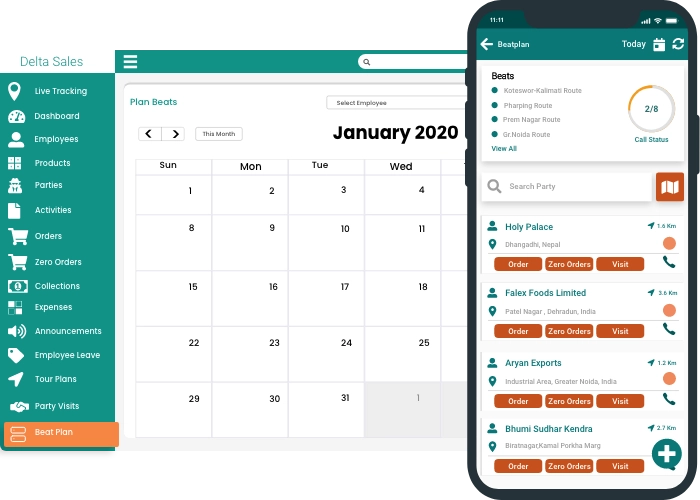
Beat Planning and Route Optimization: Organizing sales reps’ daily routes strategically reduces travel time and maximizes the number of outlets visited, improving overall productivity.
-
Distributor and Secondary Sales Visibility: Tracking distributor activities and secondary sales provides insights into supply chain performance, helping prevent stockouts and ensuring products reach end consumers.
-
Real-time Reporting and Analytics: Instant access to sales data and performance metrics allows managers to make quick, informed decisions and respond promptly to market changes.
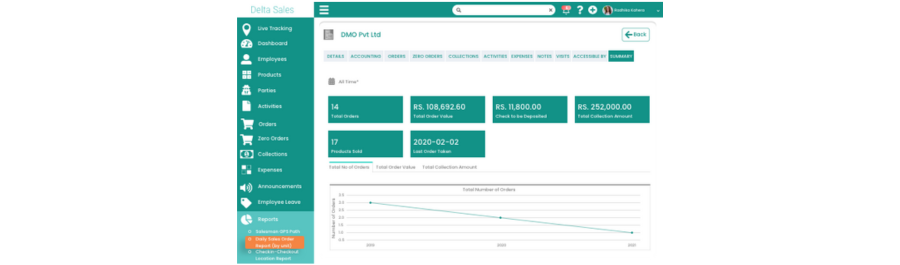
Most teams underestimate how many workflows actually exist on the ground. As soon as sales reps start using the system, new requirements surface. Suddenly, what began as a “simple custom build” turns into an endless cycle of revisions.
Development Time Is Opportunity Cost
Building retail execution software is not a quick project. Even a basic version can take 6–12 months to launch, and that’s assuming everything goes according to plan.
During this time:
-
Sales Teams Continue Using Manual Reporting: Without software, sales reps rely on time-consuming, error-prone manual reports, reducing efficiency and slowing down data collection from the field.
-
Managers Lack Real-Time Visibility: Managers can’t see live data, making it harder to quickly identify problems or adjust strategies for better retail performance.
-
Stockouts, Missed Visits, and Execution Gaps Persist: Delays in software implementation allow inventory shortages, skipped store visits, and poor execution, directly impacting sales and customer satisfaction.
The cost here isn’t just financial, it's lost market opportunities.
Every month without proper retail execution software means delayed insights, slower decisions, and weaker control over the field.
Hidden Maintenance and Upgrade Costs
Many organizations budget for development but forget about maintenance. Retail execution software is never “done.”
You’ll need:
-
Regular Bug Fixes: Fixing errors and glitches is necessary to keep the software running smoothly and avoid disruptions.
-
Feature Upgrades: Adding new functionalities to meet evolving business needs demands developer time and resources.
-
OS and Device Compatibility Updates: The software must be updated regularly to work seamlessly with new operating systems and devices used by field teams.
-
Performance Optimization: Improving speed and responsiveness requires continual adjustments to handle growing data and user loads efficiently.
-
Security Patches: Regular updates are crucial to protect sensitive data from emerging cybersecurity threats and vulnerabilities.
As your business grows, the software must scale with more users, more outlets, and more data. Each upgrade requires developer time, testing, and deployment costs that compound silently over the years.
Security and Compliance Risks
Retail execution software handles sensitive data:
-
Sales Figures: Protecting confidential sales data is crucial to prevent leaks that could harm competitive advantage or market positioning.
-
Outlet-Level Performance: Detailed store performance data must be securely stored to maintain trust and operational integrity.
-
Distributor Pricing: Sensitive pricing information requires strict security to avoid unfair market manipulation or insider leaks.
-
Employee Location Tracking: Tracking field staff locations involves privacy concerns, demanding compliance with regulations and secure data handling.
Ensuring enterprise-grade security is expensive and highly specialized. In-house teams must constantly monitor vulnerabilities, manage access controls, and comply with evolving data protection regulations.
A single security breach can lead to reputational damage and financial loss that far outweighs the cost of software subscriptions.
Training and Adoption Challenges
Even the most powerful software fails if field teams don’t use it properly.
Custom-built tools often struggle with:
-
Poor User Experience: Custom software often has confusing designs, making it hard for users to navigate and complete tasks efficiently.
-
Complex Interfaces: Overly complicated screens frustrate users, reducing motivation to adopt the system consistently in daily work.
-
Limited Mobile Optimization: If the software isn’t fully optimized for mobile devices, field reps struggle to use it on the go, limiting its usefulness.
As a result, adoption drops. Sales reps revert to spreadsheets, WhatsApp updates, or paper notes defeating the entire purpose of the system.
Analytics That Don’t Drive Action
Retail execution is not just about data collection it’s about actionable insights. Many in-house systems focus heavily on data capture but fall short when it comes to:
-
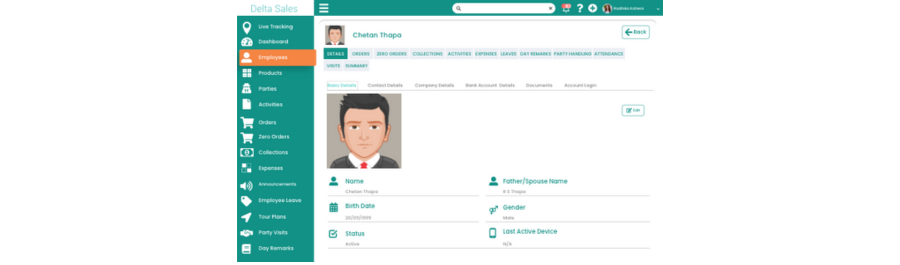
Meaningful Dashboards: Dashboards should present clear, relevant information at a glance, enabling managers to understand performance without digging through raw data.
-
Performance Benchmarking: Comparing team or store results against targets or peers helps identify strengths and weaknesses for focused improvements.
-
Exception Alerts: Automated alerts highlight unusual or critical issues immediately, allowing timely intervention before problems escalate.
-
Trend Analysis: Identifying patterns over time helps anticipate challenges and opportunities, guiding strategic planning.
Without advanced analytics, managers are forced to manually interpret data, slowing decision-making.
Dependency on Internal Talent
Relying heavily on specific internal experts for software development creates risks if those individuals leave or become unavailable. An often-overlooked risk of in-house development is talent dependency.
What happens if:
-
Key developers leave the organization?
-
The original architects are unavailable?
-
Knowledge is poorly documented?
As time passes, new developers struggle to grasp the system, increasing costs, delays, and risks in software improvements. Over time, the software becomes harder to maintain and enhance. New developers need weeks or months to understand the system, increasing costs and risks.
Lack of Industry Best Practices
Retail execution goes beyond technology, it's deeply tied to operational expertise and industry know-how. When companies develop software in-house, it’s often designed based on their own internal processes and assumptions.
While this might seem efficient at first, it usually misses out on proven industry best practices that have been refined through years of experience across multiple companies and markets. Without these benchmarks, in-house solutions risk becoming outdated or ineffective, limiting a brand’s ability to compete. In contrast, purpose-built retail execution platforms incorporate the collective knowledge and successful strategies of many businesses, enabling smarter, data-driven decision-making.
In-house software is built based on internal assumptions, which may not reflect industry benchmarks or best practices. Over time, this limits your ability to compete with brands using smarter, data-driven execution strategies.
Scaling Becomes a Bottleneck
What works for 50 sales reps may collapse at 500. Scaling in-house software requires:
-
Infrastructure Upgrades: Supporting more users and data often requires costly investments in servers, storage, and network capacity.
-
Performance Tuning: The system needs ongoing adjustments to maintain speed and responsiveness as usage increases.
-
Data Architecture Changes: Handling larger volumes of data demands redesigning databases and workflows, which can be complex and expensive.
Each expansion introduces new costs and risks. Many companies reach a point where scaling becomes slower and more expensive than expected.

Predictability vs. Financial Surprises
One of the biggest hidden costs of in-house development is financial unpredictability. Unexpected expenses include:
-
Delayed Launches: Project delays increase costs and postpone software benefits, affecting overall business plans.
-
Emergency Bug Fixes: Urgent problems require immediate, often costly, developer intervention that disrupts budgets.
-
Additional Feature Requests: New requirements during development add time and expense beyond the original plan.
- Infrastructure Failures: System crashes or hardware issues cause unexpected repair costs and operational downtime.
In contrast, SaaS-based solutions offer predictable pricing models, making budgeting simpler and more transparent.
With platforms like Delta Sales App, businesses know exactly what they’re investing in—and what value they’re getting in return.
The Smarter Path Forward
Building retail execution software in-house may seem strategic, but hidden costs often outweigh the benefits. Issues like scope creep consume time, budget, and developer resources, slowing progress and draining your team.
Purpose-built platforms like Delta Sales App allow brands to:
-
Every month without proper retail execution software means delayed insights, slower decisions, and weaker control over field operations. With a field sales tracking software, companies can launch in weeks, not months, and start improving execution almost immediately.
-
Purpose-built platforms like retail execution modules are designed around real-world field sales workflows tested across industries, reducing the risk of endless revisions and missed features.
-
Cloud-based platforms, such as Delta Sales App, handle updates, performance improvements, and feature enhancements automatically, relieving your IT team from ongoing maintenance burdens. Their secure sales automation system continuously invests in data protection and role-based access, a level of security challenging for in-house teams to maintain.
-
Mobile-first solutions like sales tracker apps simplify adoption with intuitive workflows and offline capabilities, making training faster and reducing resistance from field teams. Meanwhile, real-time dashboards convert raw data into actionable insights, helping managers optimize routes and coverage efficiently.
-
With a managed, scalable platform like sales force automation software, expertise stays constant despite internal staffing changes. This allows your business to focus on growth, adopting proven industry best practices without trial and error.
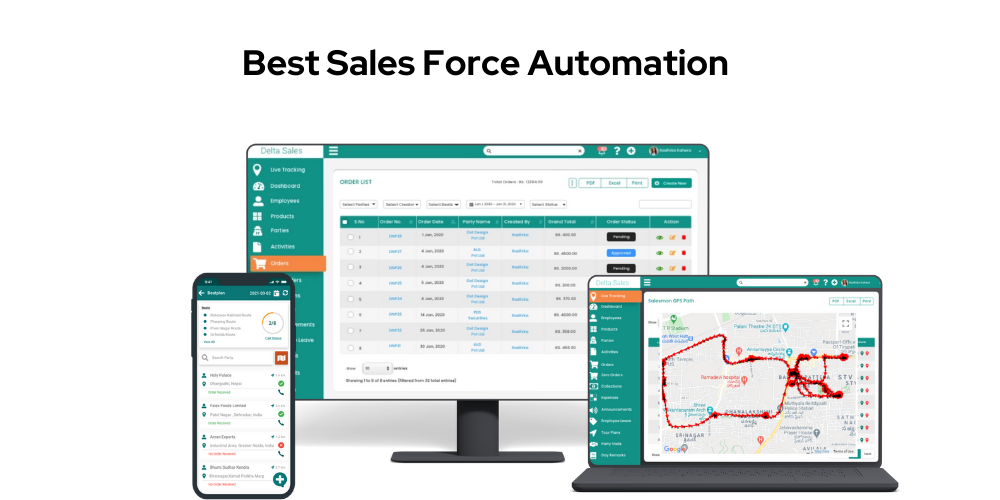
In summary, choosing such platforms lets you concentrate on what truly matters: growing sales, strengthening retail presence, and winning at the point of sale without becoming a software company.
Conclusion
Technology should accelerate your business, not slow it down. When retail execution is critical to your growth, choosing the right platform is more than just an IT decision, it's a strategic move that can make or break your success.
With Delta Sales App, you get a purpose-built, easy-to-use solution designed specifically to optimize retail execution, improve field team productivity, and deliver real-time insights. Don’t let hidden costs or delays hold your business back.
Ready to boost your retail execution? Contact us today to schedule a demo and see Delta Sales App in action!