
How Regional Sales Managers Can Track 100+ Reps Easily
Managing a large field sales team is no small task. For Regional Sales Managers (RSMs), tracking the daily activities, performance, and productivity of 100+ sales representatives can quickly become overwhelming. From knowing who is meeting clients to understanding which territories are underperforming, visibility is the biggest challenge.
The good news? With the right approach, tracking a large sales force doesn’t have to feel chaotic. By combining structured processes, smart data usage, and modern tracking methods, RSMs can stay in control without micromanaging.
This blog breaks down practical, easy-to-follow strategies that help Regional Sales Managers efficiently track and manage large teams while keeping reps motivated and productive.
Why Tracking 100+ Sales Reps Is So Challenging
As teams grow, complexity grows with them. What works for managing 10 reps simply doesn’t scale to 100.
Some common challenges include:
-
Inconsistent reporting from reps: Different reps share updates in different formats and timelines, making it hard for managers to compare performance or get a consistent view of field activities.
-
Delayed updates from the field: When reps submit reports hours or days later, managers lose the ability to act quickly on issues, missed opportunities, or changing market conditions.
-
Lack of real-time visibility into daily activities: Without live updates, RSMs cannot track visits, routes, or customer interactions as they happen, reducing control over daily field execution.
-
Difficulty identifying top and low performers: Scattered data makes it challenging to spot high performers or struggling reps early, delaying coaching, recognition, and corrective action.
-
Time wasted compiling reports instead of analyzing them: Managers spend excessive time collecting and cleaning data manually, leaving little time for performance analysis, strategic planning, or team coaching.
Without a structured tracking system, RSMs often rely on fragmented data, calls, and spreadsheets leading to missed insights and poor decision-making.
Practical Strategies to Efficiently Track and Manage Large Sales Teams
-
Shift From Individual Monitoring to System-Based Tracking
Trying to track each rep individually is unsustainable. Instead, successful RSMs focus on system-based tracking where data flows automatically and consistently from the field.
This means:
-
Defining what needs to be tracked (visits, orders, follow-ups): Clearly identifying key activities ensures reps focus on important actions and managers receive consistent, relevant data to evaluate performance accurately.
-
Standardizing how reps submit information: Using a single, uniform reporting method eliminates confusion, reduces errors, and ensures all sales data is comparable across teams and regions.
-
Reviewing performance at a regional or territory level: Analyzing performance by territory helps RSMs spot trends, balance workloads, and improve results without constantly monitoring individual reps.
A centralized sales performance tracking system ensures all reps follow the same process, making comparisons fair and insights meaningful.
-
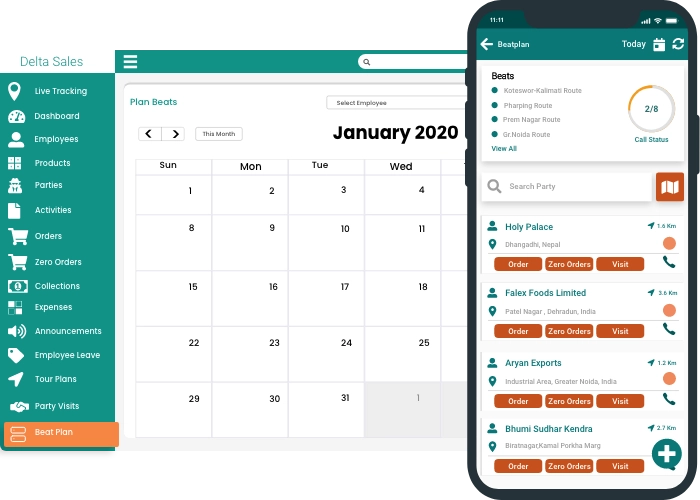
Use Territory-Wise Tracking for Better Control
One of the most effective ways to manage a large sales team is by tracking performance territory-wise instead of rep-wise.
When data is organized by region:
-
Identify high- and low-performing territories quickly: Territory-wise data highlights which regions are exceeding or missing targets, allowing managers to take focused action without analyzing individual rep performance daily.
-
Resource allocation becomes easier: When performance is visible by territory, RSMs can assign manpower, budgets, and promotions more effectively to regions that need the most support.
-
Travel planning and workload balancing improve: Territory tracking helps optimize routes and workloads, reducing unnecessary travel while ensuring fair distribution of customers across sales representatives.
This approach also supports territory management for sales teams, helping RSMs focus on strategic growth rather than daily firefighting.
-
Focus on Activity Metrics, Not Just Sales Numbers
Sales numbers show results but activity metrics explain why those results happen.
To track 100+ reps effectively, RSMs should monitor:
-
Number of daily customer visits: Tracking daily visits shows how actively reps are engaging the market and helps managers ensure proper coverage, discipline, and consistency across large sales teams.
-
Productive vs. non-productive calls: Comparing productive and non-productive calls reveals call quality, helping RSMs identify training needs and improve conversion rates, not just increase visit counts.
-
Follow-up completion rates: Monitoring follow-ups ensures reps close loops with prospects and customers, reducing missed opportunities and improving overall deal progression and customer satisfaction.
-
Order value per visit: Order value per visit measures selling effectiveness, helping managers assess how well reps convert visits into meaningful revenue, not just activity volume.
Tracking these indicators provides real-time sales visibility, allowing managers to intervene early if performance dips instead of reacting at month-end.
-
Enable Real-Time Updates From the Field
Delayed reporting is one of the biggest bottlenecks in large sales operations. When reps submit updates at the end of the day or worse, the end of the week—managers lose valuable decision-making time.
Real-time updates help RSMs:
-
Monitor field movement live: Live field movement tracking allows RSMs to see where reps are during working hours, improving coverage visibility and ensuring planned routes are being followed.
-
Spot missed routes or skipped visits: Real-time updates quickly highlight skipped routes or missed customer visits, enabling managers to address issues immediately before they impact relationships or sales targets.
-
Respond quickly to market changes: Instant field data helps RSMs react fast to competitor activity, stock issues, or demand shifts, improving agility and decision-making across regions.
This is where real-time field force automation tracking becomes essential for managing scale without increasing administrative overhead.
-
Automate Reporting to Save Time and Improve Accuracy
Manual reports don’t just consume time they also introduce errors. With 100+ reps, even small inconsistencies add up fast.
Automated reporting allows:
-
Uniform data collection across regions: Automated reporting ensures all reps submit data in the same format, improving consistency, accuracy, and fairness when comparing performance across multiple regions.
-
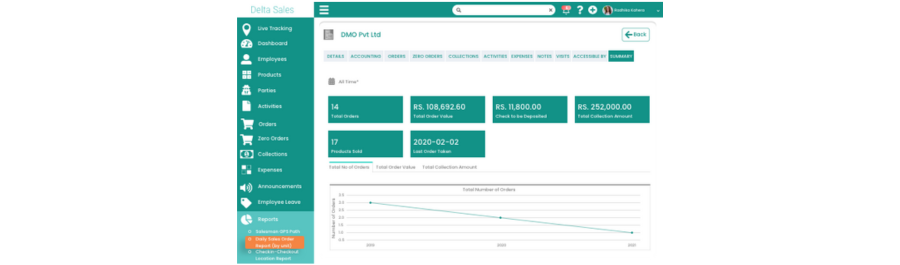
Instant access to daily, weekly, and monthly summaries: Pre-built automated reports give RSMs immediate performance insights, helping them track progress, identify issues early, and make faster decisions.
-
Less follow-up with reps for missing data: Automation reduces incomplete or forgotten reports, minimizing manager follow-ups and allowing sales reps to stay focused on selling activities.
By reducing manual effort, RSMs can spend more time analyzing trends and coaching teams instead of compiling spreadsheets. This aligns closely with the benefits of automated sales analytics and reporting tools in large organizations.
-
Use Dashboards for Instant Performance Snapshots
Dashboards act as a command center for Regional Sales Managers. Instead of digging through reports, managers can view:
-
Top-performing reps and regions: Dashboards instantly highlight the best-performing reps and regions, helping managers recognize success, replicate winning strategies, and set realistic benchmarks across teams.
-
Visit coverage vs. plan: This metric shows how closely actual field visits match planned coverage, helping RSMs identify gaps, improve route planning, and ensure full market coverage.
-
Sales pipeline health: Pipeline dashboards reveal deal stages, value, and movement, enabling managers to forecast accurately and spot stalled opportunities early.
-
Achievement against targets: Target tracking dashboards show progress toward goals in real time, helping managers adjust strategies quickly to ensure targets are met.
Clear dashboards support faster decisions and eliminate guesswork. They also strengthen sales analytics for managers, helping RSMs identify patterns that might otherwise go unnoticed.
-
Set Clear KPIs and Align Everyone to Them
Tracking becomes much easier when everyone knows what success looks like.
For large teams:
-
Define 4–6 core KPIs: Limiting KPIs to a few critical metrics keeps teams focused on what truly matters, making performance tracking simpler and more effective across large sales teams.
-
Ensure KPIs are measurable and visible: When KPIs are clearly measurable and visible to everyone, reps understand expectations better and managers can track progress objectively without confusion.
-
Review performance consistently: Regular performance reviews create rhythm and accountability, helping managers spot trends early and avoid reactive, last-minute performance management.
This structured approach reinforces accountability and supports scalable regional sales team management without constant manual supervision.
-
Coach Using Data, Not Assumptions
With so many reps, gut-based decisions don’t work. Data-driven coaching ensures fairness and effectiveness.
Using tracked data, RSMs can:
-
Identify skill gaps across regions: Data reveals specific areas where reps need improvement, allowing managers to address weaknesses accurately rather than relying on assumptions or impressions.
-
Provide targeted coaching instead of generic feedback: Coaching based on data focuses on individual needs, making guidance more relevant, actionable, and effective in improving rep performance.
-
Recognize and replicate top-performer behaviors: By analyzing successful reps’ actions, managers can share best practices across the team, raising overall productivity and consistency.
This builds trust and improves performance, especially when supported by sales productivity tools for field teams that keep reps focused on the right activities.
-
Encourage Self-Reporting Without Adding Pressure
Tracking shouldn’t feel like surveillance. When reps understand that tracking helps them—not just management adoption improves naturally.
Best practices include:
-
Keeping data entry simple: Simple, quick data entry encourages reps to report consistently without frustration, increasing accuracy and reducing resistance to tracking.
-
Showing reps how tracking supports their targets: When reps see tracking helps them meet goals, improve performance, and earn rewards, they engage willingly rather than feeling monitored.
-
Sharing insights back with the team: Providing feedback and performance insights to reps builds transparency, motivation, and trust, reinforcing the value of accurate self-reporting.
This creates a culture of transparency and ownership, supported by modern mobile CRM for sales reps designed for ease of use in the field.
-
Monitor Trends, Not Just Daily Numbers
Looking at daily performance is useful but trends are where real insights live.
Weekly and monthly trend analysis helps RSMs:
-
Forecast more accurately: Analyzing trends over time helps managers predict future sales with greater confidence, enabling better resource planning and goal setting.
-
Identify seasonal dips or spikes: Trend analysis reveals predictable fluctuations, allowing RSMs to prepare teams for busy periods or slow seasons proactively.
-
Plan promotions and incentives better: Understanding sales cycles helps design timely promotions and incentives that boost motivation and align with market demand.
Trend-based tracking strengthens sales forecasting accuracy and reduces last-minute pressure on teams.

-
Balance Control With Trust
Tracking 100+ reps doesn’t mean controlling every move. The goal is clarity, not control.
When systems handle tracking:
-
Reps feel trusted: When tracking is transparent and fair, reps feel empowered rather than micromanaged, boosting morale and ownership of their work.
-
Managers stay informed: Automated systems provide managers with accurate, up-to-date insights, enabling oversight without intrusive supervision.
-
Performance discussions become objective: Data-driven tracking removes bias, making feedback fact-based and focused on improvement rather than personal judgment.
This balance is critical for long-term success in large sales organizations.
Conclusion
Tracking 100+ sales reps may sound complex, but with the right structure and tools, it becomes manageable and even empowering. By shifting to system-based tracking, focusing on activity metrics, using real-time updates, and leveraging automated insights, Regional Sales Managers can stay ahead without burnout.
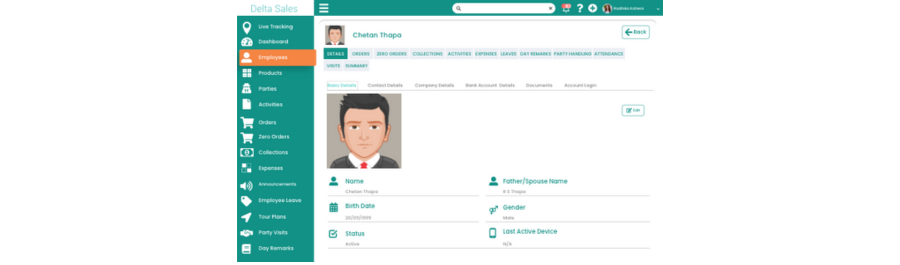
This is where solutions like Delta Sales App make a real difference. By combining real-time field tracking, automated reporting, intuitive dashboards, and easy mobile access, it helps RSMs gain complete visibility over large teams without micromanagement. The result is better control, smarter decisions, and a more productive sales force at scale.
See the difference firsthand. Request a Personalized Demo Today and empower your regional sales management like never before!