
How to Reduce Returns Using Sales Order Apps
Returns are one of the biggest hidden drains on a company's profit margin. Whether you operate in FMCG, distribution, retail, pharmaceuticals, or manufacturing, product returns can silently chip away at operational efficiency, sales productivity, brand trust, and distributor relationships. Many businesses still rely on outdated ordering methods, WhatsApp orders, handwritten notes, verbal commitments, Excel spreadsheets, or manual data re-entry which leads to incorrect orders, wrong quantities, stock mismatches, and ultimately, frustrated customers.
This is where sales order apps have become game-changers. With digital ordering, real-time data, and automation, businesses can drastically reduce return rates, improve accuracy, and build a more reliable customer experience.
In this in-depth blog, we explore how sales order apps help reduce returns, the complete operational workflow, real-world scenarios, and why modern businesses are adopting smart order-taking systems to streamline their supply chain, including how food & beverage companies can streamline van sales and field operation efficiently.
Understanding the Returns Problem
To reduce returns, one must first understand why they happen. Returns are typically the result of process inefficiencies or communication gaps between sales reps, retailers, distributors, or the warehouse.
Below are the most common causes:
-
Wrong Product Delivered: Miscommunication or manual entry mistakes often lead sales reps to select incorrect products, resulting in mismatched deliveries that fail to meet retailer requirements and ultimately create product returns.
-
Wrong Quantity or UOM Confusion: Without digital validation, reps may mix up pieces, boxes, or cartons, causing significant quantity errors. Retailers reject orders when delivered units don’t match what they actually requested.
-
Out-of-Stock Items Being Ordered: When real-time stock visibility is missing, sales reps unknowingly accept orders for unavailable items, leading to partial deliveries or last-minute substitutions that retailers frequently reject.
-
Pricing Errors: Frequent price changes, manual updates, and incorrect rate sharing often cause billing mismatches. Retailers return products when charged prices differ from what they were promised during the order.
-
Scheme or Discount Miscommunication: Poor communication or unclear records result in missed schemes or discounts. Retailers demand returns when they don’t receive the offers or promotional benefits they were assured.
-
Expired or Near-Expiry Stock Issues: In FMCG and pharma, delivering expired or near-expiry items leads to immediate rejection. Lack of expiry tracking and poor stock rotation practices often cause these avoidable returns.
-
Damaged Products: Improper handling, weak packaging, or negligence in transit can damage products before they reach the retailer. Damaged items are rejected instantly, increasing return costs and operational waste.
-
Order Duplication: When orders are noted manually or managed across multiple channels, duplication occurs, resulting in over-supply. Retailers return the extra stock, increasing workload and reducing operational efficiency.
-
Lack of Order Confirmation: Without digital confirmation, misunderstandings arise about what was ordered. Retailers dispute quantities, prices, or schemes, leading to unnecessary returns caused purely by communication gaps.
These problems are fundamentally due to one issue: lack of real-time visibility and digital control. This is where sales order apps step in to eliminate errors and create a more seamless and accurate ordering process.
Understanding the Growing Impact of Returns in B2B Sales
Product returns in B2B sales are more than just a reverse movement of goods, they represent a breakdown in communication, process, visibility, or accuracy. For businesses dealing with high-volume transactions, even a 1–2% return rate can translate into significant losses.
Returns typically result in:
-
Wasted transportation costs: Returns cause unnecessary shipping, fuel, and logistics expenses, reducing overall operational efficiency and profits.
-
Loss of manpower time: Employees spend valuable hours processing returns instead of focusing on sales or core tasks.
-
Stock damage during reverse logistics: Products can get damaged when returned, creating inventory losses and operational inefficiencies.
-
Distributor dissatisfaction: Frequent returns frustrate distributors, harming relationships and trust across the supply chain network.
-
Decrease in sales morale: High return rates demotivate sales teams, affecting productivity, engagement, and overall performance.
-
Administrative overhead: Processing returns generates additional paperwork, approvals, and reconciliation work, increasing operational burden.
-
Loss of consumer confidence: Retailers and customers lose trust in timely, accurate, and reliable product deliveries.
As competition rises and margins tighten, reducing returns is no longer an advantage, it is a necessity.
Digitizing the ordering process using sales order apps is one of the most effective strategies modern businesses use to minimize returns and ensure order accuracy from the very beginning of the supply chain.
The Rise of Sales Order Apps in Modern Businesses
Sales order apps are becoming standard tools across industries, especially in FMCG, distribution, manufacturing, consumer electronics, pharmaceuticals, and retail supply chains. Companies are moving away from manual order-taking systems and shifting towards digital-first workflows that ensure accuracy and accountability.

Why this rise?
Increased Competition: Modern businesses face fierce competition, and operational inefficiencies create delays, errors, and returns. Sales order apps streamline order processing, improve accuracy, and provide a competitive edge in supply chains.
Retailers Demand Accuracy: Retailers expect precise orders, correct pricing, and timely deliveries. Sales order apps ensure accurate product selection, digital confirmations, and automatic scheme application, minimizing errors and preventing unnecessary returns.
Distributors Need Faster Processing: Distributors require efficient order validation and stock visibility. Sales order apps accelerate processing, reduce disputes, enhance transparency, and enable quick, accurate deliveries to retailers, improving supply chain efficiency.
Digital Transformation: Businesses are digitizing operations to replace outdated manual systems. Sales order apps integrate with ERP/CRM platforms, provide data-driven insights, and enable mobile-first field sales, increasing efficiency and accuracy.
Real-Time Commerce: Rapid market demands require up-to-date inventory, pricing, and promotions. Sales order apps provide real-time updates, supporting informed ordering, optimized stock management, accurate pricing, and reduced return rates.
Connecting the Entire Supply Chain: Sales order apps unify field teams, retailers, distributors, and warehouses on one platform, enabling end-to-end visibility, digital order validation, audit trails, and minimized disputes and product returns.
Route Optimization in Food Distribution: For businesses in food and beverage distribution, integrating route optimization for food distribution teams within sales order apps helps ensure faster deliveries, fewer errors, and reduced return rates caused by delays or mishandling.
Van Sales Automation in Beverage: Van sales automation for beverage brands streamlines mobile sales operations, reduces manual errors, and ensures accurate stock and order management at the point of sale, preventing returns due to discrepancies.
Core Functionalities that Reduce Returns
Sales order apps aren't just digital notebooks, they are intelligent systems designed to proactively prevent errors and reduce return rates significantly. Here are the key functionalities that directly impact return reduction
Real-Time Inventory Visibility: Reps only order available stock, preventing overselling, out-of-stock orders, or substitutes. Accurate deliveries reduce returns and ensure retailers receive exactly what they requested.
-
Prevents partial fulfillment by ensuring warehouse stock matches the order.
-
Helps sales teams prioritize high-demand products to maximize revenue.
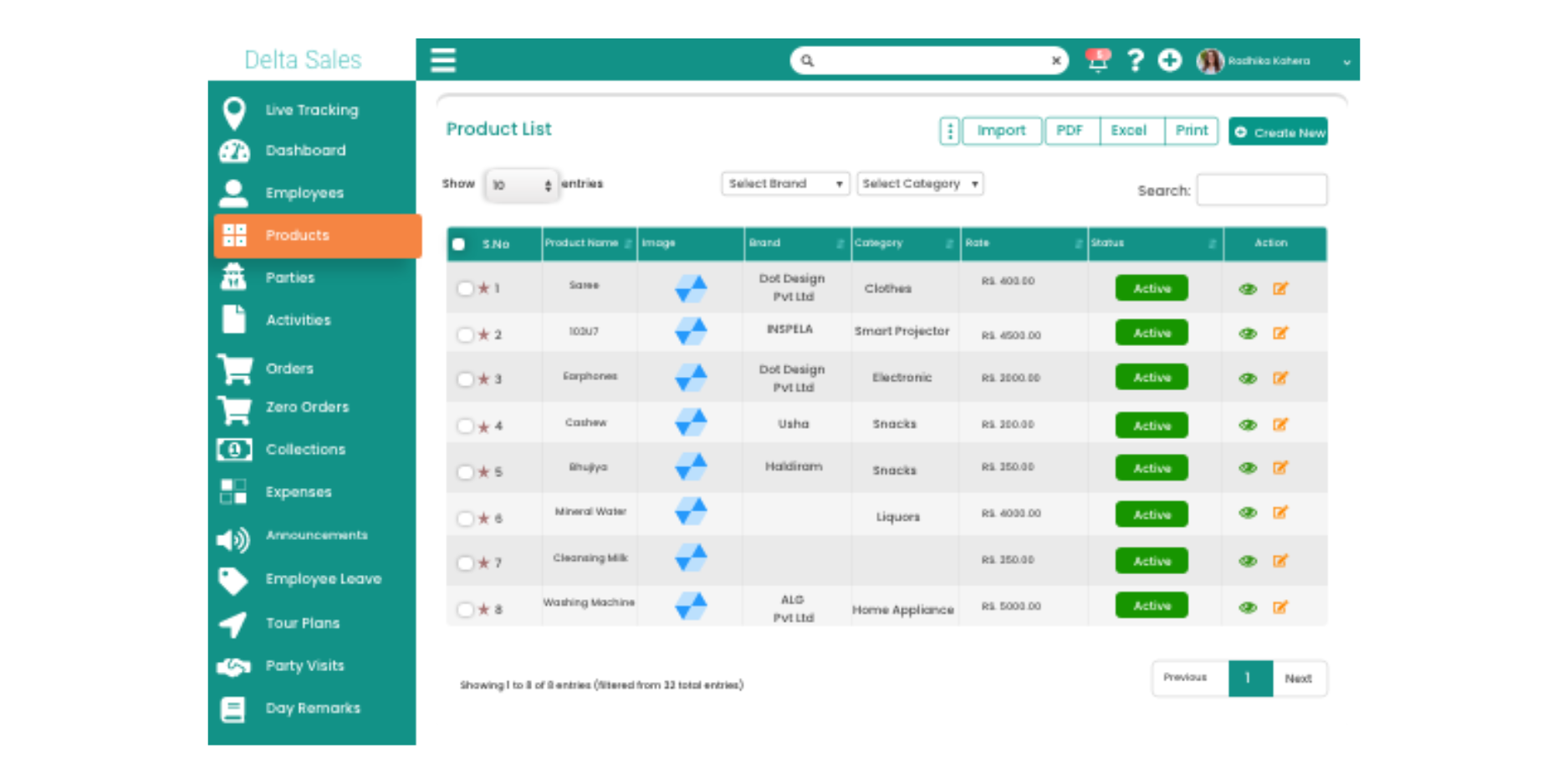
Digital Catalog with Images & SKUs: Structured digital catalogs with images, SKUs, variants, colours, and unit sizes eliminate confusion, ensuring reps select the exact product the retailer needs.
- Reduces errors caused by manual identification of product variants.
- Helps reps showcase product features accurately during retailer visits.
Automated Scheme & Discount Application: Schemes, freebies, and discounts are auto-applied, preventing pricing errors or missed promotions, eliminating disputes, and reducing unnecessary product returns.
- Ensures correct promotional pricing is applied automatically for every order.
- Avoids retailer disputes due to missing or misapplied schemes.
Eliminating Manual Entry Errors: Digital input fields and dropdowns prevent human errors, including typing mistakes, wrong SKUs, and misreading handwritten notes, reducing errors that commonly cause returns.
- Removes confusion from illegible handwritten or verbal orders.
- Minimizes repeated errors that accumulate across multiple sales reps.
Unit of Measurement Clarity: Apps display clear units, piece, box, carton, case, bundle preventing confusion and ensuring accurate order fulfillment, avoiding common mistakes that lead to returns.
- Allows reps to select the correct unit during order entry.
- Prevents overstocking or under-delivery due to unit misinterpretation.
Instant Order Confirmation & Digital Proofs: Orders are digitally recorded with summary, pricing, quantities, schemes, time, and location, giving both retailer and distributor transparency, reducing disputes and returns.
- Provides retailers with instant confirmation, ensuring clarity before delivery.
- Reduces back-and-forth communication and prevents misunderstandings later.
Geo-Tagging & Timestamp Validation: Orders with location stamps verify authenticity and compliance, preventing manipulation, ensuring accurate tracking, and minimizing errors that could result in product returns.
- Confirms the order was placed from the correct location.
- Helps managers audit field sales activities efficiently.
Workflow Automation: Automated validations minimum quantity checks, scheme eligibility, price accuracy, stock availability, and substitute suggestions prevent mistakes during order entry that would otherwise generate returns.
- Ensures orders comply with company policies before submission.
- Reduces manual supervision and improves operational efficiency.
Product Expiry Tracking (FMCG/Pharma): Alerts for near-expiry products prevent reps from pushing short-dated stock, ensuring retailers receive fresh inventory and reducing return rates caused by expired goods.
- Automatically flags products approaching expiry during order entry.
- Prevents potential financial loss due to rejected stock.
Digital Record of Every Order: Complete audit trails document who placed the order, when, agreed quantities, and history, allowing dispute resolution and drastically reducing return-related conflicts.
- Provides complete visibility for managers and compliance teams.
- Facilitates quick resolution of retailer complaints and discrepancies.
How Sales Order Apps Improve Each Stage of the Order Cycle
Returns are not caused at the moment of delivery, they stem from earlier stages of the order cycle. Here’s how sales order apps improve every step.
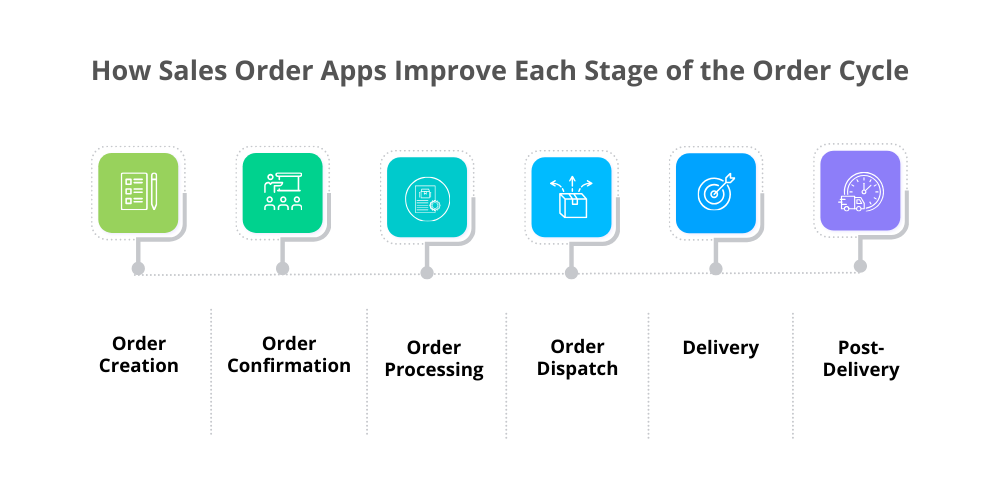
Stage 1: Order Creation
Before: Manual order creation using handwritten notes or verbal instructions often leads to mistakes. After: Digital catalogs, automated validations, and real-time inventory checks ensure accurate orders from the start.
Result: Accurate and validated orders reduce errors that typically trigger returns.
Stage 2: Order Confirmation
Before: No documented proof of the order leads to confusion, disputes, and delays. After: Automated digital confirmations with instant PDF copies provide both retailer and distributor clarity.
Result: Zero disputes due to verified confirmation records.
Stage 3: Order Processing
Before: Warehouses often receive incomplete or unclear orders, leading to picking mistakes. After: Structured digital orders with SKU-level accuracy streamline processing, picking, and packing.
Result: Faster, more accurate fulfillment, reducing errors that lead to returns.
Stage 4: Order Dispatch
Before: Wrong items are shipped due to unclear handwriting, miscommunication, or SKU mismatches. After: Verified digital order sheets guide accurate picking and dispatch processes.
Result: Reduced mis-shipments and fewer rejected deliveries.
Stage 5: Delivery
Before: Returns occur due to mismatches in product type, quantity, pricing, or applied schemes. After: Deliveries are matched with digital order proofs, ensuring the correct product, price, and schemes are received.
Result: Lower rejection rate and improved retailer satisfaction.
Stage 6: Post-Delivery
Before: Retailers file complaints about billing errors, missing schemes, or misapplied discounts. After: Digital records provide complete audit trails, ensuring transparency and preventing misuse.
Result: Stronger retailer relationships and reduced post-delivery disputes.
Before vs After Sales Order App
|
Scenario |
Before Sales Order App |
After Sales Order App |
|
Order Creation |
Manual order creation with handwritten notes or verbal communication often leads to mistakes. |
Digital catalogs, automated validation, and real-time inventory checks ensure accurate orders from the start. |
|
Order Confirmation |
No documented proof; confusion and disputes are common. |
Automated digital confirmation with PDF copies sent instantly ensures clarity and zero disputes. |
|
Order Processing |
Warehouses receive unclear or incomplete orders, causing picking and packing errors. |
Structured digital orders with SKU-level accuracy streamline processing, resulting in faster and more accurate fulfillment. |
|
Order Dispatch |
Wrong items shipped due to handwriting errors, SKU mismatches, or miscommunication. |
Verified digital order sheets guide correct picking, significantly reducing mis-shipments. |
|
Delivery |
Returns occur due to product, scheme, or price mismatches. |
Deliveries match digital order proofs, ensuring accurate product, pricing, and scheme application. |
|
Post-Delivery |
Retailers file complaints about wrong billing, missing discounts, or misapplied schemes. |
Digital records maintain transparency, preventing disputes and strengthening retailer relationships. |
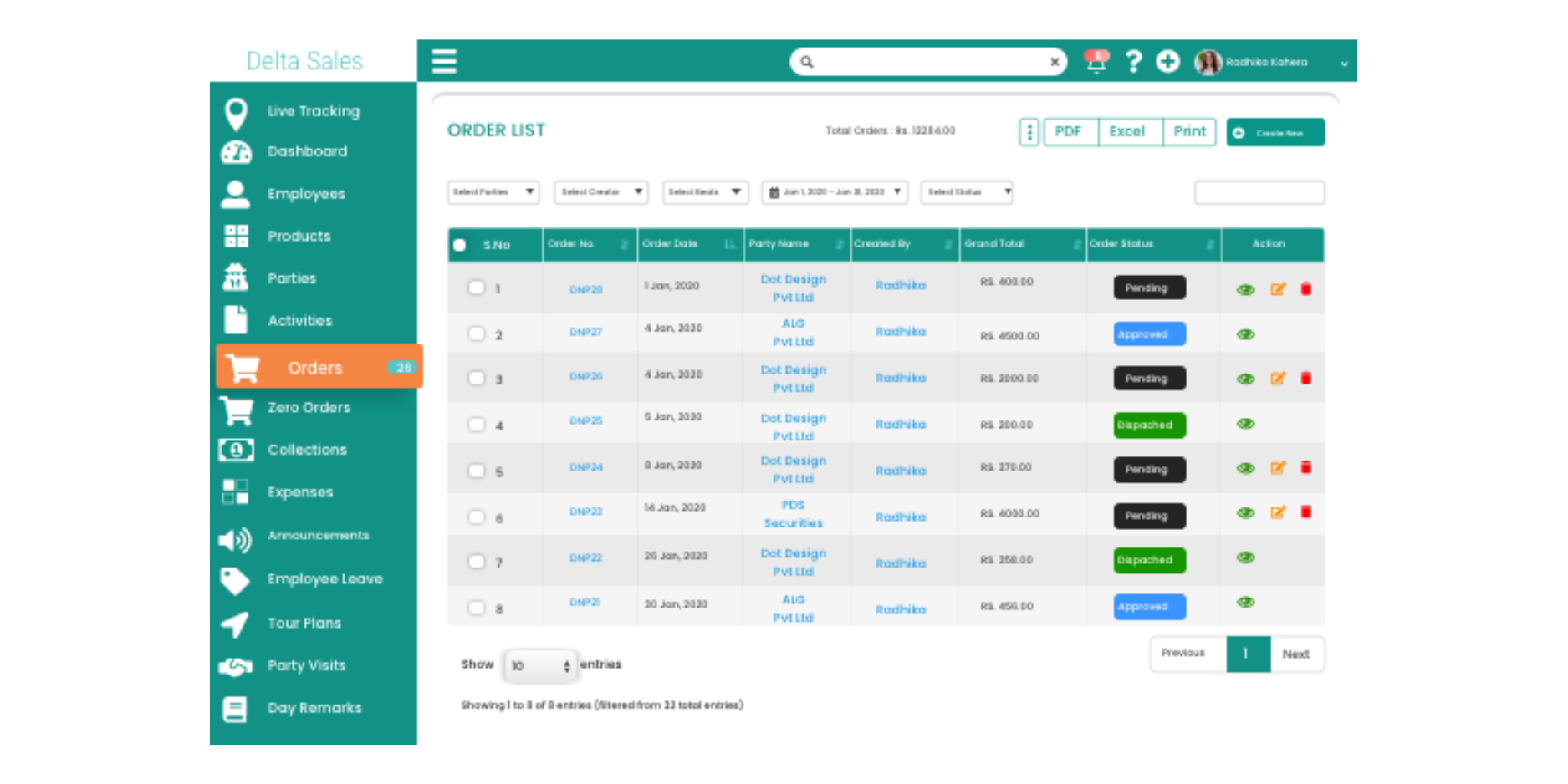
Delta Sales App: Precision Ordering for Zero Returns
While the market has many tools, Delta Sales App stands out because it is built specifically for FMCG, distribution, and field sales-driven businesses.
Key Features of Delta Sales App That Reduce Returns
-
Real-Time Inventory Sync: Proper inventory management helps in preventing sales reps from ordering unavailable items, eliminating overselling, and ensuring retailers receive exactly what they requested, reducing returns and disputes.
-
Complete Digital Product Catalog: Provides structured catalog with SKU codes, images, variants, and detailed descriptions, enabling reps to select the correct product easily and avoid ordering errors.
-
Automated Scheme & Price Application: Applies all discounts, schemes, and pricing rules automatically, ensuring consistent pricing across regions, preventing billing disputes, and reducing return requests from retailers.
-
GPS-Verified Orders: Orders are verified with GPS location, confirming authenticity and compliance for distributors, ensuring accurate delivery and preventing fraudulent or misplaced orders that could trigger returns.
-
Order History & Sales Pattern Suggestions: Suggests previous order quantities and patterns, preventing duplicate orders, overstocking, or under-ordering, helping sales reps make informed, accurate ordering decisions.
-
Warehouse & Billing Integration: Connects order management with warehouse and billing systems, ensuring every order is validated, accurately packed, invoiced, and dispatched, reducing errors and returns.
-
Seamless ERP/CRM Integration: Shares data across all stakeholders, ensuring visibility of inventory, pricing, schemes, and orders, improving accuracy, transparency, and reducing conflicts throughout the order lifecycle.
Delta Sales App doesn’t just automate order-taking, it eliminates the root causes of returns, improves customer satisfaction, and increases sales team confidence.
Conclusion
Returns are symptoms of deeper operational gaps, errors in ordering, lack of visibility, miscommunication, outdated processes, or inconsistent pricing.
Sales order apps solve all these problems by providing a smart, automated, and real-time system that increases order accuracy, builds trust, and reduces avoidable losses.
By using features like digital catalogs, automated schemes, real-time inventory, geo-tagged orders, pricing validation, and instant confirmations, businesses can significantly reduce return rates and improve efficiency across the value chain.
Stop losses and streamline your field sales. Get started with Delta Sales App today!