
How to Reduce Revenue Leakage in FMCG Distribution
In the highly competitive world of fast-moving consumer goods (FMCG), even a small problem in the distribution network can cost a lot of money. Salespeople don't visit stores, orders are late or not recorded correctly, stock runs out at the wrong time, and invoices are late or lost. These may seem small on their own, but when you put them all together, they cause a big problem called FMCG distribution revenue leakage.
Revenue leakage doesn't just hurt short-term profits; it can also hurt margins, make it harder to work with distributors, and slow down long-term growth. For FMCG companies with small profit margins, even a 5% loss due to inefficiencies can cost them thousands or millions of dollars in sales every year. Sadly, a lot of businesses don't even know how much money they're losing until it's too late.
A lot of the time, the problem comes from a mix of old processes, not being able to see what's going on, and mistakes made by people in the field. There are holes in the system that quietly drain revenue because of things like entering orders by hand, inconsistent pricing, inefficient route planning, and late billing.
The good news is that modern technology can help companies identify these leakages, streamline operations, and safeguard every possible sale. By adopting a FMCG sales management software that plugs revenue leakage, FMCG businesses can digitize their field operations, gain real-time insights, and ensure that no revenue opportunity is lost. With the right systems in place, sales teams can focus on growing business rather than correcting errors, while managers gain the data they need to make informed, revenue-protecting decisions.
In this blog, we’ll explore what causes revenue leakage in FMCG distribution, how technology can plug these gaps, and the best practices companies can implement to maximize revenue, efficiency, and profitability.
What is Revenue Leakage in FMCG distribution?
When potential income doesn't reach your business because of inefficiencies, mistakes, or a lack of visibility across the distribution network, that's called revenue leakage. In the distribution of fast-moving consumer goods (FMCG), leakage is often not visible right away in reports. However, over time, it has a big effect on revenue and operational efficiency.
Common examples include
-
Missed Orders: Retailers place orders, but due to miscommunication, stock unavailability, or manual errors, the order is never fulfilled.
-
Incorrect Billing: Mistakes in invoicing, delays in sending bills, or inaccurate discount calculations can result in lost cash flow.
-
Unauthorized Discounts: Field teams applying promotions inconsistently, without proper tracking, can gradually reduce margins.
-
Lost Sales Data: When sales are tracked manually, valuable insights about performance and customer behavior are often lost.
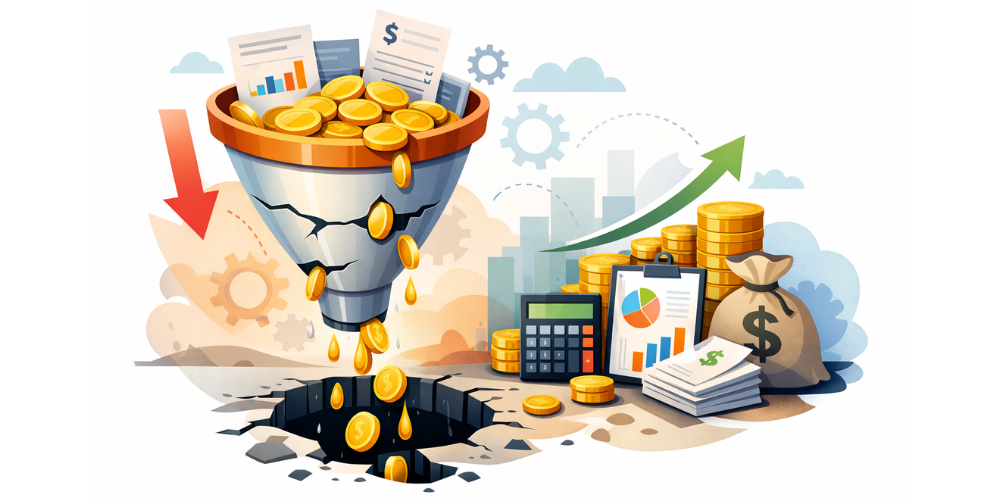
Reports show that FMCG companies can lose up to 5–10% of annual revenue due to distribution inefficiencies alone. Addressing revenue leakage is therefore critical to maintaining profitability
Common Causes of Revenue Leakage
Revenue leakage in FMCG distribution doesn't happen all at once; it's usually the result of small problems that build up over time. Finding the root causes is necessary to close gaps and protect revenue. Here are the main contributors with full explanations:
1. Manual Order Entry Errors
Many FMCG companies still rely on paper-based order systems or spreadsheets to record sales from field reps. This manual approach is highly error-prone:
-
Miskeyed Quantities: Reps may accidentally enter 50 units instead of 500, causing stock shortages or missed revenue.
-
Delayed Updates: When sales are recorded manually, there can be a lag before the information reaches central inventory or finance systems, resulting in inaccurate stock visibility.
-
Duplicate Orders: The same order might be entered twice or overlooked entirely, leading to inventory mismanagement.
These errors not only cause immediate revenue loss but also create additional administrative work to reconcile data and correct mistakes, increasing operational costs. Leveraging a mobile order management system can completely eliminate these issues by digitizing order capture, ensuring accuracy, and syncing data in real time.
2. Inefficient Route Planning
Field sales teams often cover large and complex territories. Without proper planning, reps may:
-
Miss High-Priority Retailers: Focusing on the wrong locations reduces opportunities to generate high-value sales.
-
Spend Excessive Time on Low-Value Stops: Reps may travel long distances for minimal revenue impact, wasting time and resources.
-
Reduce Daily Coverage: Inefficient routing limits the number of retailers a rep can visit in a day, directly impacting sales potential.
Route optimization tools solve this problem by mapping the most efficient paths, prioritizing high-potential retailers, and minimizing travel time. This ensures that sales reps maximize daily coverage and productivity while reducing the risk of missed opportunities that contribute to revenue leakage.
3. Lack of Real-Time Visibility
Accurate, real-time data is critical for FMCG distribution. Without it:
-
Stockouts Occur: Retailers may place orders for products that are not available, leading to lost sales and frustrated customers.
-
Overstocking Happens: Excess inventory ties up working capital and may eventually go unsold, reducing profitability.
-
Delayed Decision-Making: Managers cannot respond to issues promptly if they don’t have up-to-date sales or stock information.
When field operations are linked to ERP or inventory systems, managers can see real-time information about stock levels, sales, and orders from retailers. This visibility makes it possible to act quickly, stopping revenue loss from stock mismatches or decisions that take too long to make.
4. Unauthorized Discounts or Promotions
Promotions and discounts are powerful tools for FMCG sales, but inconsistent application can seriously erode profit margins. Common issues include:
-
Reps offering extra discounts to close deals without authorization.
-
Promotions applied incorrectly, resulting in financial loss.
-
Difficulty tracking promotional compliance across multiple retailers.
Using mobile order management systems ensures that all pricing rules and promotions are enforced automatically at the point of sale. Reps are guided by the system, preventing human errors and unauthorized discounts that can quietly drain revenue.
5. Delayed or Lost Invoices
Timely billing is essential to maintaining cash flow in FMCG distribution. When invoices are delayed or lost:
-
Payments are received late, straining working capital.
-
Finance teams spend significant time tracking missing invoices.
-
Revenue that could have been collected on time may be permanently lost.
Automated invoicing & billing eliminates these challenges by generating accurate invoices instantly after orders are confirmed. This ensures all sales are billed promptly, reducing missed collections and improving overall financial efficiency.
How Technology Helps Plug Revenue Leakage
Implementing a sales force automation tool addresses most causes of revenue leakage by digitizing manual processes and providing managers with actionable insights.
-
Mobile Order Management
Mobile order management changes how field salespeople deal with orders. Reps can now take orders digitally at the point of sale instead of using paper forms or spreadsheets. This makes sure that every order is recorded correctly and shows up right away in the main systems. Real-time stock checks stop people from ordering things that are out of stock, which cuts down on lost sales and customer frustration. Automated validation also makes sure that promotions and discounts are applied correctly, so there is no loss of revenue because of mistakes made by hand.
-
Route Optimization & GPS Tracking
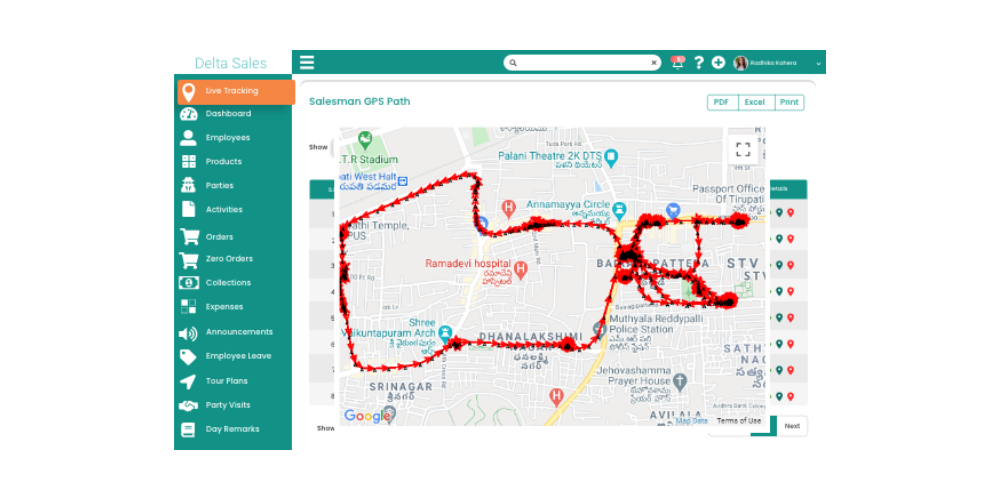
Efficient route planning is crucial in FMCG distribution, where field sales reps often cover large territories. Route optimization tools help reps prioritize high-value retailers and plan the most efficient path to reach them, reducing travel time and maximizing daily coverage. GPS tracking tool adds a layer of accountability, allowing managers to monitor which locations were visited, how long reps spent at each outlet, and overall productivity.
-
Attendance & Activity Tracking
Monitoring field sales activity is essential to prevent revenue leakage caused by missed visits or low productivity. Attendance and activity tracking systems capture check-ins, check-outs, and daily work logs of sales reps. This data allows managers to confirm that reps are following their assigned routes, visiting all retailers, and performing their duties efficiently. By identifying gaps in coverage or deviations from planned schedules, companies can take corrective action early, ensuring that potential sales opportunities are not lost due to operational lapses.
-
Sales Analytics & Reporting
Data-driven decision-making is a critical factor in controlling revenue leakage. Sales analytics and reporting dashboards provide managers with real-time insights into sales performance, stock availability, and rep activities. They can easily identify areas where revenue is at risk, such as recurring stockouts, missed retailer visits, or improper discount usage. Advanced reporting also highlights trends over time, allowing managers to proactively adjust sales strategies, address inefficiencies, and optimize resource allocation.
-
Integration with ERP & Inventory Systems
When sales, inventory, and finance systems work in separate places, revenue leakage happens a lot. Integrating ERP and inventory makes sure that all data is the same on all platforms, which cuts down on errors and stops people from having to enter the same data twice. For instance, when an order is placed through the field sales app, the inventory is updated right away, and the finance systems can automatically make billing information. This smooth integration gives managers a complete picture of the distribution network, which helps them make decisions more quickly and lowers the risk of losing money because of miscommunication or missing data.
-
Automated Invoicing & Billing
Delayed or wrong invoicing is one of the most common reasons why money is lost. Automated invoicing and billing make sure that every order is billed right away and correctly. This lowers the risk of missed payments, speeds up cash flow, and lets administrative staff focus on more important tasks instead of billing. FMCG companies can make sure that all sales are recorded, collections happen on time, and all revenue is captured by automating billing processes. This directly addresses a major source of leakage.
Best Practices to Reduce Revenue Leakage
Technology is important, but it works best when there are strong processes and strict execution. There are many points of contact in FMCG distribution, and even small problems in operations can cost money. Companies can make sure that things are consistent and easier to see and that fewer mistakes happen throughout the sales cycle by following structured best practices.
-
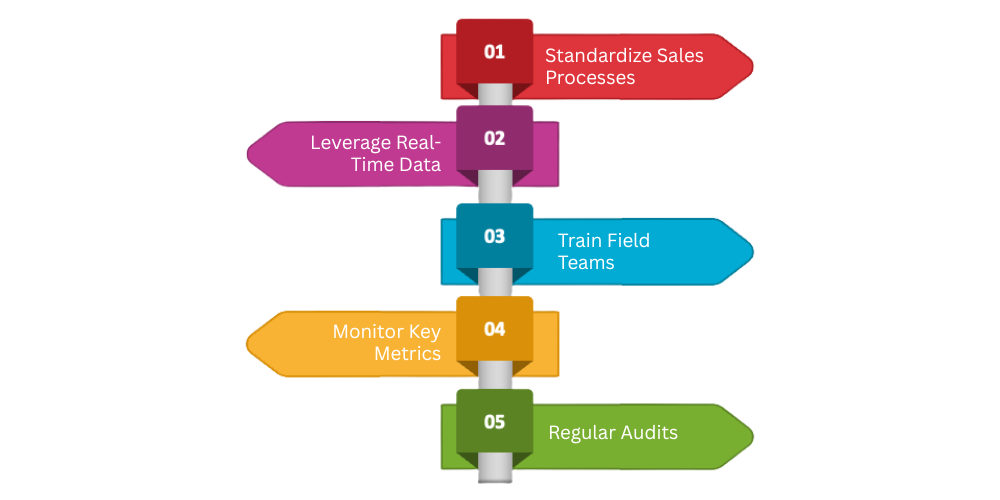
Standardize Sales Processes
Having the same steps for entering orders, sending invoices, and running promotions makes sure that all teams are on the same page. Following the same workflow makes it less likely that people will make mistakes, makes it easier to keep track of and manage sales activities, and keeps money from slipping through the cracks.
-
Leverage Real-Time Data
Teams can act quickly when they can see sales and inventory in real time. Managers can find out when they are out of stock, keep an eye on demand, and deal with problems before they hurt sales, which gives them better control over daily operations.
-
Train Field Teams
Salespeople who have been well-trained are less likely to make mistakes when it comes to pricing, entering orders, or visiting stores. Regular training makes sure they use the right tools and follow the right steps, which cuts down on mistakes that cost money.
-
Monitor Key Metrics
Keeping an eye on metrics like order accuracy, collections, and territory coverage can help you find problems early. These insights help managers act quickly to keep small problems from becoming big ones that cost a lot of money.
-
Regular Audits
Reports and dashboards that are checked on a regular basis can help find hidden problems like missed orders or pricing errors. Regular audits make sure that processes are followed correctly and stop money from leaking out.
Measuring the Impact of Revenue Leakage Prevention
Implementing the right processes and field sales automation tools can deliver measurable improvements across the FMCG distribution network. When revenue leakage is actively addressed, companies not only recover lost income but also improve overall efficiency and decision-making.
FMCG companies that focus on preventing revenue leakage typically see:
-
15–20% reduction in missed orders, as digital order capture and better coverage ensure that every sales opportunity is recorded and fulfilled.
-
Faster invoicing and collections, leading to improved cash flow and reduced dependency on manual follow-ups.
-
Better monitoring of pricing and promotions, helping maintain consistency and protect profit margins across all retailers.
-
Data-driven insights, enabling managers to identify gaps, optimize sales strategies, and focus more on growth rather than manual supervision.
By proactively addressing revenue leakage, businesses not only recover lost revenue but also build stronger distributor relationships, improve retailer satisfaction, and create a more reliable and efficient distribution system.
How Delta Sales App Helps Reduce Revenue Leakage
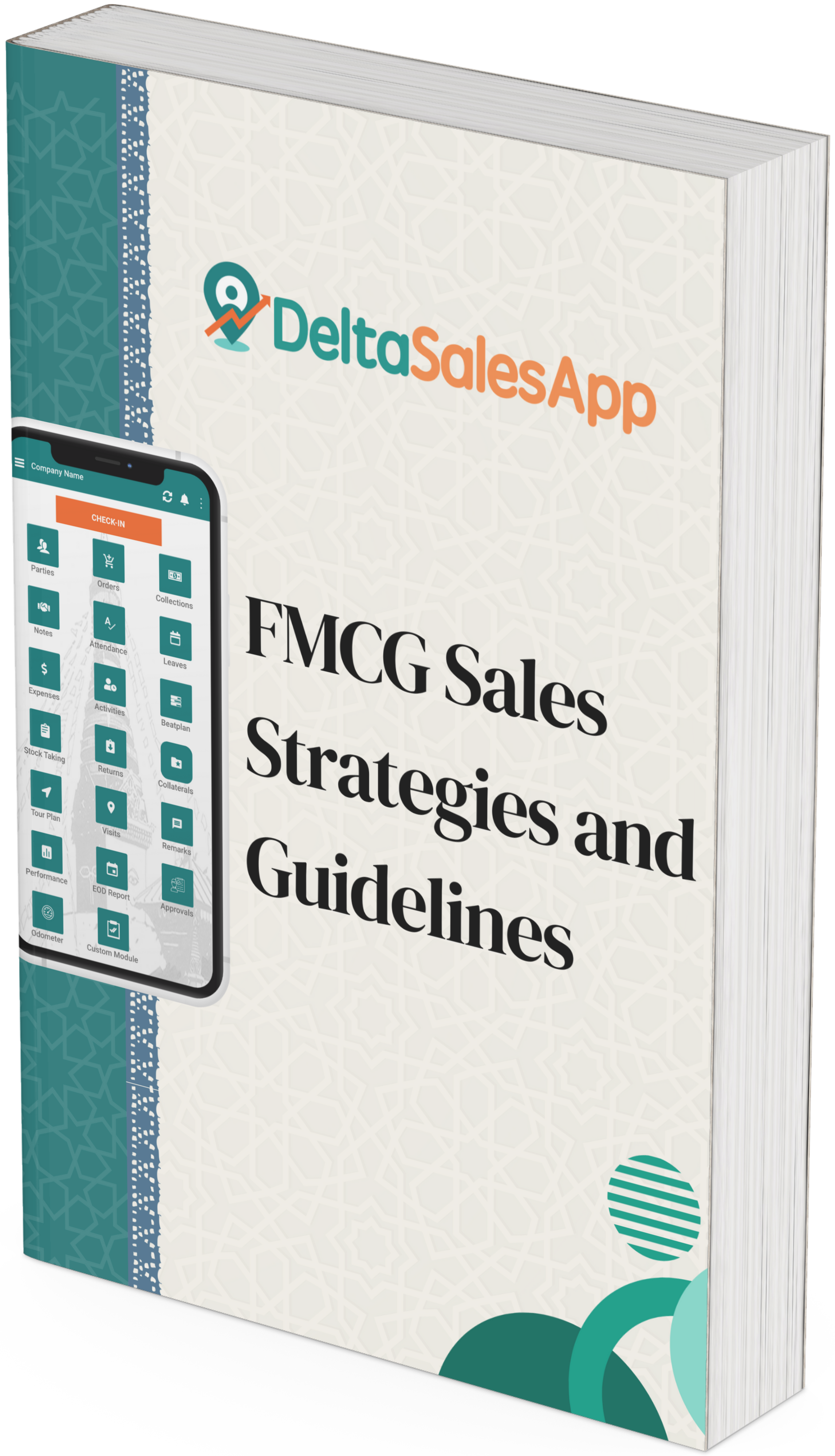
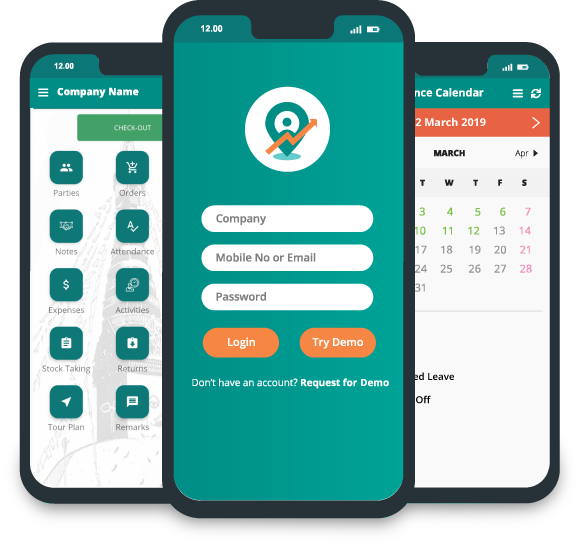
To stop revenue loss in FMCG distribution, you need more than just finding problems. You need a system that stops them from happening at every step of the sales process. Here is where the Delta Sales App comes in handy. It helps distributors get rid of inefficiencies, make sure that no sales opportunity is missed, and improve accuracy by combining field sales automation, real-time visibility, and process control.
Here’s how it makes a measurable impact:
-
Optimized Routes:
Smart route planning ensures sales reps cover more retailers in less time, prioritize high-value outlets, and avoid missed visits, directly increasing sales opportunities.
-
Real-Time Visibility:
With instant access to inventory, orders, and sales data, managers can detect stock issues early, prevent stockouts, and ensure products are always available where demand exists.
-
Automated Reporting:
Reports are generated automatically, giving managers clear insights into sales performance, stock movement, and rep activity without manual effort. This allows teams to focus on strategy rather than administrative tasks.

-
Activity Tracking:
Delta Sales App functions as a powerful sales team tracking app that enables businesses to track attendance, monitor daily field activities, and gain complete visibility into sales team performance. This ensures better accountability and reduces missed sales opportunities.
-
Accurate Order & Billing Processes:
Digital order capture and automated invoicing ensure that every transaction is recorded correctly and billed on time, eliminating errors and delays that often lead to revenue leakage.
The Delta Sales App not only helps FMCG companies run their businesses more efficiently, grow faster, and keep better control over their distribution network, but it also stops revenue from leaking by using features like mobile order management, sales analytics, route optimization, and automated invoicing.
Conclusion
In FMCG distribution, revenue leakage is often hidden in the day-to-day operations, such as missed orders, late invoicing, inconsistent pricing, and problems with field execution. If you don't fix these small problems, they can add up to big losses in revenue and lower profits. The secret to solving this problem is to use the right technology with disciplined processes that make the whole sales cycle clear, accurate, and under control.
FMCG companies can get rid of manual mistakes, make the most of field performance, and make sure that every order, visit, and transaction helps grow their business with a solution like Delta Sales App. It gives teams the tools they need to stop revenue leaks and build a distribution system that is more efficient and can grow with the business.
Ready to stop revenue leakage and boost your sales performance? Book a free demo of Delta Sales App today.