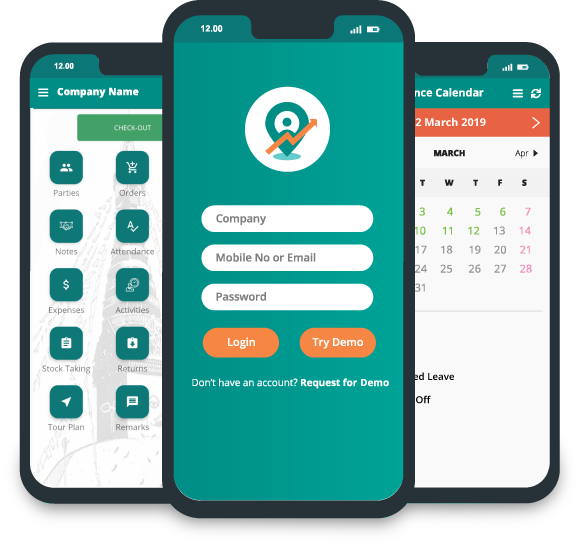

What’s Slowing Down Your Field Sales Growth?

Field sales teams are the backbone of many businesses, driving revenue by directly engaging with customers, building relationships, and closing deals. Yet, despite their critical role, many organizations face persistent challenges that slow down field sales growth. Understanding these obstacles is key to implementing effective strategies that propel your sales teams toward greater success.
In this article, we’ll explore the common factors impeding field sales growth and offer insights into overcoming these barriers to unlock the full potential of your salesforce.
Inefficient Sales Processes
One of the most significant constraints on field sales growth is inefficiency in the sales process. When sales teams rely heavily on manual tasks such as paper-based order forms, spreadsheet tracking, or disparate communication channels, valuable time is wasted on administrative work rather than selling.
Inefficient processes lead to:
-
Delayed order processing
-
Missed sales opportunities
-
Lower customer satisfaction due to slow response times
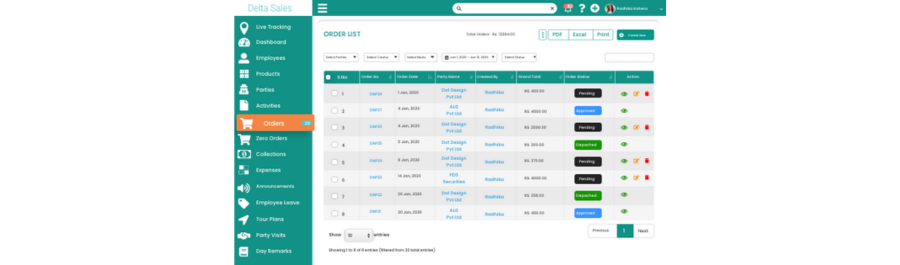
Streamlining workflows and automating routine activities can free up field reps to focus on customer interactions. Integration of tools that unify order management, reporting, and communication ensures a smoother sales cycle and higher productivity.
How to fix it: Automate order processing, reporting, and communication with a unified platform. Digital workflows reduce manual tasks, accelerate sales cycles, and increase productivity. Features like integrated order management, automated reporting, and seamless communication tools streamline field sales operations effectively.
Lack of Real-Time Data and Insights
Field sales teams often operate without access to up-to-date information, which creates a disconnect between management and frontline activities. When sales reps lack real-time insights on inventory, pricing, or customer purchase history, they may struggle to tailor their pitches or resolve issues promptly.
Without accurate data, forecasting and territory management become guesswork, hampering the ability to allocate resources effectively.
Sales leaders benefit from dashboards and analytics that provide timely visibility into key metrics such as:
-
Sales performance
-
Customer engagement
-
Product availability
This empowers faster decision-making and proactive management of challenges before they escalate.
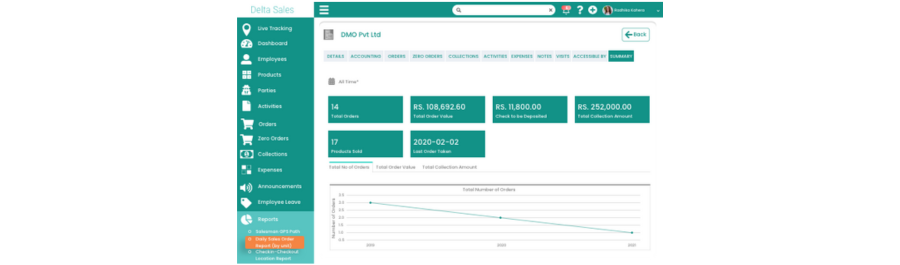
How to Fix It: Access up-to-date inventory, pricing, and customer data via mobile dashboards. Real-time analytics provide visibility into sales performance and customer engagement. Features such as real-time reporting, performance dashboards, and instant data syncing empower quick, informed decisions on the field.
Poor Communication and Collaboration
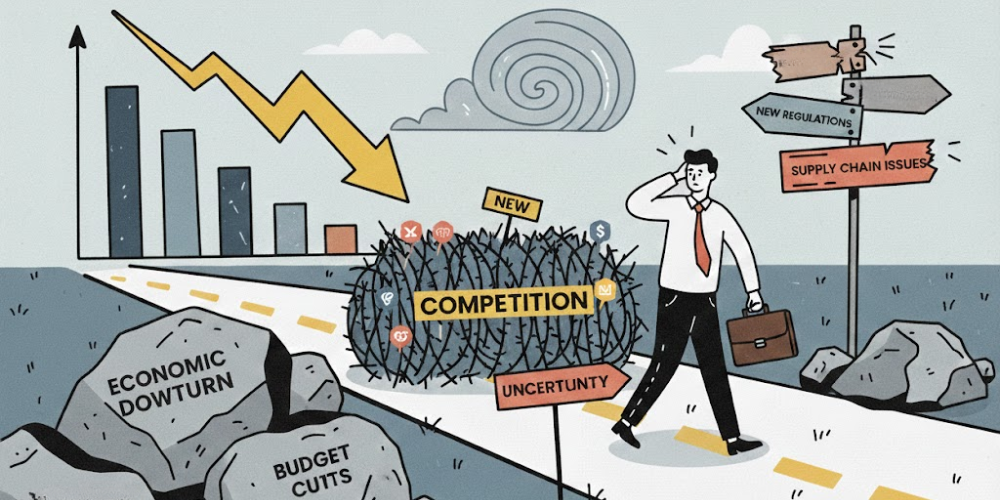
Effective communication between sales teams, managers, and other departments is critical to maintaining momentum in field sales. However, many organizations experience breakdowns in communication due to siloed teams, unclear expectations, or inefficient tools.
Field reps require seamless access to updates on product launches, promotions, and policy changes. Managers need visibility into daily activities to provide timely coaching and support.
Establishing a centralized communication platform where information flows freely reduces misunderstandings and keeps everyone aligned with organizational goals. Regular feedback loops and transparent reporting further enhance collaboration.
How to fix it: Centralize team communication with instant updates on products, promotions, and policies. Collaborative tools encourage transparency and feedback. Key features include in-app messaging, push notifications, and shared activity feeds that keep teams connected and aligned.
Inadequate Training and Development
The landscape of sales is continuously evolving, driven by new technologies, shifting customer expectations, and competitive pressures. Field sales reps must constantly update their skills to stay effective.
Insufficient training programs lead to:
-
Poor product knowledge
-
Weak objection handling
-
Ineffective negotiation tactics
Organizations that invest in ongoing learning and development equip their teams with the latest strategies and tools, fostering confidence and competence in the field.
Regular assessments and personalized coaching based on performance data help identify areas for improvement and maximize individual potential.
How to fix it: Track individual performance and deliver personalized coaching based on data insights. Support continuous learning with targeted feedback. Features like performance reports and analytics, coaching modules, and skill assessment tools help improve sales effectiveness.
Limited Mobility and Access to Tools
Field sales success depends heavily on mobility and access to real-time information. Sales reps need tools that support them in the field whether it’s managing customer records, placing orders, or capturing feedback.
Legacy systems or desktop-bound software restrict reps’ ability to act swiftly and respond to customer needs. Mobile-friendly solutions empower reps with instant access to CRM, order management, and communication channels anywhere, anytime.
By enabling mobility, organizations ensure their field sales teams remain agile and responsive, crucial traits for driving growth.
How to fix it: Enable reps with mobile CRM, order management, and customer data access anytime, anywhere, including offline use. Features such as mobile-friendly sales tool interfaces, offline mode, and cloud synchronization ensure reps stay productive on the go.
Sub-optimal Territory and Route Management
Field sales efficiency is also closely linked to how well territories and routes are managed. Poorly planned routes result in wasted travel time, missed appointments, and lower customer coverage.
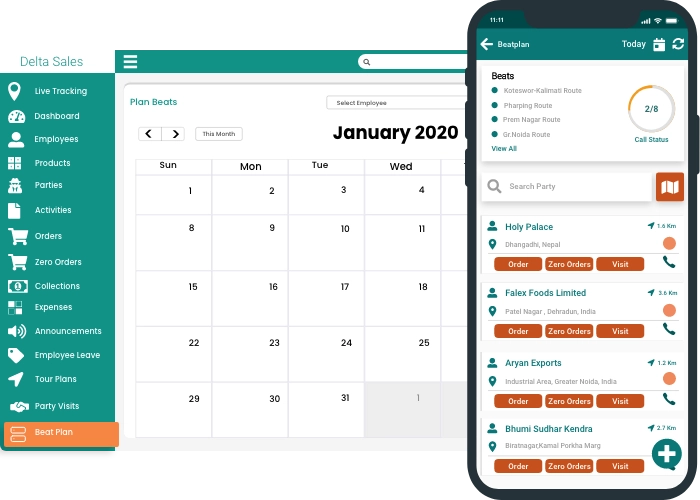
Effective territory management balances workload, targets high-potential customers, and minimizes travel inefficiencies. Advanced route optimization tools help reps spend more time selling and less time commuting.
Periodic review and adjustment of territories ensure alignment with market dynamics and company priorities.
How to fix it: Use data-driven territory assignments and optimize travel routes to reduce time wastage. Features like territory mapping, route optimization, and workload balancing tools help reps maximize customer coverage and efficiency.
Lack of Motivation and Engagement
Sales is a challenging profession, and maintaining high levels of motivation is essential for sustained performance. When field reps feel undervalued, overworked, or disconnected from company goals, engagement drops.
Low morale impacts customer interactions, resulting in lost sales and high turnover.
Organizations should prioritize:
-
Transparent incentive programs
-
Recognition of achievements
-
Opportunities for career growth
Engaged sales teams bring enthusiasm and persistence to their work, directly influencing sales growth.
How to fix it: Implement transparent incentive tracking and recognize achievements with real-time performance visibility. Features include gamification elements, real-time target tracking, and recognition modules to enhance motivation and engagement.

Inconsistent Reporting and Performance Tracking
Accurate and consistent reporting is crucial for monitoring field sales progress. However, manual or delayed reporting mechanisms often lead to incomplete or outdated data, impairing management’s ability to make informed decisions.
Automated reporting systems that capture daily activities and sales results in real-time provide managers with actionable insights. This enables faster interventions and course corrections to keep sales efforts on track.
How to fix it: Automate daily activity capture and sales reporting to ensure automated data capture, customizable reports, and KPI dashboards provide managers actionable insights for proactive sales management.
Conclusion
Field sales growth often slows down due to operational inefficiencies, limited visibility, disconnected teams, and outdated reporting practices. While these challenges are common, they can significantly impact productivity, customer experience, and revenue if left unaddressed. Solving them requires more than incremental fixes, it demands a unified, technology-driven approach that supports field teams in real time.
This is where Delta Sales App plays a transformative role. Designed specifically for field sales teams, the app brings together automated reporting, real-time dashboards, mobile CRM, order management, route optimization, and performance tracking on a single platform. It empowers sales reps to focus on selling instead of administrative work, while managers gain instant visibility into field activities, sales performance, and team productivity. With features like offline access, smart territory planning, real-time communication, and incentive tracking, the app helps organizations build faster, more efficient, and highly motivated field sales teams.
If you’re ready to eliminate sales bottlenecks and accelerate growth, Schedule a Demo of Delta Sales App Today and see how it can transform your field sales operations.