
How FMCG Companies Use Sales Automation to Increase Market Coverage
In the fast-moving consumer goods (FMCG) sector, market coverage defines how deeply and widely a brand penetrates the retail ecosystem. From urban supermarkets to rural kirana stores, every point of presence matters and the brands that consistently reach more outlets, more efficiently, ultimately outperform competitors. But managing vast territories, thousands of outlets, multiple distributors, and field sales teams operating on tight schedules is complex. Manual planning and outdated reporting systems are no longer sufficient.
This is where sales automation in FMCG has emerged as a transformative force. It enables companies to expand distribution reach, increase channel productivity, and build strategic control over field operations all while maintaining speed and accuracy. Today, modern FMCG companies leverage automation not merely to digitize tasks but to create a smarter, more agile distribution engine.
As companies improve visibility across routes, outlets, and distributor operations, they also achieve clearer insights into Primary vs. Secondary Sales, which strengthens forecasting and ensures deeper coverage across all markets.
This comprehensive guide explores how FMCG manufacturers use sales automation to increase market coverage, strengthen retail execution, eliminate operational leakages, and accelerate business growth across diverse markets.
Understanding Market Coverage in FMCG
-
Numeric Distribution: It represents the total number of retail outlets where an FMCG product is available. Higher numeric distribution ensures greater market presence and improves product accessibility for consumers.
-
Weighted Distribution: Weighted distribution measures product presence in high-performing or high-value outlets. It reflects how effectively a brand is represented in stores that contribute significantly to category sales.
-
Channel Penetration: This indicates how well a brand reaches different sales channels general trade, modern trade, wholesale, and e-commerce. Strong channel penetration helps companies maximize reach and serve diverse customer segments.
-
Geographical Reach: Geographical reach shows how widely a company distributes its products across regions, including cities, towns, and rural markets. Broader reach ensures consistent product availability across all market types.
-
Outlet-level Performance: It tracks product availability, shelf visibility, stock levels, and order frequency at individual stores. Monitoring outlet performance helps maintain healthy distribution and prevent stock-outs or visibility gaps.
What Is Sales Automation in FMCG?
Sales automation in FMCG uses digital tools and integrated workflows to simplify sales, distribution, and retail execution processes. It eliminates manual tasks, improves accuracy, and enables faster, more standardized field operations. As companies automate shelf tracking, planogram checks, and POSM execution, overall FMCG Retail Execution becomes more consistent, improving visibility and availability across retail environments.
Key Components
-
Field Sales Automation (FSA) Apps: Field Sales Automation apps help sales reps plan visits, take orders, record market data, and track activities digitally, ensuring consistent execution, better reporting accuracy, and improved outlet coverage.
-
Distributor Management Systems (DMS): Distributor Management System (DMS) software manages distributor inventory, billing, claims, and secondary sales. It ensures smooth supply chain coordination, real-time stock visibility, and timely replenishment to outlets.
-(3)-1766382056.png)
-
Route and Beat Planning Software: Beat planning tools optimize travel routes and daily visit schedules, helping sales reps cover more outlets efficiently while reducing travel time and improving territory coverage.
-
Retail Execution and Merchandising Solutions: These tools guide sales reps in tracking product visibility, shelf stock, planogram compliance, and POSM placement, ensuring strong in-store presence and improved weighted distribution.
-
Order-taking and Digital Invoicing Tools: Digital order solutions enable quick, accurate order capture and instant invoice generation, reducing errors, speeding up cycles, and ensuring timely product availability at retail outlets.
-
GPS Tracking and Travel Automation: GPS-based tracking monitors sales rep movement, ensures beat adherence, and provides insights into travel patterns, helping managers reduce inefficiencies and strengthen field discipline.
-1766380229.png)
Why Sales Automation Is Essential for Increasing Market Coverage
Market coverage expands only when a company consistently reaches more outlets and serves them better. Sales automation directly contributes to wider coverage through:
-
Stronger Outlet Discovery and Mapping: Automation tools help field reps locate new outlets, categorize them by type, assign them to correct beats, and update them into the system immediately. This leads to faster numeric distribution growth.
-
Improved Beat and Territory Planning: Dynamic route planning and territory planning ensure coverage of maximum outlets per day. Field teams follow optimized sequences, reducing travel time and increasing time spent selling.
-
Elimination of Coverage Gaps: Real-time visit tracking highlights unvisited outlets, skipped routes, and inconsistent patterns, enabling supervisors to fix issues instantly.
-
Faster Order Cycles: Digitized order collection ensures timely replenishment, reducing stock-outs and improving service frequency.
-
Better Distributor Coordination: A connected DMS-FSA ecosystem ensures that distributors supply the right quantities at the right time, ensuring coverage continuity.
As companies improve market mapping and retail frequency, they also optimize Van Sales Operations, enabling efficient servicing of remote areas and increasing numeric distribution significantly.
Key Areas Where Sales Automation Increases Market Coverage
Automating Sales Planning and Beat Design
Sales automation creates optimized beat plans using outlet data, past orders, and travel patterns, enabling reps to cover more stores efficiently. This increases numeric distribution and expands the brand’s physical presence.
-
Beat optimization: Beat optimization aligns outlet locations, order history, and performance data to create efficient routes, ensuring maximum daily coverage with minimal travel effort.
-
Smart sequencing: Smart sequencing arranges outlet visits in the most efficient order, reducing travel distance and saving time for more productive sales activities.
-
Balanced workloads: Automation distributes outlets evenly across sales reps, preventing overload and ensuring consistent coverage across all territories.
-
Real-time scheduling adjustments: Dynamic scheduling updates routes instantly based on market changes, helping reps adapt quickly and maintain consistent coverage.
Accurate Outlet Universe Tracking
Sales automation builds a precise outlet database by capturing store types, attributes, and coverage status. Accurate outlet mapping helps focus efforts on high-potential stores and strengthens weighted distribution.
-
Real-time outlet creation: Reps can instantly add new outlets during visits, ensuring the outlet universe remains updated and expands continuously.
-
Outlet type categorization: Categorizing outlets by trade channel helps companies tailor product placement, promotions, and service frequency effectively.
-
Tracking store attributes: Capturing store size, buying behavior, and product fit helps target the right SKUs and ensure better sales performance.
-
Updated coverage status: Automation provides real-time insights on visited, missed, and inactive outlets, ensuring consistent follow-ups and focused distribution.
Faster and More Consistent Order Collection
Digital order systems standardize order-taking, eliminate errors, and speed up invoicing. This increases order frequency, reduces stock-outs, and strengthens retailer relationships.
-
Real-time digital order entry: Reps quickly place accurate orders through mobile apps, reducing manual errors and speeding up the sales cycle.
-
Product shortage detection: The system alerts reps about stock shortages, enabling timely substitution or replenishment actions.
-
AI-based recommendations: AI suggests ideal order quantities based on past purchase trends, ensuring stores maintain healthy stock levels.
-
Instant invoice conversion: Orders convert into distributor invoices immediately, accelerating delivery and improving service efficiency.
-
Order and credit visibility: Reps can view past orders and credit limits, enabling informed discussions and preventing over-commitments.
Improved Distributor Collaboration and Stock Availability
Integrated automation synchronizes distributor operations with sales activities, ensuring consistent supply, timely replenishment, and smooth market servicing.
-
Real-time inventory visibility: Companies and reps can see distributor stock levels instantly, preventing delays and ensuring products are available for orders.
-
Auto purchase order triggers:Automation generates purchase orders based on minimum stock levels, avoiding supply gaps.
-
Daily sales and stock status: Distributors share real-time sales updates, helping companies plan replenishment accurately.
-
SKU-level tracking: Detailed SKU tracking movement analysis improves forecasting, reduces shortages, and supports targeted distribution strategies.
Data-Driven Retail Execution and In-Store Visibility
Automation enables accurate retail audits and real-time visibility of product availability, shelf share, and competitor presence. This improves retail execution and strengthens weighted distribution across priority outlets.
-
Product availability tracking: Reps record stock presence digitally, helping managers address stock-outs quickly.
-
Shelf share measurement: Automation helps track a brand’s visibility compared to competitors, supporting execution improvements.
-
Planogram checks: Tools ensure products are arranged per company guidelines for maximum visibility.
-
POSM placement: Reps capture promotional material placement, ensuring stores follow branding standards.
-
Competitor tracking: Competitor pricing, visibility, and promotions are recorded, enabling quicker response strategies.
-
Pricing visibility: Automation ensures product pricing is consistent and visible, supporting compliance and customer trust.
Real-Time Performance Monitoring
Real-time dashboards provide full visibility into field operations, ensuring coverage consistency, target achievement, and efficient execution across territories.
-
Outlet coverage tracking: Shows how many outlets were visited, missed, or newly added, helping managers ensure complete coverage.
-
Beat adherence: Tracks whether sales reps follow their assigned routes, improving discipline and coverage quality.
-
Target vs. achievement: Performance dashboards highlight sales progress, helping teams take timely corrective actions.
-
New outlet additions: Monitors outlet expansion efforts, supporting market penetration goals.
-
Time spent analysis: Breaks down time spent on selling, traveling, or idle hours to improve productivity.
Enhanced Control Over Rural Distribution
Sales automation overcomes rural challenges through offline functionality, GPS tracking, and optimized routes. It improves field visibility, reduces travel inefficiencies, and expands coverage across remote and underserved areas.
How Sales Automation Strengthens Every Stakeholder in the FMCG Chain
For Sales Representatives
-
Reduced paperwork: Automation removes manual forms and reporting, allowing reps to focus on selling activities instead of administrative tasks, resulting in faster workflows and greater field productivity.
-
Clear daily route plans: Reps receive structured, optimized beat plans that guide them through the day, ensuring efficient travel, complete coverage, and minimal missed outlets.
-
Faster order-taking: Digital tools enable quick, error-free order entry, reducing processing time and improving order accuracy, which increases retailer satisfaction and improves service quality.
-(4)-1766382294.png)
-
Target-based tasks and reminders: Automated reminders help reps stay aligned with sales targets and priority activities, ensuring consistent performance and stronger outlet servicing.
-
Real-time customer data: Reps access updated outlet information such as past orders, credit limits, and stock status, helping them make informed decisions and sell more effectively.
For Sales Managers
-
A full view of team activity: Managers gain complete visibility of field movements, orders, and visits, enabling better supervision and timely corrective actions.
-
Ability to track coverage and productivity: Automation provides detailed metrics on visits, orders, and execution, helping managers measure productivity and ensure full territory coverage.
-
Simplified coaching and evaluation: Performance dashboards highlight strengths and gaps, allowing managers to guide reps more effectively and improve individual and team performance.
-
Quick detection of coverage gaps: Real-time insights reveal missed outlets, unproductive routes, or low-frequency visits, enabling immediate action to improve distribution.
For Distributors
-
Improved forecasting and stock planning: Automation provides accurate demand trends and order patterns, helping distributors maintain optimal stock levels and reduce both shortages and excess inventory.
-
Higher tertiary movement: Timely orders and better visibility ensure products move faster from distributors to retailers, increasing turnover and profitability.
-
Automated invoicing and claims: Digital invoices and automated claim processing reduce errors, streamline finances, and ensure faster settlements with retailers and companies.
-
Smoother logistics coordination: Visibility into orders and stock helps distributors plan deliveries efficiently, reducing delays and improving retailer satisfaction.
For the Company
-
Higher numeric and weighted distribution: Automation expands outlet coverage and strengthens presence in high-value stores, boosting both breadth and depth of distribution.
-
Better product penetration: Improved execution, consistent servicing, and accurate targeting help companies push a wider range of products into more outlets.
-
More accurate market insights: Real-time data from field reps and distributors gives companies a clear understanding of demand trends, gaps, and competitive activity.
-
Scalable and standardized workflows: Automation ensures all sales processes follow consistent, repeatable steps, enabling efficient scaling into new territories.
Direct Impact of Sales Automation on Market Coverage
-
Increased Numeric Distribution: Sales automation helps teams quickly identify new outlets, register them digitally, and start activation faster, resulting in more stores stocking the brand and wider numeric reach.
-
Higher Weighted Distribution: Automated insights allow sales reps to prioritize high-volume and high-potential outlets, boosting presence in key urban, premium, and modern retail stores where sales impact is greatest.
-
Efficient Coverage Expansion: Optimized beats, smart routing, and instant reporting enable reps to cover more outlets per day, maximizing territory potential and expanding market reach without increasing team size.
-
Reduction in Missed Calls: Automated reminders, GPS tracking, and attendance verification ensure reps visit all assigned outlets, reducing missed calls and improving overall service consistency.
-
Improved On-Shelf Availability: Digital shelf audits help identify stock-outs or display gaps in real time, allowing quick action to restore visibility and ensure products are always available to shoppers.
Advanced Technologies Transforming FMCG Sales Automation
-
Artificial Intelligence for Predictive Sales: AI studies past buying patterns, seasonality, outlet behavior, and sales trends to recommend ideal stock levels, cross-sell items, and outlet-specific order suggestions, improving accuracy and sales efficiency.
-
Machine Learning for Territory Optimization: ML continuously learns from field data to refine beat plans, optimize travel routes, and improve outlet visit patterns, ensuring maximum coverage with minimal effort.
-
Image Recognition for Retail Audits: Reps capture shelf photos, and AI detects missing SKUs, shelf share, competitor presence, and pricing issues, enabling faster, more accurate retail execution without manual checks.
-
IoT for Supply Chain Tracking: IoT devices provide real-time updates on stock movement, delivery routes, and temperature control, ensuring smooth logistics and maintaining product quality, especially in perishable categories.
-
Cloud-Based DMS: Cloud-enabled distributor systems ensure seamless data sharing between companies, distributors, and sales teams, improving order accuracy, stock visibility, and overall operational reliability.
Building a Scalable Sales Automation Strategy for FMCG Companies
-
Define Coverage Goals: Set clear expansion targets such as increasing numeric distribution, strengthening rural reach, or improving strike rate in modern trade to guide sales strategies and measure success effectively.
-
Digitize the Entire Distribution Chain: Integrate FSA, DMS, CRM, and supply chain platforms to ensure smooth data flow, real-time visibility, and unified operations across sales, distribution, and logistics functions.
-
Standardize Processes: Develop consistent SOPs for route planning, order frequency, retail execution tasks, and reporting formats to ensure predictable performance and reduce operational variability.
-
Train and Upskill Field Teams: Provide continuous training, tool familiarization, and performance incentives so sales representatives confidently adopt digital systems and execute tasks efficiently in the market.
-
Use Data for Continuous Optimization: Analyze weekly performance reports, market trends, and outlet behavior to refine strategies, improve coverage quality, and address gaps proactively.
-
Monitor KPIs Linked to Coverage: Track critical metrics like outlets added, outlets billed, visit frequency, sales per outlet, strike rate, and availability scores to evaluate coverage strength and improve productivity.

Conclusion
Market coverage determines FMCG success, but manual processes limit scale. Sales automation in FMCG enhances planning, field execution, distributor coordination, and real-time visibility helping teams reach more outlets, improve service, and respond quickly to market changes.
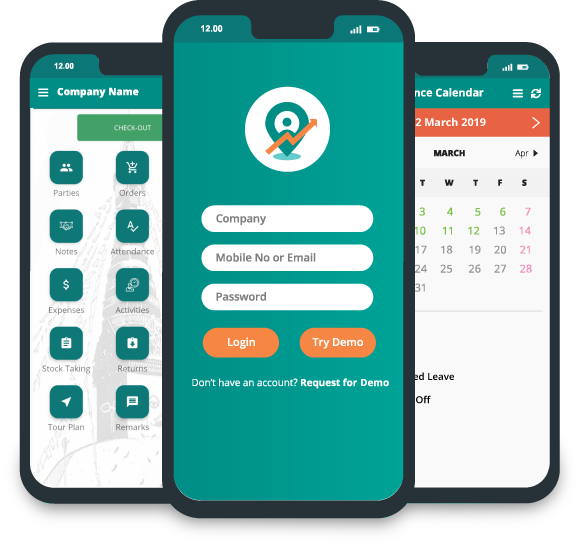
Delta Sales App is built to help FMCG companies enhance market coverage, boost sales team productivity, and make data-driven decisions with ease. With features like field sales automation, distributor management, beat planning, order tracking, and route optimization, it provides a complete ecosystem for scaling operations efficiently and improving overall sales performance.
To supercharge your market coverage - Connect with the Delta Sales App team today.