
Retail Execution in FMCG: Winning at the Shelf with Technology
Retail Execution in FMCG is critical for brands aiming to convert their marketing and sales strategies into tangible results at the point of sale. In today’s fast-paced market, success isn’t just about producing high-quality products, it’s about ensuring they are available, visible, and appealing on the shelf. Effective retail execution bridges the gap between planning and action, and with the help of digital tools and Field Apps for Retail Execution, brands can monitor store performance in real time, reduce errors, and maximize revenue across both traditional and modern trade channels.
In this blog, we’ll explore the essentials of retail execution, the common challenges FMCG brands face in the field, and how technology empowers teams to consistently win at the shelf.
Understanding Retail Execution
Retail execution refers to the set of activities and processes that guarantee a brand’s presence, visibility, and compliance in stores. It covers everything from product availability to promotional implementation, planogram adherence, and competitive tracking. For FMCG companies, it’s the bridge between corporate strategy and consumer experience at the shelf.
Key objectives of retail execution include:
-
Maximizing on-shelf availability
Ensuring products are consistently stocked across all retail outlets prevents stockouts, improves sales, and guarantees consumers find the right products when and where they want to purchase. -
Ensuring planogram compliance
Maintaining correct product placement according to store-specific guidelines ensures visual appeal, brand consistency, and maximizes shelf impact, influencing shopper decisions and improving overall category performance. -
Monitoring pricing accuracy
Regularly verifying product prices against trade agreements and promotions prevents pricing errors, ensures customer trust, and protects revenue while keeping competitive pricing consistent across all retail channels. -
Tracking promotional effectiveness
Monitoring in-store campaigns and offers ensures they are executed correctly, measuring their impact on sales, customer engagement, and return on trade investment, while enabling timely adjustments. -
Enhancing brand visibility
Using effective displays, POS materials, and strategic shelf placement strengthens brand recognition, draws consumer attention, and ensures a competitive advantage within both modern and traditional retail channels.
Effective retail execution bridges strategy and in-store actions, ensuring that every store visit translates into measurable results, better customer experiences, and improved sales performance.
Why Retail Execution Matters in FMCG
The FMCG sector moves at lightning speed, and consumer buying decisions often happen in a matter of seconds. In such a dynamic environment, even minor gaps in execution can have significant consequences. This is exactly why Retail Execution Matters for FMCG brands looking to retain their market presence and stay ahead of competition.
-
Stockouts or unavailable products: When shelves are empty, consumers turn to competitors, leading to lost sales and reduced customer loyalty. Consistent stock availability is crucial to maintain market share.
-
Missed promotional opportunities: Poor execution of campaigns or in-store offers can result in wasted trade spend, underperforming promotions, and lost opportunities to influence consumer purchase behavior.
-
Inconsistent pricing: Price discrepancies across outlets confuse customers, damage brand trust, and can lead to revenue leakage. Accurate price monitoring ensures transparency and competitiveness.
-
Reduced shelf share: Incorrect planogram adherence or weak product placement diminishes visibility, lowering the chances of purchase and weakening the brand’s presence compared to competitors.
-
Weakened brand perception: Inconsistent execution negatively impacts consumer experience, affecting perceived quality, trust, and loyalty toward the brand.
-
Inefficient resource utilization: Without proper execution, investments in promotions, inventory, and merchandising are wasted, reducing ROI and operational efficiency.
-
Limited insights for decision-making: Lack of real-time store data prevents brands from identifying gaps, responding to market changes quickly, and optimizing future strategies.
These issues not only hurt sales but can weaken brand loyalty and reduce ROI on trade spending. With proper retail execution, brands ensure consistent presence across all channels including Modern Trade vs. General Trade and independent stores, while maximizing productivity and customer satisfaction.
Core Elements of Effective Retail Execution
A successful retail execution strategy involves several key components:
1. Product Availability : Ensuring SKUs are consistently in stock across all retail outlets prevents lost sales, enhances customer satisfaction, and maintains a reliable brand presence in both modern trade and traditional stores.
2. Planogram Compliance : Following store-specific placement guidelines guarantees products appear in the intended locations, improves visual merchandising, strengthens brand consistency, and increases the likelihood of purchase by catching shopper attention.
3. Pricing Accuracy : Regularly monitoring and verifying prices ensures alignment with trade agreements and promotions, prevents revenue leakage, maintains customer trust, and keeps your brand competitive in a fast-moving market.
4. Promotion Execution : Properly activating campaigns and in-store offers makes them visible and appealing to consumers, maximizes return on marketing investments, and ensures promotional strategies translate into measurable sales impact.
5. POSM Deployment : Using point-of-sale materials such as banners, shelf talkers, wobblers, and displays effectively draws shopper attention, reinforces brand messaging, and highlights promotions or new products in the store environment.
6. Competitive Intelligence : Monitoring competitor pricing, placements, promotions, and stock levels allows brands to adjust strategies dynamically, capitalize on market opportunities, and maintain an edge over rivals at the shelf.

Challenges in Retail Execution
Even well-established FMCG brands face significant hurdles when it comes to ensuring flawless retail execution. Some of the most common challenges include:
1. Lack of Real-Time Data
Manual reporting methods and delayed communication mean brands do not get instant insights into stock levels, promotional compliance, or shelf placement. This slows decision-making, increases response times to issues like stockouts, and limits the ability to act quickly on market trends.
2. Retailer Non-Compliance
Outlets may deviate from agreed planograms, pricing, or promotional displays due to human error, space constraints, or lack of enforcement. Such non-compliance can reduce brand visibility, weaken campaigns, and negatively impact sales.
3. Limited Visibility Across Stores
Blind spots in distribution, especially in smaller or remote retail locations, make it difficult for brands to monitor execution consistently. Without full coverage insights, opportunities are missed, and corrective actions are delayed, affecting overall market performance.
4. Underperforming Field Teams
Field reps or merchandisers may not follow task instructions accurately due to lack of accountability, insufficient training, or absence of real-time tracking. This reduces efficiency, lowers productivity, and results in inconsistent execution across outlets.
5. Inefficient Resource Utilization
Without proper monitoring, investments in promotions, point-of-sale materials, and inventory management can go underutilized or wasted. This reduces ROI on trade spend and hampers overall operational efficiency.
These challenges highlight the urgent need for technology-driven solutions, such as retail execution field apps, which provide real-time visibility, accountability, and operational efficiency. In many cases, brands stumble due to Common Retail Execution Mistakes like incomplete audits, poor field team monitoring, misaligned planogram placement, or inconsistent pricing updates, issues that digital tools can now eliminate with ease.
Building a Retail Execution Strategy
A structured strategy ensures every store visit contributes to measurable business results. Core stages include:
|
Stage |
Key Focus |
|
Audit |
Assess current coverage, shelf compliance, and execution gaps |
|
Objectives |
Define KPIs like share-of-shelf, stockouts, and promo compliance |
|
Tools & Teams |
Equip field reps with mobile apps and training |
|
Execution |
Monitor product visibility, pricing, planogram, and POSM deployment |
|
Feedback Loop |
Use analytics to refine strategies in real-time |
Digital Tools Driving Retail Execution
In today’s fast-paced FMCG environment, relying on manual checklists and spreadsheets is no longer sufficient. Modern technology empowers brands to bridge the gap between strategic planning and flawless execution at the shelf. Retail execution field apps have become indispensable for ensuring visibility, accountability, and efficiency across every retail outlet.
1. Mobile App for Field Teams
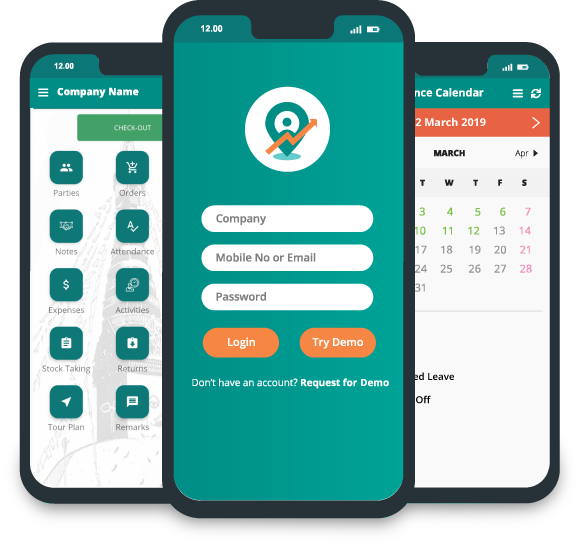
Equipping field reps with mobile apps enables real-time data capture, task assignment, and progress tracking. Reps can log visits, report stockouts, update planogram compliance, and monitor promotions instantly, reducing delays and errors.
2. Image Recognition
Advanced image recognition technology automatically verifies product placement and shelf compliance. It identifies missing SKUs, misplaced products, and promotional errors, providing instant visual proof and allowing brands to act immediately.
3. GPS-Verified Visits
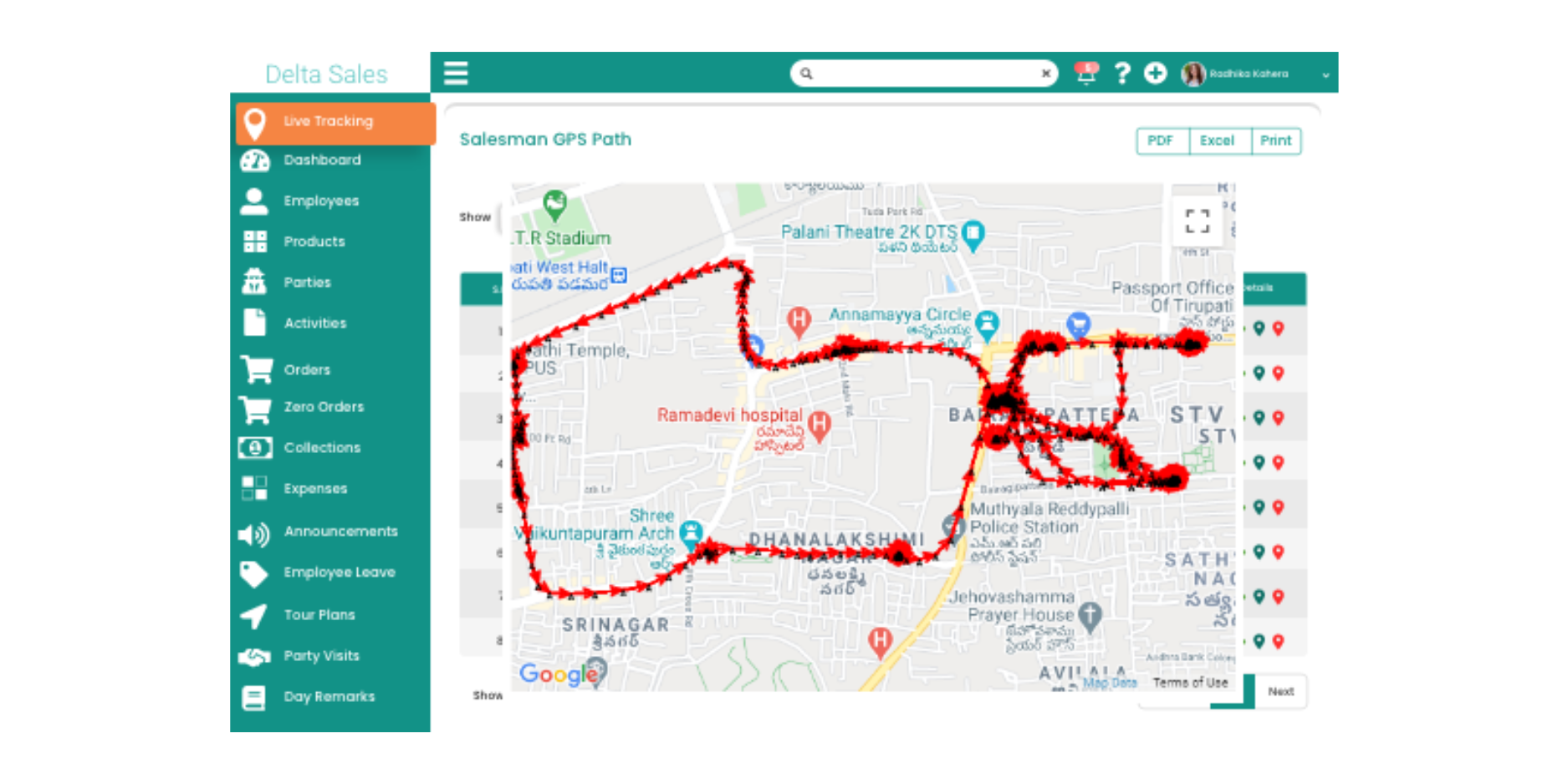
GPS tracking ensures that every outlet visit is recorded and verified, helping managers monitor route efficiency and accountability. This feature reduces missed visits, improves coverage, and ensures teams are spending time at the right locations.
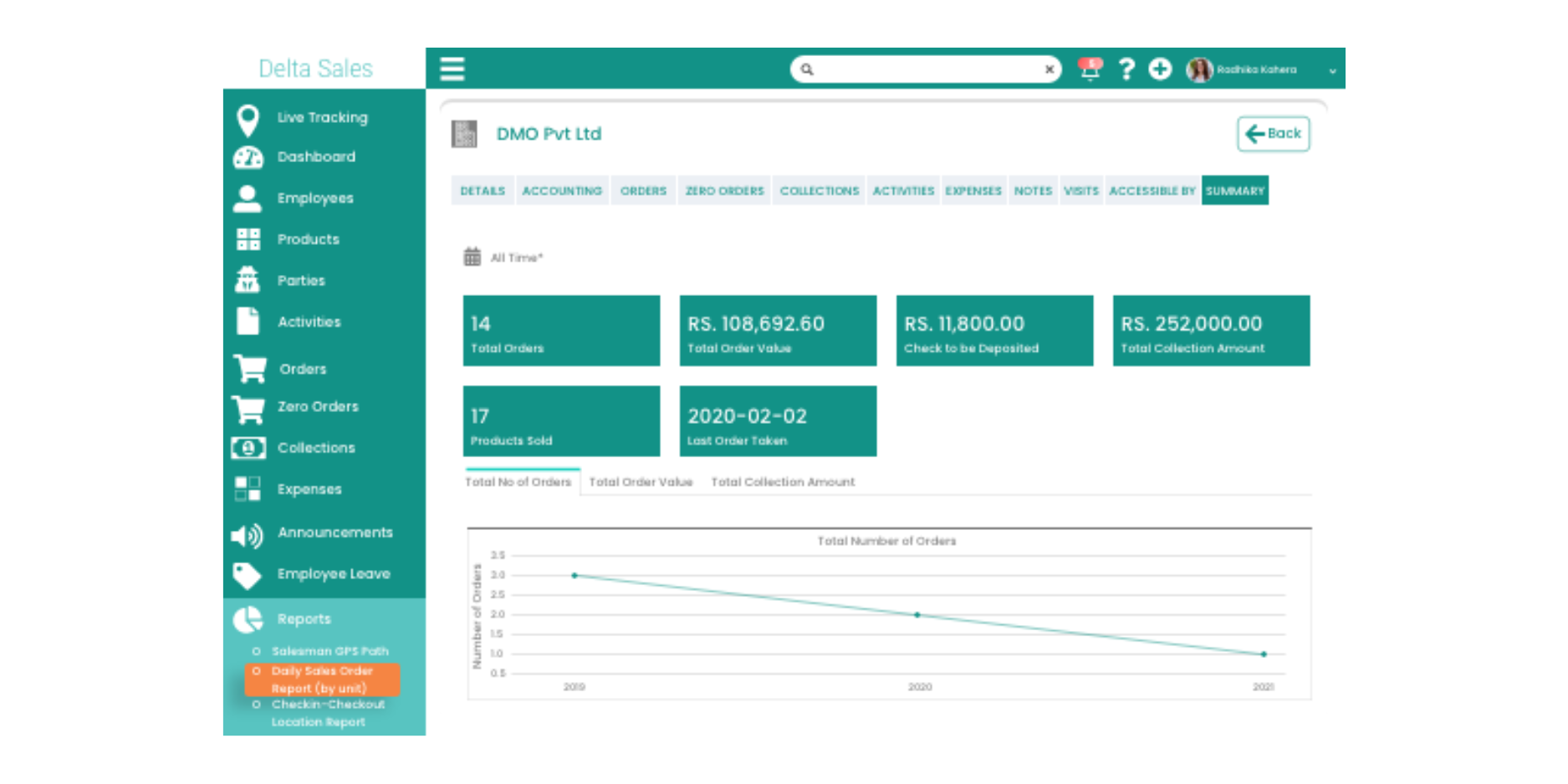
4. Analytics Dashboards
Retail execution apps provide comprehensive dashboards that display KPIs, sales performance, promotional effectiveness, and compliance metrics. Managers can track trends, benchmark stores, and make data-driven decisions for better results.
5. AI-Based Suggestions
Artificial intelligence integrated into field apps recommends corrective actions based on historical data and patterns. From suggesting restocking priorities to optimizing routes and predicting stockouts, AI helps teams act proactively rather than reactively.
With these digital tools, FMCG brands gain granular control over field operations, while field teams become more productive, accountable, and aligned with corporate objectives. The combination of real-time insights, automated compliance checks, and AI-driven guidance ensures that every store visit contributes to measurable sales and enhanced brand visibility.
Who Benefits from Retail Execution Tools?
Retail execution tools, particularly retail execution field apps, do not just simplify daily tasks they transform how FMCG organizations operate at the store level. Their impact spans across multiple teams, improving efficiency, accountability, and decision-making.
1. Field Reps & Sales Teams : Field representatives and sales teams use these apps to capture real-time store data, report stockouts, log visits, and update promotions instantly. This reduces manual errors, increases productivity, and ensures that every store visit is tracked and actionable. By providing immediate visibility into store conditions, field teams can address issues on the spot, improving overall execution quality.
2. Trade Marketing Teams : Trade marketing professionals benefit from real-time monitoring of in-store promotions, displays, and pricing. The apps allow them to validate that campaigns are implemented as planned, measure promotional effectiveness, and ensure ROI on trade spend. Instant feedback from stores enables timely adjustments and more effective marketing strategies.
3. Merchandisers : Merchandisers leverage retail execution tools to ensure planogram compliance, proper product placement, and timely deployment of POS materials such as banners, wobblers, and shelf talkers. Automated reporting and image verification reduce manual errors, enabling merchandisers to maintain consistent brand visibility across all retail outlets.
4. Category & Channel Managers : Category and channel managers gain access to detailed analytics and store-level insights. They can track performance metrics, optimize SKU mix, refine category strategies, and make data-driven decisions for both modern trade and general trade channels. With better visibility into execution, managers can identify gaps, prioritize high-impact stores, and drive overall business growth.
By providing a single source of truth for store-level operations, retail execution tools ensure that all teams from field reps to managers are aligned, informed, and equipped to make smarter, faster decisions that maximize sales and brand impact.
Measuring Retail Execution Success
Successful retail execution is not just about completing store visits it’s about achieving measurable outcomes that drive sales, visibility, and brand growth. Tracking the right Key Performance Indicators - KPIs helps FMCG brands assess the effectiveness of field operations, identify gaps, and make data-driven improvements.
1. On-Shelf Availability (OSA)
This KPI measures the percentage of time products are available on the shelf when consumers are ready to buy. High OSA ensures no missed sales opportunities, reduces stockouts, and improves customer satisfaction.
2. Share of Shelf
Share of Shelf tracks the proportion of shelf space your brand occupies relative to competitors. Maximizing this metric increases product visibility, enhances brand prominence, and drives higher purchase likelihood.
3. Planogram Compliance
Monitoring adherence to store-specific placement guidelines ensures products are displayed as intended. Consistent planogram compliance improves visual merchandising, attracts consumer attention, and strengthens brand consistency across outlets.
4. Promo Execution Score
This KPI evaluates whether promotional campaigns, offers, and in-store displays are implemented correctly. Accurate execution translates marketing investments into measurable sales uplift and strengthens the brand’s presence at the point of sale.
5. Sales Uplift During Campaigns
Tracking incremental sales generated during promotions helps determine the effectiveness of campaigns. Brands can measure ROI, optimize future promotions, and identify high-performing strategies.
6. Outlet Coverage & Visit Frequency
Monitoring how frequently stores are visited ensures complete market coverage and reduces missed opportunities. Optimized visit schedules improve field team efficiency and strengthen retailer relationships.
7. Execution Time per Outlet
Measuring the time spent per store visit helps evaluate productivity. It ensures that reps allocate adequate time to complete merchandising, stock checks, and promotional activities efficiently.
8. Competitor Activity Logged
Recording competitor actions—such as pricing changes, promotions, and product placement—allows brands to adapt strategies proactively, maintain a competitive edge, and capitalize on market opportunities.
9. Real-Time Analytics & Reporting
Modern retail execution tools provide instant insights through dashboards and reports, enabling managers to make quick decisions, identify underperforming stores, and optimize field operations continuously.
By monitoring these KPIs systematically, FMCG brands can ensure consistent execution, improve operational efficiency, and maximize ROI. Real-time visibility and actionable insights allow teams to respond proactively, correct gaps immediately, and maintain a strong presence in both modern trade and traditional retail channels.
Retail Execution vs. Retail Operations
|
Aspect |
Retail Execution |
Retail Operations |
|
Focus |
In-store compliance & activation |
Backend supply chain & inventory |
|
Teams |
Field reps, merchandisers |
Warehouse, logistics, procurement |
|
Timefram |
Real-time/daily activities |
Weekly/monthly cycles |
|
KPI |
Promo compliance, shelf availability |
Stock turnover, order accuracy |
While operations ensure product flow, retail execution ensures it converts into actual sales at the shelf.
Future Trends in Retail Execution
As technology continues to evolve, retail execution in FMCG is becoming smarter, faster, and more data-driven. Key trends shaping the future include:
1. AI-Driven Insights : Artificial intelligence now provides real-time recommendations for product replenishment, promotional activities, and visit prioritization. Predictive analytics allows brands to anticipate demand, prevent stockouts, and make proactive field decisions.
2. Image Recognition Technology : Automated shelf audits powered by image recognition are replacing manual checks. Brands can instantly verify planogram compliance, monitor product placement, and detect out-of-stock items, ensuring flawless in-store execution.
3. Satellite Retail Mapping : With advanced mapping tools, brands can track secondary and tertiary outlets often missed by traditional distribution channels. This ensures wider market coverage, improved sales, and better resource allocation.
4. Connected Commerce : Integration between retail execution apps and POS/CRM systems enables seamless data flow across departments. Brands gain unified visibility of sales, stock levels, and promotions, bridging the gap between field operations and back-office planning.
5. Retailer Collaboration Platforms : Digital platforms facilitate data exchange and communication between brands and retailers. These tools allow joint planning, feedback loops, and shared insights to optimize in-store execution and promotional effectiveness.
6. Mobile and Cloud-Enabled Solutions : Field teams equipped with cloud-based apps can access real-time data, report issues instantly, and coordinate efficiently across locations, improving speed, accountability, and decision-making.
Final Thoughts
Retail execution is no longer just a field function, it is a strategic growth driver for FMCG brands. Leveraging technology, particularly retail execution field apps, enables brands to achieve flawless execution in modern trade, improve sales productivity, and deliver a superior customer experience.
Brands that adopt digital tools, real-time insights, and structured execution strategies will consistently win the battle at the shelf, maximize ROI, and stay ahead of the competition.
Ready to transform your retail execution?
Explore how our retail execution field app can help your brand monitor performance in real time, ensure compliance, and boost in-store sales. Get Started Today.