
FMCG Sales Automation: How Top Brands Are Digitizing Their Distribution and Field Sales
In today’s hyper-competitive retail environment, fast-moving consumer goods (FMCG) brands operate in a landscape where speed, availability, and execution quality determine market success. Every shelf, outlet, and retailer interaction plays a role in shaping consumer choices. As competition intensifies and distribution networks become more complex, leading brands are rapidly shifting from manual, fragmented processes to advanced FMCG sales automation solutions.
From automated route planning to digital order collection, real-time distributor visibility, and retail execution tracking, automation has transformed how top FMCG brands plan, operate, and grow. Modern tools like an integrated FMCG distribution management system bring all stakeholders sales reps, supervisors, distributors, and management onto one seamless platform, enabling data-driven decision-making and enhanced market reach.
This blog explores how FMCG brands are digitizing their distribution and field sales, the technologies involved, business benefits, and why automation is now a competitive necessity rather than a choice.
Understanding FMCG Sales Automation
FMCG Sales Automation refers to the use of digital tools, software systems, and smart technologies to automate sales-related processes across the FMCG value chain. These tools eliminate manual work, streamline operations, ensure real-time visibility, and empower field teams to perform better.
Why Automation Matters in FMCG
FMCG operations depend on retail availability, supply accuracy, and efficient market coverage. Manual processes slow down distribution, create errors, and limit scalability. Automation solves these challenges by digitalizing:
-
Understanding FMCG Sales Automation: FMCG sales automation uses digital tools and software to streamline sales processes, reduce manual tasks, improve accuracy, and provide real-time insights, helping field teams work smarter and more efficiently.
-
Why Automation Matters in FMCG: Automation enhances retail availability, improves supply accuracy, increases market coverage, and eliminates manual errors, enabling FMCG companies to respond faster and scale operations more effectively.
-
Order Booking: Digital order booking allows sales reps to capture orders quickly and accurately, sync them instantly with the system, reduce manual errors, and speed up the entire supply chain process.
-
Retail Visit Planning: Automated visit planning helps sales teams follow optimized beats, cover more outlets, minimize travel time, and improve the consistency and impact of each retail visit.
-
Inventory Visibility: Real-time inventory tracking ensures stock accuracy, prevents stockouts or overstocking, improves replenishment decisions, and aligns distributor and company-level supply planning.
-
Distributor Coordination: Automation streamlines communication with distributors, enhances billing accuracy, improves order processing, and ensures seamless synchronization between primary vs secondary sales.
-
Van Sales: Automated van sales systems enable on-the-spot billing, real-time stock updates, digital payments, and optimized routes, ensuring faster product delivery and higher service efficiency.
-
Retail Execution: Digital retail execution tools help monitor merchandising, shelf availability, product visibility, and competitor activity, ensuring perfect store standards and stronger brand presence.
-
Reporting and Analytics: Advanced analytics provide real-time dashboards, performance insights, sales trends, and productivity metrics, enabling faster decision-making and helping management optimize strategies.
How the FMCG Sales Landscape Has Evolved
The FMCG sector has traditionally struggled with scattered data, inconsistent retail visits, manual entry issues, and a lack of real-time market visibility. Distribution networks with multiple layers of company, super stockists, distributors, wholesalers, and retailers make operations complex.
Modern FMCG Challenges
Top brands today deal with:
-
Thousands of SKUs: Brands manage vast product portfolios, making manual tracking difficult. Automation ensures accurate SKU-level visibility, smoother replenishment, and efficient retailer servicing across diverse categories.
-
Large and Geographically Dispersed Markets: Sales teams cover wide territories, making coordination tough. Automation improves route planning, visit consistency, and market reach, helping teams operate efficiently across distant locations.
-
Competitive Retail Shelves: Retail shelves are crowded, requiring strong visibility and execution. Automation helps monitor shelf performance, ensure availability, and implement perfect store standards consistently.
-
Expanding Modern Trade and E-commerce: Modern trade chains and online platforms demand structured processes, real-time data, and consistent supply. Automation enables brands to handle complex operations and maintain service quality across channels.
-
The Need for Faster Decision-Making: Market dynamics change rapidly, requiring quick responses. Automation provides real-time reports and analytics, enabling faster, data-driven decisions to stay competitive.
-
This complexity drives the urgent need for sales automation in FMCG to bring structure, clarity, and speed to operations.
Key Drivers Behind Digitization of FMCG Sales
-
Rising Consumer Expectations: Consumers expect constant product availability, wider choices, and reliable service. Automation helps brands maintain perfect store execution, reduce stockouts, and ensure a consistent retail experience across markets.
-
Increased Competition: With growing competition, brands must react quickly. Automation provides real-time insights, improves route efficiency, speeds up product delivery, and strengthens overall market responsiveness.
-
Need for Data-Driven Decisions: Manual data slows decisions and creates inaccuracies. Automation provides instant visibility into sales performance, inventory levels, and retailer behavior, enabling smarter decisions and proactive market actions.
-
Distributor Network Complexity: Managing multiple distributors requires transparency and coordination. An integrated FMCG distribution management system synchronizes billing, stock, and sales data, ensuring smooth and unified supply chain operations.
-
Mobile Workforce Expansion: As field teams grow, digital tools help track productivity, streamline tasks, and enhance accountability. Automation ensures reps stay connected, informed, and more effective during daily market activities.
Core Components of FMCG Sales Automation
Below are the fundamental modules that FMCG brands digitize to streamline operations:
-
Digital Order Taking:
Digital order-taking replaces manual notebooks with mobile apps that instantly sync orders to the distributor system. It eliminates errors, prevents delays, improves SKU accuracy, and accelerates order processing for smoother secondary sales.
-
Beat & Route Planning
Automated beat planning helps sales reps follow optimized routes, reduce travel time, cover more outlets, and increase selling hours. It also enhances Van Sales Operations, enabling vans to reach maximum stores quickly and efficiently.
-
Distributor Management System (DMS):
A modern FMCG distribution management system centralizes billing, inventory, claims, returns, and scheme management. DMS synchronizes distributor data in real time, improving transparency, reducing errors, and strengthening coordination between company and distributor networks.
-
Retailer Management & Retail Execution Tracking:
Digital tools make FMCG Retail Execution more organized by enabling reps to record merchandising, shelf audits, stock checks, and competitor insights using images and checklists. This ensures better compliance, visibility, and consistent in-store performance.
-
Van Sales Automation:
Automation strengthens Van Sales Operations by enabling mobile invoicing, real-time stock visibility, digital payments, and route tracking. It speeds up order fulfillment, reduces operational delays, and increases daily sales productivity for van teams.
-
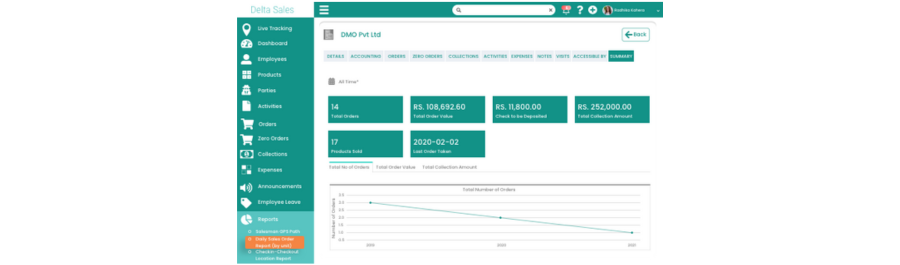
Performance Monitoring & Analytics:
Advanced dashboards provide real-time insights into outlet coverage, productivity, stock health, scheme performance, and sales behavior. These analytics enable faster, data-driven decisions and help companies optimize market strategies across territories.
-
Attendance & Expense Automation:
Automation simplifies workforce tracking through GPS-based attendance, digital expense claims, travel logs, and daily reports. It improves transparency, eliminates paperwork, and ensures accurate field productivity monitoring for better control and accountability.
Benefits of FMCG Sales Automation
-
Increased Market Coverage:
Automation improves beat planning and route efficiency, helping sales teams cover more outlets consistently. This increase in market coverage, enhances retail presence, and strengthens overall market penetration.
-
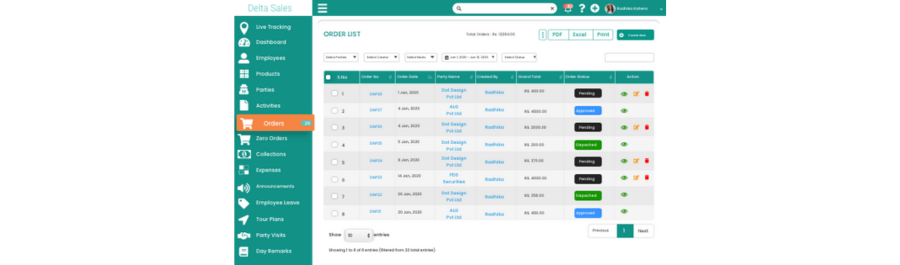
Improved Order Accuracy:
Digital order-taking eliminates manual errors, enhances SKU-level accuracy, speeds up processing, and improves distributor satisfaction by ensuring precise, timely, and reliable order capture.
-
Real-Time Visibility:
Automation provides instant access to sales performance, stock levels, and field activities, enabling brands to monitor operations continuously and make timely adjustments across territories.
-
Faster Decision Making:
Real-time data empowers managers to respond quickly to market changes, optimize strategies, and solve issues proactively rather than relying on delayed, manual reports.
-
Enhanced Retail Execution:
Automation makes perfect store standards measurable by tracking merchandising, availability, and display compliance, ensuring stronger retail execution and consistent brand presence at outlets.
-
Distributor Efficiency:
An integrated FMCG distribution management system streamlines billing, stock management, and order processing, reducing manual work and improving distributor speed, accuracy, and coordination.
-
Higher Sales Productivity:
Automation removes time-consuming administrative tasks, allowing sales reps to focus more on selling, increasing daily productivity, improving performance, and boosting overall revenue generation.
How Automation Improves FMCG Distribution
-
Smoother Primary and Secondary Sales Monitoring:
Automation connects primary, secondary, and tertiary sales data, providing complete visibility. This helps brands forecast accurately, plan distributor replenishment efficiently, and maintain a consistent product flow across the supply chain.
-
Inventory Optimization:
Real-time inventory tracking prevents overstocking, stockouts, and expiry losses. Automation ensures distributors maintain healthy stock levels, improving supply chain planning and ensuring timely product availability at retail points.
-
Scheme & Discount Management:
Automated systems distribute schemes consistently across all channels, track usage, and prevent misuse. This ensures accurate claim settlements, better promotional impact, and smooth execution of offers in the market.
-
Territory and Beat Optimization:
Automation optimizes territory allocation and beat planning, ensuring every area gets proper coverage. It maximizes outreach, balances workloads, and helps sales teams operate more efficiently across regions.
Boosting Field Sales Performance with Digitization
Smart KPIs and Productivity Tracking:
Automation provides supervisors real-time visibility into key metrics like outlet visits, order value, route adherence, merchandising scores, and stock levels, helping improve accountability and overall field performance.
Training & Knowledge Sharing:
Digital apps offer training materials, product updates, and on-demand learning, ensuring field reps remain knowledgeable, confident, and well-prepared to handle retailer queries and sales tasks effectively.
Gamification for Sales Teams:
Gamified tools use leaderboards, rewards, and performance badges to motivate sales teams, boost engagement, encourage healthy competition, and improve daily productivity across the field force.
The Role of Sales Automation in Modern Trade & GT
-
Modern Trade
Automation simplifies managing complex promotions, negotiated pricing, stock supply cycles, and in-store branding. It also improves compliance scorecards, ensuring consistent execution and stronger partnerships with modern trade retailers.
-
General Trade (GT)
Digitization strengthens general trade by enabling digital order booking, efficient retail audits, optimized beats, and accurate sales tracking. This helps companies serve small retailers better and improve market penetration.
Emerging Technologies Driving FMCG Sales Automation
-
AI & Predictive Analytics
AI helps forecast demand, detect buying patterns, and analyze route performance. It supports smarter planning, reduces stock issues, and enables proactive decision-making across markets.
-
Mobile-First Field Apps
Mobile apps allow sales reps to perform order booking, attendance, beat planning, and retail audits efficiently. They ensure real-time syncing, better accuracy, and improved field productivity.
-
IoT & Smart Devices
IoT-enabled shelves, sensors, and automated POSM tools enhance retail visibility, track stock levels, and support more accurate, technology-driven retail execution.
-
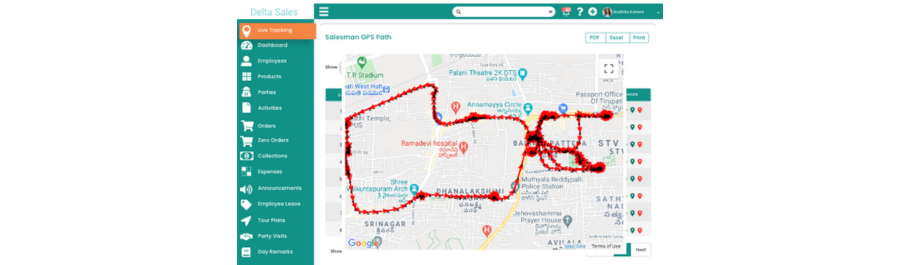
GPS & Geofencing
GPS tracking and geofencing validate sales rep visits, prevent attendance fraud, improve route compliance, and ensure genuine, real-time field activity tracking across territories.
-
Cloud-Based DMS
Cloud-based systems offer scalable, secure data storage and real-time access for all distributors. They simplify updates, improve collaboration, and ensure seamless syncing across the entire distribution network.
How Automation Strengthens Van Sales Operations
Van Sales Operations are crucial for serving remote and semi-urban markets where distributors may not have strong reach.
Automation helps van teams:
-
Plan Routes: Automation optimizes van routes, helping drivers cover maximum outlets efficiently. It reduces travel time, saves fuel, and ensures more productive visits across remote and semi-urban areas.
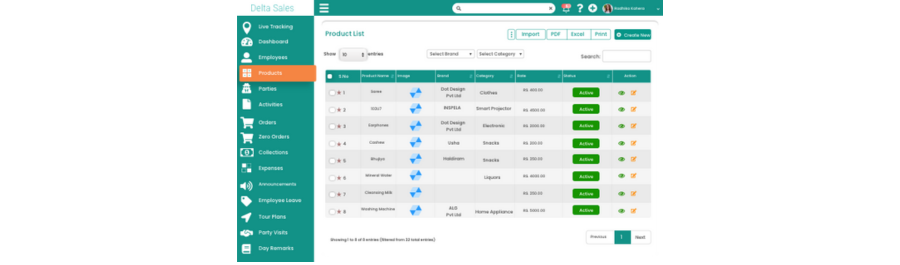
-
Track Live Inventory: Van teams can view real-time vehicle stock levels, preventing mismatches and ensuring accurate on-spot sales. This helps maintain availability and reduces stock-related errors during field operations.
-
Generate Invoices Instantly: Mobile billing tools allow vans to create GST-compliant invoices on the spot. This speeds up transactions, improves transparency, and enhances retailer satisfaction with faster service.
-
Execute Promotions: Automation helps van teams apply schemes, discounts, and promotions accurately during sales. It ensures correct offer implementation and boosts retailer engagement with timely promotional execution.
-
Capture Retailer Payments: Digital tools allow instant cash, UPI, or wallet payment recording. This reduces manual handling, improves accuracy, and speeds up the reconciliation process.
-
Sync Data with DMS on the Go: Van sales data is synced continuously with the DMS, ensuring real-time updates on stock, sales, and collections. It enables better coordination and accurate reporting.
-
Increases Efficiency & Reduces Delays: Real-time visibility, automated billing, optimized routes, and digital payments collectively speed up operations, reduce errors, and help van teams serve more outlets daily with minimal delays.
Enhancing FMCG Retail Execution with Digital Tools
FMCG Retail Execution is no longer about just visiting shops. It requires structured tracking and visibility.
Automation ensures:
-
Perfect store benchmarks: Automation helps define and track ideal store conditions availability, visibility, pricing, and display standards enabling field teams to consistently measure how closely each outlet matches the brand’s perfect store model.
-
Visual merchandising compliance: Digital tools allow reps to capture photos and verify whether branding materials, POS displays, and shelf elements are placed correctly, ensuring every store maintains the desired visual appeal and brand impact.
-
Planogram checks: Automated planogram checks ensure products are arranged exactly as prescribed. Reps can compare real-time shelf photos with guidelines, improving product placement, visibility, and overall compliance across outlets.
-
Competitor insights: Field teams can digitally record competitor pricing, offers, display strategies, and new launches. This real-time intelligence helps brands respond faster and adapt strategies based on actual market activity.
-
Display effectiveness: Automation measures the performance of in-store displays by tracking placement, shopper engagement, and sales lift. It helps brands identify which displays work and optimize investments for maximum impact.
-
Consistent brand presence: Digital execution tools ensure uniform brand visibility across all outlets. They help verify signage, stock levels, pricing, and displays, guaranteeing consistent shopper experience and stronger brand recall.
Why Sales Automation Is Now a Strategic Priority
FMCG companies shifting to automation witness improvements such as:
-
30–50% rise in outlet coverage: Automation enables smarter route planning, faster order capture, and better territory allocation, allowing field teams to cover more outlets per day without increasing manpower or operational effort.
-
10–20% increase in secondary sales: With real-time visibility, optimized beats, and accurate inventory insights, sales reps can book more orders, reduce stockouts, and ensure timely replenishment—naturally driving higher secondary sales.
-
80–90% reduction in manual reporting time: Digital apps eliminate paper-based reporting by auto-capturing visit data, orders, attendance, and GPS logs, enabling teams to save hours every week and focus more on productive selling tasks.
-
Over 40% improvement in retail execution compliance: Retail execution becomes structured and measurable through photo audits, checklists, planograms, and in-app verification, ensuring better visibility, consistent branding, and adherence to perfect-store standards.
Implementation Roadmap for FMCG Sales Automation
-
Requirement Analysis: Identify operational gaps, distribution challenges, and field inefficiencies to understand what functionalities the automation system must address for smoother sales, reporting, and retail execution processes.
-
Selection of Right Automation Tool: Choose a platform that seamlessly integrates DMS, SFA, and Van Sales to ensure unified data flow, real-time visibility, and complete coverage of all sales and distribution operations.
-
Pilot Implementation: Deploy the solution in select territories to validate features, identify workflow issues, and gather user feedback before full-scale implementation, ensuring the system fits real market conditions.
-
Training Field Teams: Provide hands-on training to sales reps and supervisors so they can effectively use mobile apps, dashboards, and automation tools, ensuring smooth adoption and consistent usage.
-
Distributor Onboarding: Connect all distributors to the central DMS to enable real-time order syncing, inventory visibility, billing automation, and unified communication across the distribution network.
-
Full-Scale Rollout & Monitoring: Expand the automation solution across all regions while continuously tracking performance, resolving adoption issues, and optimizing workflows for maximum efficiency and long-term success.
Common Challenges & Solutions
Challenge 1: Resistance to Technology
Field teams may fear change or struggle with new tools.
Solution: Provide practical training, introduce easy-to-use mobile apps, and offer incentives that motivate consistent adoption and build confidence in digital processes.
Challenge 2: Connectivity Issues
Remote and rural regions often face poor network access, disrupting app usage and data syncing.
Solution: Offline-first mobile applications ensure sales reps can work smoothly without internet and sync data automatically once connectivity is restored.
Challenge 3: Distributor Hesitation
Distributors may resist shifting from manual processes to digital tools due to perceived complexity or cost.
Solution: Show benefits like faster billing, transparent schemes, easier claim management, and reduced manual errors to encourage adoption.
Challenge 4: Data Accuracy
Manual entries often cause errors, inconsistencies, and unreliable reports.
Solution: Use automated data validation, geotagged visits, and standardized workflows to ensure accuracy, authenticity, and uniform reporting across all territories.
The Future of FMCG Sales Automation
The next 5 years will see advanced tools for:
-
Automated Route-Based Forecasting: Future systems will analyze beat performance, outlet buying behavior, and seasonal trends to predict exact order requirements for each route, helping brands plan stock and prevent supply gaps.
-
Image Recognition for Retail Audits: AI-powered image recognition will instantly detect shelf gaps, pricing errors, POSM placement, and competitor presence, making retail execution faster, accurate, and fully data-driven.
-
Real-Time Van Inventory AI Suggestions: AI will guide van sales teams on what to restock, which SKUs to push, and ideal quantities based on past sales patterns and real-time demand signals.
-
Advanced Distributor Analytics: Next-gen dashboards will provide deep insights on claims, stock aging, route profitability, and sales patterns, helping companies optimize distributor performance and reduce operational inefficiencies.
-
Predictive Demand Engines: AI algorithms will forecast retailer and distributor demand well in advance, ensuring better production planning, minimizing stockouts, and improving supply chain responsiveness.
With these advancements, FMCG sales automation will shift from reactive decision-making to predictive, proactive, and highly optimized operations, transforming efficiency and market competitiveness.

Conclusion
FMCG brands operate in a race where speed, visibility, and execution shape success. Manual processes cannot sustain large distribution networks or high product volumes. To stay competitive, companies are rapidly adopting FMCG sales automation to improve distributor operations, field performance, retail execution, and overall market reach. A robust FMCG distribution management system, combined with real-time analytics and automated van sales, empowers brands to scale faster and operate smarter.
Modern FMCG companies need a unified platform that simplifies every step from order booking to distributor billing to retail audits. Delta Sales App is one such advanced sales automation platform that helps FMCG brands digitize field sales, optimize distribution, enhance retail execution, and achieve complete visibility across markets.
Digitize your FMCG sales with speed and accuracy - Start with Delta Sales App today.